
In the intricate landscape of employee benefits and financial planning, understanding the nuances of various insurance terms is paramount. One such term that often emerges, particularly in discussions around group life and disability coverage, is “EOI insurance.” Far from being a standalone product, EOI, or Evidence of Insurability, refers to a critical process within the insurance underwriting framework, dictating an individual’s eligibility for certain levels of coverage. For both employers seeking to offer robust benefit packages and employees aiming to secure adequate financial protection, a clear grasp of EOI is essential for informed decision-making and strategic financial planning.

Demystifying Evidence of Insurability (EOI)
At its core, EOI is the process by which an individual provides health and lifestyle information to an insurance carrier, allowing the insurer to assess their risk profile before approving coverage. It’s the insurance company’s method of determining if the applicant is insurable for a specific amount or type of insurance. This evaluation is critical for ensuring the financial viability of the insurance pool and preventing adverse selection, where individuals with higher health risks disproportionately seek more coverage.
The Core Concept: Underwriting in Group Benefits
Underwriting is the process insurance companies use to assess the risk of insuring a particular applicant. In individual insurance policies, extensive underwriting is standard, often involving medical exams, blood tests, and detailed health questionnaires. EOI brings a form of individual underwriting into the group benefits realm, albeit often in a more streamlined fashion. While group benefits typically offer a certain level of coverage without any medical questions – known as the “guaranteed issue” amount – EOI becomes necessary when an employee requests coverage exceeding this threshold or applies for coverage outside specific enrollment windows. It’s a mechanism to protect the insurer from unexpected claims that could arise from individuals electing high levels of coverage only after a health issue has surfaced or been diagnosed.
EOI vs. Guaranteed Issue: A Critical Distinction
To fully comprehend EOI, it’s vital to differentiate it from “guaranteed issue” coverage. Guaranteed issue refers to a predetermined amount of insurance an employee can elect without providing any medical information or undergoing an underwriting review. This is a significant advantage of group plans, as it allows many individuals, including those with pre-existing conditions, to obtain a base level of coverage that might otherwise be difficult or expensive to secure individually. The guaranteed issue amount is typically set by the employer and the insurance carrier based on the size and demographics of the group.
However, once an employee wishes to purchase coverage above this guaranteed issue amount – perhaps to ensure their family is adequately protected given their income and financial obligations – the EOI process kicks in. This distinction is crucial for employees to understand during benefit enrollment, as it directly impacts their ability to secure higher levels of financial protection.
When and Why EOI Becomes a Requirement
The necessity for EOI is not arbitrary; it arises in specific circumstances designed to maintain the equilibrium and financial soundness of group insurance programs. These scenarios are generally predictable and communicated by employers during benefit enrollment periods. Understanding these triggers allows employees to plan accordingly and avoid potential delays or denials in coverage.
Exceeding Guaranteed Issue Limits
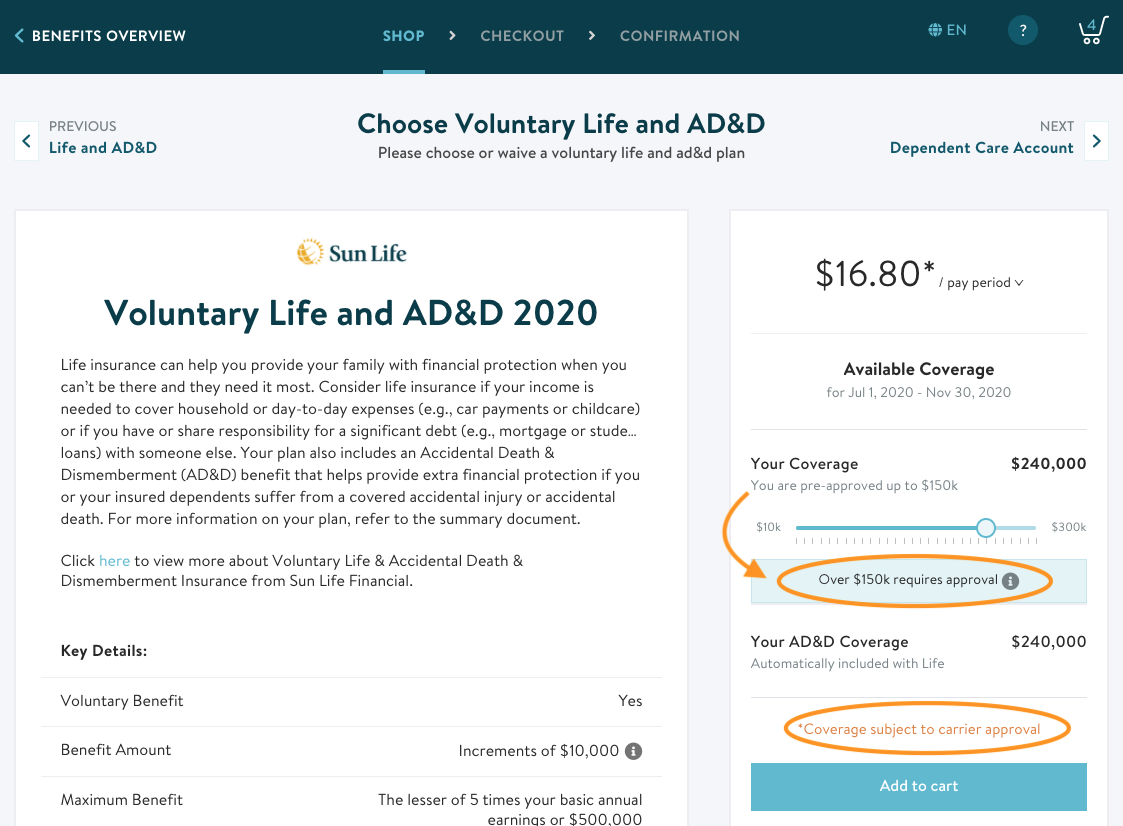
The most common scenario requiring EOI is when an employee elects a coverage amount that surpasses the pre-defined guaranteed issue limit for their group plan. For instance, a group life insurance policy might offer a guaranteed issue of $100,000. If an employee earns a high income and wishes to elect coverage of $500,000, the additional $400,000 would be subject to EOI. This ensures that the insurer can assess the risk associated with such a substantial amount of coverage, especially given that it exceeds what is automatically granted without medical scrutiny. It’s a standard practice across most group life and long-term disability plans to manage the insurer’s exposure and maintain sustainable premiums for the group as a whole.
Late Enrollment and Coverage Increases
Beyond initial enrollment and exceeding limits, EOI is frequently required for “late entrants” – employees who choose to enroll in a group benefit plan after their initial eligibility period has passed. For example, if an employee initially waives life insurance coverage but decides to enroll a year or two later, they would likely need to go through the EOI process for any amount of coverage, even if it’s below the guaranteed issue for new enrollees. This is because the insurance carrier has lost the opportunity to assess their health status at the original enrollment window, and the risk of adverse selection increases over time. Similarly, if an employee wishes to increase their coverage amount during subsequent open enrollment periods, and that increase pushes them above the guaranteed issue or a previously underwritten amount, EOI will be necessary for the incremental coverage.
Strategic Underwriting for Risk Management
From the insurer’s perspective, EOI is a critical tool for strategic risk management. Group insurance inherently pools risks, but without some form of underwriting for higher coverage amounts, the pool could become unbalanced. If individuals could always elect very high levels of coverage only when they anticipate a health problem, the claims burden on the insurer would become unsustainable, leading to dramatically increased premiums for everyone or even the withdrawal of benefits. EOI helps mitigate this “anti-selection” or “adverse selection,” ensuring that the cost of insurance remains fair and predictable for the entire group. It allows the insurer to make informed decisions about who qualifies for what level of coverage, based on their individual health status and not just their status as an employee.
Navigating the EOI Application Process
For employees, understanding the EOI application process is key to a smooth experience. While it can seem daunting, it’s generally a structured process designed to gather necessary information efficiently. Timeliness and accuracy are paramount to avoid delays or potential issues with approval.
The Application Form: A Comprehensive Health Snapshot
The EOI process typically begins with a detailed application form provided by the insurance carrier, often accessible through the employer’s HR or benefits portal. This form will ask a series of questions about the applicant’s medical history, current health status, lifestyle choices, and sometimes family medical history. Questions might cover:
- Medical Conditions: Past and present diagnoses, treatments, medications.
- Lifestyle Factors: Smoking, alcohol consumption, high-risk hobbies.
- Physician Information: Contact details for doctors who have treated the applicant.
- Height and Weight: Basic biometric data.
- Recent Medical Consultations: Any recent visits or upcoming procedures.
It is crucial to answer these questions truthfully and completely. Any misrepresentation, intentional or unintentional, could lead to a denial of claims later, even if the policy was initially approved.

Medical Examinations and Supplementary Information
Depending on the coverage amount requested, the applicant’s age, and the initial answers on the EOI form, the insurance carrier may require additional information or medical examinations. This could include:
- Paramedical Exam: A visit from a nurse or medical technician who will take blood pressure, pulse, height, weight, and potentially collect blood and urine samples.
- Attending Physician’s Statement (APS): A report from the applicant’s doctor detailing their medical history, diagnoses, and treatment plans.
- Cardiac Stress Test or ECG: For very high coverage amounts or specific risk factors.
The costs associated with these additional examinations are typically covered by the insurance carrier, not the applicant. The purpose of these steps is to provide the underwriter with a more complete and objective picture of the applicant’s health.
The Underwriting Decision: Approval, Denial, or Modification
Once all necessary information is submitted, the insurance carrier’s underwriters review the application. They assess the risk based on the provided data, often using actuarial tables and medical guidelines. The outcome of this review can be one of three primary decisions:
- Approval: The requested coverage is granted at the standard rate.
- Approval with a Surcharge: The coverage is granted, but at a higher premium rate due to identified risk factors (e.g., a pre-existing condition, smoking).
- Denial: The requested coverage is not approved, typically due to significant health risks. In some cases, a lesser amount of coverage might be offered without EOI.
The decision is communicated to the employee, usually through their employer or directly by the carrier. If denied, the employee typically has the right to appeal or provide additional information for reconsideration.
Key Implications for Employees and Employers
The EOI process carries significant implications for both parties involved in employee benefits: the employees seeking coverage and the employers offering it. Understanding these ramifications is vital for effective financial planning and benefit administration.
For Employees: Accessing Adequate Coverage and Understanding Limitations
For employees, EOI represents both an opportunity and a potential hurdle. It’s an opportunity to secure higher levels of crucial financial protection that might be necessary for their dependents or to cover substantial debts. For example, a high-earning individual with a mortgage and young children might need life insurance far exceeding the guaranteed issue amount to ensure their family’s financial stability in their absence. EOI allows them to apply for that additional coverage.
However, EOI also introduces limitations. Employees must be aware that there’s no guarantee their requested coverage will be approved, especially if they have significant health issues. A denial could mean they have to rely solely on the guaranteed issue amount, or seek expensive individual policies elsewhere, which may also be difficult to obtain or come with exclusions. This underscores the importance of not solely relying on group benefits for all insurance needs, especially for those with complex health profiles. Understanding the EOI process helps employees plan proactively and manage expectations regarding their total coverage.
For Employers: Balancing Benefits, Costs, and Compliance
For employers, managing EOI is a balancing act between offering competitive benefits, controlling costs, and ensuring compliance. A robust benefits package, including options for higher coverage amounts via EOI, can be a significant tool for attracting and retaining talent. However, administering EOI requests adds an administrative layer to benefits management. HR teams often play a crucial role in educating employees about EOI, assisting with the application process, and acting as a liaison with the insurance carrier.
From a financial perspective, a well-managed EOI process helps employers maintain stable premium rates for the guaranteed issue portion of their plan by preventing adverse selection from impacting the overall risk pool. While EOI primarily affects the premiums paid by the individual for the excess coverage, the integrity of the underlying group plan is still protected. Employers must also ensure clear communication about EOI requirements to avoid employee frustration and potential compliance issues, making sure all employees have equitable access to information and a clear path to apply for needed coverage.
Strategic Considerations and Best Practices
Successfully navigating EOI insurance requires a strategic approach, whether you are an employee or an employer. Proactive planning, clear communication, and meticulous attention to detail can streamline the process and lead to better outcomes.
Proactive Communication and Education
For employers, providing clear, comprehensive information about EOI during open enrollment and for new hires is essential. This includes explaining what EOI is, when it’s required, what the process entails, and the potential outcomes. Utilizing various communication channels – benefit guides, HR portals, informational sessions, and one-on-one consultations – can help demystify the process for employees. Educating employees upfront can reduce anxiety, prevent delays, and ensure that those who need to complete EOI understand its importance and how to do so accurately. For employees, taking the initiative to ask questions and thoroughly review all provided materials is a best practice.
The Importance of Timeliness and Accuracy
When an EOI application is required, submitting it promptly and accurately is crucial. Delays in submission can mean delays in coverage approval. In some cases, coverage may not become effective until the EOI process is complete and approved. Any inaccuracies or omissions on the application form, even if unintentional, can prolong the review process, lead to requests for additional information, or even result in denial. Honesty is the best policy; disclosing all relevant medical and lifestyle information, no matter how sensitive, ensures that the underwriting decision is based on a complete picture, thus protecting the validity of the policy should a claim arise. Maintaining copies of all submitted documents and communications can also be beneficial.
Evaluating Alternatives and Future Planning
Both employees and employers should consider EOI within a broader financial planning context. For employees who anticipate needing coverage significantly beyond guaranteed issue limits, or those with known health conditions, it may be prudent to explore individual insurance options in parallel. While group benefits are often cost-effective, individual policies can offer greater customization and portability, independent of employment status. Comparing the costs, benefits, and underwriting requirements of both avenues allows for a more robust financial safety net. For employers, regularly reviewing the guaranteed issue amounts and EOI thresholds as part of their benefits strategy ensures they remain competitive and responsive to their workforce’s evolving needs, while also managing the plan’s financial sustainability effectively. EOI, therefore, is not just a hurdle but an integral component of responsible and comprehensive financial and benefits planning.
aViewFromTheCave is a participant in the Amazon Services LLC Associates Program, an affiliate advertising program designed to provide a means for sites to earn advertising fees by advertising and linking to Amazon.com. Amazon, the Amazon logo, AmazonSupply, and the AmazonSupply logo are trademarks of Amazon.com, Inc. or its affiliates. As an Amazon Associate we earn affiliate commissions from qualifying purchases.