
Enzymes are the silent architects of human life. Often described as biological catalysts, these specialized proteins facilitate the chemical reactions that keep our bodies functioning, from the breakdown of a morning meal to the replication of DNA in every cell. Without enzymes, the metabolic processes required for survival would occur far too slowly to sustain life. Understanding their function is not merely an exercise in biology; it is an exploration of the sophisticated machinery that powers every aspect of our physical existence.
The Biochemical Mechanics of Enzyme Action
At their core, enzymes function by lowering the activation energy required for a chemical reaction to occur. Every transformation in the body—converting food into energy, synthesizing muscle tissue, or detoxifying blood—requires a specific chemical change. Under normal physiological conditions, these reactions would take years to happen spontaneously. Enzymes act as the “accelerators” that allow these processes to happen in milliseconds.

The Lock and Key Mechanism
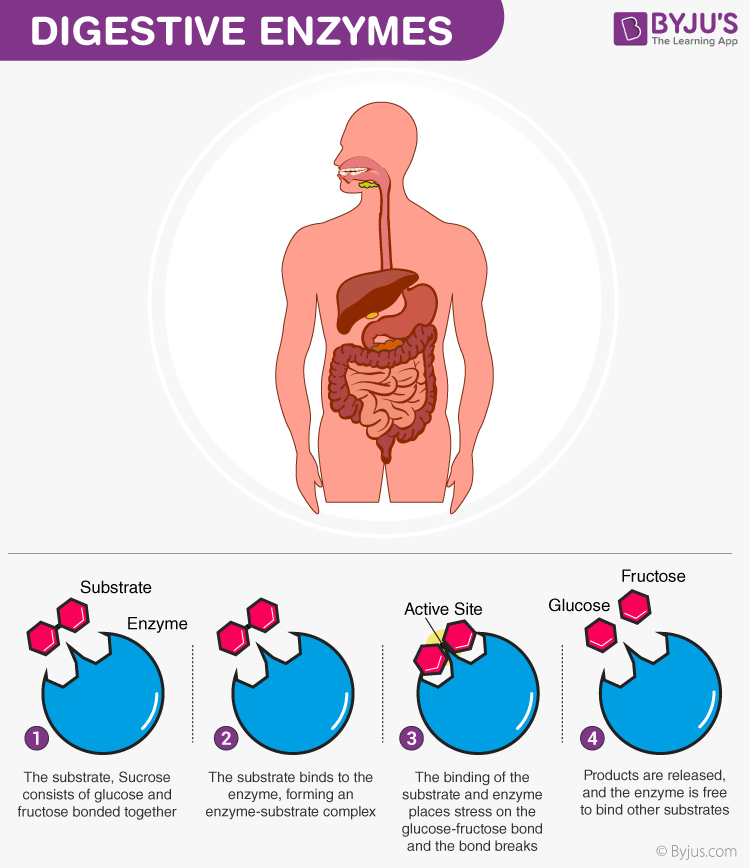
The efficiency of an enzyme is dictated by its unique structure. Each enzyme contains a specific region known as the active site. This site is perfectly shaped to accommodate a specific substrate, which is the molecule the enzyme acts upon. This is often referred to as the “lock and key” model. When the substrate enters the active site, it forms an enzyme-substrate complex. The enzyme then modifies the substrate, transforming it into a new product, and releases it, remaining unchanged and ready to catalyze the next reaction.
Factors Affecting Enzyme Efficiency
Enzymes are highly sensitive to their environment. Their functionality depends heavily on two primary factors: temperature and pH levels. Each enzyme has an optimal range where it performs most effectively. For instance, digestive enzymes in the stomach, such as pepsin, require a highly acidic environment to function. If the pH shifts significantly, the protein structure of the enzyme may denature—essentially unfolding and losing its shape—which renders it useless. Similarly, while moderate heat increases molecular movement and reaction speed, excessive heat will permanently deactivate these vital proteins.
Enzymes in the Digestive System: The Foundation of Fuel
Perhaps the most recognizable role of enzymes is in the digestive tract. Digestion is a complex series of chemical breakdowns that convert macronutrients—carbohydrates, proteins, and fats—into absorbable units that the body can use for fuel, repair, and growth.
Carbohydrate and Fat Breakdown
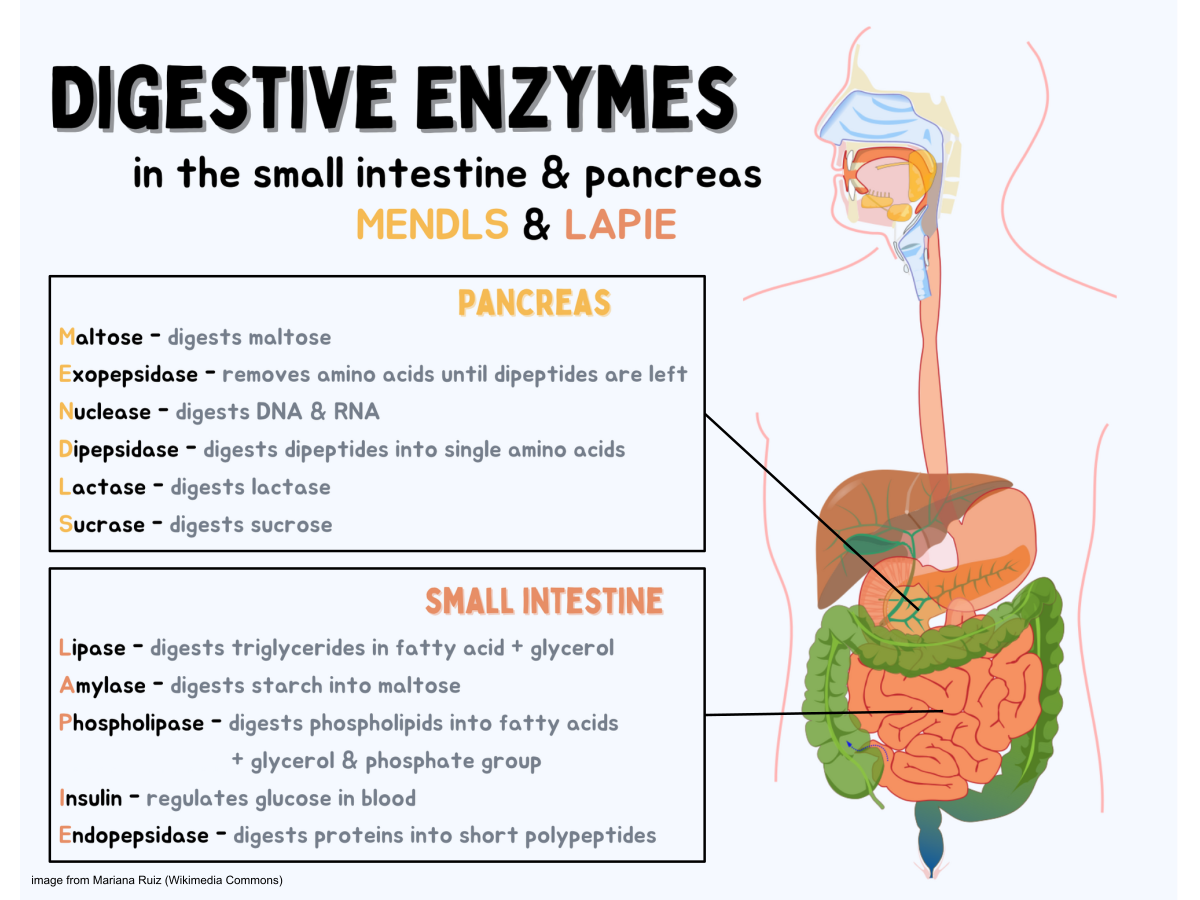
Digestion begins in the mouth with salivary amylase, an enzyme that breaks down complex starches into simpler sugars. As food moves into the small intestine, the pancreas releases a suite of enzymes to continue the work. Lipase, for example, is essential for the digestion of dietary fats. By breaking triglycerides down into fatty acids and glycerol, lipase ensures that the body can absorb the dense energy stores found in lipids, which are vital for cell membrane integrity and hormone production.
Proteolytic Enzymes and Protein Synthesis
Protein digestion is a rigorous process handled primarily by proteases. These enzymes break the long, coiled chains of amino acids that make up dietary protein into individual amino acids. Once these amino acids enter the bloodstream, they are transported to cells where they are reassembled into new structures. From building muscle fibers to creating antibodies that fight infection, protein synthesis is entirely dependent on the initial degradation performed by digestive enzymes.
Metabolic and Cellular Enzymes: The Body’s Internal Engine
Beyond the gut, thousands of other enzymes work tirelessly within our cells to maintain homeostasis. These metabolic enzymes are responsible for the “building up” (anabolism) and “breaking down” (catabolism) of substances required for cellular health.
ATP Production and Energy Currency
The most vital process in the human body is cellular respiration, which produces adenosine triphosphate (ATP). ATP is the primary energy currency of the cell. A sequence of enzymes, including those involved in the Krebs cycle, facilitates the breakdown of glucose to generate ATP. Without this enzymatic chain reaction, cells would lack the energy required for muscle contraction, nerve impulse transmission, and the active transport of molecules across cell membranes.
DNA Replication and Repair
Enzymes are also the guardians of our genetic code. DNA polymerase is an enzyme responsible for copying DNA during cell division, ensuring that each new cell receives an accurate set of instructions. Equally important are repair enzymes, which constantly patrol the genome to identify and fix damage caused by radiation, toxins, or oxidative stress. These enzymes prevent mutations that could lead to cellular dysfunction or malignancy, acting as a critical safeguard against disease.
The Clinical and Diagnostic Significance of Enzymes
Because enzymes are so specific to certain organs and tissues, they have become invaluable tools in modern medicine. Doctors frequently measure the levels of specific enzymes in the bloodstream to diagnose health conditions and monitor organ function.
Biomarkers for Organ Health
When cells are damaged, they often leak their internal enzymes into the circulatory system. Elevated levels of specific enzymes can serve as clear “biomarkers” for injury. For example, high levels of cardiac troponin or creatine kinase in the blood are classic indicators of cardiac tissue damage, such as a heart attack. Similarly, elevated liver enzymes, such as alanine aminotransferase (ALT), provide doctors with insights into liver stress or inflammation. By analyzing these enzymatic shifts, medical professionals can detect pathologies long before physical symptoms become apparent.
Therapeutic Potential and Supplementation
In addition to their diagnostic role, enzymes are increasingly used in therapeutic settings. Enzyme replacement therapy (ERT) has revolutionized the treatment of various metabolic disorders, where a patient’s body is unable to produce a specific, necessary enzyme. By introducing a functional version of the missing enzyme, doctors can mitigate the systemic damage caused by metabolic waste accumulation. Furthermore, the use of systemic enzymes as anti-inflammatory supplements is a growing field, with ongoing research investigating their ability to support recovery after injury and improve circulation by reducing the viscosity of the blood.
Sustaining Enzymatic Harmony
The human body is an extraordinary system of integrated chemical reactions. The versatility of enzymes—from the mouth to the mitochondria—allows us to extract the maximum utility from our environment. As we age, our natural production of certain enzymes may decline, which can lead to digestive discomfort or reduced metabolic efficiency. Maintaining a lifestyle that supports enzymatic health involves eating nutrient-dense, whole foods that provide the necessary cofactors—such as vitamins and minerals—that enzymes need to function optimally.
By viewing the body not just as a collection of bones and muscles, but as a dynamic, enzyme-driven chemical landscape, we gain a deeper appreciation for the fragility and resilience of human life. These microscopic proteins are the workhorses of existence, silently orchestrating the rhythms of our heart, the clarity of our thoughts, and the structural integrity of our being. Protecting and supporting this internal enzymatic network is, in many ways, the key to longevity and peak physiological performance.
aViewFromTheCave is a participant in the Amazon Services LLC Associates Program, an affiliate advertising program designed to provide a means for sites to earn advertising fees by advertising and linking to Amazon.com. Amazon, the Amazon logo, AmazonSupply, and the AmazonSupply logo are trademarks of Amazon.com, Inc. or its affiliates. As an Amazon Associate we earn affiliate commissions from qualifying purchases.