
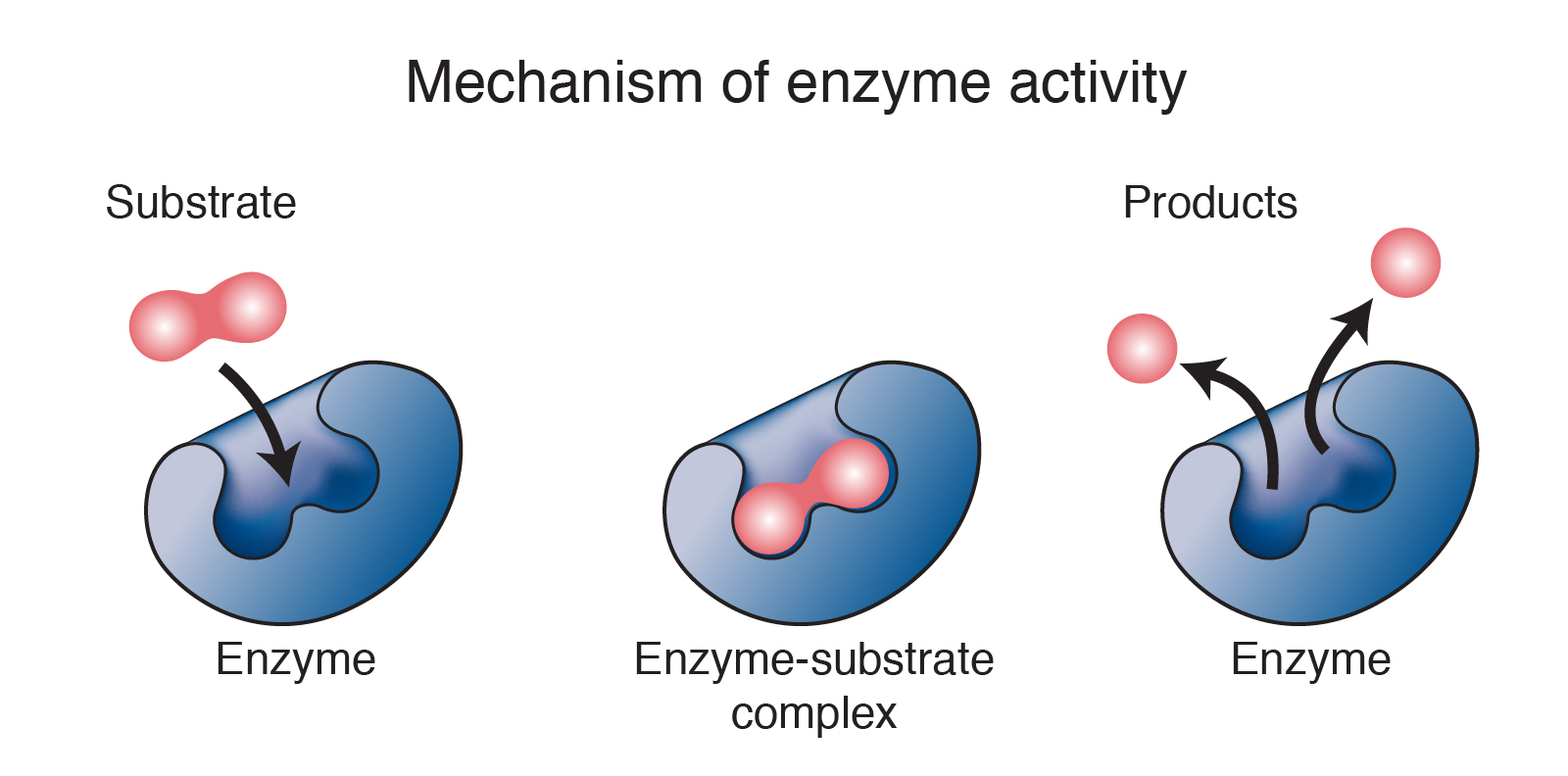
Enzyme biology, at its core, delves into the fascinating world of proteins that act as biological catalysts, accelerating virtually every biochemical reaction within living organisms. From digestion and metabolism to DNA replication and energy production, enzymes are the molecular workhorses that sustain life. Understanding “what is enzyme biology” is not merely an academic exercise; it’s a deep dive into the foundational mechanisms that power all biological systems, and increasingly, the technological innovations that are reshaping medicine, industry, and environmental solutions. In today’s landscape, the study and application of enzyme biology are thoroughly intertwined with cutting-edge technology, from advanced computational models to sophisticated biotechnological tools.
The Digital Lens: Leveraging Technology for Enzyme Discovery and Understanding
The intricate world of enzymes, with their complex three-dimensional structures and highly specific functions, would remain largely unexplored without the transformative power of modern technology. The sheer volume of biological data generated requires sophisticated digital tools to process, analyze, and interpret, making technology an indispensable partner in enzyme discovery and understanding.
Bioinformatics and Computational Biology
The advent of high-throughput sequencing and proteomics has unleashed an avalanche of data concerning enzyme sequences, structures, and expression patterns. Bioinformatics stands as the crucial bridge, using computational methods to manage and make sense of this data. Specialized software and algorithms are employed to:
-
Sequence Analysis: Identify conserved domains, predict active sites, and infer evolutionary relationships between enzymes. Tools like BLAST (Basic Local Alignment Search Tool) allow researchers to compare novel enzyme sequences against vast databases of known enzymes, providing critical clues about their potential function.
-
Structural Prediction and Modeling: Enzymes’ activity is intimately linked to their precise 3D structure. Computational biology leverages techniques like homology modeling, protein folding algorithms (e.g., AlphaFold, Rosetta), and molecular dynamics simulations to predict enzyme structures from their amino acid sequences. These digital models offer insights into how enzymes bind to their substrates, undergo conformational changes, and facilitate reactions, guiding experimental design and engineering efforts.
-
Enzyme Kinetics Simulation: Software allows for the simulation of enzyme reaction pathways, predicting reaction rates under various conditions, and even modeling complex metabolic networks. This predictive capability reduces the need for extensive wet-lab experimentation, accelerating the discovery of optimal conditions for enzyme activity.
AI-Driven Enzyme Engineering
Artificial intelligence, particularly machine learning, is revolutionizing enzyme engineering, moving beyond traditional trial-and-error approaches. AI tools are capable of sifting through massive datasets of enzyme variants and their properties, identifying patterns that are imperceptible to human analysis. This enables:
-
Directed Evolution Optimization: While directed evolution involves mimicking natural selection in a laboratory setting to create enzymes with enhanced properties (e.g., higher activity, stability, or specificity), AI can guide this process. Machine learning algorithms can predict which mutations are most likely to yield desirable traits, drastically reducing the number of variants that need to be screened.
-
De Novo Enzyme Design: AI is increasingly being used to design enzymes from scratch (de novo design) for specific catalytic functions that do not exist naturally. By understanding the principles of protein folding and catalysis, AI models can generate novel protein sequences predicted to adopt a desired structure and catalyze a particular reaction. This holds immense promise for creating enzymes tailored for specific industrial or therapeutic applications.
-
Automated Experimentation and Robotics: AI is also integrated with robotic platforms for high-throughput screening and automated laboratory experimentation. These systems can perform thousands of experiments, analyze data, and even suggest next steps without human intervention, accelerating the pace of enzyme discovery and optimization.
Enzymes as Biotech Powerhouses: Industrial and Medical Applications
The profound understanding of enzyme biology, facilitated by technology, has translated into a wide array of practical applications across various sectors. Enzymes are no longer confined to the cell; they are critical components in manufacturing, diagnostics, and therapeutics.
Biocatalysis in Manufacturing
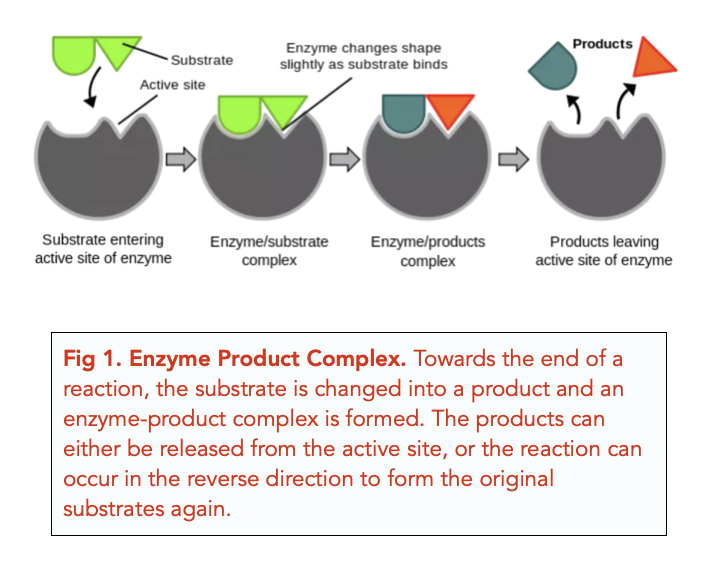
Enzymes’ specificity, efficiency, and ability to function under mild conditions make them ideal “green” catalysts for industrial processes, offering significant advantages over traditional chemical synthesis methods. This domain, known as biocatalysis, is a rapidly growing area within industrial biotechnology.
-
Pharmaceutical Production: Enzymes are used to synthesize chiral drug intermediates, enabling the production of single enantiomers (forms of molecules that are mirror images of each other) crucial for drug efficacy and safety. This reduces waste and improves selectivity, as seen in the production of blockbuster drugs like Lipitor.
-
Food and Beverage Industry: Enzymes are central to various food processing applications. Amylases are used in bread-making to improve dough quality, proteases tenderize meat, and lactase enables the production of lactose-free dairy products. They are also used in brewing, winemaking, and fruit juice clarification.
-
Textile and Detergent Industries: Proteases, lipases, and cellulases are incorporated into laundry detergents to break down stains. In textiles, enzymes are used for denim finishing (stone washing effect), desizing, and bio-polishing, offering environmentally friendlier alternatives to harsh chemicals.
-
Biofuel Production: Cellulolytic enzymes are essential for breaking down cellulosic biomass into fermentable sugars, a crucial step in the production of second-generation biofuels like bioethanol.
Diagnostic Technologies and Therapeutic Innovations
In medicine, enzymes serve as invaluable tools for both diagnosing diseases and developing novel treatments. Their high specificity allows for precise detection and targeted intervention.
-
Diagnostic Assays: Enzyme-linked immunosorbent assay (ELISA) is a widely used diagnostic tool for detecting antibodies, antigens, and hormones. Enzyme-based biosensors are employed in glucose meters for diabetes management, providing rapid and accurate readings. Molecular diagnostic kits often utilize enzymes like DNA polymerase for PCR (Polymerase Chain Reaction) to amplify DNA, enabling the detection of pathogens or genetic mutations.
-
Enzyme Replacement Therapies (ERT): For individuals with genetic disorders where a specific enzyme is deficient or non-functional (e.g., lysosomal storage diseases like Gaucher’s or Fabry disease), ERT involves administering synthetic versions of the missing enzyme. Advanced biomanufacturing technologies are crucial for producing these therapeutic enzymes at scale and purity.
-
Enzymes in Gene Editing: Enzymes like CRISPR-Cas9 have revolutionized gene editing, allowing for precise modifications to DNA sequences. This technology holds immense promise for correcting genetic defects and developing new gene therapies for a wide range of diseases.
-
Anti-cancer Therapies: Enzymes can be engineered to target and degrade specific molecules or pathways in cancer cells, minimizing harm to healthy tissues. For example, some enzymes are used to deplete circulating amino acids essential for cancer cell growth.
The Future of Enzymatic Tech: Trends and Innovations
The synergy between enzyme biology and technology is continually evolving, pushing the boundaries of what’s possible. Several emerging trends promise to unlock even greater potential from these molecular machines.
Synthetic Biology and De Novo Enzyme Design
Synthetic biology aims to design and construct new biological parts, devices, and systems, as well as to redesign existing natural biological systems. In the context of enzyme biology, this means:
-
Building Custom Bioreactors: Designing entire microbial systems or cellular factories that produce desired enzymes or use engineered enzymes to perform specific transformations.
-
Designing Novel Enzymes from Scratch: Beyond optimizing existing enzymes, the ultimate goal is to create enzymes with entirely new functions not found in nature, tailored for specific industrial or therapeutic challenges. This involves sophisticated computational design, high-throughput gene synthesis, and advanced characterization platforms.
-
Cell-Free Biomanufacturing: Developing systems that utilize enzymes outside of living cells, offering greater control over reaction conditions and simplifying product purification, potentially leading to more efficient and scalable production of complex molecules.
Enzyme-Based Biosensors and Nanotechnology
The integration of enzymes with nanotechnology is leading to the creation of highly sensitive and selective biosensors with a multitude of applications.
-
Enhanced Sensitivity and Miniaturization: Nanomaterials like nanoparticles, nanotubes, and graphene can be used to immobilize enzymes, increasing their stability and catalytic efficiency, while also enabling the creation of miniaturized biosensors for point-of-care diagnostics or environmental monitoring.
-
Smart Nanosystems for Drug Delivery: Enzymes can be incorporated into nanoparticles that act as smart drug delivery systems, programmed to release their therapeutic payload only at specific sites (e.g., cancerous tumors) in response to enzymatic triggers present in the disease microenvironment.
-
Biofuel Cells: Enzymes are being explored for their potential in miniature biofuel cells, where they can catalyze electrochemical reactions to convert biochemical energy directly into electrical energy, powering implantable medical devices or small electronics.

Addressing Challenges: Digital Security and Ethical Considerations in Biotech
As enzyme biology becomes increasingly integrated with advanced technology, new challenges emerge, particularly concerning digital security and ethical implications.
-
Data Security and Intellectual Property: The vast amounts of proprietary data generated from enzyme discovery, engineering, and application are highly valuable. Ensuring the digital security of bioinformatics databases, computational models, and experimental results is paramount to protect intellectual property and prevent industrial espionage. Robust cybersecurity measures are essential to safeguard these digital assets.
-
Ethical Oversight of Engineered Organisms: The ability to engineer enzymes and integrate them into synthetic biological systems raises ethical questions. For instance, the creation of novel organisms with enhanced enzymatic capabilities could have unintended ecological consequences if released into the environment. Rigorous regulatory frameworks and ethical guidelines are necessary to ensure responsible innovation.
-
Bias in AI-Driven Design: As AI plays a larger role in enzyme design and drug discovery, it’s crucial to address potential biases in the training data that could lead to suboptimal or inequitable outcomes. Ensuring fairness and transparency in AI algorithms is a growing concern in biotechnology.
-
Dual-Use Dilemmas: Powerful biotechnologies, including advanced enzyme engineering, can have both beneficial and harmful applications. The potential for “dual-use” of technologies (e.g., creating enzymes for bioweapons or toxins) necessitates vigilance and robust international oversight to prevent misuse.
In conclusion, “what is enzyme biology” is a question that, in the 21st century, cannot be fully answered without acknowledging the profound and symbiotic relationship it shares with technology. From deciphering the secrets of life’s catalysts through AI and bioinformatics to harnessing their power for industrial, medical, and environmental solutions, enzymes are at the forefront of biotechnological innovation. As technology continues to advance, the potential for enzyme biology to transform our world will only grow, demanding not only scientific ingenuity but also careful consideration of ethical implications and digital security.
aViewFromTheCave is a participant in the Amazon Services LLC Associates Program, an affiliate advertising program designed to provide a means for sites to earn advertising fees by advertising and linking to Amazon.com. Amazon, the Amazon logo, AmazonSupply, and the AmazonSupply logo are trademarks of Amazon.com, Inc. or its affiliates. As an Amazon Associate we earn affiliate commissions from qualifying purchases.