
In the intricate landscape of modern organizations, technology is no longer merely a supporting function but a strategic imperative. As businesses navigate digital transformation, cloud adoption, artificial intelligence integration, and an ever-evolving threat landscape, the role of the Enterprise Architect (EA) has emerged as critical. Far from being a niche technical position, the Enterprise Architect acts as a strategic bridge, translating business vision into actionable technological roadmaps and ensuring that an organization’s IT infrastructure and applications are perfectly aligned with its overarching goals.
Defining the Enterprise Architect Role
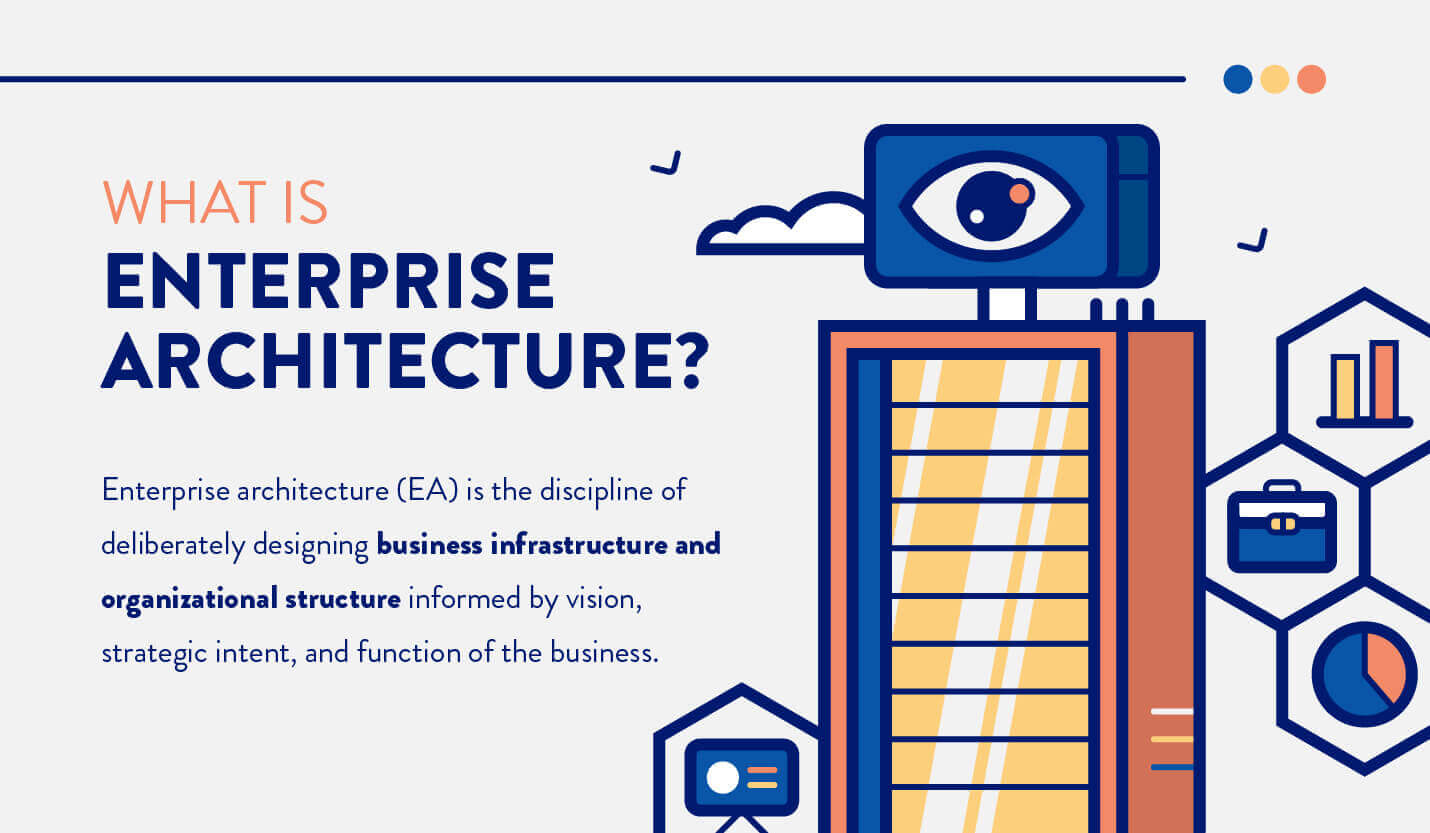
An Enterprise Architect is a seasoned professional responsible for the holistic view of an organization’s IT systems, processes, and information flow. Their primary objective is to design and govern an integrated, resilient, and adaptable enterprise architecture that supports business strategy, drives innovation, and optimizes operational efficiency. This isn’t merely about understanding specific technologies; it’s about comprehending how disparate systems interact, how data flows across the organization, and how technology choices impact business capabilities and outcomes.

Unlike solution architects who focus on specific projects or technical architects who delve deep into particular technology stacks, the Enterprise Architect maintains a broad, enterprise-wide perspective. They are tasked with seeing the “forest for the trees,” ensuring that individual initiatives contribute to a cohesive and sustainable architectural vision. This involves a blend of technical expertise, business acumen, and strong communication skills to articulate complex architectural concepts to diverse stakeholders, from C-suite executives to development teams.
The EA role requires a strategic mindset, moving beyond day-to-day technical troubleshooting to long-term planning. They anticipate future technology trends, assess their potential impact on the business, and guide the organization in making informed decisions about technology investments and adoption. Their work lays the groundwork for sustainable growth, risk mitigation, and the efficient delivery of value through technology.
The Core Responsibilities of an Enterprise Architect
The duties of an Enterprise Architect are multifaceted, demanding a unique combination of strategic foresight, technical knowledge, and organizational influence. Their responsibilities span several critical domains within an organization’s technology ecosystem.
Strategic Planning & Alignment
At the heart of an EA’s role is the alignment of technology strategy with business objectives. This involves developing and maintaining the enterprise architectural vision, principles, and standards. EAs work closely with business leaders to understand strategic goals, translate them into technological requirements, and create comprehensive architectural roadmaps. They define how technology can enable new business capabilities, improve existing processes, and provide a competitive edge. This often includes mapping business capabilities to IT systems, identifying gaps, and proposing strategic initiatives to bridge them. They also play a crucial role in enterprise-level technology selection, ensuring that chosen solutions support long-term goals and integrate seamlessly with the existing landscape.
Architecture Governance & Standards
Enterprise Architects are instrumental in establishing and enforcing architectural governance. This means defining the rules, principles, and guidelines that dictate how technology solutions are designed, built, and implemented across the organization. They create architectural patterns, reference models, and standard operating environments to promote consistency, reusability, and maintainability. Through design reviews and architectural decision-making processes, EAs ensure that projects adhere to these standards, mitigate technical debt, and comply with regulatory requirements and security policies. This governance ensures that the enterprise architecture remains coherent, secure, and robust over time.
Technology Landscape Management
Managing the complexity of an organization’s technology landscape is another key responsibility. EAs perform technology assessments, evaluate emerging technologies, and provide recommendations on their adoption or rejection. They are often involved in portfolio rationalization, identifying redundant systems, consolidating platforms, and modernizing legacy applications to reduce operational costs and improve agility. This also extends to managing the lifecycle of technology components, from planning and acquisition to deployment, maintenance, and eventual retirement, ensuring that the technology stack remains current and performs optimally.
Stakeholder Communication & Collaboration
Given the broad scope of their role, Enterprise Architects must be exceptional communicators and collaborators. They act as a central point of contact between various departments, including business units, IT operations, development teams, security teams, and executive leadership. They translate complex technical concepts into understandable business language for non-technical stakeholders and distill business requirements into actionable technical specifications for engineers. Their ability to influence, negotiate, and build consensus across different organizational levels is paramount to driving architectural change and ensuring successful technology adoption.
Key Skills and Competencies for Enterprise Architects
The effectiveness of an Enterprise Architect hinges on a diverse skill set that bridges the gap between technology and business strategy.
Technical Acumen
While not necessarily hands-on coders, EAs must possess a broad and deep understanding of various technology domains. This includes expertise in infrastructure (cloud, on-premises, networking), software development methodologies (Agile, DevOps), data management (databases, analytics, AI/ML platforms), cybersecurity principles, enterprise applications (ERPs, CRMs), and integration patterns. They need to understand the capabilities and limitations of different technologies to make informed architectural decisions and guide technical teams effectively.
Business Savvy
A strong grasp of the organization’s business model, industry trends, market dynamics, and competitive landscape is crucial. EAs must understand how the business operates, its revenue streams, customer journeys, and strategic objectives. This enables them to align technology solutions directly with business value, identify opportunities for technological innovation, and articulate the business impact of architectural choices. Financial literacy is also important to understand ROI, TCO, and budget constraints related to technology investments.
Communication & Leadership
Excellent verbal and written communication skills are non-negotiable. EAs frequently present complex architectural designs and strategies to executive management, requiring the ability to articulate value, risks, and trade-offs clearly and concisely. They must also be skilled in facilitation, negotiation, and conflict resolution to align diverse stakeholders with a common architectural vision. Leadership qualities, including the ability to influence without direct authority and inspire confidence, are essential for driving enterprise-wide change.
Analytical & Problem-Solving
Enterprise Architects deal with highly complex, interconnected systems and business challenges. They must possess strong analytical skills to break down intricate problems, identify root causes, evaluate multiple solution options, and predict potential impacts. Strategic thinking, critical thinking, and a systems-thinking approach are vital for designing robust, scalable, and future-proof architectures. They must be adept at evaluating trade-offs between speed, cost, quality, and risk.
The Impact and Value of Enterprise Architecture
The establishment and continuous evolution of a robust enterprise architecture, led by skilled EAs, delivers significant value to an organization across multiple dimensions.
Driving Business-IT Alignment
Perhaps the most fundamental impact of enterprise architecture is its ability to synchronize business strategy with IT execution. By creating a clear mapping between business capabilities and the underlying technology, EAs ensure that every technology investment and initiative directly supports organizational objectives. This prevents “shadow IT,” reduces redundant efforts, and ensures that technology spending delivers maximum strategic value, moving IT from a cost center to a true business enabler.
Reducing Complexity & Risk
Modern IT environments are inherently complex. Enterprise Architects combat this by standardizing technologies, consolidating applications, simplifying system integrations, and enforcing architectural principles. This reduction in complexity leads to easier maintenance, improved system stability, and faster incident resolution. Furthermore, EAs embed security, compliance, and resilience into the architectural design from the outset, significantly mitigating operational, security, and regulatory risks. They provide a clear understanding of interdependencies, allowing for more effective impact analysis during changes or incidents.
Enhancing Agility & Innovation
A well-architected enterprise provides the flexibility and adaptability necessary for rapid innovation and market responsiveness. By designing modular, loosely coupled systems and promoting API-led connectivity, EAs enable organizations to quickly integrate new technologies, adapt to changing business requirements, and launch new products or services. They foster an environment where technology can be leveraged as an accelerator for digital transformation, rather than a bottleneck, allowing businesses to pivot and capitalize on emerging opportunities with greater speed.
Optimizing Costs & Efficiency
Through standardization, consolidation, and strategic technology choices, Enterprise Architects contribute directly to cost optimization. They identify and eliminate redundant systems, negotiate favorable technology contracts based on long-term architectural plans, and improve the efficiency of IT operations. By designing scalable and resilient architectures, they reduce the likelihood of costly outages and performance issues, ensuring that IT resources are utilized effectively and sustainably. This proactive management of the technology estate leads to lower total cost of ownership (TCO) over the long term.
Evolution and Future of Enterprise Architecture
The field of Enterprise Architecture is dynamic, continuously adapting to new technological paradigms and business demands. Historically focused on on-premises systems and rigid planning cycles, EA has evolved to embrace the agility and fluidity required in the digital age.
Today, EAs are increasingly involved in cloud-native architectures, microservices, containerization, and serverless computing, moving away from monolithic designs. The rise of Artificial Intelligence, Machine Learning, and Big Data analytics has placed a new emphasis on data architecture and the ethical considerations surrounding AI implementation. Cybersecurity is no longer an afterthought but an integral part of architectural design, with EAs playing a key role in building secure-by-design systems.
Looking ahead, the Enterprise Architect will continue to be a crucial orchestrator of digital transformation. The role will likely become even more strategic, emphasizing continuous architecture over static blueprints, promoting product-centric architecture, and focusing on business outcomes rather than just technical artifacts. EAs will need to master emerging technologies like quantum computing, advanced automation, and edge computing, while simultaneously deepening their understanding of human-centered design and sustainability principles. Their ability to bridge the gap between rapidly advancing technology and evolving business models will define the success of organizations in the next era of digital innovation.
aViewFromTheCave is a participant in the Amazon Services LLC Associates Program, an affiliate advertising program designed to provide a means for sites to earn advertising fees by advertising and linking to Amazon.com. Amazon, the Amazon logo, AmazonSupply, and the AmazonSupply logo are trademarks of Amazon.com, Inc. or its affiliates. As an Amazon Associate we earn affiliate commissions from qualifying purchases.