
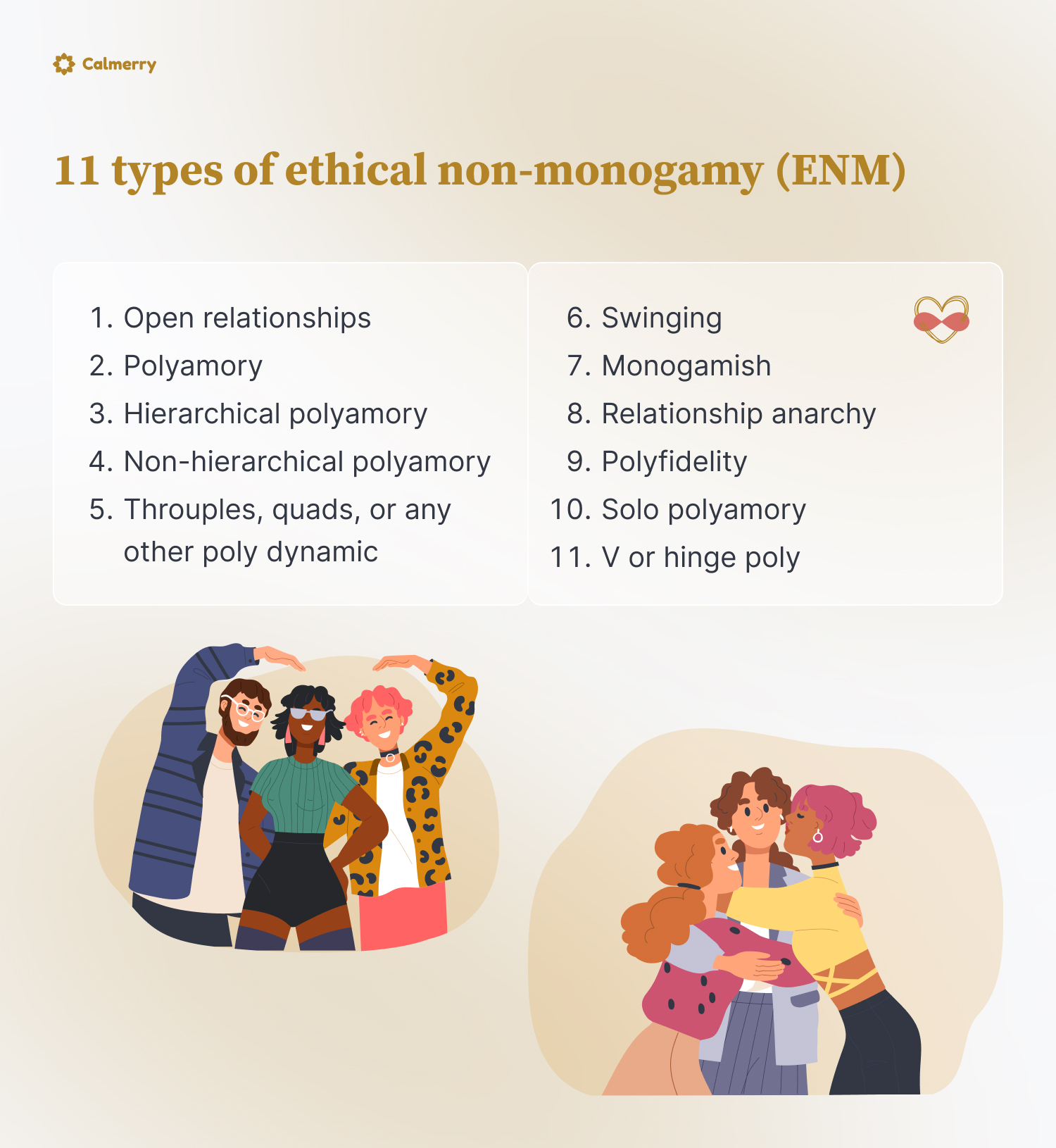
Ethical Non-Monogamy (ENM) refers to a broad spectrum of relationship structures where individuals openly and consensually engage in multiple romantic, sexual, or intimate relationships. While the term “ENM marriage” might seem like a contradiction to some who associate marriage solely with monogamy, it often signifies a committed, primary partnership (whether legally recognized or socially agreed upon) within an ethically non-monogamous framework. From a purely financial perspective, the integration of ENM principles into a partnership, particularly one that mirrors the commitments of marriage, introduces a unique set of considerations that diverge significantly from traditional monogamous financial planning. This requires a proactive, transparent, and often more complex approach to personal finance, asset management, and estate planning.
The Financial Landscape of Ethically Non-Monogamous Relationships
Understanding the financial implications of ENM marriage necessitates looking beyond the conventional two-person household model. The presence of multiple partners, differing levels of financial entanglement, and varying commitments among individuals can create intricate financial ecosystems. Financial planning in an ENM context isn’t just about managing shared expenses; it’s about establishing clear boundaries, expectations, and agreements that protect all parties involved, regardless of their legal or social standing within the polycule (a network of people in non-monogamous relationships).
Defining Financial Nuances in ENM
At its core, ENM prioritizes communication, consent, and transparency. These principles extend directly to financial matters. Unlike traditional marriages where finances often merge by default, ENM relationships demand explicit discussions about income, assets, debts, and spending habits from the outset. This isn’t merely good practice; it’s a necessity to prevent misunderstandings and protect individual financial autonomy while navigating shared responsibilities. The “marriage” aspect in ENM marriage usually signifies a core, primary partnership where some financial merging might occur, but even then, the existence of other partners requires a broader financial lens.
Beyond the Traditional Two-Person Budget
A conventional household budget typically involves two incomes and two sets of expenses. In an ENM structure, particularly one involving multiple partners living together or significantly contributing to a shared lifestyle, budgeting becomes a multi-variable equation. Considerations might include:
- Income Streams: Are all incomes pooled, partially pooled, or kept separate?
- Shared Expenses: How are rent/mortgage, utilities, groceries, and household maintenance distributed among all contributing parties?
- Individual Expenses: How are personal discretionary spending, debts, and savings managed without impacting shared financial goals?
- Relationship-Specific Expenses: How are costs associated with dates, travel, or gifts for each relationship handled to avoid perceived favoritism or financial strain?
The complexity escalates with the number of financially contributing individuals and the differing levels of commitment they hold within the broader relationship network.
Key Financial Considerations for ENM Partnerships
The specific financial arrangements in an ENM marriage can vary wildly, from fully integrated finances in a primary partnership with strict financial independence for other relationships, to intricate systems of shared funds across multiple partners. Regardless of the chosen model, several key areas demand careful consideration.
Joint Accounts vs. Separate Finances
The decision to use joint accounts, maintain separate finances, or employ a hybrid model is critical.
- Separate Finances: Each partner maintains their own bank accounts, investments, and credit. Shared expenses are typically handled through contributions to a joint household account or by direct payment allocations. This approach maximizes financial autonomy but requires meticulous tracking of shared costs.
- Joint Accounts (for a primary pair): A legally married ENM couple might maintain joint accounts for shared household expenses, savings, and investments, much like monogamous couples. However, they must also factor in how their individual spending on other relationships impacts these joint funds or if separate discretionary funds are maintained for this purpose.
- Hybrid Models: Often, a combination is most practical. A primary couple might have joint accounts for core household expenses and long-term savings, while each individual maintains separate accounts for personal spending, discretionary funds, and expenses related to their other relationships. This offers a balance between shared responsibility and individual freedom.
Shared Assets and Property Ownership
This area presents significant challenges, especially for partners who are not legally married to each other.
- Real Estate: If multiple partners contribute to a mortgage or property improvements, clear legal agreements are essential. This could involve tenancy in common agreements, cohabitation agreements, or establishing a trust. These documents should outline ownership percentages, responsibilities for mortgage payments, maintenance, and the process for selling the property or one partner buying out another.
- Vehicles and Other Major Assets: Similar considerations apply to shared vehicles, high-value electronics, or business ventures. Documentation of contributions and ownership stakes is crucial.
- Asset Growth and Depreciation: Agreements should also cover how appreciation in value is shared or how depreciation affects individual contributions upon separation.
Debt Management in ENM Structures
Debt can quickly complicate any financial situation, and in ENM relationships, it requires extra layers of transparency.
- Individual Debts: Partners should fully disclose existing debts (student loans, credit card debt, personal loans) to avoid surprises. Agreements should specify whether individual debts remain solely the responsibility of that individual or if they affect the shared financial landscape.
- Shared Debts: If debts are jointly incurred (e.g., a shared mortgage or car loan for a legally married primary couple), the responsibilities are generally straightforward. However, if multiple non-married partners contribute to a shared asset that involves debt, their individual contributions and liabilities must be clearly defined in legal documents.
- Impact on Credit Scores: Be aware that joint accounts or co-signed loans can impact the credit scores of all involved parties, an important factor if partners maintain independent financial aspirations.
Child Rearing and Financial Contributions
For ENM families with children, financial planning extends to their upbringing, education, and future.
- Biological/Adoptive Parents: Legally recognized parents will have specific financial responsibilities.
- Co-Parents/Parental Figures: Non-biological or non-adoptive partners who play a significant parental role might agree to contribute financially to the children’s upbringing. These contributions, though not legally mandated, should be part of comprehensive financial agreements to ensure fairness and stability for the children.
- Education and Healthcare: Planning for college savings, healthcare costs, and extracurricular activities should involve all contributing parental figures, with clear agreements on who is responsible for what.
Structuring Finances in Multi-Partner Households
The bedrock of successful financial management in ENM marriage is comprehensive, written agreements. While not every partnership requires legal documents, any arrangement involving shared assets, significant financial contributions, or long-term commitments benefits immensely from clear articulation.

Developing a Comprehensive Financial Agreement
For the primary couple and potentially other financially intertwined partners, a formal financial agreement is highly recommended. This document can outline:
- Income sharing policies (e.g., percentage contributions to a household fund)
- Expense division for household bills, groceries, entertainment
- Savings goals and strategies (e.g., emergency fund, retirement, property down payment)
- Investment philosophies and contributions
- Protocols for discussing and making major financial decisions
- Agreements on how individual discretionary spending is handled
- Plans for financial support in case of job loss, illness, or disability for any partner.
Budgeting for Complex Households
Effective budgeting in an ENM context requires a shared understanding and a tool that can accommodate multiple inputs and outputs.
- Centralized Tracking: Utilizing budgeting software or spreadsheets that allow for categorization of shared vs. individual expenses, and contributions from multiple sources.
- Regular Financial Meetings: Schedule consistent check-ins (e.g., monthly) to review budgets, discuss upcoming expenses, and address any financial concerns.
- Categorization: Clearly define what constitutes a “shared” expense for the primary household versus “individual” or “relationship-specific” expenses for other partners.
Investment Strategies for Diverse Financial Goals
Investment planning becomes more intricate with varied individual and collective goals.
- Individual Portfolios: Each partner should generally maintain their own retirement accounts (401ks, IRAs) and personal investment portfolios.
- Shared Investment Goals: The primary couple might have joint investment accounts for long-term goals like a down payment on a house, a child’s education, or shared retirement.
- Diversified Risk Tolerance: With multiple individuals, risk tolerances may differ. Investment strategies should accommodate these differences, ensuring that collective investments align with the comfort levels of all significant contributors.
Legal and Estate Planning Implications for ENM Marriages
This is perhaps the most critical and complex area, as legal frameworks are largely built around monogamous, two-person unions. Navigating these systems requires proactive planning and often legal counsel.
Prenuptial, Postnuptial, and Cohabitation Agreements
- Prenuptial/Postnuptial Agreements: For legally married primary partners, these agreements can define how assets and debts are handled in case of divorce or death, potentially also addressing financial obligations related to other partners.
- Cohabitation Agreements: For partners living together who are not legally married, these are essential. They define property rights, financial contributions, responsibility for shared debts, and arrangements for separating assets if the relationship ends. These are crucial for non-married partners in an ENM structure who are deeply financially intertwined with a married couple or other partners.
Estate Planning: Wills, Trusts, and Beneficiary Designations
Without specific legal provisions, inheritance laws often prioritize legal spouses and blood relatives, potentially leaving non-legal partners or children of non-legal partners without financial security.
- Wills: Clearly outline who inherits assets, including specific provisions for non-legal partners or multiple partners.
- Trusts: A living trust can manage and distribute assets to beneficiaries outside of probate, offering more control over complex distributions to multiple partners or children from different relationships.
- Beneficiary Designations: Update beneficiaries on all financial accounts (life insurance, retirement accounts, investment portfolios) to reflect your wishes, ensuring that funds go to intended partners or dependents.
- Power of Attorney & Healthcare Directives: Designate who has the authority to make financial and medical decisions if you become incapacitated. This is vital in ENM relationships where a legal spouse might otherwise have automatic authority, potentially conflicting with the wishes of an incapacitated person regarding another partner.
Tax Implications for Non-Traditional Households
The U.S. tax system, like many others, primarily recognizes legally married couples and single filers.
- Married Filing Jointly/Separately: Legally married couples file as such, regardless of ENM status. This impacts their tax brackets, deductions, and credits.
- Head of Household/Single: Other partners will generally file as single or potentially head of household if they meet specific criteria with dependents.
- Gift Tax: Be mindful of the annual gift tax exclusion if significant funds or assets are regularly transferred between non-married partners, as transfers exceeding this amount could have tax implications for the giver.
- Dependency: The rules for claiming a non-biological child or non-married partner as a dependent for tax purposes are strict and should be reviewed carefully with a tax professional.
Navigating Financial Challenges and Opportunities
Financial discussions can be difficult even in monogamous relationships. In ENM contexts, the presence of multiple financial interests and varied commitments necessitates heightened communication skills and a willingness to compromise.
Addressing Financial Disparities
It’s common for partners to have different incomes, assets, and financial goals. Openly discussing these disparities and creating agreements that feel equitable to all involved is key to preventing resentment. This might involve proportional contributions to shared expenses or specific financial support agreements.
Conflict Resolution in Financial Matters
Establishing a clear process for resolving financial disagreements is crucial. This could involve regular financial check-ins, agreed-upon third-party mediation, or simply a commitment to respectful and constructive dialogue until a resolution is reached.
Building Collective Wealth and Security
Despite the complexities, ENM relationships can also present opportunities for building collective wealth and security. With multiple incomes and a shared vision, partners can pool resources for larger investments, accelerate debt repayment, or achieve financial independence sooner. This requires meticulous planning and a unified approach to long-term financial goals.

Seeking Professional Financial and Legal Advice
Given the intricate nature of financial planning in ENM marriages, engaging with financial advisors, estate planning attorneys, and tax professionals who are knowledgeable about non-traditional family structures is highly recommended. These professionals can offer tailored advice, help draft necessary legal documents, and ensure that all financial arrangements are legally sound and aligned with the partners’ intentions. Proactive consultation can prevent costly disputes and provide peace of mind for all involved.
aViewFromTheCave is a participant in the Amazon Services LLC Associates Program, an affiliate advertising program designed to provide a means for sites to earn advertising fees by advertising and linking to Amazon.com. Amazon, the Amazon logo, AmazonSupply, and the AmazonSupply logo are trademarks of Amazon.com, Inc. or its affiliates. As an Amazon Associate we earn affiliate commissions from qualifying purchases.