
The word “endorphin” is thrown around a lot. You’ve probably heard it linked to “runner’s high,” “food comas,” or even that satisfying feeling after accomplishing a tough task. But what exactly are these elusive chemicals that play such a significant role in our well-being? Endorphins are more than just a buzzword; they are a fascinating aspect of our neurochemistry that profoundly impacts our mood, pain perception, and even our motivation. Understanding endorphins can unlock practical strategies for enhancing your daily life, from boosting productivity to managing stress, aligning perfectly with the core themes of technology, brand, and money.
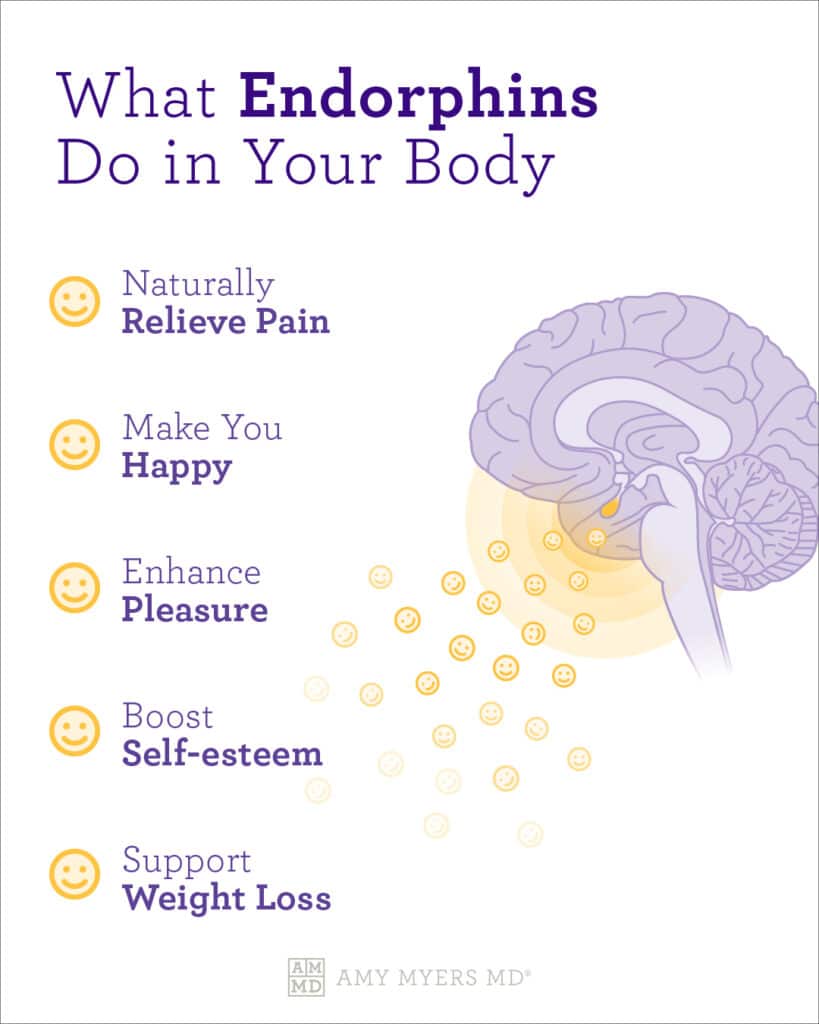
While the scientific definition is complex, we can simplify it for practical application. Endorphins are endogenous opioids, meaning they are produced naturally within our bodies and have effects similar to opiate drugs like morphine, but without the negative side effects. Their primary role is to act as natural painkillers and mood elevators. When your body experiences stress, pain, or even intense pleasure, your brain releases endorphins to counteract these sensations. They bind to opioid receptors in your nervous system, effectively blocking pain signals and inducing feelings of pleasure and euphoria.
This innate system is a testament to our biological design, an evolutionary marvel that has helped us survive and thrive. From enduring physical exertion to coping with emotional distress, endorphins are our internal pharmacy, working tirelessly to maintain balance.
The Science Behind the Smile: How Endorphins Work
The intricate dance of endorphins within our bodies is a complex biochemical process, but understanding its fundamental mechanisms can empower us to leverage its benefits. The key players are the peptides themselves, a group of neurotransmitters produced by the pituitary gland and the hypothalamus. When stimulated by specific triggers, these peptides are released into the bloodstream and cerebrospinal fluid, where they journey to various parts of the brain and spinal cord.
Endorphin Production Triggers: More Than Just Exercise
While exercise is famously associated with endorphin release, it’s far from the only catalyst. Our brains are surprisingly adept at identifying situations where these natural mood boosters are needed. Understanding these triggers allows for conscious efforts to elicit them.
Physical Activity and Exertion:
The most widely recognized trigger for endorphin release is strenuous physical activity. During prolonged or intense exercise, your body experiences stress and discomfort. In response, your brain releases endorphins to numb the pain and promote a sense of well-being, often leading to the coveted “runner’s high.” This isn’t exclusive to elite athletes; even moderate activities like brisk walking, dancing, or engaging in sports can stimulate endorphin production. The key is to push your body beyond its comfort zone, even if only slightly.
Pain and Stress Response:
Endorphins are a crucial part of our natural defense mechanism against pain and stress. When you experience physical injury or significant emotional distress, your body releases endorphins to mitigate the suffering. This is why you might not feel the full extent of an injury immediately after it occurs, or why some people can perform astonishing feats of strength and resilience in high-stress situations. While this is a survival mechanism, chronic stress can lead to a depletion of endorphin reserves, making us more susceptible to pain and negative emotions.
Pleasure and Reward:
Beyond pain relief, endorphins are also involved in our experience of pleasure and reward. Engaging in activities that bring us joy can trigger their release. This includes:
- Eating certain foods: Particularly those rich in sugar and fat, though the effect is often temporary and can be counteracted by later negative consequences. Dark chocolate, for instance, is often cited for its potential to stimulate endorphins.
- Laughter: A good belly laugh is a powerful endorphin releaser. The social and emotional release associated with genuine amusement can significantly uplift your mood.
- Sex and Orgasm: These intimate activities are potent stimulators of endorphin production, contributing to feelings of pleasure, bonding, and relaxation.
- Acupuncture and Massage: These therapeutic practices have been shown to activate endorphin pathways, offering both pain relief and a sense of calm.
- Creative Expression and Accomplishment: The satisfaction of creating something new, completing a challenging project, or achieving a personal goal can also lead to a surge of endorphins, reinforcing positive behaviors and boosting self-esteem.
The Neurochemical Cascade: How Endorphins Interact with Your Brain

Once released, endorphins embark on a journey through your nervous system. They are small peptides, meaning they are short chains of amino acids. Their structure allows them to bind to specific receptors in the brain and spinal cord, primarily the mu, delta, and kappa opioid receptors. These receptors are precisely where external opioids would attach if they were introduced into the body.
When an endorphin molecule binds to an opioid receptor, it triggers a series of downstream effects. This binding can inhibit the transmission of pain signals, effectively reducing our perception of discomfort. Simultaneously, it can activate pleasure centers in the brain, leading to feelings of euphoria, contentment, and even a sense of detachment from negative stimuli. This is the “high” that many people associate with endorphin release.
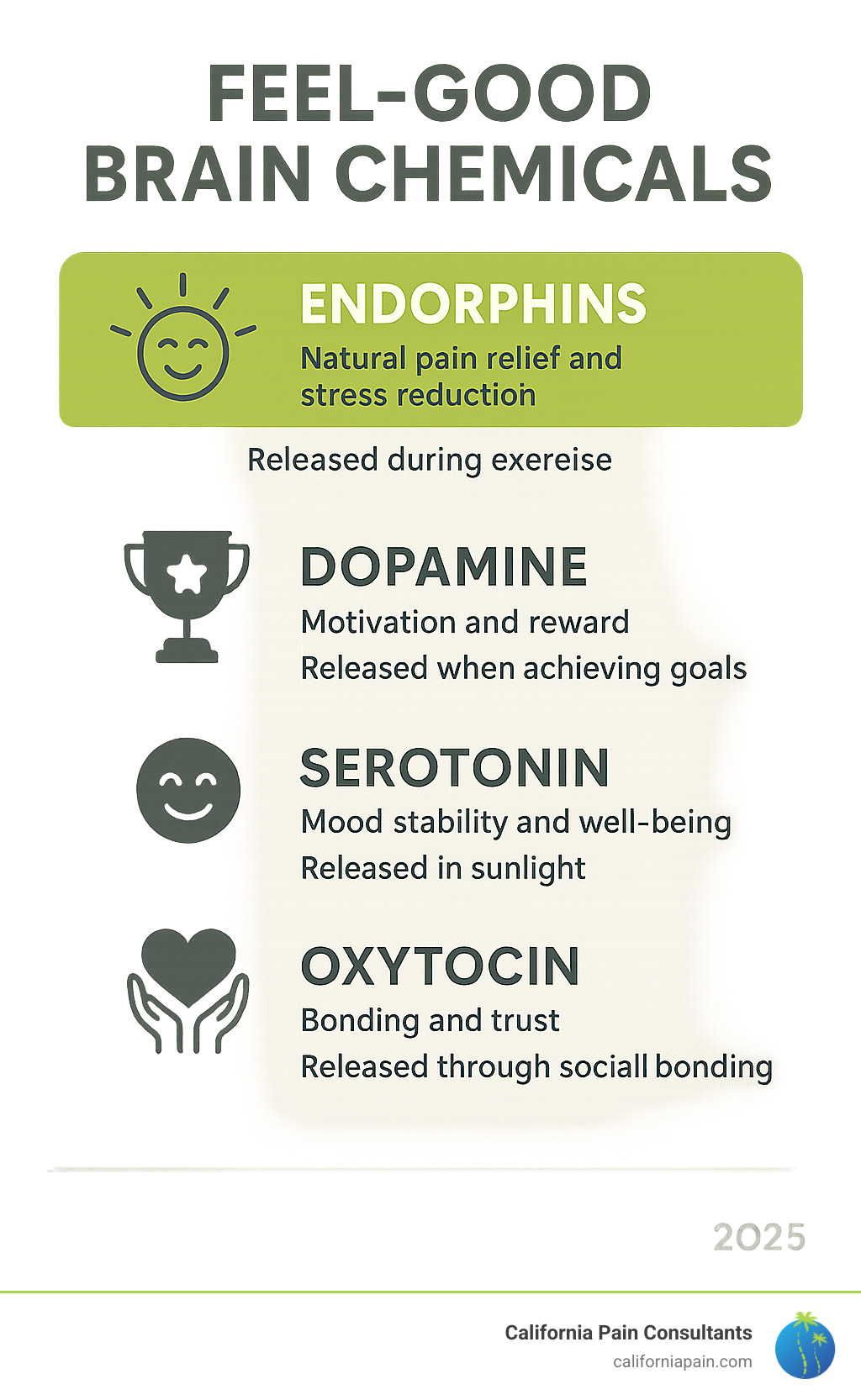
Furthermore, endorphins can influence other neurotransmitters, such as dopamine, which is heavily involved in reward and motivation. This interplay can amplify the positive effects of endorphin release, contributing to a general sense of well-being and reinforcing the behaviors that led to their production.
Harnessing Endorphins for Peak Performance and Well-being
Understanding the triggers and mechanisms of endorphin release opens up a powerful avenue for enhancing our lives, whether we’re aiming for greater productivity, building a stronger personal brand, or achieving financial success. By consciously incorporating endorphin-boosting activities into our routines, we can proactively manage our moods, increase our resilience, and unlock our full potential.
Endorphins and Technology: Optimizing Your Digital Life for Well-being
In today’s tech-driven world, it’s easy to fall into patterns that deplete our endorphin levels, leading to stress and burnout. However, technology itself can be a powerful tool for leveraging endorphins.
- Fitness Apps and Wearables: These tools can gamify exercise, making it more engaging and encouraging consistent activity that triggers endorphin release. Setting personal goals, tracking progress, and even competing with friends through these apps can provide the necessary stimulation.
- Mindfulness and Meditation Apps: While seemingly counterintuitive, practices like meditation can also influence endorphin levels by reducing stress and promoting relaxation. Guided meditations can help users achieve a state of calm that facilitates natural mood enhancement.
- Gamification in Productivity Tools: For those who find traditional work monotonous, gamified productivity apps can inject an element of fun and challenge, mimicking the reward pathways associated with endorphin release after completing tasks.
- Curated Content for Joyful Consumption: Technology allows us to easily access content that sparks joy – comedy shows, uplifting music, inspiring TED Talks. Strategically using these can provide quick endorphin boosts to combat negativity or fatigue.
- Virtual Reality (VR) for Immersive Experiences: VR can offer incredibly immersive experiences that can be both physically engaging (like VR fitness games) and emotionally stimulating, leading to significant endorphin release.
Endorphins and Brand Building: The Psychology of Positive Association
For individuals and businesses alike, understanding endorphins is crucial for building a compelling brand. A positive emotional connection is at the heart of effective branding, and endorphins are a key driver of these positive emotions.
- Creating Memorable Experiences: Brands that evoke feelings of joy, excitement, or satisfaction through their products, services, or marketing campaigns are more likely to create lasting positive associations. Think about brands that are synonymous with fun, celebration, or a sense of accomplishment. These often tap into endorphin pathways.
- The Power of Storytelling: Compelling narratives that evoke empathy, inspire hope, or create a sense of shared struggle and triumph can trigger emotional responses that include endorphin release. This is why authentic and relatable brand stories resonate so deeply.
- Customer Loyalty and Reward Programs: Offering rewards, exclusive experiences, or simply recognizing and appreciating customers can foster feelings of value and pleasure, leading to increased loyalty. These positive feedback loops reinforce the brand’s appeal.
- Personal Branding Through Passion and Purpose: Individuals who connect with their work on a deeper, passionate level often exude a natural energy and enthusiasm. This authenticity, driven by the joy and satisfaction of pursuing their purpose, is a powerful personal brand asset that can be linked to endorphin release.
- Positive Reviews and Testimonials: The act of sharing positive experiences and receiving validation from others can be a significant mood booster. Encouraging and showcasing these can contribute to a brand’s positive reputation and foster a sense of community.
Endorphins and Financial Well-being: The Emotional Landscape of Money
The pursuit of financial security and wealth can be emotionally charged. Understanding the role of endorphins can help us navigate this landscape more effectively, making better decisions and fostering a healthier relationship with money.
- The Thrill of Investment and Growth: Successful investments, reaching financial milestones, or seeing your business grow can all provide significant endorphin rushes. This can be a powerful motivator, but it’s crucial to balance this excitement with sound financial planning to avoid impulsive decisions driven by short-term euphoria.
- The Satisfaction of Financial Independence: The feeling of security and freedom that comes with achieving financial independence is a profound source of well-being. This long-term goal, when pursued with discipline and smart strategies, can lead to sustained positive emotions, a significant part of which can be attributed to the satisfaction of accomplishment and reduced stress.
- Side Hustles and Passion Projects: Engaging in side hustles or personal projects that align with your interests and passions can be incredibly rewarding. The enjoyment derived from these activities, coupled with the potential for income, can be a potent endorphin cocktail, boosting creativity and motivation.
- Budgeting as a Tool for Control and Accomplishment: While budgeting might sound tedious, mastering it and seeing tangible progress towards financial goals can be a source of deep satisfaction and a sense of control. This sense of accomplishment can trigger endorphin release, reinforcing positive financial habits.
- The Joy of Generosity: While counterintuitive to some, giving to others can also be a significant endorphin booster. Whether it’s charitable donations or helping friends and family, the act of generosity can foster feelings of connection and purpose, leading to a positive emotional return.
Conclusion: Your Inner Pharmacy for a Thriving Life
Endorphins are a remarkable biological gift, an internal system designed to enhance our experience of life. By understanding what they are, how they are produced, and the diverse triggers that elicit them, we gain the power to actively cultivate these natural mood elevators. From the strategic use of technology to the art of building a compelling brand and the disciplined pursuit of financial well-being, integrating endorphin-boosting habits into our daily lives is not just about feeling good in the moment; it’s about building resilience, fostering creativity, and ultimately, living a more fulfilling and healthier life. So, the next time you feel that surge of happiness after a good workout, a hearty laugh, or a meaningful accomplishment, remember the incredible work your body is doing – and consider how you can continue to unlock the power of your own inner pharmacy.
aViewFromTheCave is a participant in the Amazon Services LLC Associates Program, an affiliate advertising program designed to provide a means for sites to earn advertising fees by advertising and linking to Amazon.com. Amazon, the Amazon logo, AmazonSupply, and the AmazonSupply logo are trademarks of Amazon.com, Inc. or its affiliates. As an Amazon Associate we earn affiliate commissions from qualifying purchases.