
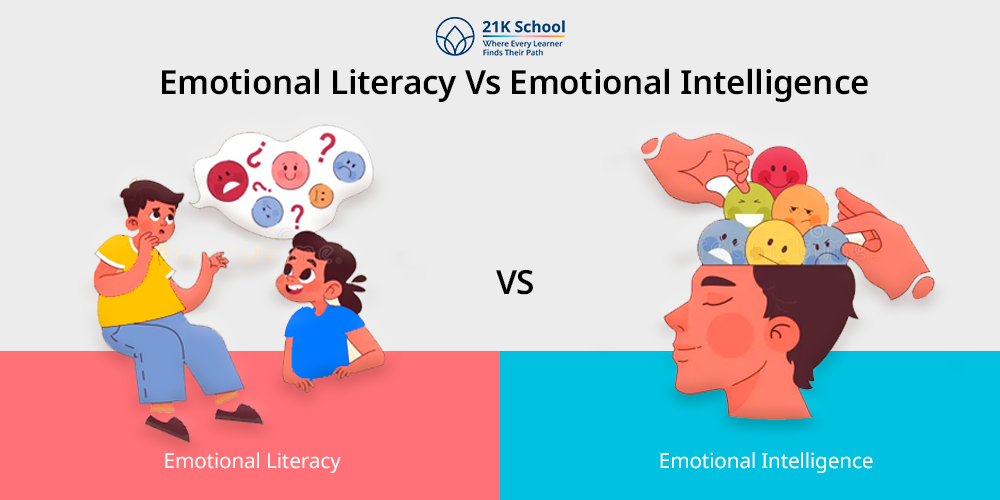
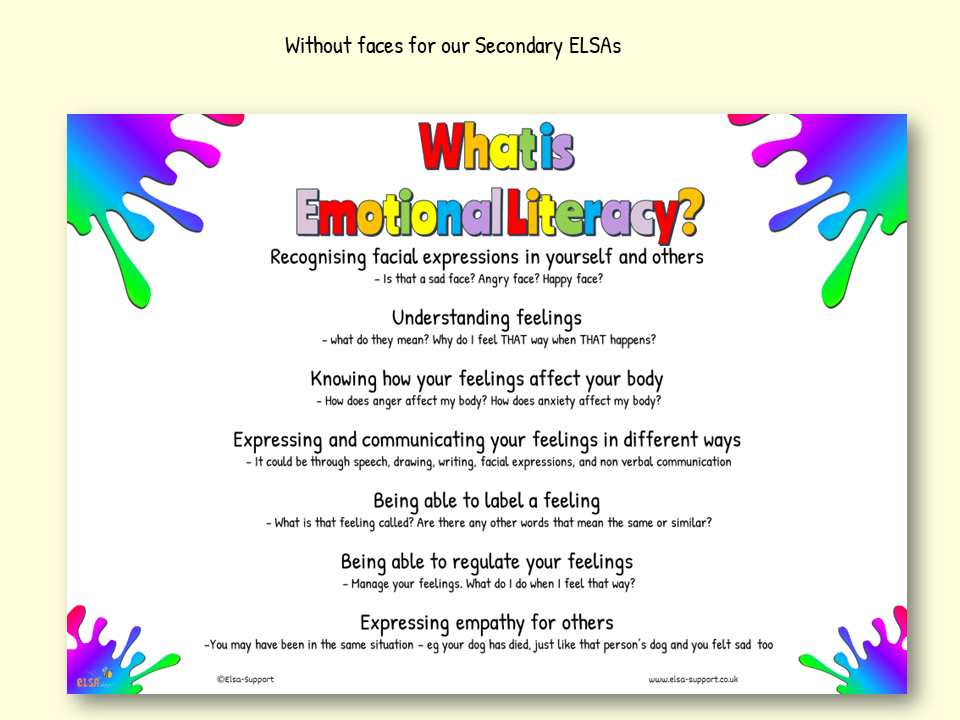
In the traditional landscape of commerce, brand strength was often measured by market share, distribution power, and advertising spend. However, as the digital marketplace becomes increasingly saturated and consumers become more discerning, a new metric has emerged as the ultimate differentiator: Emotional Literacy. While the term originated in the realm of psychology—referring to the ability to recognize, understand, and handle emotions—it has moved from the therapist’s office to the Chief Marketing Officer’s boardroom.
For a brand, emotional literacy is the capacity to accurately decode the emotional state of its audience and respond with a narrative that is not only relevant but deeply resonant. It is the bridge between a functional product and a legacy brand. In an era where consumers seek alignment with values and authenticity, emotional literacy is no longer a “soft skill” in brand strategy; it is a strategic imperative.

The Architecture of Emotional Literacy in Branding
To understand emotional literacy within a brand context, we must view it as a multi-dimensional framework. It is not merely about “being nice” or using sentimental imagery in commercials. It is a sophisticated approach to brand identity that prioritizes human connection over transactional efficiency.
From Personal Awareness to Brand Perception
A brand’s emotional literacy begins with its internal identity. Just as an individual must be self-aware to be emotionally literate, a corporation must have a clear understanding of its own values, mission, and “vibe.” This internal clarity prevents the “identity crisis” seen in many companies that chase trends at the expense of their core persona. When a brand understands its own emotional DNA, it can project a consistent image that builds trust. Trust is the baseline of any emotional connection; without it, literacy is perceived as manipulation.
Why Logic Fails Where Emotion Succeeds
Behavioral economics has long proven that humans do not make purely rational decisions. We justify our purchases with logic, but we make them based on emotion. A brand that lacks emotional literacy focuses entirely on “features and benefits”—the logic. A literate brand focuses on “feelings and belonging.” By identifying the specific emotional voids or aspirations of their target demographic, brands can position themselves as the solution to an internal state rather than just a physical need. This is the difference between selling a high-end watch and selling the feeling of “having arrived.”
Building a Brand with High Emotional Intelligence
Developing a brand that possesses high emotional intelligence (EQ) requires a shift from quantitative data obsession to qualitative human insight. It involves moving beyond “who” the customer is to “how” the customer feels.
Empathy as a Strategic Research Tool
Traditional market research often stops at demographics: age, location, and income. Emotional literacy demands empathy-led research. This involves “social listening” and ethnographic studies to understand the anxieties, joys, and frustrations of the audience. For instance, a brand selling home security isn’t just selling cameras; they are selling the “peace of mind” that comes from protecting one’s family. If the brand’s messaging focuses too much on technical specs and not enough on the emotional relief of safety, they have failed the literacy test. Empathy allows a brand to speak the language of the consumer’s inner world.
Authenticity and the Vulnerability Paradox
In the past, corporate brands were expected to be infallible, polished, and distant. Today, emotional literacy requires a degree of vulnerability. Consumers are drawn to brands that admit mistakes, take stands on social issues (even at the risk of polarizing some), and show the “human” side of their operations. This is known as the vulnerability paradox: by showing a “weakness” or a human element, the brand actually gains strength and loyalty. Authentic branding is the practice of aligning a brand’s external communications with its internal realities, ensuring there is no emotional dissonance for the consumer.
Emotional Literacy in the Customer Experience (CX)
The most critical touchpoint for emotional literacy is the customer experience. Every interaction—from a social media comment to a return process—is an opportunity to demonstrate emotional intelligence.
Anticipating the Unspoken Needs of the Audience
A truly literate brand doesn’t just react; it anticipates. By understanding the emotional journey of a customer, a brand can intervene at points of friction before the customer even articulates their frustration. For example, a luxury hotel brand that notices a guest is traveling for business might proactively offer a quiet workspace or a late-night healthy meal. This isn’t just good service; it’s an emotional recognition of the stress of business travel. When a brand “sees” the customer in this way, it creates a sense of being understood that transcends the product itself.
Crisis Management through Emotional Resonance
No brand is immune to crisis, but the emotionally literate brand survives it by responding with speed and empathy. When a company experiences a data breach or a product recall, the typical “corporate-speak” apology often exacerbates the anger of the public. An emotionally literate response acknowledges the feelings of betrayal or fear that the customers are experiencing. It prioritizes the human impact over the legal liability. By validating the customer’s emotions, the brand can begin the process of rebuilding the broken bond.
Internal Brand Identity: Emotional Literacy as Corporate Culture
A brand is not just what is sold to the public; it is the environment created for the people who build it. Employer branding is a significant component of overall brand strategy, and it relies heavily on the emotional literacy of the leadership.
Leadership, Psychological Safety, and Brand Consistency
If a brand’s external message is one of “wellness and care,” but its internal culture is one of “burnout and fear,” a catastrophic disconnect occurs. This hypocrisy eventually leaks into the customer experience. Emotional literacy in leadership involves creating “psychological safety”—an environment where employees feel safe to express ideas and take risks. When employees feel emotionally supported, they become natural ambassadors for the brand. The brand’s identity becomes lived rather than just marketed.
Attracting Talent through Shared Values
In the modern “war for talent,” high-performing individuals are looking for more than a paycheck; they are looking for alignment. They want to work for brands that demonstrate emotional literacy in their mission. A brand that communicates a clear sense of purpose and a commitment to the emotional well-being of its community will attract talent that is more engaged and more productive. This internal strength radiates outward, reinforcing the brand’s reputation as a leader in its space.
Measuring the Impact: The ROI of Empathy
The skeptic might ask: “Can you put a price on emotional literacy?” The answer, increasingly, is yes. While harder to track than a click-through rate, the return on investment (ROI) for emotional branding is found in long-term sustainability and brand equity.
Customer Lifetime Value (CLV) and Emotional Bonds
The most significant financial benefit of emotional literacy is the increase in Customer Lifetime Value. Customers who feel an emotional connection to a brand are less price-sensitive and more likely to become “brand evangelists.” They don’t just buy the product; they defend the brand in online forums and recommend it to their peers. This organic growth is far more valuable than any paid acquisition campaign. Emotional bonds create “stickiness” that transactional benefits (like discounts) cannot replicate.
Future-Proofing the Brand against Automation
As Artificial Intelligence and automation take over the functional aspects of business—from logistics to basic customer service—the “human” elements of branding will become the only remaining territory for differentiation. AI can optimize a supply chain, but it cannot (yet) authentically empathize with a grieving customer or inspire a community to take collective action. Brands that invest in emotional literacy now are future-proofing themselves. They are carving out a niche in the “feeling economy,” where the ability to manage human emotion is the most valuable currency.
In conclusion, emotional literacy is the silent architect of the world’s most successful brands. It transforms a corporate entity into a relatable persona. By mastering the art of emotional recognition and response, brands can move beyond the noise of the marketplace and find a permanent home in the hearts and minds of their consumers. In the high-stakes world of brand strategy, the most powerful tool isn’t an algorithm—it’s empathy.
aViewFromTheCave is a participant in the Amazon Services LLC Associates Program, an affiliate advertising program designed to provide a means for sites to earn advertising fees by advertising and linking to Amazon.com. Amazon, the Amazon logo, AmazonSupply, and the AmazonSupply logo are trademarks of Amazon.com, Inc. or its affiliates. As an Amazon Associate we earn affiliate commissions from qualifying purchases.