
In the rapidly evolving landscape of social media software, Meta has consistently sought ways to transform Instagram from a mere photo-sharing application into a multi-faceted digital ecosystem. One of the more intriguing, yet understated, additions to the platform is a hidden feature known to many as “Emoji Pong.” While Instagram is primarily associated with visual storytelling and algorithmic discovery, this internal minigame represents a significant shift toward interactive user experiences and “Easter egg” software development.
Emoji Pong is an embedded, interactive game accessible through the application’s Direct Messaging (DM) interface. It allows users to turn a standard emoji into a playable game piece, reminiscent of the classic arcade game Pong or Breakout. This article explores the technical nuances of this feature, the UI/UX strategy behind its implementation, and what it signals for the future of interactive software within the Meta suite.

Understanding the Mechanics of Instagram’s Secret Easter Egg
At its core, Emoji Pong is a piece of “hidden” software functionality—often referred to in the tech industry as an Easter egg. These are undocumented features or jokes hidden within programs to reward curious users or to add a layer of personality to a brand’s technical identity.
The Origins of In-App Minigames
The concept of hiding games within non-gaming software is not new. Google is famous for its “Dino Run” in the Chrome browser when a connection is lost, and Android has long hidden specialized animations within its “About Phone” settings. For Instagram, the introduction of Emoji Pong serves as a way to increase the “stickiness” of the Direct Message interface. By integrating a lightweight, physics-based game directly into the chat flow, Instagram encourages users to spend more time within the messaging portion of the app, which is a key metric for user retention.
How to Access and Launch Emoji Pong
Accessing the game requires a specific set of interactions that bypass the standard UI buttons. To launch Emoji Pong, a user must:
- Open a Direct Message thread.
- Send a single emoji to another user (or find a single emoji previously sent).
- Tap on that emoji once it appears in the chat bubble.
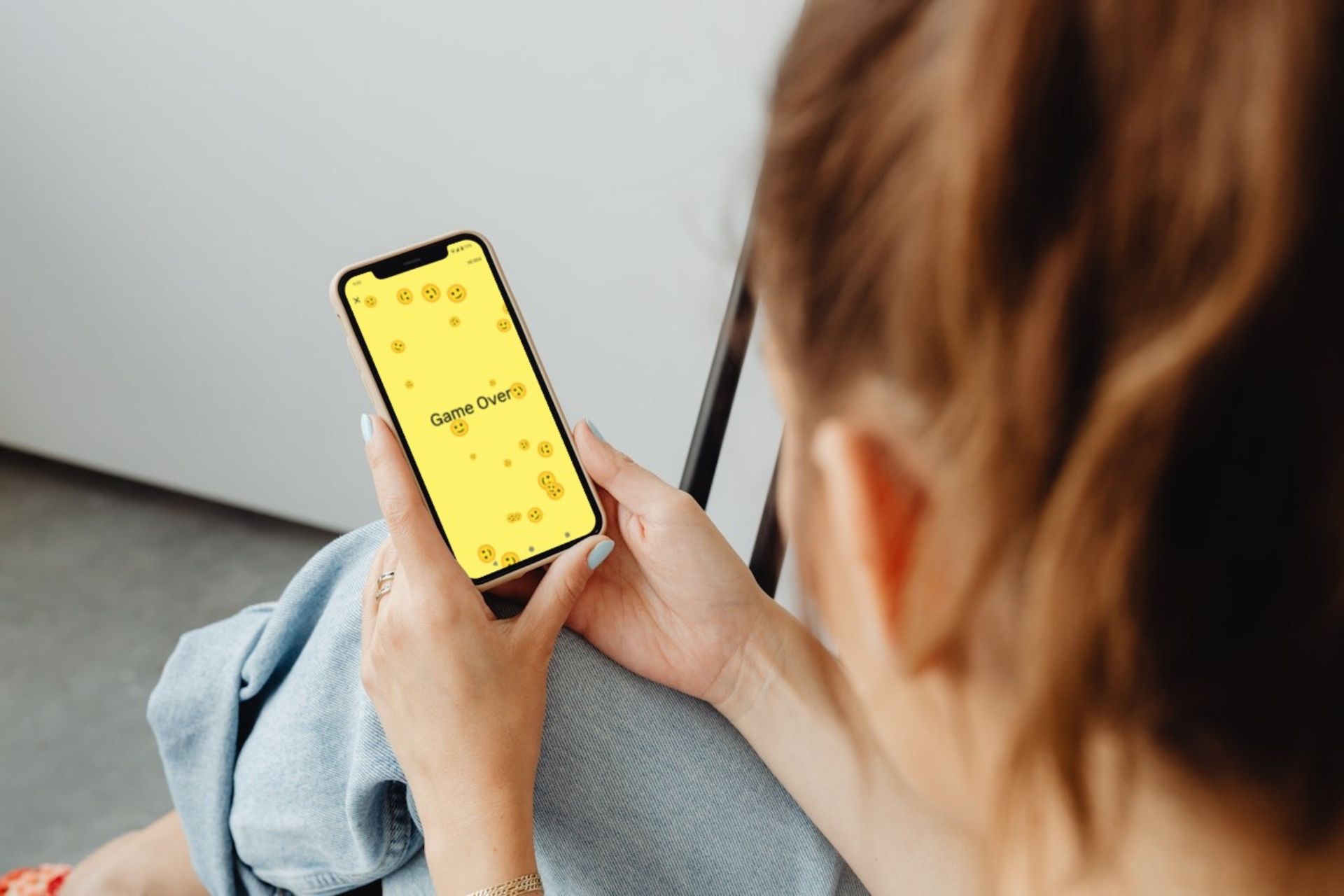
Upon tapping, the interface transitions from a standard text-based chat into a full-screen vertical game environment. The emoji you selected becomes the “ball,” and a small paddle appears at the bottom of the screen. The objective is to slide the paddle horizontally to bounce the emoji upward, preventing it from falling off the bottom edge. As the game progresses, the speed of the emoji increases, and the background color shifts, increasing the difficulty and visual stimulation.
The Variety of Game Assets
One of the clever technical aspects of Emoji Pong is its dynamic asset utilization. While the physics engine remains the same, the visual experience changes based on the emoji sent. For instance, sending a (tennis ball) feels intuitive, but sending a (pizza) or a (ghost) adds a layer of whimsicality. Each emoji functions as a distinct sprite within the game engine, demonstrating Instagram’s ability to map standard Unicode characters into interactive game assets seamlessly.
The Technical Architecture and UI/UX Behind the Game
From a software engineering perspective, Emoji Pong is an exercise in lightweight integration. It is designed to be highly responsive without requiring a significant increase in the app’s overall package size (APK or IPA).
Seamless Integration within Direct Messages
The game is built using a reactive framework that allows it to sit on top of the messaging layer. When a user taps an emoji, the app triggers a state change that hides the chat UI and initializes the game engine. This transition is remarkably fluid, a hallmark of high-end mobile UI design. The game does not require a separate download or a “loading” screen, which suggests that the game logic is hard-coded into the core messaging module of the Instagram application.
Physics and Touch Sensitivity in Mobile Environments
The “feel” of Emoji Pong depends heavily on the implementation of touch-input latency and collision detection. In mobile development, the “hitbox” of the paddle must be precisely tuned to account for different finger sizes and screen resolutions. Instagram’s developers utilized a physics engine that calculates trajectory and velocity in real-time. As the emoji hits the paddle at different angles, the game calculates a reflected vector, ensuring that the gameplay feels “natural” despite being a simple 2D interaction.
Cross-Platform Consistency
A major challenge in deploying features like Emoji Pong is ensuring parity between iOS and Android. Because both operating systems handle touch inputs and graphic rendering differently, the code must be optimized for both Apple’s Metal API and Android’s Vulkan or OpenGL ES. The consistency of the Emoji Pong experience across devices is a testament to Meta’s robust cross-platform development framework, likely leveraging their own React Native or a similar high-performance internal library.

Why Meta is Prioritizing Micro-Interactions in Social Software
The inclusion of a minigame might seem trivial for a platform as large as Instagram, but from a strategic tech standpoint, it serves several vital functions related to user psychology and data gathering.
Enhancing User Retention and Session Time
In the world of app development, “Session Time” is a critical KPI (Key Performance Indicator). The more time a user spends inside the app, the more opportunities the platform has to serve advertisements or collect data on user preferences. Emoji Pong transforms a passive experience—waiting for a friend to reply to a message—into an active one. By giving users something to do during “dead air” moments in a conversation, Instagram minimizes the likelihood of the user switching to a competing app like TikTok or Snapchat.
The Psychology of Gamification in Communication Tools
Gamification is the process of adding game-like elements to non-game contexts. By adding a high-score counter to Emoji Pong, Instagram taps into the competitive nature of users. While the game currently doesn’t have a global leaderboard, the personal high score is saved locally. This creates a feedback loop where the user feels a sense of achievement within the app. This psychological “hook” is a standard technique in modern software design to foster a deeper emotional connection between the user and the interface.
Testing Modular Feature Rollouts
Emoji Pong also serves as a “canary in the coal mine” for more complex interactive features. By deploying a simple game, Meta can monitor how millions of devices handle the transition from static content to interactive graphics. If the feature causes crashes or significant battery drain, it provides valuable data that can be used when developing more intensive features, such as Augmented Reality (AR) filters or integrated shopping experiences.
Troubleshooting and Compatibility: Why Can’t Everyone Play?
Despite being widely available, some users find themselves unable to trigger the Emoji Pong game. This highlights the complexities of global software distribution and version control.
Version Control and Regional Rollouts
Meta rarely releases a feature to 100% of its user base at once. Instead, they use “staged rollouts.” This allows engineers to monitor server load and bug reports in specific regions before a global launch. If Emoji Pong is not working for a specific user, it is often because their account has not yet been “whitelisted” for the feature or they are running an outdated version of the application. Keeping the app updated via the App Store or Google Play Store is the primary solution for accessing these latent features.
Common Technical Glitches and Solutions
Some users report that tapping an emoji simply brings up the standard reaction menu instead of launching the game. This is often a conflict in the app’s “gesture recognizer” logic. To fix this, users should ensure they are sending the emoji as a standalone message. If the emoji is accompanied by text, the system recognizes it as part of a text string and will not trigger the game engine. Additionally, clearing the app cache or restarting the device can resolve temporary glitches where the game module fails to initialize.
The Future of Hidden Utilities in the Meta Ecosystem
The emergence of Emoji Pong is likely just the beginning of a broader trend where social media platforms become “Super Apps”—applications that provide a vast array of services, from banking and shopping to gaming and communication.
From Static Emojis to Dynamic Assets
As mobile hardware becomes more powerful, the potential for these in-app experiences grows. We may soon see emojis that are not just sprites in a pong game, but triggers for complex AR experiences or collaborative multiplayer games. The tech behind Emoji Pong proves that the infrastructure is already in place to turn a simple Unicode character into a gateway for interactive content.
What This Means for Future App Updates
For developers and tech enthusiasts, Emoji Pong is a reminder that software is never “finished.” Even an app as mature as Instagram has room for experimentation and play. As we move toward a more integrated digital future, expect to see more of these “micro-apps” embedded within our daily communication tools. These features serve to humanize the technology, making the digital space feel less like a rigid utility and more like a dynamic, interactive playground.
In conclusion, while Emoji Pong may appear to be a simple distraction, it is a sophisticated piece of software design. It showcases Instagram’s ability to innovate within its existing UI, leverages complex mobile physics, and employs gamification strategies to maintain its dominance in the social media market. Whether you are a casual user looking to beat a high score or a tech professional studying app architecture, Emoji Pong is a fascinating example of the “fun” side of modern software engineering.
aViewFromTheCave is a participant in the Amazon Services LLC Associates Program, an affiliate advertising program designed to provide a means for sites to earn advertising fees by advertising and linking to Amazon.com. Amazon, the Amazon logo, AmazonSupply, and the AmazonSupply logo are trademarks of Amazon.com, Inc. or its affiliates. As an Amazon Associate we earn affiliate commissions from qualifying purchases.