
The landscape of healthcare is constantly evolving, and with it, the financial tools available to manage our well-being. Among these, the Health Savings Account (HSA) stands out as a powerful and flexible option for individuals and families seeking to take control of their healthcare expenses. However, a common point of confusion often arises: what exactly is eligible for reimbursement through an HSA? Understanding this is crucial to maximizing the benefits of this tax-advantaged savings vehicle. This article delves into the intricacies of HSA eligibility, providing a comprehensive guide to ensure you’re making the most informed decisions about your healthcare spending.
Understanding the HSA Framework: Core Eligibility Principles
At its heart, an HSA is a savings account designed to help individuals with high-deductible health plans (HDHPs) pay for qualified medical expenses on a pre-tax basis. The key to eligibility lies in the IRS definitions and guidelines. To even open an HSA, you must be covered by an HDHP and not have any other health coverage (with a few exceptions, such as dental, vision, or disability insurance). Once established, the account’s funds can be used tax-free for qualified medical expenses incurred by the account holder, their spouse, and their dependents.
The IRS Definition: What Constitutes a “Qualified Medical Expense”?
The Internal Revenue Service (IRS) provides the definitive framework for what qualifies as a medical expense. Generally, a qualified medical expense is one that is primarily for the diagnosis, cure, mitigation, treatment, or prevention of disease, or for the purpose of affecting any structure or function of the body. This broad definition encompasses a wide array of costs, but it’s important to remember that the expense must be for medical care as defined by the IRS.
HDHP Requirements: The Gateway to HSA Eligibility
As mentioned, a fundamental prerequisite for opening and contributing to an HSA is enrollment in a High-Deductible Health Plan (HDHP). The IRS sets specific minimum deductible and maximum out-of-pocket expense limits for health plans to be considered HDHPs. For 2023, the minimum deductible for self-only coverage was $1,400, and for family coverage, it was $2,800. The maximum out-of-pocket expenses were $7,000 for self-only coverage and $14,000 for family coverage. These figures are adjusted annually for inflation. It’s important to verify that your current health plan meets these HDHP criteria to maintain your HSA eligibility. If your plan changes and no longer meets these requirements, you may no longer be eligible to contribute to your HSA, though you can still use the funds already in the account for qualified medical expenses.
Broad Categories of Eligible Health Savings Account Expenses
The IRS allows for a wide range of expenses to be reimbursed through an HSA. These can be broadly categorized to provide a clearer understanding of what is generally considered eligible. It’s important to note that while these categories are comprehensive, specific situations may require further verification.
Medical, Dental, and Vision Care Services and Treatments
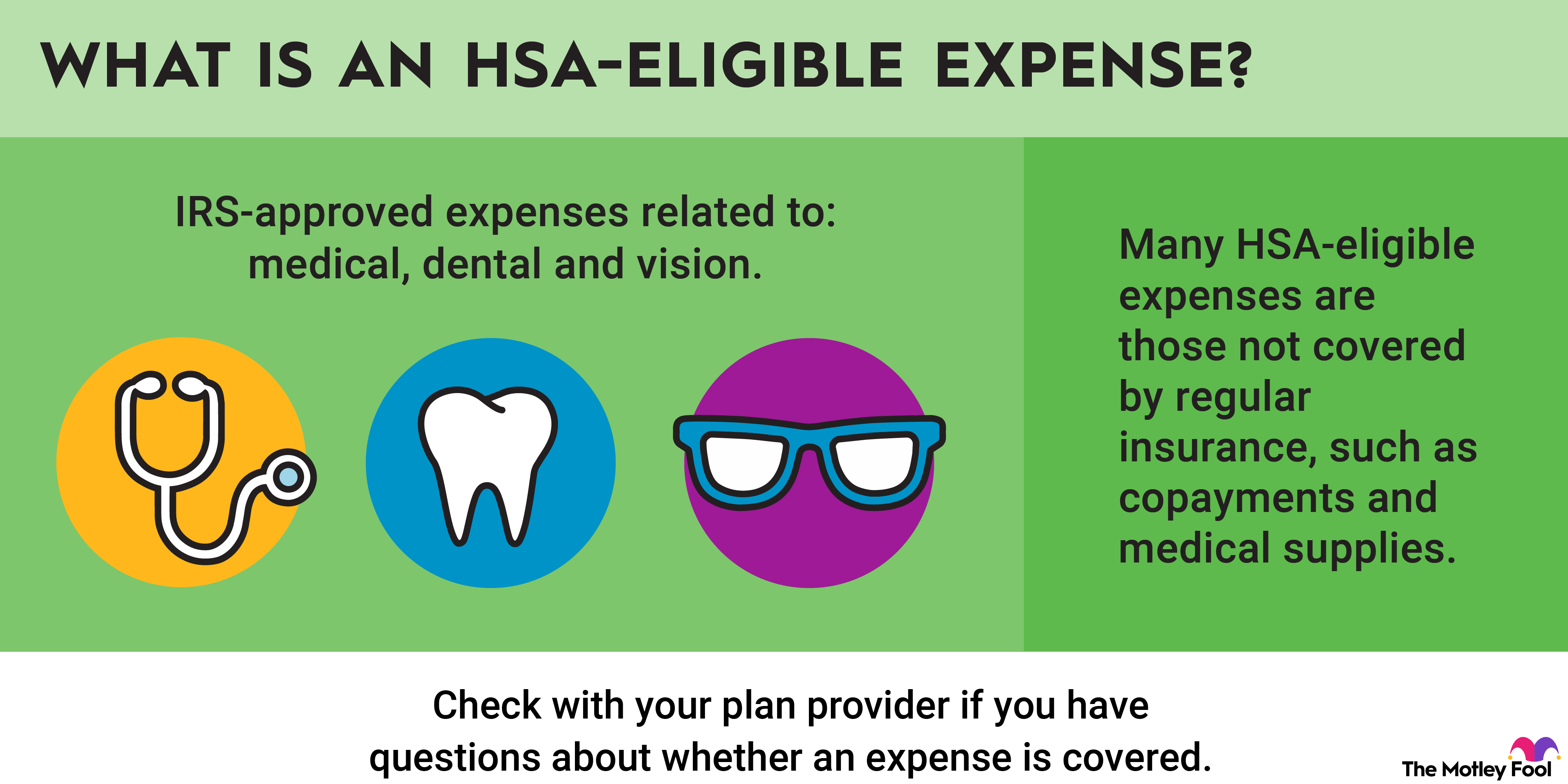
This is the most common and straightforward category. It includes a vast array of services and treatments that directly address your physical and mental health.
Doctor Visits and Specialist Consultations
Routine check-ups, consultations with primary care physicians, and appointments with specialists such as cardiologists, dermatologists, or neurologists are all eligible. This also extends to visits for acute illnesses and injuries.
Hospital Stays and Surgical Procedures
Inpatient and outpatient hospital services, including room and board, surgery, and diagnostic tests performed during a hospital stay, are covered. This also applies to various surgical procedures, whether elective or medically necessary.
Prescription Medications and Over-the-Counter (OTC) Drugs
Prescription medications, including refills, are eligible for HSA reimbursement. Furthermore, many over-the-counter medications are now eligible as well, following changes in IRS regulations. This includes items like pain relievers, allergy medications, antacids, and cold remedies, provided they are purchased with the intent of treating a medical condition.
Dental Care Services
This encompasses a broad spectrum of dental treatments, including routine cleanings and check-ups, fillings, crowns, bridges, dentures, braces, and orthodontic treatments. It also covers procedures to treat gum disease and other oral health issues.
Vision Care Services
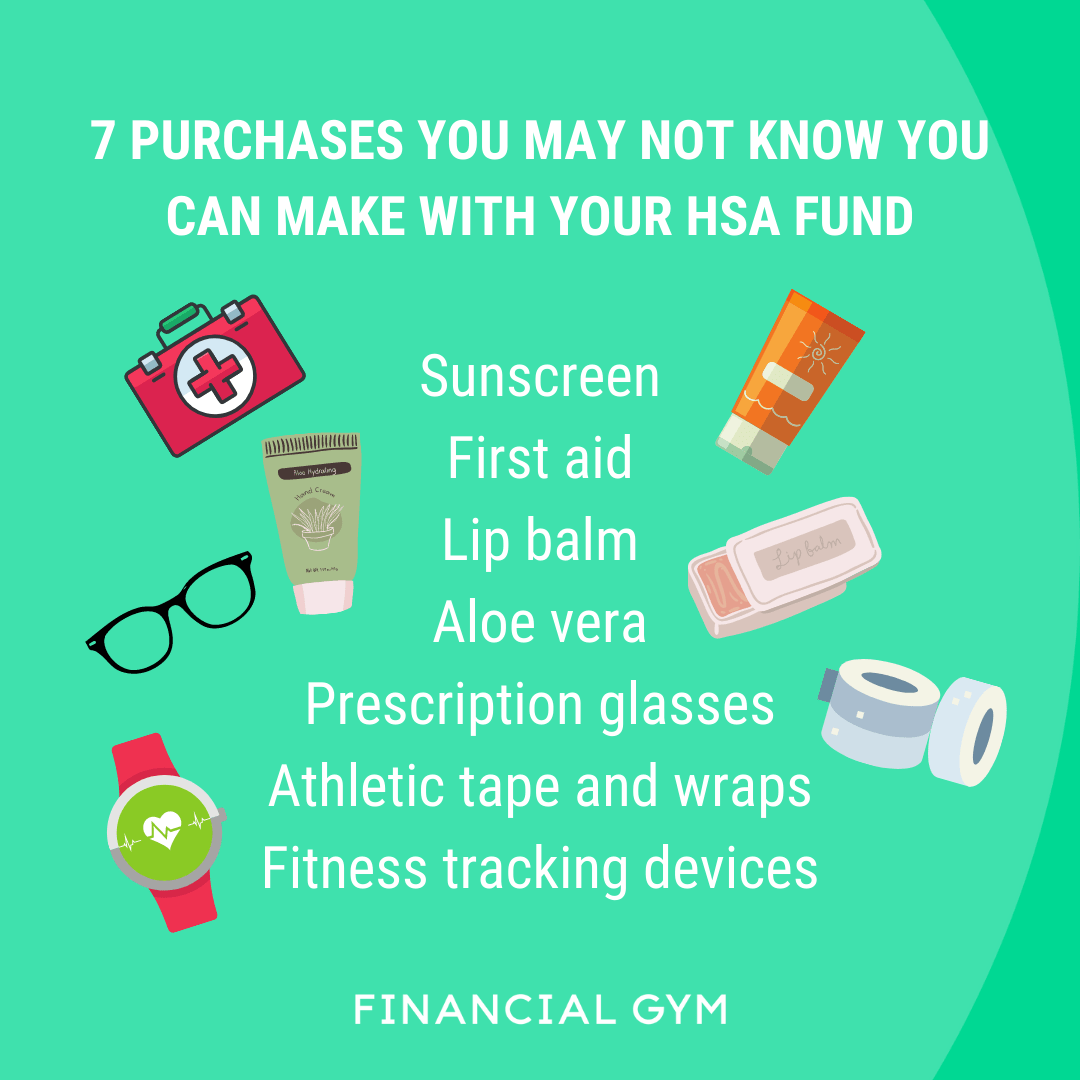
Expenses related to vision correction are also eligible. This includes eye exams, prescription eyeglasses, contact lenses, and even treatments for eye conditions and diseases. Laser eye surgery, such as LASIK, is also typically covered.
Mental Health Services
Therapy, counseling, and psychiatric services for mental health conditions are eligible. This includes treatment for depression, anxiety, and other psychological disorders.
Medical Equipment and Supplies
Beyond services, the equipment and supplies used to diagnose, treat, or prevent illness or injury are also frequently eligible for HSA reimbursement.
Durable Medical Equipment (DME)
This category includes equipment prescribed by a doctor for long-term use in the home to aid in a patient’s recovery or to manage a chronic condition. Examples include walkers, wheelchairs, crutches, nebulizers, and diabetic testing supplies.
Assistive Devices
Devices that help individuals with disabilities perform daily activities are often eligible. This can include specialized computer equipment, prosthetic limbs, and hearing aids.
First-Aid Supplies and Bandages
Basic first-aid items like bandages, sterile pads, and antiseptic wipes, when used for the treatment of an injury, are generally considered eligible.
Preventative Care and Wellness
A significant benefit of HSAs is their ability to cover costs associated with maintaining good health and preventing illness.
Health Screenings and Diagnostic Tests
Preventative screenings, such as mammograms, colonoscopies, and cholesterol checks, are eligible, even if no specific condition has been diagnosed. This encourages proactive health management.
Immunizations and Vaccinations
Vaccinations against diseases, including flu shots and travel-related immunizations, are eligible for HSA reimbursement.
Smoking Cessation Programs
Programs and medications designed to help individuals quit smoking are considered eligible medical expenses, promoting a healthier lifestyle.
Weight Loss Programs
Weight loss programs can be eligible if they are prescribed by a doctor to treat a specific medical condition, such as obesity-related hypertension or diabetes. This often requires a Letter of Medical Necessity from your physician.
Specific and Less Common Eligible Expenses
Beyond the common categories, a variety of more specific or specialized expenses can also be reimbursed through an HSA. Understanding these can help you leverage your HSA for a wider range of needs.
Travel Expenses for Medical Care
The IRS allows for reimbursement of certain travel expenses incurred to receive medical care. This is particularly important for individuals who need to travel to access specialized treatment.
Transportation Costs
This can include the cost of gas and oil, or the mileage reimbursement rate (as set by the IRS), for traveling to and from a medical provider. Public transportation fares are also eligible.
Lodging Costs
If you must travel overnight to receive medical treatment, the cost of lodging (up to a certain limit per night) may be eligible. This typically applies when the medical facility is at least 150 miles away from your home.
Home Modifications for Medical Needs
In certain circumstances, modifications to a home to accommodate a disability or chronic illness may be eligible.
Accessibility Enhancements
Examples include the installation of ramps, widening doorways, or modifying bathrooms to make them more accessible for individuals with mobility issues. The eligible amount is generally limited to the increase in the property’s value due to the modification.
Fertility Treatments and Related Expenses
The pursuit of family planning often involves significant medical expenses that can be covered by an HSA.
In Vitro Fertilization (IVF) and Other Assisted Reproductive Technologies
Procedures such as IVF, artificial insemination, and related fertility treatments are typically eligible.
Medications for Fertility Treatments
Prescription medications used as part of fertility treatments are also eligible.
Long-Term Care Services
For individuals requiring ongoing care, HSAs can play a role in covering associated costs.
Qualified Long-Term Care Services
This includes services provided by a licensed healthcare professional or facility for individuals who are chronically ill or unable to perform a certain number of activities of daily living. Premiums for qualified long-term care insurance policies are also eligible for deduction, subject to age-based limits.
Other Qualified Medical Expenses
The IRS also lists several other specific items and services that are eligible:
Acupuncture and Chiropractic Care
Treatments provided by licensed acupuncturists and chiropractors are generally considered eligible.
Learning Disability Treatments
Special education, tutoring, and other services designed to help individuals with learning disabilities are eligible if prescribed or recommended by a doctor.
Home Health Care
Services provided by visiting nurses, home health aides, and physical therapists in your home can be reimbursed.
Medical Insurance Premiums (Limited Circumstances)
While generally not eligible, premiums for health insurance can be paid tax-free from an HSA in very specific situations, such as when you are receiving federal or state unemployment benefits. This is a nuanced area, and consulting with a tax professional is advised.
Expenses That Are Typically NOT Eligible for HSA Reimbursement
It’s just as important to understand what expenses are not eligible for HSA reimbursement to avoid potential penalties or taxes. The general rule of thumb is that if an expense is for general health, comfort, or cosmetic purposes rather than for medical care, it is unlikely to be eligible.
Cosmetic Surgery and Procedures
Unless the cosmetic surgery is medically necessary to correct a congenital abnormality or the result of a disfiguring accident or disease, it is generally not eligible. This includes procedures like facelifts, liposuction, and breast augmentation performed for aesthetic reasons.
Elective Non-Medical Expenses
Expenses that are not directly related to diagnosing, treating, curing, or preventing illness are typically not eligible. This includes items that simply enhance one’s general well-being without addressing a specific medical condition.
Health Club Dues and Gym Memberships
Unless part of a doctor-prescribed program to treat a specific medical condition (similar to weight loss programs), regular gym memberships and health club dues are generally not eligible. The IRS views these as promoting general health rather than treating a specific ailment.
Non-Prescription Vitamins and Supplements (Generally)
While some over-the-counter medications are eligible, general vitamins and dietary supplements are usually not eligible unless specifically recommended by a doctor to treat a diagnosed medical condition. The purchase of a general multivitamin for overall health is typically not covered.
Household and Domestic Help
General household expenses, such as cleaning services or domestic help that are not directly related to medical care, are not eligible. The exception is if the domestic help is specifically hired to assist with medical needs due to a disability.
Insurance Premiums (Other Than Specific Exceptions)
As mentioned earlier, most health insurance premiums are not eligible for HSA reimbursement. The exceptions for unemployment benefits and qualified long-term care insurance premiums are crucial to remember.
Over-the-Counter Medications Without Medical Purpose
While many OTC drugs are now eligible, purchasing items without a clear medical purpose, such as pain relievers for general aches or remedies for mild discomfort that doesn’t significantly impact daily life or is not a diagnosed condition, may be questioned.
Best Practices for HSA Reimbursement and Record Keeping
To ensure you are utilizing your HSA effectively and avoiding any compliance issues, adhering to best practices for reimbursement and record-keeping is essential.
Obtain a Letter of Medical Necessity (LMN)
For expenses that might fall into a gray area, such as weight loss programs or certain over-the-counter items, obtaining a Letter of Medical Necessity from your healthcare provider is highly recommended. This document, signed by your doctor, explains why the expense is medically necessary for your treatment or condition, significantly strengthening your claim for reimbursement.
Keep Detailed Records and Receipts
It is crucial to maintain thorough records of all your healthcare expenses and the corresponding receipts. This includes the date of service, the provider’s name, a description of the service or item purchased, and the amount paid. Your HSA administrator will likely require this documentation for reimbursement requests and for tax purposes.
Understand Your Plan’s Specifics
While the IRS provides general guidelines, individual HSA plans and their administrators may have slightly different procedures or specific requirements. Familiarize yourself with your HSA provider’s policies, including their reimbursement process and any limitations.

Consult with a Tax Professional
The tax implications of HSAs can be complex. For personalized advice, especially when dealing with unusual expenses or significant claims, consulting with a qualified tax professional is always a wise decision. They can help you navigate the rules and ensure you are maximizing your HSA benefits while remaining compliant.
In conclusion, Health Savings Accounts offer a robust and tax-advantaged way to manage healthcare expenses. By understanding the broad spectrum of eligible costs, from routine medical visits and prescription drugs to specialized treatments and equipment, you can confidently leverage your HSA. Equally important is recognizing what falls outside of eligibility to prevent potential issues. Diligent record-keeping, obtaining necessary documentation like an LMN, and staying informed about IRS guidelines will empower you to make the most of this invaluable financial tool for your health and financial well-being.
aViewFromTheCave is a participant in the Amazon Services LLC Associates Program, an affiliate advertising program designed to provide a means for sites to earn advertising fees by advertising and linking to Amazon.com. Amazon, the Amazon logo, AmazonSupply, and the AmazonSupply logo are trademarks of Amazon.com, Inc. or its affiliates. As an Amazon Associate we earn affiliate commissions from qualifying purchases.