
In the realm of medical diagnostics, few technologies are as foundational and ubiquitous as the Electrocardiogram, commonly known as EKG or ECG. This simple yet profoundly powerful test provides a window into the electrical activity of the heart, offering critical insights into its health and function. Often interchangeably referred to as EKG (from the German Elektrokardiogramm) or ECG (from the Greek electro and cardio, and gram), this non-invasive technology has been a cornerstone of cardiovascular care for over a century. Far from being a static invention, the EKG/ECG has undergone continuous technological evolution, transforming from bulky, analog machines into sophisticated digital systems, wearable devices, and AI-powered diagnostic tools. Understanding what an EKG/ECG is, at its core, means appreciating the intricate engineering, signal processing, and data interpretation technologies that enable clinicians to monitor, diagnose, and manage a vast array of heart conditions. It’s a testament to how applied science and engineering can directly translate into life-saving medical advancements, making it a quintessential topic within the “Tech” landscape.

The Core Technology: How EKG/ECG Works
At its heart, the EKG/ECG is an electrical activity sensor. The human heart is a remarkable pump, and its rhythmic contractions are orchestrated by a precise electrical conduction system. Any deviation in this electrical activity can signal underlying cardiac issues. The EKG/ECG technology is designed to detect, amplify, and record these minute electrical potentials generated by the heart, converting them into a visual representation that clinicians can interpret.
Electrical Impulses and Cardiac Activity
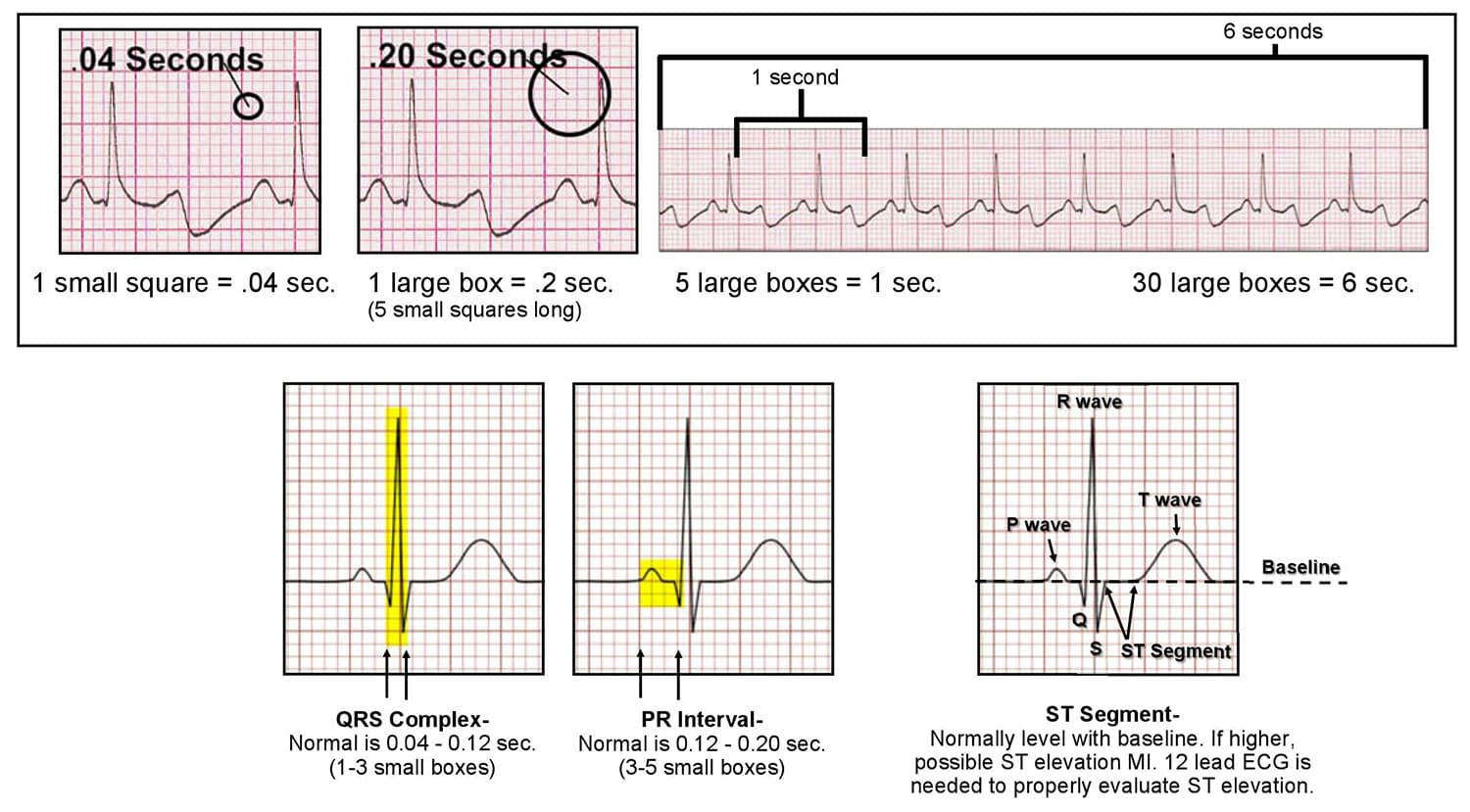
The journey of an EKG/ECG begins with the heart’s natural pacemaker, the sinoatrial (SA) node, which generates electrical impulses. These impulses spread across the atria, causing them to contract (atrial depolarization), then pass through the atrioventricular (AV) node, down the bundle of His, and into the Purkinje fibers, ultimately triggering ventricular contraction (ventricular depolarization). Following contraction, the heart muscle cells recharge (repolarization) in preparation for the next beat. Each of these events – depolarization and repolarization – generates a tiny electrical current that propagates through the body’s tissues to the skin surface. The EKG/ECG device is designed to capture these faint, transient electrical signals, providing a real-time electrical map of the heart’s activity cycle. Different phases of these electrical events correspond to the characteristic P wave, QRS complex, and T wave observed on an EKG/ECG tracing.
Electrodes, Leads, and Signal Acquisition
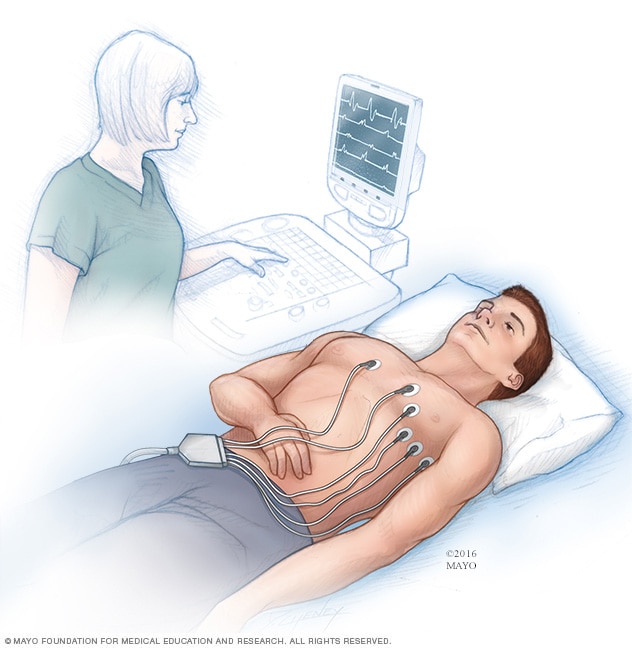
To capture these electrical signals, specialized electrodes are strategically placed on the patient’s skin, typically on the chest, arms, and legs. These electrodes are not merely sticky pads; they are sophisticated sensors designed to minimize impedance and maximize signal quality. Each electrode acts as an antenna, picking up the electrical potential differences between various points on the body’s surface. A “lead” in EKG/ECG terminology refers to the particular view or perspective of the heart’s electrical activity derived from specific combinations of electrodes. The standard 12-lead EKG/ECG, for instance, uses 10 electrodes to generate 12 distinct electrical viewpoints, offering a comprehensive three-dimensional snapshot of the heart’s electrical patterns. This multi-perspective approach is critical for localizing abnormalities, as different leads are sensitive to different regions of the heart muscle.
Amplification and Digital Conversion
The electrical signals picked up by the electrodes are incredibly weak, often in the microvolt range, and are susceptible to various forms of electrical interference (e.g., muscle tremor, power line noise). Therefore, a crucial technological component of any EKG/ECG machine is the amplifier. This high-gain, low-noise differential amplifier boosts the tiny cardiac signals while simultaneously rejecting common-mode noise, ensuring that only the relevant physiological data is processed. Modern EKG/ECG machines then digitize these amplified analog signals using analog-to-digital converters (ADCs). This conversion transforms the continuous electrical waveform into discrete digital data points, which can then be processed, stored, displayed, and analyzed with far greater precision and flexibility than traditional analog recordings. Digital conversion is the gateway to advanced computational analysis and integration with digital health systems.
Evolution of EKG/ECG Technology
The journey of the EKG/ECG from a bulky, laboratory curiosity to a ubiquitous, sophisticated diagnostic tool is a compelling narrative of technological progress. This evolution has been driven by advancements in electronics, computing, and materials science, making the technology more accessible, accurate, and powerful.
From Analog Machines to Digital Systems
The earliest EKG machines, pioneered by Willem Einthoven in the early 20th century, were cumbersome devices requiring a liquid-filled galvanometer and complex photographic recording techniques. These analog systems meticulously etched waveforms onto photographic paper, a slow and labor-intensive process. The transition to direct-writing ink or thermal paper recorders represented a significant step, but the real revolution began with the advent of microprocessors and digital signal processing. Digital EKG/ECG machines eliminated the need for physical paper records, allowing for real-time display on screens, digital storage, and instant transmission. This shift not only improved efficiency and reduced costs but also opened the door to sophisticated algorithmic analysis, automated measurements, and enhanced waveform resolution, moving beyond mere visual inspection to quantitative analysis.
Miniaturization and Portability
One of the most transformative advancements in EKG/ECG technology has been its miniaturization and enhanced portability. What once required a dedicated cart or even a room now fits into a pocket, or is integrated directly into consumer electronics. This trend has been enabled by developments in low-power electronics, highly integrated circuits (ICs), and efficient battery technologies. Handheld EKG devices are now commonplace, allowing paramedics, nurses, and even patients to perform quick EKG readings outside traditional clinical settings. Furthermore, the integration of EKG capabilities into smartwatches, fitness trackers, and adhesive patches represents a paradigm shift towards continuous, unobtrusive cardiac monitoring. These personal EKG devices, while not always providing a full 12-lead diagnostic picture, offer valuable insights into heart rhythm, capable of detecting atrial fibrillation and other common arrhythmias, empowering individuals to take a more proactive role in their heart health.
Integration with AI and Telemedicine
The future of EKG/ECG technology is rapidly being shaped by artificial intelligence (AI) and the rise of telemedicine. AI algorithms are increasingly being trained on vast datasets of EKG recordings to identify subtle patterns that human eyes might miss, improving diagnostic accuracy and speed. Machine learning models can now predict various cardiovascular diseases, identify specific types of arrhythmias, and even assess the risk of future cardiac events with remarkable precision. This AI-powered interpretation assists clinicians, particularly in resource-constrained environments, by flagging critical abnormalities and providing decision support. Simultaneously, telemedicine platforms have leveraged digital EKG/ECG data transmission, enabling remote consultation and diagnosis. Patients can perform EKGs at home, and the data can be securely sent to cardiologists for review, facilitating timely intervention and reducing the need for in-person clinic visits. This integration fosters a more connected, efficient, and accessible healthcare ecosystem.
Key Technological Components and Innovations
The ongoing refinement of EKG/ECG technology is a testament to continuous innovation across multiple engineering disciplines, focusing on improving signal fidelity, data processing, and user experience.
Advanced Sensor Design
The quality of an EKG/ECG reading is fundamentally dependent on the electrodes’ ability to reliably detect electrical signals. Innovations in sensor design have significantly enhanced this capability. Modern electrodes often utilize advanced materials such as silver/silver chloride (Ag/AgCl) which offer superior conductivity, lower impedance, and reduced polarization artifacts. Gel-based electrodes, designed for optimal skin contact and signal transmission, have become standard, ensuring consistent signal acquisition. Furthermore, advancements in dry electrodes and textile-integrated electrodes are paving the way for more comfortable, long-term monitoring solutions, particularly for wearable devices. These innovations aim to reduce signal noise caused by skin-electrode interface issues and patient movement, leading to clearer, more diagnostically accurate waveforms.
Signal Processing and Artifact Reduction
Once the raw electrical signals are acquired, they undergo rigorous digital signal processing (DSP) to remove noise and enhance clarity. The human body and its environment are replete with sources of electrical interference, from muscle tremors (electromyogram or EMG artifacts) to breathing motions (respiratory artifacts) and external electromagnetic fields (power line noise). Sophisticated DSP algorithms, including adaptive filtering, wavelet transforms, and baseline wander correction, are employed to selectively filter out these unwanted artifacts without distorting the underlying cardiac signals. These algorithms work in real-time to isolate and amplify the true EKG/ECG waveform, ensuring that the displayed data is clean, stable, and suitable for accurate clinical interpretation. The ability to effectively reduce noise is paramount for precise diagnosis, especially in identifying subtle abnormalities.
Data Visualization and Interpretation Tools
The transformation of raw electrical data into an interpretable visual representation is another critical technological facet. Modern EKG/ECG machines feature high-resolution digital displays that allow clinicians to view waveforms with exceptional clarity, often with customizable scales and grids. Beyond simple display, advanced software interfaces provide a wealth of analytical tools. These include automated measurements of key intervals (PR, QRS, QT), amplitudes, and axes, which are crucial for quantifying cardiac activity. Sophisticated pattern recognition algorithms and diagnostic support tools can flag potential abnormalities, such as ST-segment elevation (indicative of a heart attack), prolonged QT intervals (risk of arrhythmia), or specific types of arrhythmias like atrial fibrillation. These intelligent interpretation tools provide preliminary diagnoses, assist in decision-making, and reduce the potential for human error, significantly enhancing the efficiency and accuracy of cardiac diagnostics.
The Impact and Future of EKG/ECG Technology
The EKG/ECG, powered by continuous technological advancements, continues to exert a profound impact on cardiovascular medicine, evolving from a diagnostic workhorse to a cornerstone of proactive and personalized healthcare.
Enhancing Diagnostic Accuracy and Speed
The technological evolution of EKG/ECG has dramatically improved the accuracy and speed of diagnosing a wide spectrum of cardiac conditions. From identifying acute myocardial infarctions (heart attacks) within minutes, to detecting subtle arrhythmias, conduction defects, and signs of structural heart disease, the EKG/ECG remains an indispensable first-line diagnostic tool. Digital systems and AI-powered interpretation significantly reduce the time from acquisition to diagnosis, which is critical in time-sensitive emergencies like heart attacks. This rapid diagnostic capability, coupled with increasing accessibility, ensures that patients receive timely and appropriate medical intervention, directly improving outcomes and saving lives. The EKG/ECG’s ability to provide immediate physiological data makes it invaluable in emergency departments, operating theaters, and critical care units worldwide.
Remote Monitoring and Proactive Healthcare
One of the most exciting frontiers for EKG/ECG technology is its role in remote monitoring and the shift towards proactive healthcare. Wearable EKG devices, smart patches, and compact home units are empowering individuals to monitor their heart rhythms continuously or on demand. This capability is particularly vital for patients with chronic cardiac conditions, those recovering from cardiac events, or individuals at high risk for arrhythmias. By enabling long-term, continuous data collection outside of clinical settings, these technologies can detect transient or asymptomatic arrhythmias that might otherwise be missed during short, infrequent clinic visits. This constant vigilance allows for earlier detection of problems, proactive management of chronic conditions, and personalized risk assessment, ultimately preventing severe cardiac events and promoting overall heart wellness. The convenience and non-invasiveness of these devices are driving a revolution in how cardiovascular health is managed.
Interoperability and Personalized Medicine
The future of EKG/ECG technology is also deeply intertwined with the broader trends of interoperability and personalized medicine. As EKG/ECG data becomes increasingly digital, integrating it seamlessly with Electronic Health Records (EHRs), other diagnostic tests (e.g., echocardiograms, cardiac MRI), and patient genetic information unlocks new possibilities. This holistic view of a patient’s health data enables clinicians to make more informed, personalized treatment decisions. AI algorithms can analyze EKG/ECG data in conjunction with other clinical markers to predict individual responses to medications, tailor lifestyle interventions, and identify personalized risk profiles for various cardiac diseases. This integration moves beyond simply diagnosing a condition to understanding the nuances of a patient’s unique physiology, paving the way for truly personalized cardiac care strategies that are precisely calibrated to each individual’s needs and risks.
Conclusion
The EKG/ECG, whether called by its German or Greek acronym, stands as a towering achievement in medical technology. From its rudimentary beginnings as a complex laboratory setup to its present-day manifestations as compact, digital, and even wearable devices, its evolution reflects a relentless pursuit of greater accuracy, accessibility, and utility. As a foundational diagnostic tool within the Tech sphere, the EKG/ECG leverages sophisticated electronics, advanced signal processing, and increasingly, artificial intelligence, to provide an unparalleled window into the heart’s electrical symphony. Its ability to quickly and non-invasively detect life-threatening conditions, monitor chronic diseases, and even predict future cardiac events underscores its enduring importance. As technology continues to advance, the EKG/ECG will undoubtedly play an even more pivotal role in shaping the future of cardiovascular health, moving us closer to a world where heart disease can be managed and prevented with unprecedented precision and personalization.
aViewFromTheCave is a participant in the Amazon Services LLC Associates Program, an affiliate advertising program designed to provide a means for sites to earn advertising fees by advertising and linking to Amazon.com. Amazon, the Amazon logo, AmazonSupply, and the AmazonSupply logo are trademarks of Amazon.com, Inc. or its affiliates. As an Amazon Associate we earn affiliate commissions from qualifying purchases.