
The Earned Income Tax Credit (EITC) is a cornerstone of tax relief for millions of low-to-moderate income individuals and families in the United States. Designed to supplement wages, it offers a significant boost to household finances, particularly for those working in lower-paying jobs. For many, the EITC is received as a lump sum when they file their annual tax returns. However, a growing number of taxpayers are now able to access a portion of their anticipated EITC benefit throughout the year via an “EITC Advance Amount.” This article delves into the intricacies of the EITC advance, explaining what it is, who is eligible, how it works, and its implications for your personal finances.

The Foundation: Understanding the Earned Income Tax Credit
Before exploring the advance payment, it’s crucial to grasp the fundamental principles of the EITC itself. The EITC is a refundable federal tax credit for low-to-moderate income working individuals and families. Unlike non-refundable credits, which can only reduce your tax liability to zero, a refundable credit like the EITC can result in you receiving money back from the IRS, even if you owe no tax.
Eligibility Requirements for the EITC
To qualify for the EITC, taxpayers must meet several criteria, which are subject to annual adjustments for inflation. These generally include:
- Earned Income: You must have earned income from employment or self-employment during the tax year. This income cannot exceed certain limits, which vary based on your filing status and the number of qualifying children you have.
- Investment Income: Your investment income must be below a specific threshold, also adjusted annually.
- Social Security Number: You, your spouse (if filing jointly), and any qualifying children must have a valid Social Security number.
- Residency Status: You must be a U.S. citizen or resident alien for the entire tax year.
- Filing Status: You cannot file as married filing separately.
- Qualifying Child: If you claim the credit with a qualifying child, that child must meet specific relationship, age, and residency tests. Even without a qualifying child, individuals can still claim the EITC if they meet the income and other requirements.
How the EITC is Typically Received
Traditionally, taxpayers receive the EITC when they file their federal income tax return. The amount of the credit is calculated based on your adjusted gross income (AGI), your filing status, and the number of qualifying children you claim. If the calculated EITC amount is larger than your tax liability, the difference is refunded to you. This often occurs in the form of a tax refund, which can take several weeks to process after filing. For many, this annual lump sum can be a significant financial event, often used for essential expenses, debt reduction, or savings.
The EITC Advance Amount: Accessing Your Credit Early
The EITC advance amount refers to a provision that allows eligible taxpayers to receive a portion of their anticipated Earned Income Tax Credit benefit in advance, typically through their paychecks, rather than waiting until they file their tax return. This initiative, introduced to provide more immediate financial relief, aims to bridge the gap between earning income and receiving tax benefits.
The Mechanism of Advance Payments
The EITC advance is not directly distributed by the IRS to taxpayers. Instead, it is facilitated through employers who choose to participate in the program. When an employee files their Form W-4, Employee’s Withholding Certificate, they can indicate their eligibility for advance EITC payments. If the employer offers this option and the employee qualifies, the employer will then calculate an estimated advance EITC payment and add it to the employee’s regular paychecks throughout the year.
This advance payment is essentially a pre-payment of a portion of the EITC that the employee is expected to be eligible for based on their current income and family situation. The employer essentially front-loads the credit benefit.
Eligibility for the Advance Payment
While the core eligibility for the EITC remains the same, there are specific requirements to receive the advance payment through an employer:
- Employer Participation: The most critical factor is that the employee’s employer must voluntarily offer the advance EITC payment option. Not all employers do, as it adds administrative complexity.
- Valid Form W-4: The employee must correctly complete and submit a Form W-4, indicating their eligibility for the advance EITC. This involves checking a specific box on the form.
- Estimated EITC Calculation: The advance payment is an estimation. The IRS provides formulas for employers to calculate the estimated advance EITC amount. This calculation is based on the information provided by the employee on their W-4, such as their wages, filing status, and the number of qualifying children.
- Income and Other EITC Requirements: The employee must still meet all the general eligibility requirements for the EITC itself, as discussed earlier.
How the Advance Amount is Calculated
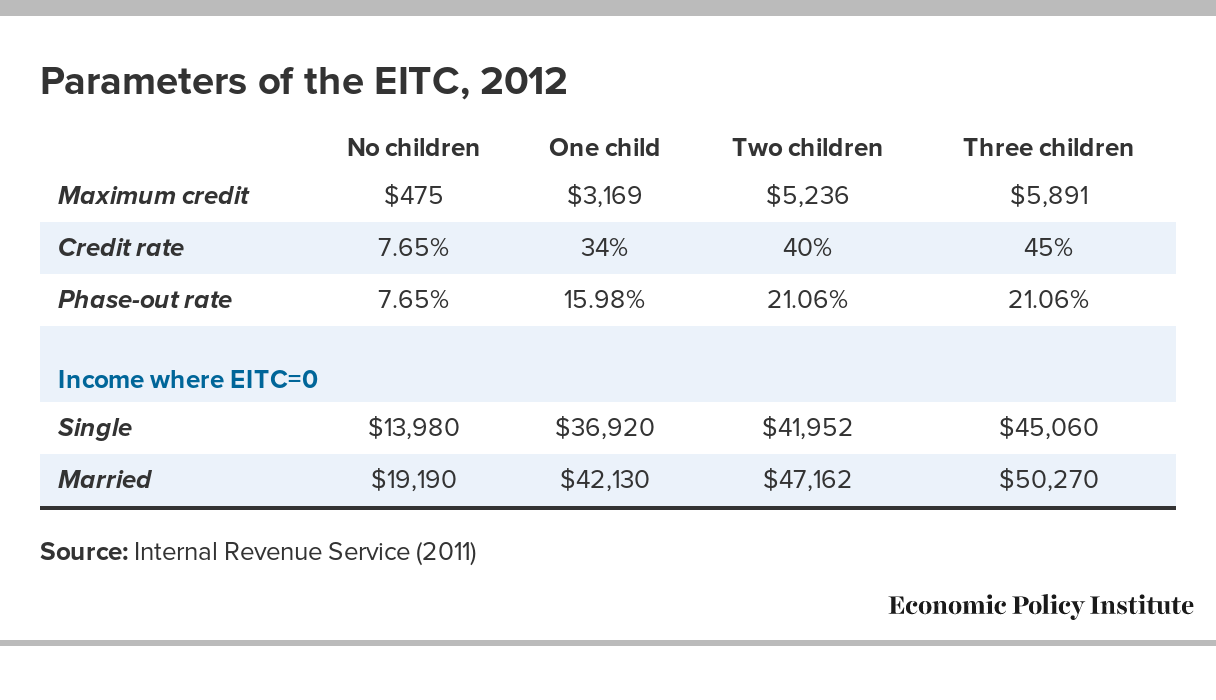
The advance EITC amount is calculated based on an estimate of the total EITC the taxpayer is expected to receive for the year. Employers use IRS-provided tables and formulas to determine the amount to be advanced. The total advance EITC paid throughout the year cannot exceed a certain percentage of the estimated total EITC for which the taxpayer qualifies.
It’s important to understand that the advance payment is an estimate. When the taxpayer eventually files their tax return, their actual EITC will be calculated based on their final income and other tax information for the year.
The Reconciliation Process: Filing Your Tax Return with Advance Payments
Receiving EITC advance payments introduces a reconciliation process when you file your annual tax return. This is a crucial step to ensure accuracy and to claim any remaining EITC benefit or to account for any overpayment.
Adjusting Your Tax Return
When you file your tax return, you will need to report the total amount of advance EITC payments you received throughout the year. This amount is typically reported on Schedule EIC (Earned Income Credit) of Form 1040. The IRS will then use this information to reconcile the advance payments with your actual calculated EITC.
Potential Outcomes of Reconciliation
There are a few potential scenarios when your advance payments are reconciled:
- Received the Correct Amount: If the advance payments you received accurately reflect your calculated EITC for the year, then your tax liability will be adjusted accordingly, and you will neither owe additional tax nor receive a further refund related to the EITC.
- Received Less Than You Are Owed: If your calculated EITC on your tax return is higher than the total advance payments you received, you will receive the difference as part of your tax refund. This means you are still entitled to a portion of your credit.
- Received More Than You Are Owed: If your calculated EITC on your tax return is lower than the total advance payments you received, you will be required to repay the excess amount to the IRS. This is why accurate W-4 information and understanding your eligibility are so important. The advance payments are essentially a loan from your anticipated tax credit, and if you overestimated your eligibility, you must repay what you received in excess.
The Importance of Accurate W-4 Information
Given that the advance EITC is an estimate, accurately completing your Form W-4 is paramount. Providing incorrect information about your marital status, number of dependents, or expected income can lead to an inaccurate estimation of your advance EITC. This could result in either receiving less than you are entitled to, thus missing out on immediate funds, or receiving more than you are eligible for, leading to a repayment obligation at tax time. It is advisable to review and update your W-4 annually, especially if your personal circumstances change.
Implications and Considerations for EITC Advance Recipients
Receiving EITC advance payments can have significant implications for a taxpayer’s financial planning and overall well-being. While it offers immediate financial relief, there are important considerations to keep in mind.
Financial Benefits of Advance Payments
The primary benefit of the EITC advance is the immediate availability of funds. This can be a lifeline for individuals and families struggling to meet essential expenses such as rent, utilities, food, and childcare. Having access to these funds throughout the year can:
- Reduce Financial Stress: Predictable income streams can alleviate the anxiety associated with financial uncertainty.
- Improve Budgeting: Regular, albeit smaller, payments allow for more consistent budgeting and planning.
- Meet Immediate Needs: It can help cover unexpected expenses or bridge gaps in income that might otherwise lead to debt.
- Encourage Savings: In some instances, consistent small payments can be more manageable for establishing or maintaining savings habits than a large, infrequent lump sum.
Potential Downsides and Risks
Despite its advantages, the EITC advance system is not without its potential drawbacks:
- Repayment Obligation: As mentioned, if your estimated advance payments exceed your actual EITC, you will have to repay the difference. This can be a significant financial burden, especially if the amount is unexpected.
- Reduced Tax Refund: If you receive the full EITC as an advance, your tax refund will be smaller or non-existent when you file your return. For some, the anticipation of a large tax refund is a planned financial event, often used for specific goals like saving for a down payment or making a large purchase. Receiving the money in smaller installments might alter their financial strategy.
- Administrative Burden for Employers: As noted, not all employers offer this benefit due to the added administrative work and the responsibility of accurate calculation and reporting.
- Misunderstanding the Nature of the Payment: Some recipients might mistakenly view the advance payment as additional income rather than an early disbursement of a tax credit. This misunderstanding can lead to poor financial decisions.

Strategies for Maximizing the Benefits of Advance EITC
To make the most of the EITC advance program, taxpayers should:
- Understand Your Eligibility: Thoroughly review the EITC eligibility requirements to ensure you qualify.
- Accurate W-4 Completion: Pay meticulous attention to detail when completing your Form W-4. If you are unsure, consult with a tax professional or utilize IRS resources.
- Track Your Advance Payments: Keep a record of the advance EITC amounts you receive each pay period. This will help you estimate your total advance received and compare it to your anticipated EITC.
- Plan for Tax Season: Be prepared for the reconciliation process when you file your taxes. Have your W-4 information and records readily available.
- Consult Tax Professionals: If you have complex financial situations or are unsure about the EITC advance, seeking advice from a qualified tax professional is highly recommended. They can help you accurately assess your eligibility, complete your W-4, and navigate the tax filing process.
In conclusion, the EITC advance amount offers a valuable opportunity for eligible taxpayers to access a portion of their Earned Income Tax Credit benefit throughout the year. By understanding its mechanisms, eligibility requirements, and the reconciliation process, individuals can better manage their finances, reduce stress, and make informed decisions. While the system requires careful attention to detail and accurate reporting, the potential for immediate financial relief makes it a significant feature of the EITC for many working families.
aViewFromTheCave is a participant in the Amazon Services LLC Associates Program, an affiliate advertising program designed to provide a means for sites to earn advertising fees by advertising and linking to Amazon.com. Amazon, the Amazon logo, AmazonSupply, and the AmazonSupply logo are trademarks of Amazon.com, Inc. or its affiliates. As an Amazon Associate we earn affiliate commissions from qualifying purchases.