
The Eiffel Tower, a colossal iron lattice structure that pierces the Parisian skyline, is far more than just a tourist attraction. While its immediate visual impact is undeniable, its “meaning” resonates on multiple, often profound, levels. To understand what the Eiffel Tower means, we must delve into its historical context, its technological prowess for its era, its enduring symbolic power, and its evolution into a global icon of French culture and innovation. This exploration will reveal a multifaceted entity whose significance transcends its physical form, offering insights into national identity, architectural ambition, and the very nature of enduring brand recognition.
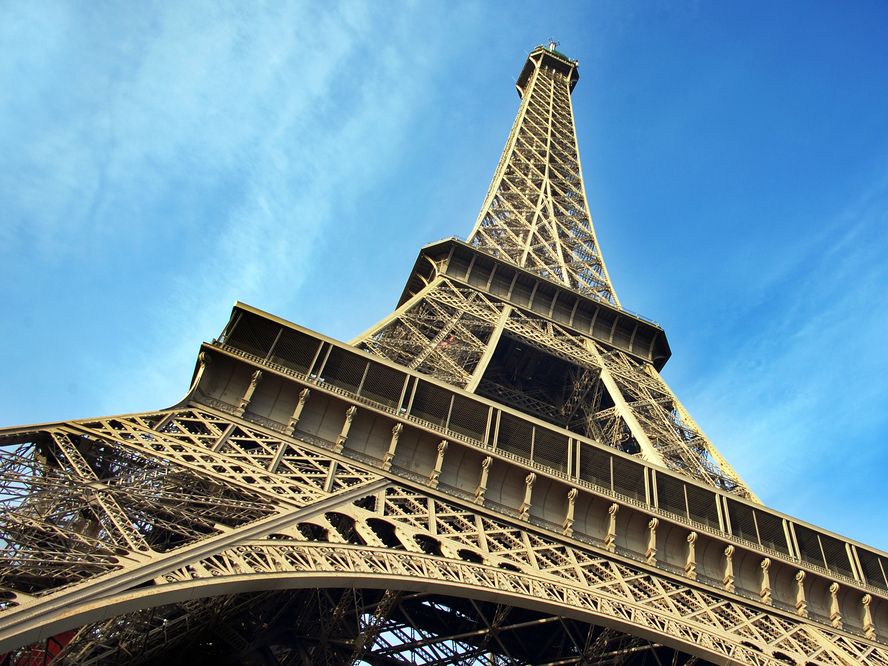
The Iron Lady: A Monument to Technological Ambition
The very existence of the Eiffel Tower was a testament to the burgeoning technological capabilities of the late 19th century. It was conceived and built as the centerpiece for the 1889 Exposition Universelle (World’s Fair) in Paris, an event designed to celebrate the centenary of the French Revolution. Its purpose was not merely decorative; it was a bold declaration of France’s industrial and engineering prowess, a tangible manifestation of the era’s fascination with science and innovation.
Engineering Marvel of the 19th Century
Gustave Eiffel, a renowned bridge builder, and his company were the driving force behind this audacious project. The design, by engineers Maurice Koechlin and Émile Nouguier, and architect Stephen Sauvestre, was revolutionary. It utilized a latticework of wrought iron, a material that was becoming increasingly accessible and versatile. This choice of material was crucial. Unlike stone or brick, iron allowed for an unprecedented height and a delicate, airy structure that seemed to defy gravity.
The construction itself was a feat of meticulous planning and execution. Over 18,000 individual iron parts were prefabricated and then assembled on-site using more than 2.5 million rivets. The precision required to ensure the structure’s stability and balance was immense, especially given the project’s ambitious scale. The foundation work alone was a significant undertaking, involving deep concrete piers to support the immense weight of the iron behemoth. The construction process, completed in just over two years, was a rapid and efficient demonstration of modern industrial methods.
The Science Behind the Height
The engineering principles employed were at the forefront of structural design. Eiffel understood the importance of wind resistance. The curved shape of the tower’s four legs and the open latticework design were not merely aesthetic choices; they were functional necessities to allow wind to pass through, reducing the lateral forces that could destabilize such a tall structure. The curvature was calculated to distribute the load evenly, with the greatest stress concentrated at the base.
Furthermore, the choice of wrought iron was strategic. It offered a high strength-to-weight ratio, making it possible to build taller structures than ever before. The open lattice also reduced the overall weight compared to a solid structure of similar height. This innovative approach to engineering pushed the boundaries of what was considered architecturally possible, setting a precedent for future skyscraper designs and influencing the development of structural engineering principles that are still relevant today.
Symbol of a Nation: Identity and Revolution
Beyond its technical achievements, the Eiffel Tower quickly became intertwined with the identity of France and, more specifically, Paris. Its initial reception was mixed, with many Parisians and intellectuals decrying it as an eyesore. However, as the Exposition progressed and the tower became a focal point, its perception began to shift, evolving into a powerful symbol of national pride and progress.
A Beacon of the French Republic
The Exposition Universelle itself was a potent celebration of the French Republic’s achievements since the Revolution. The Eiffel Tower, as its grandest exhibit, served as a physical embodiment of this triumphant narrative. It symbolized a forward-looking nation, one that embraced modernity, innovation, and the ideals of liberty and progress. Its height and prominence made it impossible to ignore, projecting an image of France as a leading global power.

The tower’s presence at the heart of Paris also reinforced the city’s status as a cultural and intellectual hub. It became an instant landmark, an identifiable silhouette against the sky that distinguished Paris from other urban centers. This iconic status was crucial in shaping the city’s image and attracting visitors, laying the groundwork for its enduring reputation as a global capital of art, fashion, and romance.
A Controversial Beginning, an Enduring Icon
The initial controversy surrounding the tower is a fascinating aspect of its “meaning.” Many of the era’s prominent artists and writers, including Guy de Maupassant and Charles Gounod, signed a petition against its construction, viewing it as a monstrous metallic skeleton that would mar the beauty of Paris. This artistic and intellectual resistance highlights the clash between traditional aesthetics and the embrace of industrial modernity.
However, the tower’s resilience and its growing popularity gradually silenced the critics. Its visual impact, once seen as crude, began to be appreciated for its unique elegance and daring. Over time, it transcended its controversial origins to become an almost universally admired symbol of Paris and France, a testament to the power of persistent presence and evolving cultural appreciation. Its ability to weather storms of criticism and emerge as an undisputed icon speaks volumes about its profound and adaptable symbolic power.
A Global Brand: Tourism, Culture, and Recognition
In the contemporary world, the Eiffel Tower’s “meaning” is inextricably linked to its status as one of the most recognizable brands on Earth. Its image is used to promote Paris, France, and even broader concepts associated with French culture. This global brand recognition has been built over decades through tourism, media representation, and its inherent visual distinctiveness.
The Ultimate Tourist Magnet
The primary function of the Eiffel Tower today is as a global tourist destination. Millions of visitors flock to Paris each year, with ascending the Eiffel Tower often being a top priority on their itinerary. This immense tourist influx generates significant economic activity, not only for the tower itself but for the surrounding businesses and the city as a whole. The experience of visiting the tower – the ascent, the panoramic views, the sense of being at the heart of a historic city – contributes to its powerful experiential brand.
The economic impact of the Eiffel Tower extends far beyond ticket sales. It fuels the hospitality industry, transportation services, and countless souvenir shops. Its presence has demonstrably shaped the urban landscape and economic development of its immediate vicinity, creating a unique ecosystem around this iconic structure. The ongoing maintenance and preservation efforts also represent a continuous investment, underscoring its economic significance.
Cultural Ambassador and Marketing Powerhouse
The Eiffel Tower has transcended its geographical location to become a powerful cultural ambassador. Its silhouette is instantly recognizable, evoking associations with romance, art, sophistication, and French joie de vivre. This makes it an incredibly potent tool in marketing and branding efforts, both for France and for products and services that wish to associate themselves with these desirable qualities.
The tower is frequently featured in films, television shows, advertisements, and literature, solidifying its presence in the global consciousness. Companies often use its image, or representations of it, to imbue their products with a sense of elegance and international appeal. This pervasive use in popular culture has cemented its status as a universally understood symbol, a shorthand for all things French and, by extension, a desirable lifestyle. Its adaptability as a branding element means its “meaning” can be fluid, resonating with different audiences for diverse commercial and cultural purposes.

The Enduring Power of Visual Identity
The Eiffel Tower’s enduring success as a brand lies in its unparalleled visual identity. Its distinctive silhouette is both simple and complex, instantly memorable and endlessly fascinating. This strong visual appeal is the foundation of its global recognition. It is a testament to the power of design and iconic imagery in shaping perception and creating lasting value.
In essence, the Eiffel Tower’s meaning is a dynamic tapestry woven from threads of technological innovation, national aspiration, artistic debate, and global recognition. It stands not just as a monument of iron, but as a monument to human ingenuity, cultural evolution, and the enduring power of a singular, unforgettable vision. It is a brand that was built on engineering prowess, solidified by national pride, and continuously reinforced by its global presence and symbolic resonance, making it a perpetual icon in the annals of human achievement.
aViewFromTheCave is a participant in the Amazon Services LLC Associates Program, an affiliate advertising program designed to provide a means for sites to earn advertising fees by advertising and linking to Amazon.com. Amazon, the Amazon logo, AmazonSupply, and the AmazonSupply logo are trademarks of Amazon.com, Inc. or its affiliates. As an Amazon Associate we earn affiliate commissions from qualifying purchases.