
Efficient production, at its core, is the strategic optimization of resources to maximize output while minimizing costs, thereby enhancing profitability and financial health for a business. It’s not merely about producing more goods or services, but about producing them smarter, ensuring every unit of input—be it capital, labor, materials, or time—yields the highest possible financial return. For any enterprise, understanding and implementing efficient production strategies is paramount for sustainable growth, competitive advantage, and robust financial performance in the long term.
The Foundational Pillars of Financial Efficiency in Production
Achieving truly efficient production from a financial perspective rests on several fundamental principles. These pillars guide decision-making, resource allocation, and operational processes to ensure that financial capital is utilized optimally and waste is systematically eliminated.
Minimizing Waste Across All Dimensions
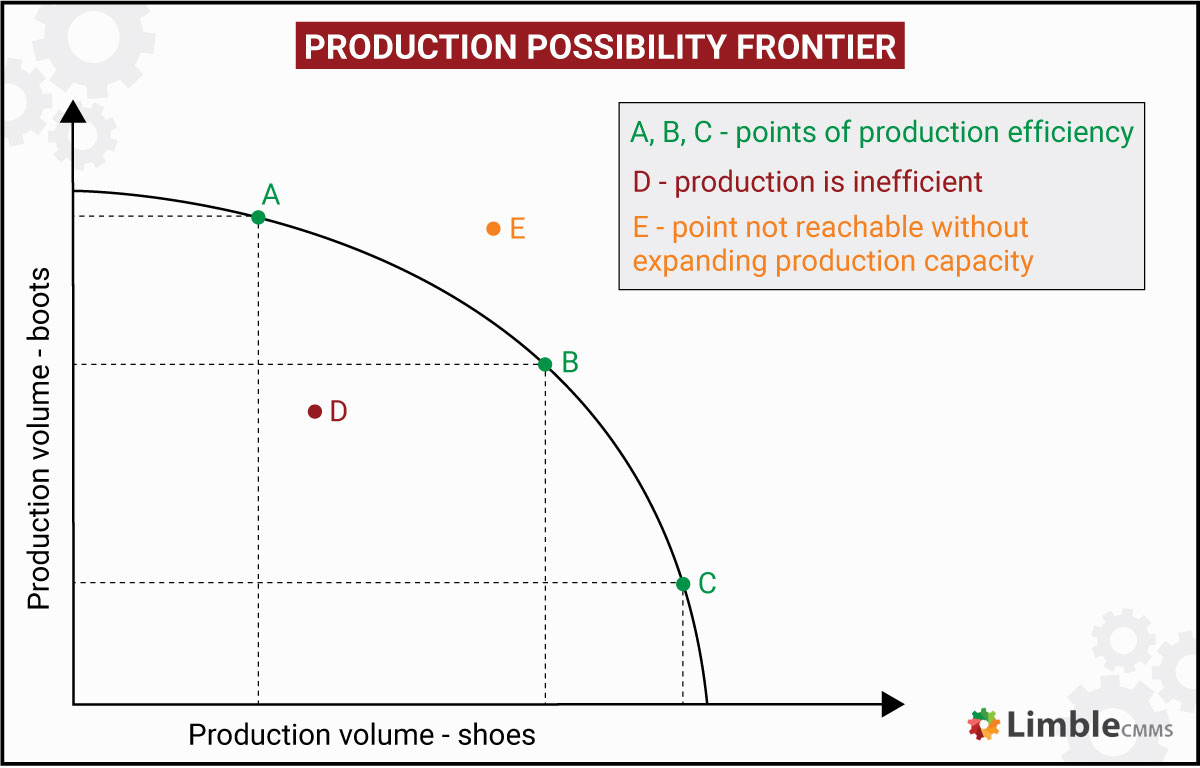
Waste, in the context of efficient production, extends beyond physical scrap. Financially, it encompasses any activity, resource, or process that consumes time, money, or effort without adding value to the final product or service, or to the customer. This includes overproduction leading to excess inventory costs, unnecessary movement of materials or personnel, defects requiring costly rework, excessive processing steps, waiting times, and underutilized talent. Every instance of waste represents a direct drain on financial resources and a missed opportunity for higher profitability. Identifying and systematically reducing these forms of waste is the first crucial step towards financial efficiency.
Optimizing Resource Utilization and Allocation
Efficient production demands a meticulous approach to how all resources—financial, human, material, and technological—are employed. This means ensuring that capital assets are running at their optimal capacity, labor hours are productive and aligned with output goals, raw materials are converted into finished goods with minimal loss, and technology investments are yielding expected returns. It involves strategic allocation of financial capital to areas that promise the highest ROI, whether it’s investing in new machinery, employee training, or process improvements. Underutilization of expensive machinery, for example, represents a significant financial inefficiency, as capital is tied up without generating commensurate returns.
Maximizing Output per Unit of Input
This principle is the quintessential definition of efficiency and directly translates into financial gains. It focuses on the productivity ratio: how much valuable output can be generated from a given quantity of input. For businesses, this means increasing the number of units produced per dollar spent on labor, per hour of machine operation, or per kilogram of raw material. Higher output per input unit lowers the per-unit cost of production, making products more competitive, boosting profit margins, and improving overall financial leverage. This metric is closely monitored through various cost accounting practices, informing decisions on pricing, investment, and operational adjustments.
Financial Implications and Key Performance Indicators (KPIs)
The true measure of efficient production is its impact on a company’s financial statements. A focus on efficiency directly influences revenue, costs, and ultimately, the bottom line. Several financial KPIs are critical for tracking and validating production efficiency.
Cost Reduction and Profitability Enhancement
The most direct financial benefit of efficient production is significant cost reduction. By minimizing waste, optimizing resource use, and enhancing output per input, businesses can drastically lower their variable and fixed costs per unit. This directly translates into higher gross profit margins, even if sales prices remain constant. Furthermore, lower production costs allow for greater flexibility in pricing strategies, potentially enabling market penetration through competitive pricing without sacrificing profitability, or reinvesting savings into growth initiatives. Financial analysis of cost of goods sold (COGS) and operational expenditures becomes a critical tool for identifying areas for improvement and measuring the success of efficiency initiatives.
Return on Investment (ROI) and Capital Efficiency
Efficient production ensures that investments in production capabilities, such as new equipment, facilities, or software systems, yield the highest possible return. Capital efficiency measures how effectively a company uses its capital to generate revenue. Inefficient production can tie up significant capital in excess inventory, idle machinery, or rework, leading to a poor ROI on these assets. By streamlining processes and reducing non-value-added activities, businesses can free up capital, reduce the need for additional financing, and improve cash flow, all of which are vital for financial stability and growth. Calculating the ROI of specific efficiency-driven projects is crucial for justifying capital expenditure and monitoring their financial contribution.
Throughput Accounting and Inventory Management
Throughput accounting focuses on maximizing the rate at which an organization generates money through sales. It considers only truly variable costs (like raw materials) as operational expenses, treating labor and overhead as fixed costs to be optimized. This perspective encourages efficient production by prioritizing processes that increase throughput, minimize inventory (which ties up cash and incurs holding costs), and reduce operational expenses. Effective inventory management, a cornerstone of efficient production, directly impacts cash flow and working capital. Excessive inventory represents capital that could be invested elsewhere, while insufficient inventory risks lost sales and production delays. Achieving the optimal balance through efficient production planning minimizes these financial risks.

Strategies for Achieving Financial Efficiency in Production
Implementing efficient production requires a multi-faceted approach, combining strategic methodologies with practical operational adjustments, all viewed through a financial lens.
Lean Manufacturing and Just-in-Time (JIT) Principles
Lean manufacturing methodologies, such as the Toyota Production System, are inherently designed for financial efficiency. Their core focus is on identifying and eliminating all forms of waste (Muda), thereby reducing costs, shortening lead times, and improving quality. Just-in-Time (JIT) is a critical component, advocating for producing goods only when they are needed and in the exact quantities required. Financially, JIT dramatically reduces inventory holding costs, minimizes the risk of obsolescence, frees up working capital, and enhances cash flow. Implementing Lean and JIT requires significant upfront investment in process redesign and training, but the long-term financial benefits, including lower operational costs and improved financial agility, are substantial.
Strategic Investment in Automation and Technology
While often a significant upfront capital expenditure, strategic investment in automation and advanced technologies can be a powerful driver of financial efficiency. Automation reduces reliance on manual labor, leading to lower labor costs per unit and increased consistency and quality, which in turn reduces rework costs. Technologies like AI-driven predictive maintenance can prevent costly equipment breakdowns and unplanned downtime. Enterprise Resource Planning (ERP) systems integrate various business functions, providing real-time data that enables better decision-making regarding resource allocation, inventory levels, and production scheduling, all of which have direct financial implications. The key is to conduct thorough financial appraisals (e.g., net present value, internal rate of return) for technology investments to ensure they yield a positive ROI within an acceptable timeframe.
Supply Chain Optimization for Cost Savings
An efficient production process cannot exist in isolation; it is deeply intertwined with a well-optimized supply chain. Sourcing raw materials efficiently, negotiating favorable terms with suppliers, and streamlining logistics are critical for controlling input costs. Strategic partnerships with reliable suppliers can reduce lead times and improve material quality, minimizing production delays and scrap rates. Furthermore, optimizing transportation routes and inventory locations reduces warehousing and shipping costs. From a financial perspective, a lean and responsive supply chain minimizes the capital tied up in inventory, reduces supply chain risk, and ensures a steady flow of materials at the lowest possible cost, directly contributing to production efficiency and profitability.
Robust Quality Control and Rework Reduction
Producing high-quality goods right the first time is a cornerstone of financial efficiency. Defects, rejects, and products requiring rework represent significant financial losses—they consume additional labor, materials, and machine time without adding new value. Implementing stringent quality control processes, from raw material inspection to final product testing, minimizes these costly errors. Investing in quality management systems and employee training can prevent defects rather than simply detecting them. The financial benefits include reduced scrap costs, lower warranty claims, higher customer satisfaction leading to repeat business, and a stronger brand reputation that can command premium pricing, all contributing positively to the company’s financial standing.
Measuring and Sustaining Efficiency for Long-Term Financial Health
Efficient production is not a one-time project but an ongoing commitment. Continuous monitoring, evaluation, and adaptation are essential to sustain and improve financial performance.
Key Performance Indicators (KPIs) and Financial Reporting
To truly manage efficient production, businesses must establish clear, measurable financial and operational KPIs. These include metrics such as production cost per unit, labor cost per unit, inventory turnover rate, machine utilization rates, yield rates, first-pass yield, and overall equipment effectiveness (OEE). Regular financial reporting, including detailed cost analysis and variance analysis, allows management to track performance against budgets, identify deviations, and pinpoint areas where efficiency is faltering or excelling. These insights are crucial for making informed financial decisions and guiding strategic adjustments.
Continuous Improvement (Kaizen)
The philosophy of continuous improvement, or Kaizen, is inherently about sustaining and enhancing efficiency over time. It promotes a culture where every employee is encouraged to identify small improvements in their daily work processes that can collectively lead to significant financial gains. This iterative approach to problem-solving and process refinement ensures that a business remains agile, adapts to changing market conditions, and continually seeks out new ways to reduce costs and maximize output. Financially, Kaizen initiatives prevent complacency, drive ongoing cost savings, and contribute to long-term profitability by embedding efficiency into the organizational DNA.
Financial Audits and Benchmarking
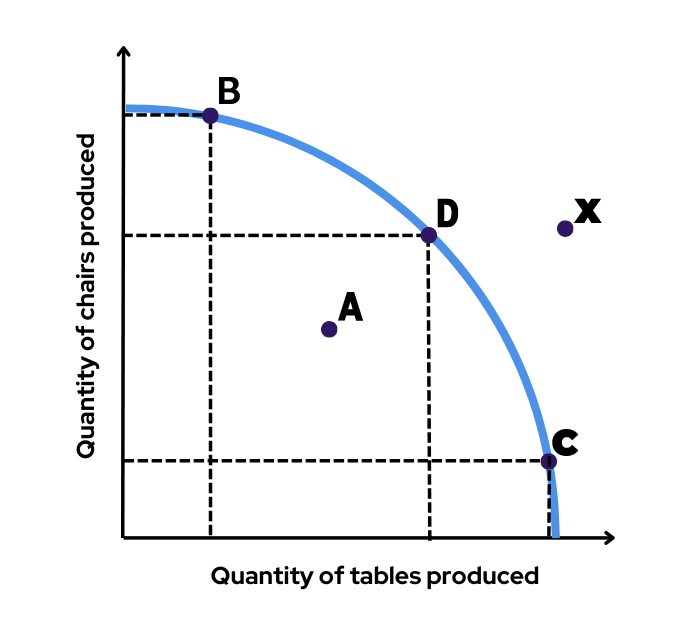
Regular financial audits of production processes provide an independent assessment of efficiency, identifying bottlenecks, excessive costs, and potential areas for improvement. Benchmarking production performance against industry best practices and competitors can also reveal significant opportunities for efficiency gains. By comparing key financial and operational metrics, businesses can set realistic yet ambitious targets, learn from leaders in their field, and implement proven strategies to enhance their own production efficiency and strengthen their financial position. This external perspective ensures that the pursuit of efficiency remains data-driven and strategically aligned with broader financial objectives.
In essence, efficient production is the disciplined pursuit of optimal resource utilization to drive financial performance. It’s a dynamic process of continuous refinement, underpinned by robust financial analysis and a commitment to minimizing waste while maximizing value, ultimately forging a stronger, more profitable enterprise.
aViewFromTheCave is a participant in the Amazon Services LLC Associates Program, an affiliate advertising program designed to provide a means for sites to earn advertising fees by advertising and linking to Amazon.com. Amazon, the Amazon logo, AmazonSupply, and the AmazonSupply logo are trademarks of Amazon.com, Inc. or its affiliates. As an Amazon Associate we earn affiliate commissions from qualifying purchases.