
The automotive industry’s relentless pursuit of efficiency and reduced emissions has driven significant advancements across all vehicle components, including one of the most fundamental: the battery. While the traditional lead-acid battery has powered vehicles for over a century, the advent of modern features like Stop-Start systems demanded a more robust and resilient power source. This necessity gave rise to several new battery technologies, among them the Enhanced Flooded Battery, or EFB. Far more than just a rebranded conventional battery, the EFB represents a crucial evolutionary step, engineered specifically to bridge the performance gap between standard flooded batteries and the more advanced Absorbent Glass Mat (AGM) technology.
The Evolution of Automotive Battery Technology
The landscape of automotive battery technology has undergone a quiet yet profound transformation over the last two decades. For most of automotive history, the conventional flooded lead-acid battery was the undisputed king, reliably providing the cranking power needed to start an engine and supporting basic electrical systems. Its design, involving lead plates immersed in a liquid electrolyte of sulfuric acid, was straightforward and effective for its time.
The Rise of Stop-Start Systems
A pivotal shift occurred with the widespread adoption of Stop-Start technology, a feature designed to automatically shut off the engine when the vehicle comes to a halt (e.g., at a traffic light) and instantly restart it when the driver releases the brake or engages the clutch. While highly effective at reducing fuel consumption and emissions, especially in urban driving conditions, Stop-Start systems impose immense stress on the vehicle’s battery. A traditional battery, optimized for a few powerful discharge cycles (engine cranking) interspersed with long periods of charging, simply isn’t designed for the hundreds or even thousands of shallow discharge-recharge cycles that a Stop-Start system demands during a typical journey. Such frequent cycling would rapidly degrade a conventional battery, leading to premature failure and unreliable performance.
Bridging the Gap: The Need for a New Solution
Automakers and battery manufacturers recognized the critical need for an intermediate battery solution that could withstand the rigors of basic Stop-Start operation without the higher cost and specific installation requirements of an AGM battery. The challenge was to create a battery that offered significantly improved cyclic stability, charge acceptance, and overall durability compared to conventional flooded types, yet remained more accessible and cost-effective than AGM batteries. This precise requirement spurred the development and refinement of the Enhanced Flooded Battery, which emerged as a pragmatic and effective answer, designed to support entry-level Stop-Start vehicles and other demanding applications.
Understanding Enhanced Flooded Batteries (EFB)
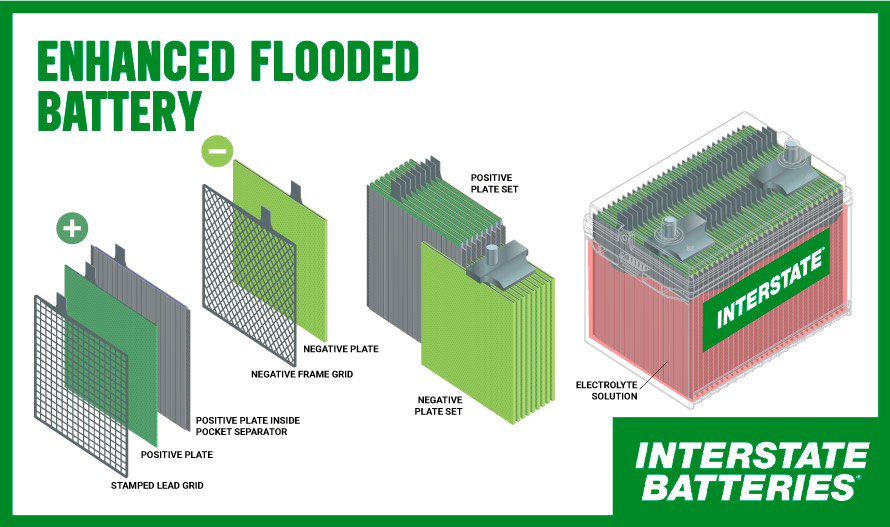
An EFB battery is, at its core, an advanced variant of the conventional flooded lead-acid battery, but with several critical internal enhancements that dramatically improve its performance characteristics, particularly its cyclic stability and charge acceptance. It retains the liquid electrolyte structure but incorporates design modifications that make it far more resilient to the frequent deep and shallow discharge cycles inherent in Stop-Start vehicle operation.
Core Technology and Construction
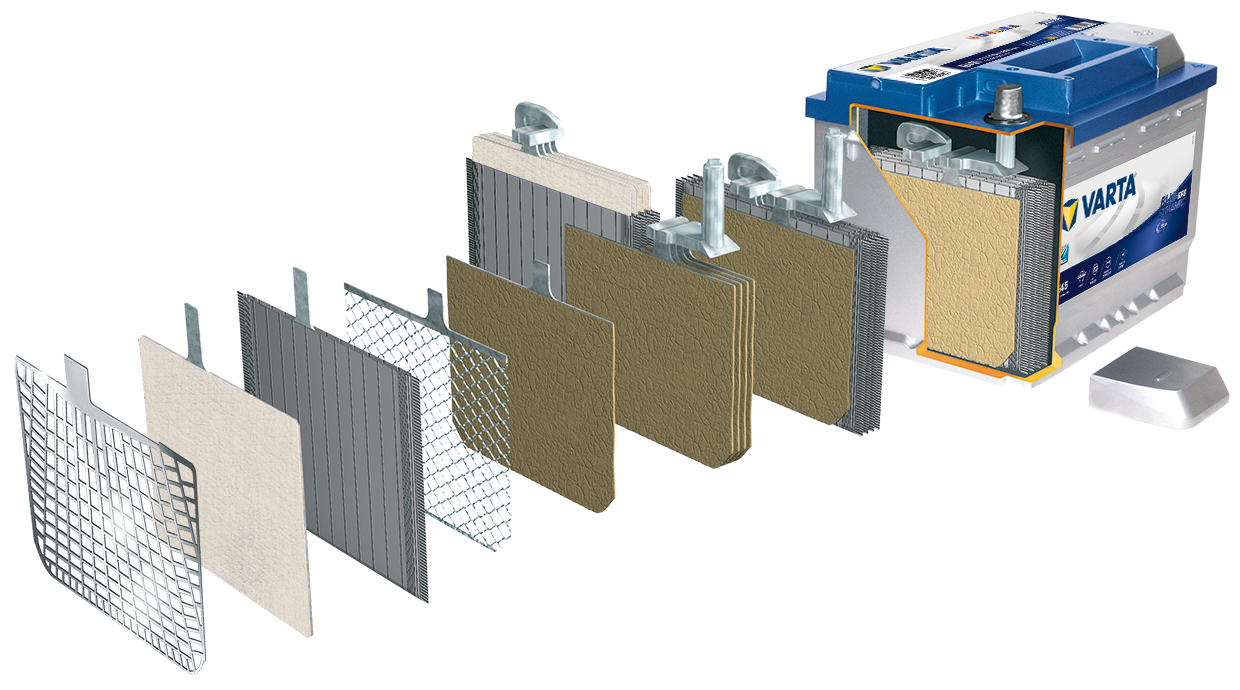
The fundamental architecture of an EFB battery remains familiar: positive and negative lead plates, separators, and a liquid electrolyte. However, the devil is in the details of its construction and material science. Unlike standard batteries, EFBs are engineered from the ground up to cope with the increased electrical demands of modern vehicles, especially those equipped with basic Stop-Start functionality. The structural integrity and chemical composition are optimized for enhanced durability and performance under specific stress profiles.
Key Internal Enhancements
Several key technological advancements differentiate EFBs from their conventional counterparts:
- Thicker Plates: EFB batteries typically feature thicker positive plates, which provide a larger surface area for electrochemical reactions and increase the amount of active material available. This contributes significantly to improved deep cycle performance and extended lifespan, as thicker plates are more resistant to grid corrosion and shedding of active material.
- Specialized Separators: The separators between the positive and negative plates are crucial for preventing short circuits while allowing ion flow. EFB batteries often use high-quality, robust polyolefin separators, sometimes reinforced with a thin glass mat or polyester scrim. These enhanced separators are designed to better hold the active material onto the plates, particularly the positive plate, which is prone to shedding under stress. This reinforcement helps prevent premature degradation and improves the battery’s ability to recover from deeper discharges.
- Carbon Additives in Active Material: A significant advancement in EFB technology involves the incorporation of carbon additives into the active material of the negative plates. Carbon improves the kinetics of the charging process, allowing the battery to accept charge more rapidly and efficiently, especially during the intermittent operation of Stop-Start systems. This increased charge acceptance is vital for quickly replenishing energy drawn during engine restarts.
- Improved Grid Alloys: The lead alloy used for the plate grids is often optimized for increased corrosion resistance and mechanical strength. This ensures the structural integrity of the plates over a longer operational life, even under conditions of high vibration and temperature fluctuations.
- Enhanced Electrolyte Mixing (Less Common but Present): Some EFB designs incorporate features that promote better electrolyte stratification resistance, such as circulation elements, though this is more pronounced in some advanced flooded designs and AGM. The core enhancements still focus on plate and separator technology.
How EFB Batteries Handle Demanding Operations
These internal enhancements culminate in a battery that can withstand challenging operational profiles:
- Cyclic Stability: EFBs offer significantly improved cyclic stability compared to conventional flooded batteries, typically capable of twice the number of cycles. This is paramount for Stop-Start applications where the battery undergoes frequent discharge and recharge cycles.
- Charge Acceptance: The carbon additives and optimized plate design allow EFBs to absorb energy much faster, which is critical for rapidly recovering charge from the alternator during short driving bursts between Stop-Start events.
- Vibration Resistance: With their robust plate construction and reinforced separators, EFBs generally exhibit better vibration resistance, making them suitable for a wider range of vehicles and driving conditions.
- Deep Discharge Resistance: While not as deep-cycle capable as an AGM, EFBs are more forgiving to deeper discharges than standard flooded batteries, allowing for better recovery and reduced capacity loss over time.
EFB vs. Standard Lead-Acid and AGM Batteries

Understanding where the EFB battery fits within the broader spectrum of automotive battery technologies requires a comparison with its predecessors and more advanced counterparts. Each technology serves specific purposes and offers distinct performance profiles and cost implications.
EFB vs. Conventional Flooded Batteries
The most direct comparison for an EFB battery is with the conventional flooded lead-acid battery. While both share the fundamental flooded electrolyte design, their performance in modern vehicle applications diverges sharply:
- Performance: EFB batteries significantly outperform conventional flooded batteries in terms of cyclic life (typically 2-3 times more cycles), charge acceptance, and resistance to deep discharge. A conventional battery would quickly degrade in a Stop-Start vehicle, while an EFB is designed to manage this stress.
- Application: Conventional batteries are suitable for vehicles without Stop-Start systems or high electrical loads. EFBs are specifically designed for vehicles with basic Stop-Start functionality and those with increased electrical demands that fall short of requiring an AGM.
- Cost: EFBs are generally more expensive than conventional flooded batteries due to their advanced internal components and manufacturing processes, but they offer superior longevity and reliability in appropriate applications.
EFB vs. Absorbent Glass Mat (AGM) Batteries
AGM batteries represent a further leap in lead-acid technology. In an AGM battery, the electrolyte is absorbed into fine fiberglass mats, making the battery completely sealed and spill-proof. This design offers several advantages:
- Cyclic Life & Deep Discharge: AGM batteries boast superior cyclic stability and deep discharge capabilities compared to EFBs, often handling 3-4 times more cycles than conventional batteries. They are ideal for high-end Stop-Start systems (where greater cycling is common), regenerative braking, and vehicles with very high electrical loads (e.g., many accessories, high-performance audio systems).
- Charge Acceptance: While EFBs have excellent charge acceptance, AGMs typically surpass them, recovering energy even faster, which is crucial for advanced Stop-Start and regenerative braking systems that constantly cycle the battery.
- Vibration Resistance: AGM batteries generally offer exceptional vibration resistance due to their tightly packed internal components.
- Safety & Maintenance: Being sealed, AGMs are maintenance-free, spill-proof, and can often be installed in the passenger compartment or trunk, as they do not vent hydrogen gas under normal operation. EFBs, being flooded, still require proper ventilation and are generally unsuitable for cabin installation.
- Cost: AGM batteries are the most expensive of the lead-acid variants, reflecting their advanced technology and superior performance characteristics. EFB batteries occupy a mid-tier position, offering enhanced performance at a more accessible price point than AGMs.
Choosing the Right Battery for Your Vehicle
The choice between EFB, conventional, and AGM batteries hinges on the vehicle’s specific requirements, primarily dictated by its electrical system and features.
- Conventional Battery: Suitable only for older vehicles or new vehicles without Stop-Start systems and minimal electrical accessories.
- EFB Battery: The correct choice for vehicles with basic Stop-Start systems, those with somewhat higher electrical demands than average, or commercial vehicles requiring robust starting power and moderate cyclic capability. It’s also an excellent upgrade for vehicles that originally came with a conventional battery but experience hard usage or frequent short trips.
- AGM Battery: Essential for vehicles with advanced Stop-Start systems, regenerative braking, very high electrical loads, or those requiring the battery to be installed in challenging locations (like the passenger compartment). If a vehicle originally came with an AGM, it should always be replaced with another AGM. Downgrading to an EFB or conventional battery will lead to rapid failure and potentially impact vehicle electronics.
Applications and Practical Considerations
The EFB battery technology has carved out a vital niche in the automotive market, serving a specific segment of modern vehicles with efficiency and reliability. Its design philosophy provides a pragmatic balance between cost and performance, making it an increasingly common sight under the hood.
Vehicles Benefiting from EFB Technology
EFB batteries are predominantly found in:
- Entry-Level Stop-Start Vehicles: Many manufacturers equip their basic Stop-Start models with EFB batteries. These vehicles feature less aggressive Stop-Start logic or fewer integrated systems that demand constant, rapid battery cycling compared to those requiring AGM.
- Vehicles with Increased Electrical Loads: Beyond Stop-Start, some standard vehicles, particularly those with a higher number of electronic accessories (infotainment systems, advanced lighting, etc.) without being full-blown luxury cars, benefit from an EFB’s enhanced durability and charge acceptance over a conventional battery.
- Commercial Vehicles: Certain light commercial vehicles or taxis, which experience frequent starts, long idle times, or demanding operating cycles, find the EFB’s robust construction and improved cyclic life advantageous for operational reliability.
- Upgrade for Conventional Battery Vehicles: For drivers of older vehicles who frequently make short trips, experience hard starting conditions, or simply want a more durable and reliable battery than a conventional flooded type, an EFB can serve as an excellent upgrade, offering superior performance and longevity.
Maintenance and Longevity Tips
While EFB batteries are considered low-maintenance, a few practices can help maximize their lifespan:
- Regular Charging: Ensure the vehicle’s charging system (alternator) is functioning correctly. Consistent undercharging is detrimental to any battery, including EFBs.
- Avoid Deep Discharges: Although more tolerant than conventional batteries, repeatedly discharging an EFB deeply (e.g., leaving lights on overnight) will shorten its life.
- Keep Terminals Clean: Corroded terminals impede current flow and charging efficiency.
- Professional Testing: Periodically have the battery tested by a professional, especially after 3-4 years of service, to assess its state of health and charge.
Environmental Impact and Recycling
Like all lead-acid batteries, EFB batteries are highly recyclable. The lead, plastic, and acid components can be reprocessed and used to manufacture new batteries. This makes lead-acid batteries one of the most successfully recycled consumer products globally. Proper disposal and recycling through certified centers are crucial to prevent environmental contamination and conserve natural resources. The advancements in EFB technology, by extending battery life in demanding applications, indirectly contribute to a reduction in waste by delaying the need for replacement, aligning with broader sustainability goals in the automotive sector.
aViewFromTheCave is a participant in the Amazon Services LLC Associates Program, an affiliate advertising program designed to provide a means for sites to earn advertising fees by advertising and linking to Amazon.com. Amazon, the Amazon logo, AmazonSupply, and the AmazonSupply logo are trademarks of Amazon.com, Inc. or its affiliates. As an Amazon Associate we earn affiliate commissions from qualifying purchases.