
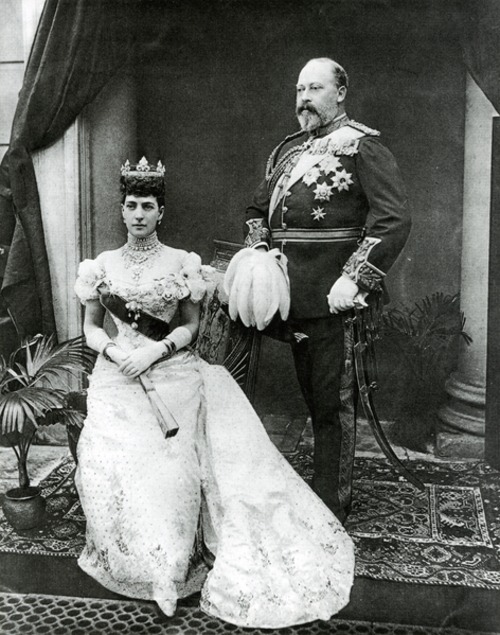
When we discuss the “Edwardian period,” we are technically referring to the reign of King Edward VII in the United Kingdom, spanning from 1901 to 1910, and often extended to the start of the First World War in 1914. However, in the context of brand strategy and corporate identity, the Edwardian period represents far more than a chronological slot on a timeline. It symbolizes the birth of modern luxury, the transition from industrial rigidity to lifestyle-driven commerce, and a unique visual language that continues to influence high-end branding today.

For modern brand strategists, the Edwardian era is a goldmine of inspiration. It was a time of “The Beautiful Era” (La Belle Époque), characterized by optimism, elegance, and the emergence of the global consumer. Understanding the Edwardian period allows brands to tap into a specific type of prestige that balances heritage with a sense of “new world” possibility.
Understanding the Edwardian Influence on Modern Brand Identity
The Edwardian period served as the ultimate bridge between the past and the future. To understand its impact on branding, one must first look at the era it replaced: the Victorian age. Where Victorianism was heavy, dark, and rooted in strict moral conservatism, the Edwardian period was light, airy, and centered on leisure and social status.
The Bridge Between Victorian Rigidity and Modern Fluidity
From a brand perspective, the Victorian era represented the “Production Era”—where the focus was on the machine and the utility of the product. The Edwardian period, conversely, saw the rise of the “Sales and Image Era.” Brands began to realize that they weren’t just selling a soap or a carriage; they were selling a lifestyle.
This shift is crucial for modern brands that want to position themselves as “legacy” players. By adopting Edwardian-inspired identity elements, a brand signals that it possesses the stability of the 19th century but the grace and innovation of the 20th. This “transitional branding” is a powerful tool for startups in the luxury space that want to appear established yet forward-thinking.
Elegance as a Strategic Positioning Tool
In the Edwardian period, elegance became a currency. This was the era of the “Grand Tour” and the rise of the department store as a palace of consumption. Brands like Selfridges (founded in 1909) revolutionized the retail experience by making shopping a leisure activity rather than a chore.
When a brand today uses Edwardian motifs—such as ornate scripts, gold foil, or symmetrical floral patterns—it is strategically positioning itself within the “Leisure Class.” This positioning allows for higher price points and a perception of artisanal quality. The Edwardian ethos suggests that the consumer has the time to appreciate the finer things, which is the cornerstone of high-end brand storytelling.
Key Elements of Edwardian Brand Design and Visual Language
To successfully execute a brand strategy rooted in the Edwardian period, one must master its specific visual cues. The aesthetic of this era was heavily influenced by Art Nouveau and the tail end of the Arts and Crafts movement, resulting in a look that is both organic and highly structured.
Typography and the Art of Graceful Curves
Edwardian typography is distinct from the blocky, serif-heavy fonts of the mid-1800s. It introduced more fluid, elongated lines and decorative swashes. Think of the iconic Coca-Cola script (refined during this era) or the classic lettering found on vintage apothecary bottles.
In modern brand design, Edwardian-inspired typography is used to convey a sense of bespoke craftsmanship. It works exceptionally well for boutique hotels, organic skincare lines, and heritage-style beverage brands. The key is balance; the type must look hand-drawn and sophisticated without becoming illegible. It communicates a “human touch” in an increasingly digital and automated world.
Color Palettes: Sophistication and Softness
The Edwardian palette moved away from the somber maroons and forest greens of the Victorian era toward “sweet pea” colors. Pastels, creams, soft golds, and “electric” blues (made possible by new dyeing techniques) became the standard.
For a corporate identity, this palette suggests openness and luxury. A brand using cream and gold feels more approachable and “lighter” than one using black and silver. This is why many high-end wedding and lifestyle brands gravitate toward Edwardian color schemes—they evoke a sense of timeless romance and effortless status.
Case Studies: Brands That Channel the Edwardian Spirit
Many of the world’s most successful luxury brands were either founded during the Edwardian period or have successfully pivoted to adopt its aesthetic to maintain their prestige.
Heritage Luxury: The Survival of Edwardian Grandeur
Consider the brand identity of Rolls-Royce, founded in 1906. The “Spirit of Ecstasy” hood ornament, created in 1911, is the quintessential Edwardian symbol—representing speed, grace, and the beauty of the machine age. Rolls-Royce does not just sell a car; it sells the Edwardian ideal of the “gentleman’s motor.” By maintaining these historical touchpoints, the brand justifies its position at the absolute pinnacle of the automotive market.
Similarly, brands like Cartier and Tiffany & Co. flourished during this period by catering to the “New Money” of the Gilded Age. Their packaging and store designs still lean heavily on the symmetry and floral elegance of Edwardian architecture. They understand that their value lies in their history, and they use the Edwardian period as a shorthand for “unbreakable tradition.”
Modern Revivals: The “Grandmillennial” Aesthetic in Branding
In recent years, we have seen a surge in the “Grandmillennial” or “Cottagecore” trends, which are essentially modern reinterpretations of Edwardian domesticity. Direct-to-consumer (DTC) brands in the home goods and fashion sectors are moving away from the “Millennial Pink” minimalism of the 2010s and toward Edwardian-inspired maximalism.
Brands like Liberty London or even modern wallpaper companies are seeing a resurgence by leaning into the intricate patterns and “comfortable luxury” of the early 1900s. This shift proves that the Edwardian period provides a sense of comfort and stability that modern consumers crave in a volatile digital economy.
Leveraging the Edwardian Ethos for Personal Branding
The Edwardian period wasn’t just about corporate brands; it was the era of the “Socialite” and the “Public Intellectual,” providing a blueprint for modern personal branding.
Cultivating an Aura of Timeless Expertise
In the Edwardian era, personal reputation was everything. To build a personal brand today that mirrors this, one must focus on “Social Capital.” This means prioritizing long-term relationships over short-term “hacks” and maintaining a level of public decorum that suggests high status.
An Edwardian-style personal brand is built on the pillars of expertise and presentation. Whether it is through a meticulously curated LinkedIn profile or a signature speaking style, adopting a “polished” Edwardian approach can help consultants, lawyers, and executives stand out in a sea of casual, “authentic” modern branding. It suggests a level of seriousness and mastery that commands a premium.
The Balance of Formalism and Accessibility
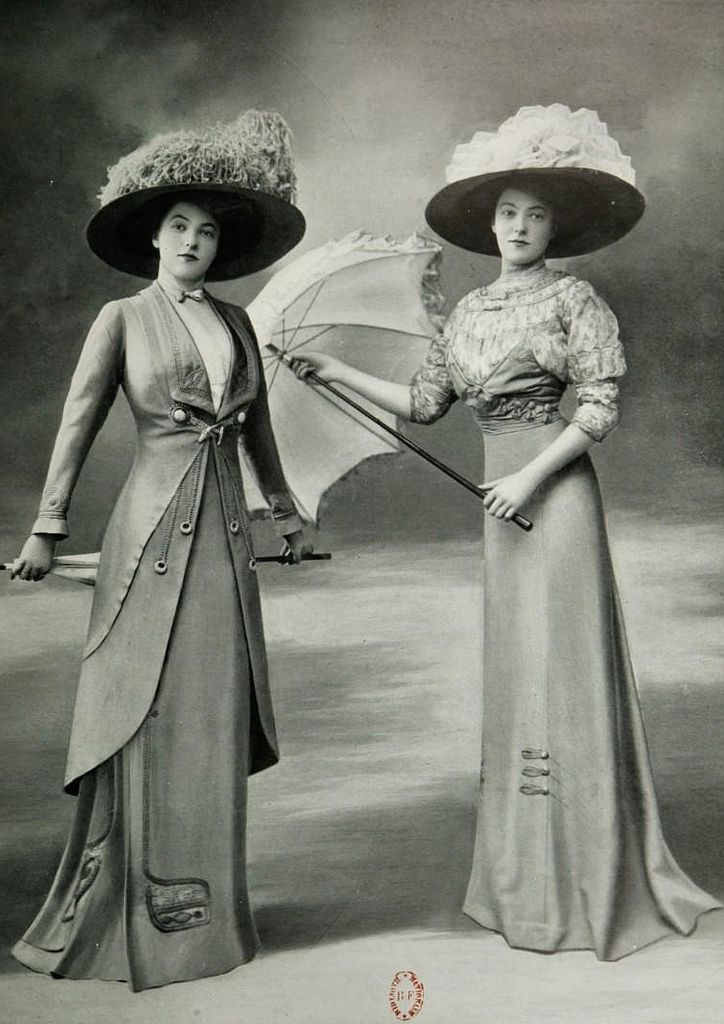
One of the most interesting aspects of Edwardian society was the rise of “the weekend” and outdoor sports like tennis and motoring. This created a new type of “informal-formal” dress and behavior.
Modern personal brands can learn from this by balancing high-level professional authority with relatable lifestyle content. The “Edwardian” way to do this is to show behind-the-scenes glimpses of a high-status life—not in a “flashy” way, but in a way that suggests refined taste. It is the difference between showing off a sports car (Victorian/Industrial power) and showing a beautifully set table in a garden (Edwardian lifestyle).
The Future of Heritage Branding: Why the Edwardian Era Still Matters
As we move further into the 21st century, the “Edwardian period” remains a vital reference point for brand strategists. In an age of AI-generated content and rapid-fire trends, consumers are increasingly drawn to brands that feel “rooted.”
The Edwardian era represents the last moment before the world became fully modernized and mechanized. It holds a nostalgic charm for a time when things were built to last, yet people were starting to dream of the future. For a brand, tapping into this era is a way to say: “We have the soul of the past and the vision of the future.”
By incorporating Edwardian principles—whether through visual design, color theory, or the philosophy of leisure—brands can create a deep, emotional connection with their audience. It is an aesthetic of optimism, a strategy of elegance, and a brand identity that, much like the era itself, remains timelessly sophisticated. In the world of branding, the Edwardian period isn’t just history; it is a masterclass in how to be unforgettable.
aViewFromTheCave is a participant in the Amazon Services LLC Associates Program, an affiliate advertising program designed to provide a means for sites to earn advertising fees by advertising and linking to Amazon.com. Amazon, the Amazon logo, AmazonSupply, and the AmazonSupply logo are trademarks of Amazon.com, Inc. or its affiliates. As an Amazon Associate we earn affiliate commissions from qualifying purchases.