
In an increasingly interconnected world, where borders are both physical and transactional, the documents we carry play a pivotal role in our financial mobility and security. Among these, the Enhanced Driver’s License (EDL) stands out as a powerful, yet often misunderstood, tool that extends far beyond the typical function of a standard driver’s license. For individuals navigating cross-border living, business, or frequent travel, understanding the EDL is not just about identification; it’s about optimizing financial resources, streamlining processes, and ensuring seamless participation in various economic activities.
The Financial Utility of an Enhanced Driver’s License
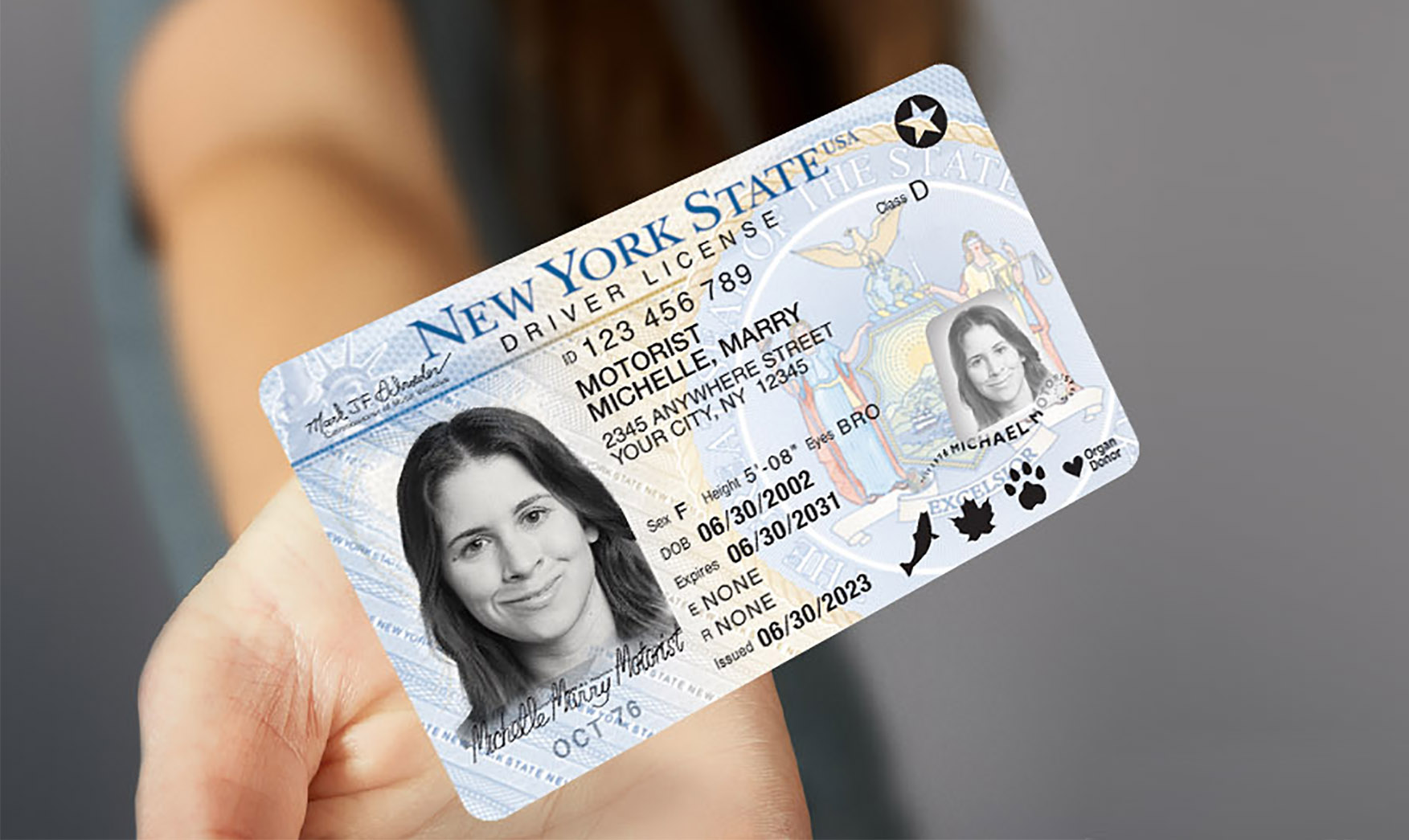
An EDL is more than just a credential to operate a motor vehicle; it’s a federally compliant identification document that serves as proof of identity and U.S. citizenship. Issued by certain states, it facilitates easier land and sea travel between the U.S. and Canada, Mexico, and the Caribbean nations, eliminating the need for a passport in many scenarios. This distinction carries significant financial implications, positioning the EDL as a strategic personal finance tool for many.
Beyond Basic Identification: Enabling Cross-Border Commerce and Travel
For residents in border states or those with frequent family or business ties across contiguous borders, an EDL offers unparalleled convenience. Consider the cross-border commuter or the small business owner who regularly transports goods or services between the U.S. and Canada or Mexico. Relying solely on a passport for these frequent crossings would introduce unnecessary delays and logistical hurdles. An EDL, with its RFID (Radio-Frequency Identification) chip and machine-readable zone, is designed for rapid verification at land and sea ports of entry. This efficiency translates directly into saved time, which for businesses, is directly equated to money. Less time spent at customs means more time engaged in productive, income-generating activities. For individuals, it means more efficient travel, reducing the potential for missed appointments or delayed deliveries, both of which can incur costs.
Cost-Effectiveness vs. Passports
One of the most compelling financial arguments for an EDL is its cost-effectiveness compared to a passport. While the exact fees vary by state, an EDL typically costs only slightly more than a standard driver’s license renewal, often an additional $15-$30 over the base license fee. In contrast, a U.S. passport book can cost upwards of $130, not including expedited service fees or passport photo expenses. For individuals who primarily travel by land or sea to Canada, Mexico, or the Caribbean (destinations where an EDL is accepted), opting for an EDL can represent a substantial saving.
Furthermore, passports often have a shorter validity period than driver’s licenses (10 years for adults vs. typically 5-8 years for a driver’s license). While both require renewal, the upfront cost differential makes the EDL an attractive financial alternative for specific travel needs, freeing up capital that might otherwise be tied up in a passport for infrequent or unnecessary air travel. This strategic allocation of funds is a core principle of personal financial management.
Facilitating Financial Transactions and Verification
Beyond travel, any form of government-issued identification is foundational for myriad financial transactions. Opening bank accounts, applying for loans or credit cards, cashing checks, purchasing age-restricted items, or verifying identity for employment all require robust proof of identity. While a standard driver’s license generally suffices for domestic transactions, the enhanced security features and federal compliance of an EDL can subtly reinforce its reliability. For institutions dealing with individuals who may have cross-border financial activities or addresses, an EDL serves as a highly credible document. Its embedded security features, designed to prevent counterfeiting and identity fraud, can instill greater confidence in financial service providers, potentially streamlining identity verification processes which are critical for Know Your Customer (KYC) compliance.
Eligibility and Application: An Investment in Mobility
Obtaining an EDL is not merely a bureaucratic step; it’s a deliberate investment in enhanced personal mobility and financial flexibility. Understanding the requirements and process is crucial to ensure this investment pays off.
Understanding the Requirements
Eligibility for an EDL is tied to both state residency and U.S. citizenship. Applicants must be a U.S. citizen and a resident of one of the participating states (currently Michigan, Minnesota, New York, Vermont, and Washington). This limits its availability but enhances its specific utility for residents of these key border states. The documentation required typically includes proof of identity (e.g., birth certificate, passport), proof of Social Security number, and proof of residency. These stringent requirements ensure the integrity of the document, reinforcing its value as a secure form of identification. From a financial perspective, gathering these documents upfront minimizes the potential for repeat visits to the DMV, saving time and potential transportation costs.

The Application Process: Time and Money
The application process for an EDL is generally more rigorous than for a standard driver’s license. It often requires an in-person visit to the Department of Motor Vehicles (DMV) or equivalent state agency, where identity and citizenship documents are meticulously verified. While this process may seem more involved, it is a necessary part of establishing the enhanced security and legitimacy of the document. The associated fees, as mentioned, are an additional cost over a standard license, but they are a direct investment in the benefits derived. Individuals should factor in the cost of the license itself, potential fees for obtaining copies of required documents (e.g., certified birth certificates), and the opportunity cost of time spent at the DMV. Proper preparation can significantly reduce this latter cost, making the investment more efficient.
Economic Benefits for Cross-Border Lifestyles
The true economic value of an EDL becomes most apparent for individuals and businesses operating within a cross-border context. It is a facilitator of economic activity and a reducer of friction in international interactions.
For Commuters and Frequent Travelers
For workers, students, or retirees who frequently cross the U.S.-Canada or U.S.-Mexico border, an EDL is an invaluable asset. It allows for smoother and faster processing at customs checkpoints, reducing commute times and making cross-border employment or education more feasible. Imagine a nurse working in a Canadian hospital while living in a border city in New York, or a student attending university in Washington state but living just across the border in British Columbia. An EDL dramatically simplifies their daily transit, saving hours over weeks and months that would otherwise be spent waiting. This efficiency can directly impact earning potential (less time commuting, more time working) or educational attainment, representing a tangible financial benefit.
Supporting Local and Cross-Border Economies
The ease of movement provided by an EDL doesn’t just benefit the individual; it strengthens local economies in border regions. By making it simpler for people to cross for shopping, dining, tourism, or business meetings, EDLs encourage economic exchange. A Canadian shopper can easily visit a U.S. border town for retail therapy, bringing foreign currency into the local economy. Similarly, U.S. residents can access goods and services across the border with minimal fuss. This free flow of legitimate traffic supports businesses on both sides, fostering economic vitality and potentially creating jobs. From a macroeconomic perspective, such frictionless movement is crucial for regional economic integration and growth.
Digital Security and Your Financial Identity
The technological features that make an EDL “enhanced” also contribute to its role in protecting your financial identity in the digital age.
Protecting Personal Financial Information
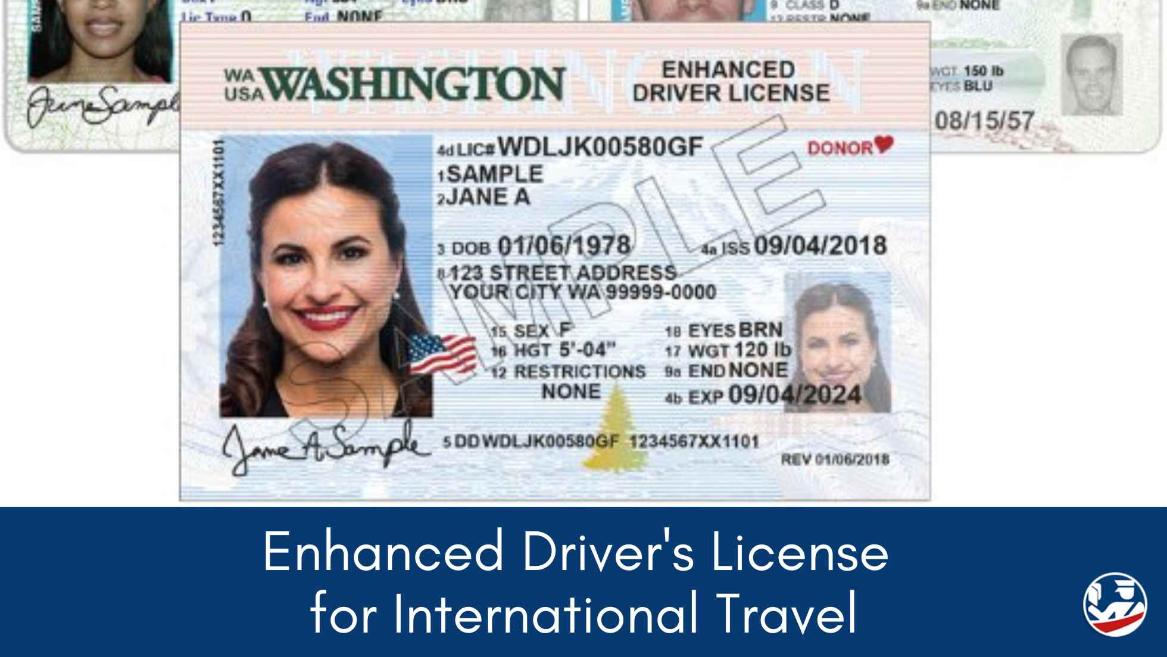
EDLs incorporate advanced security features, including the aforementioned RFID chip. While the chip transmits information wirelessly, it is designed to be read only at short ranges by authorized border officials. Many EDLs also come with a protective sleeve to prevent unauthorized skimming, safeguarding the personal data embedded within. In an era where data breaches and identity theft are growing concerns, the robust security protocols of an EDL are a significant advantage. This heightened security helps ensure that the identity information used for travel and financial transactions remains protected, reducing the risk of fraudulent activities that could have devastating financial consequences.
Mitigating Identity Theft Risks
Because an EDL contains more secure data than a standard driver’s license and is backed by a more stringent verification process during issuance, it can be a more secure form of primary identification. When used for identity verification with financial institutions, its advanced features can help mitigate the risk of identity theft. Financial institutions are increasingly employing advanced verification technologies, and a document like an EDL, with its layered security, can fit seamlessly into these processes. By providing a highly reliable and secure form of identification, an EDL helps individuals protect their financial assets and credit, serving as a proactive measure against the ever-present threat of financial fraud.
In essence, an Enhanced Driver’s License is a forward-thinking identification solution that offers tangible financial benefits. For those living or engaging in commerce in border regions, it’s not just a convenience but a strategic tool for personal finance, efficient travel, and robust identity security. It represents a modest investment that yields substantial returns in terms of time saved, costs avoided, and peace of mind.
aViewFromTheCave is a participant in the Amazon Services LLC Associates Program, an affiliate advertising program designed to provide a means for sites to earn advertising fees by advertising and linking to Amazon.com. Amazon, the Amazon logo, AmazonSupply, and the AmazonSupply logo are trademarks of Amazon.com, Inc. or its affiliates. As an Amazon Associate we earn affiliate commissions from qualifying purchases.