
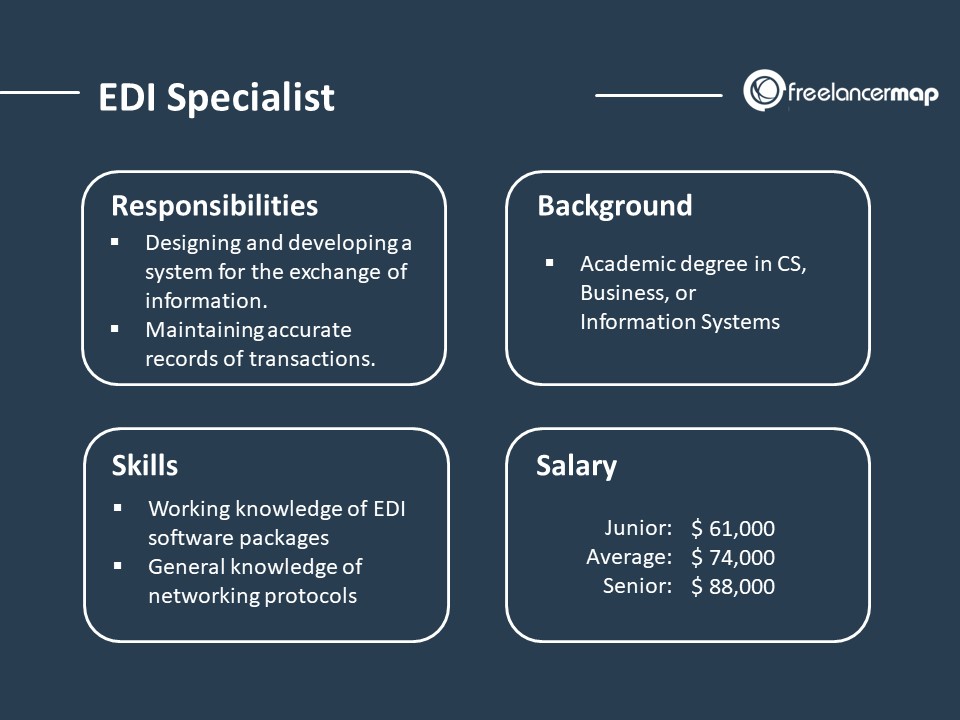
In the modern landscape of global supply chains and digital ecosystems, the term “EDI experience” has become a cornerstone of technical proficiency. EDI, or Electronic Data Interchange, is the computer-to-computer exchange of business documents in a standard electronic format between business partners. For a technology professional, “EDI experience” refers to the specialized knowledge required to implement, manage, and optimize these automated communication systems.
As businesses move away from manual processes—such as paper-based invoicing and email-driven purchase orders—the technical infrastructure provided by EDI becomes the backbone of operational efficiency. Having EDI experience means understanding the bridge between raw business data and the complex protocols that allow disparate software systems to “speak” to one another without human intervention.
The Technical Architecture of EDI Systems
To understand what constitutes EDI experience, one must first grasp the technical layers that make electronic interchange possible. It is not merely about sending a file; it is about the structured translation of data.
Standard Formats: The Grammar of EDI
The core of EDI experience lies in a deep familiarity with data standards. Unlike a PDF or a Word document, which are intended for human eyes, EDI files are designed for machine consumption. Professionals in this field must be proficient in various standards such as:
- ANSI X12: The primary standard used in North America across various industries.
- EDIFACT: The international standard developed by the United Nations, prevalent in Europe and Asia.
- HL7: Specifically used in the healthcare sector for the exchange of clinical and administrative data.
- TRADACOMS: A legacy standard still used in the UK retail sector.
Understanding these formats involves knowing the specific “segments” and “elements” that make up a transaction, such as an 850 Purchase Order or an 810 Invoice.
Communication Protocols: The Delivery Mechanisms
Once a document is formatted correctly, it must be transmitted securely. Technical EDI experience involves managing various communication protocols. The most common include AS2 (Applicability Statement 2), which uses digital certificates and encryption to ensure secure delivery over the internet. Other protocols include SFTP (Secure File Transfer Protocol), FTPS, and the traditional VANs (Value Added Networks), which act as a private post office for digital business documents.
Translation Software and Middleware
The “experience” factor often boils down to proficiency with specific software tools. EDI professionals work with translation software (mappers) that converts internal data—usually from an ERP (Enterprise Resource Planning) system like SAP, Oracle, or Microsoft Dynamics—into the required EDI standard. This process requires a logical mindset to map data fields accurately so that a “Customer Name” in one system perfectly aligns with the corresponding segment in the EDI file.
Key Components of Professional EDI Management
Having EDI experience is not a static trait; it involves managing the lifecycle of data integration. This requires a blend of system administration, data analysis, and software engineering.
Mapping and Data Integration
The most critical technical skill in the EDI world is “mapping.” This is the process of creating a literal map that tells the software how to move data from Point A to Point B. If a retail giant like Walmart requires a specific date format in their shipping notices, the EDI specialist must write the logic to transform the supplier’s internal data to match that specific requirement. This often involves using specialized mapping tools or writing custom scripts in languages like Python, Java, or XSLT.
Trading Partner Onboarding
In the tech world, “onboarding” refers to the technical setup of a new business partner. This involves configuring the communication channel, exchanging security certificates, and performing rigorous “connectivity testing” and “data validation.” A professional with EDI experience knows how to navigate the technical specifications (the “Implementation Guide”) provided by a partner to ensure that the first “live” document flows through without a glitch.

Error Handling and Troubleshooting
Systems fail, and in the world of high-volume data, a single error can halt a multi-million dollar shipment. Technical EDI experience includes the ability to perform “root cause analysis.” When a transmission fails, the professional must determine if it was a network timeout, a decryption failure, or a data validation error where a mandatory field was missing. Mastery of “Functional Acknowledgments” (like the 997 or 999 documents) is essential for monitoring the health of the data flow.
The Evolution: From Legacy EDI to Modern Cloud-Based Solutions
The technology behind EDI is not stagnant. A significant part of modern EDI experience involves transitioning from legacy, “on-premise” systems to agile, cloud-native environments.
The Shift to SaaS and Managed Services
Historically, companies maintained massive, expensive EDI servers in-house. Today, much of this has shifted to SaaS (Software as a Service) EDI platforms. Experience now includes managing cloud environments like Boomi, MuleSoft, or SPS Commerce. These platforms offer pre-built connectors that simplify the integration process, but they still require a technical hand to configure the complex business logic that sits behind the interface.
The Role of APIs in Hybrid Integration
One of the most significant trends in the tech niche is the convergence of EDI and APIs (Application Programming Interfaces). While EDI is “batch-based” (sending groups of documents at scheduled intervals), APIs allow for real-time data exchange. Modern EDI experience involves building “hybrid” integrations where traditional EDI is used for legacy partners, while RESTful APIs are used for real-time inventory updates or shipping tracking.
Automation and AI in Data Translation
The cutting edge of EDI technology now involves Machine Learning (ML) and Artificial Intelligence. Professionals are beginning to use AI to automate the mapping process. By analyzing thousands of previous transactions, AI can suggest the most likely mapping paths, significantly reducing the time required to onboard new partners. Understanding how to audit and oversee these automated systems is a rapidly emerging requirement for high-level technical roles.
Why EDI Experience is a Critical Technical Skillset
In the broader context of Information Technology, EDI is often the unsung hero. It is the invisible glue that holds global trade together. For a developer or a systems architect, possessing EDI experience offers a unique advantage in the job market.
Enhancing Supply Chain Visibility
Technology is only as good as the data it provides. EDI allows for “end-to-end visibility.” When a technician automates the 856 Advance Ship Notice (ASN), they are providing the warehouse with the exact technical data needed to prepare for a delivery. This synchronization reduces latency and prevents the “data silos” that often plague large organizations.
Security and Technical Compliance
EDI is inherently tied to cybersecurity. Because it involves the transfer of sensitive financial and personal data, EDI systems must adhere to strict compliance standards such as SOC2, HIPAA (in healthcare), and GDPR. A professional with EDI experience understands the technical requirements for data encryption at rest and in transit, ensuring that the company’s digital perimeter remains secure while allowing authorized data to flow through.
Operational Efficiency Through Automation
At its core, EDI is a technology of automation. By eliminating manual data entry, EDI reduces the “human error” factor to near zero. From a technical perspective, this involves setting up automated triggers—for example, when a “Ship” button is clicked in the ERP, the EDI system automatically generates, translates, and transmits the document. Building these “set-it-and-forget-it” workflows is the ultimate goal of any EDI implementation.
Conclusion: The Future of EDI Experience
As we look toward the future, the definition of EDI experience will continue to expand. It will encompass not just the traditional X12 and EDIFACT standards, but also the integration of IoT (Internet of Things) sensors—where a shipping container can automatically trigger an EDI status update—and Blockchain, providing an immutable ledger for every transaction sent.
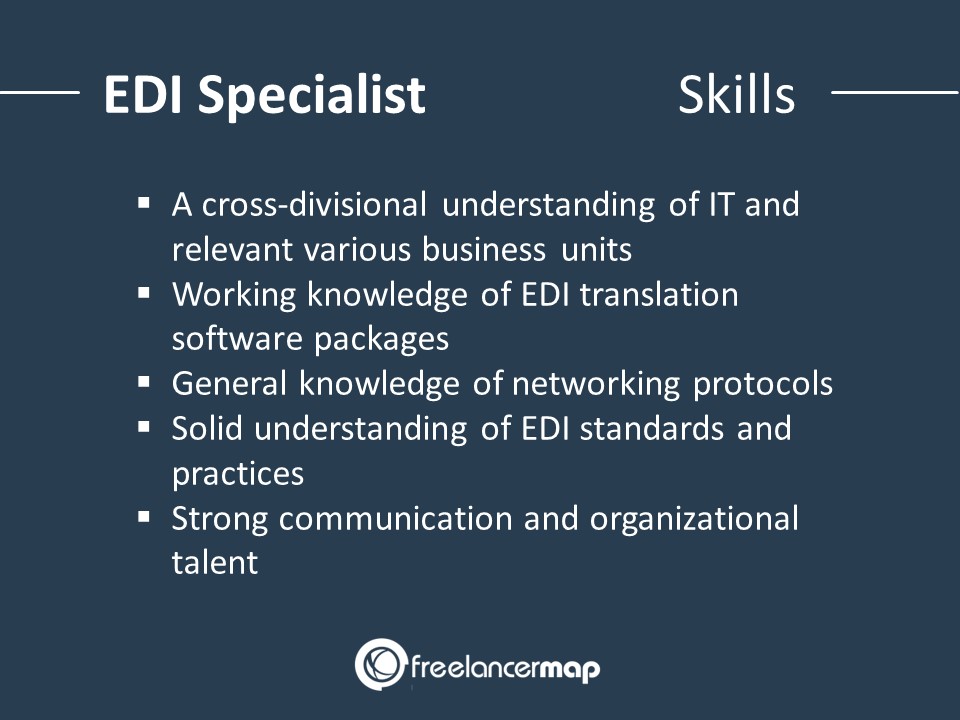
For those in the tech niche, EDI experience represents more than just a niche skill; it is the mastery of the digital infrastructure that fuels global business. It requires a unique blend of logic, protocol knowledge, and a deep understanding of how data moves across the world. In an increasingly connected digital economy, the ability to architect, manage, and secure these electronic exchanges remains one of the most vital technical competencies a professional can possess.
aViewFromTheCave is a participant in the Amazon Services LLC Associates Program, an affiliate advertising program designed to provide a means for sites to earn advertising fees by advertising and linking to Amazon.com. Amazon, the Amazon logo, AmazonSupply, and the AmazonSupply logo are trademarks of Amazon.com, Inc. or its affiliates. As an Amazon Associate we earn affiliate commissions from qualifying purchases.