
The Emergency Department as a Core Financial Pillar in Healthcare
When one asks, “what is an ED hospital,” the immediate thought often gravitates towards its critical role in providing immediate medical care for acute illnesses and injuries. However, from a comprehensive financial perspective, an Emergency Department (ED) within a hospital system transcends its clinical function to become a significant, multifaceted business unit. It represents a complex interplay of substantial operating costs, diverse revenue streams, and unique financial challenges that profoundly impact the overall financial health and sustainability of its parent institution. Understanding an ED means recognizing its deep integration into the broader financial ecosystem of healthcare.
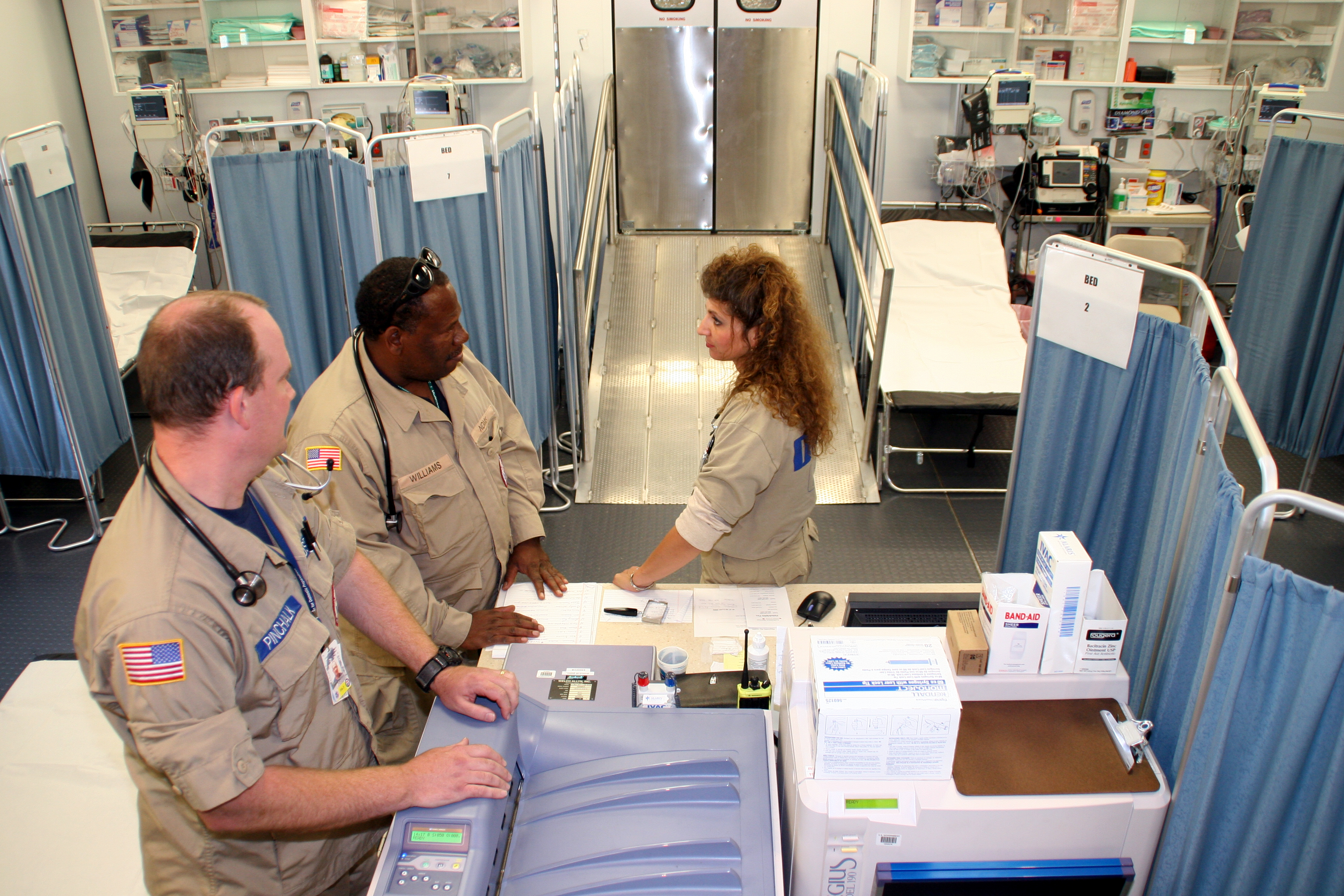
Defining the ED’s Economic Role
An ED is far more than just a medical service; it is a vital economic engine, often operating as both a significant cost center and, for many hospitals, a crucial revenue driver. Its 24/7 operational demand, specialized staffing, and advanced technological requirements necessitate continuous and substantial financial investment. The financial performance of an ED can directly influence a hospital’s solvency, its ability to invest in new technologies or expand services, and its capacity to serve the community effectively. It acts as the primary access point for many patients into the hospital system, subsequently driving admissions, diagnostic procedures, and specialist consultations, all of which contribute to the hospital’s overall economic activity.
Interdependence with Hospital Business Finance
The financial health of an ED is inextricably linked to the broader business finance strategies of the hospital. Factors such as ED patient volume, the mix of insured versus uninsured patients (payer mix), and the severity of conditions treated directly correlate with the hospital’s financial performance. Effective budgeting and strategic resource allocation are paramount for managing an ED. Hospitals must carefully balance the humanitarian mandate of emergency care with the economic realities of operating a high-cost, high-volume service. This involves sophisticated financial modeling to project demand, optimize staffing levels, and manage inventory to ensure both clinical excellence and fiscal responsibility.
Unpacking the Costs: The High Financial Overhead of Emergency Care
Operating an ED is an inherently expensive undertaking, driven by its non-stop, readiness-at-any-moment model. The costs associated with an ED are diverse and substantial, making it one of the most resource-intensive departments within any hospital.
Staffing: A Major Investment
The most significant financial investment in an ED is its human capital. A fully functional ED requires a multidisciplinary team available around the clock, including emergency physicians, registered nurses, physician assistants, nurse practitioners, paramedics, technicians (e.g., radiology, lab), and administrative support staff. These professionals often possess specialized training in emergency medicine, trauma care, and critical care, commanding competitive salaries and benefits. The 24/7 nature of emergency services also necessitates shift differential pay and often requires overtime, further escalating labor costs. Beyond direct compensation, hospitals face substantial expenses related to recruitment, ongoing professional development, and strategies to combat burnout and improve retention in a high-stress environment.
Equipment, Technology, and Infrastructure
Modern emergency departments rely heavily on state-of-the-art medical equipment and advanced technology. This includes sophisticated diagnostic imaging modalities like CT scanners, MRI machines, and ultrasound equipment, as well as comprehensive laboratory testing capabilities. Advanced resuscitation equipment, patient monitoring systems, and specialized procedural tools are also critical. The physical infrastructure itself is costly, requiring specialized trauma rooms, isolation rooms, and secure areas, all designed for rapid response and patient safety. Maintaining these facilities, along with the continuous utility consumption for a 24/7 operation, adds significant fixed costs. Furthermore, the robust IT infrastructure necessary for electronic health records (EHRs), patient tracking systems, and seamless billing processes represents a substantial, ongoing capital and operational expenditure.
Supplies, Medications, and Regulatory Compliance
The sheer variety and volume of medical supplies and pharmaceuticals required for an ED are staggering. From basic bandages and splints to specialized trauma kits, surgical instruments, and a wide array of emergency medications, inventory management is a complex financial challenge. These supplies must be readily available and often have expiration dates, leading to potential waste if not managed efficiently. Additionally, EDs operate under stringent regulatory guidelines from bodies like the Centers for Medicare & Medicaid Services (CMS) and various accreditation organizations. Meeting these compliance standards requires continuous investment in training, reporting systems, and quality assurance processes, all of which contribute to the department’s operational overhead.
Revenue Streams and the Complexities of ED Billing
While an ED incurs substantial costs, it also serves as a critical source of revenue for hospitals. However, the process of generating and collecting this revenue is fraught with complexities, influenced by payer mixes, regulatory mandates, and the unique nature of emergency care.
Sources of Income for Emergency Services
Revenue for ED services primarily comes from two categories: professional fees, which cover the services rendered by physicians and other licensed providers, and facility fees, which cover the hospital’s overhead for providing the physical space, equipment, and support staff. These fees are collected from various payers, including government programs like Medicare and Medicaid, commercial health insurance companies, and directly from self-pay patients. The reimbursement rates for these services vary significantly across different payers, often creating a challenging financial puzzle for hospitals to solve.

The Enigma of Uncompensated Care
A unique financial aspect of EDs is the legal mandate to treat all patients seeking emergency care, regardless of their ability to pay, as stipulated by the Emergency Medical Treatment and Labor Act (EMTALA). While a cornerstone of ethical healthcare, this mandate places a significant financial burden on hospitals in the form of uncompensated care—charity care for those who qualify and bad debt from patients unable or unwilling to pay. This cost often gets absorbed by the hospital, impacting its operating margins and requiring cross-subsidization from other, more profitable hospital services or from higher charges to insured patients.
Navigating Insurance and Payer Models
The landscape of health insurance and payer models adds layers of complexity to ED finance. Hospitals must navigate a multitude of contracts with commercial insurers, each with its own negotiated rates, coverage policies, and pre-authorization requirements (though typically waived for true emergencies). Patients with high-deductible health plans often face substantial out-of-pocket expenses, leading to difficulties in collecting payment. Furthermore, issues like in-network versus out-of-network billing can result in “surprise bills” for patients and administrative headaches for hospitals, highlighting the need for transparent communication and robust billing practices.
Financial Strategies and Business Acumen in ED Management
Given the high costs and complex revenue streams, effective financial management and strategic business acumen are paramount for successful ED operations. Hospitals employ various strategies to optimize financial performance while maintaining high standards of patient care.
Optimizing Operational Efficiency for Cost Control
A key focus for ED financial managers is enhancing operational efficiency. This includes throughput management initiatives aimed at reducing patient wait times and improving patient flow from arrival to discharge or admission. Lean management principles are often applied to identify and eliminate waste in processes, from supply chain management to patient registration. Strategic staffing models and scheduling optimization leverage data analytics to ensure appropriate staff levels without incurring unnecessary overtime, balancing patient demand with workforce costs.
Strategic Investments and Technology Integration
Hospitals are increasingly making strategic investments in technology to improve ED financial performance. Telehealth services for lower-acuity cases can divert non-emergency visits from the ED, reducing overcrowding and allowing the department to focus on critical cases. Artificial intelligence and predictive analytics are being deployed to forecast patient demand, optimize resource allocation, and even streamline administrative tasks like billing and coding, ensuring greater accuracy and faster reimbursement. Such technological integrations are not just clinical enhancements but critical financial tools.
The Evolving Landscape of ED Finance
The financial landscape for EDs is continually evolving. There’s a growing shift towards value-based care models, where reimbursement is tied to quality outcomes rather than simply the volume of services. This pushes EDs to focus not just on efficiency but on preventing readmissions and improving patient satisfaction. Strategic partnerships with urgent care centers, primary care clinics, and community health organizations are also becoming crucial for managing appropriate ED utilization, ensuring patients receive care in the most financially appropriate and clinically suitable setting. Advocacy for fair reimbursement rates and policy changes to address issues like surprise billing and uncompensated care remains an ongoing effort for hospital financial leaders.
The Patient’s Financial Journey Through the ED
For the patient, an ED visit can be a source of significant financial stress, often compounded by the acute nature of their medical emergency. Understanding the financial aspects from the patient’s perspective is critical for both individuals and hospitals.
Decoding the ED Bill
Patients frequently encounter complex ED bills that can be difficult to interpret. Often, a single ED visit will generate multiple charges: a facility fee from the hospital and separate professional fees from individual physicians (emergency medicine, radiology, pathology, etc.), sometimes even from different provider groups. This separation can lead to confusion and the perception of inflated costs. Patients often struggle to understand itemized billing, the rationale behind specific charges, and how their insurance benefits apply to each line item.
Insurance Coverage and Out-of-Pocket Expenses
Even with health insurance, an ED visit can result in substantial out-of-pocket expenses due to deductibles, co-pays, and co-insurance. High-deductible health plans, in particular, can leave patients responsible for thousands of dollars before their insurance coverage fully kicks in. Furthermore, if a patient receives care from an out-of-network provider within an in-network hospital ED, they may be subject to “surprise billing,” where they are charged the difference between the provider’s billed amount and the insurance company’s allowed amount.

Resources for Financial Assistance
Recognizing the financial burden on patients, many hospitals offer resources to help navigate the costs of emergency care. Financial counselors are available to explain bills, discuss insurance benefits, and explore payment options. Hospitals typically have policies for setting up payment plans and applying for charity care for eligible low-income or uninsured patients. Advocacy groups and new legislation aimed at price transparency and protection against surprise billing are also emerging, empowering patients with more information and recourse in their financial journey through the ED.
aViewFromTheCave is a participant in the Amazon Services LLC Associates Program, an affiliate advertising program designed to provide a means for sites to earn advertising fees by advertising and linking to Amazon.com. Amazon, the Amazon logo, AmazonSupply, and the AmazonSupply logo are trademarks of Amazon.com, Inc. or its affiliates. As an Amazon Associate we earn affiliate commissions from qualifying purchases.