
The economy of a country is far more than just its financial markets; it is the grand, intricate system through which resources are allocated, goods and services are produced, distributed, and consumed. At its heart, an economy seeks to address the fundamental problem of scarcity – how societies can best utilize their limited resources to satisfy the unlimited wants and needs of their populations. Understanding a country’s economy is crucial for citizens, businesses, and policymakers alike, as it dictates prosperity, stability, and the overall quality of life.
The Foundational Pillars of National Wealth
An economy isn’t an abstract concept; it’s a living, breathing entity shaped by countless daily decisions and interactions. From the local farmer selling produce to a multinational corporation exporting goods, every transaction contributes to the national economic landscape.

Defining “Economy” in Context
Broadly, an economy encompasses all activities related to the production, consumption, and trade of goods and services in a specific geographical area, typically a nation. It involves the interaction of various economic agents: individuals (households), businesses (firms), and the government. These agents make decisions about what to produce, how to produce it, and for whom, all guided by the prevailing economic system and regulatory framework. A robust economy is one that efficiently allocates resources, fosters innovation, creates employment, and improves living standards. Conversely, a struggling economy often faces high unemployment, inflation, and a decline in productivity.
Core Objectives of a Thriving Economy
While the specific goals may vary slightly depending on a country’s development stage and political ideology, several universal objectives underpin most economic policies:
- Economic Growth: Sustained increase in the production of goods and services over time, typically measured by Gross Domestic Product (GDP). Growth is essential for creating jobs, raising incomes, and funding public services.
- Full Employment: Ensuring that all available labor resources are utilized, minimizing involuntary unemployment. High employment contributes to higher overall production and reduces social costs.
- Price Stability: Maintaining a low and stable rate of inflation, which preserves the purchasing power of currency and prevents disruptive price fluctuations that can harm consumers and businesses.
- Equitable Distribution of Income: While complete equality is rarely achieved, economies often aim to reduce extreme disparities in wealth and income to foster social cohesion and provide a minimum standard of living for all citizens.
- External Balance: Managing a country’s international trade and financial flows to avoid large, unsustainable deficits or surpluses that could destabilize the economy.
Essential Components and Drivers of Economic Activity
To grasp the full picture of a country’s economy, one must look at the key elements that drive its engine. These components interact in complex ways, influencing each other and the overall economic performance.
Production, Consumption, and Gross Domestic Product (GDP)
At the heart of any economy is the cycle of production and consumption. Businesses produce goods and services, which are then consumed by households, other businesses, or the government. The total monetary value of all finished goods and services produced within a country’s borders in a specific time period is its Gross Domestic Product (GDP). GDP is the most widely used measure of economic output and provides a snapshot of a nation’s economic size and health. It includes everything from manufactured goods and agricultural products to healthcare services and financial advice. Understanding GDP helps analysts gauge economic growth, identify recessions, and formulate appropriate fiscal and monetary policies.
Labor and Capital: The Factors of Production
The production process relies on fundamental inputs known as factors of production.
- Labor refers to the human effort, skills, and knowledge applied to produce goods and services. A country’s labor force size, education, and skill level significantly impact its productive capacity. Investment in human capital through education and training is a critical driver of long-term economic prosperity.
- Capital encompasses manufactured resources used in production, such as machinery, factories, infrastructure (roads, bridges), and technology. Financial capital, while not a factor of production itself, enables the acquisition of physical capital. Adequate investment in capital goods enhances productivity and allows for greater output.
Government’s Role: Fiscal Policy and Regulation
The government plays a pivotal role in shaping and guiding the economy through its fiscal policy. This involves using government spending and taxation to influence aggregate demand, promote growth, and achieve other economic objectives.
- Government Spending: Funds allocated to public services like infrastructure projects, education, healthcare, and defense directly stimulate demand and create jobs.
- Taxation: Taxes on income, consumption, and corporate profits fund government spending and can be adjusted to influence consumer spending, investment, and income distribution.
Beyond fiscal policy, governments establish regulatory frameworks that govern markets, protect consumers, ensure fair competition, and provide a stable legal environment for businesses to operate.
Central Bank and Monetary Policy
Most modern economies have an independent central bank (e.g., the Federal Reserve in the U.S., the European Central Bank). The central bank is responsible for monetary policy, which primarily involves managing the money supply and interest rates to achieve macroeconomic goals like price stability and full employment.
- Interest Rates: By raising or lowering benchmark interest rates, the central bank influences the cost of borrowing for banks, businesses, and consumers. Lower rates encourage borrowing and investment, stimulating economic activity, while higher rates can cool an overheating economy and curb inflation.
- Money Supply: The central bank also controls the amount of money circulating in the economy through various tools, including buying or selling government securities (open market operations).
International Trade and Global Interconnectedness
No country exists in economic isolation. International trade – the exchange of goods and services across national borders – is a vital component of nearly every national economy.
- Exports: Goods and services sold to other countries bring foreign currency into the economy, supporting domestic industries and employment.
- Imports: Goods and services bought from other countries provide consumers with a wider variety of products, introduce new technologies, and can help manage domestic supply shortages.
A country’s balance of trade (exports minus imports) is a key indicator of its international economic standing. Exchange rates, tariffs, and trade agreements significantly influence the flow of international trade and capital.
Measuring Economic Health and Performance
To understand how well an economy is performing, economists and policymakers rely on a set of key indicators that provide insights into various aspects of economic health.
Gross Domestic Product (GDP) and Economic Growth
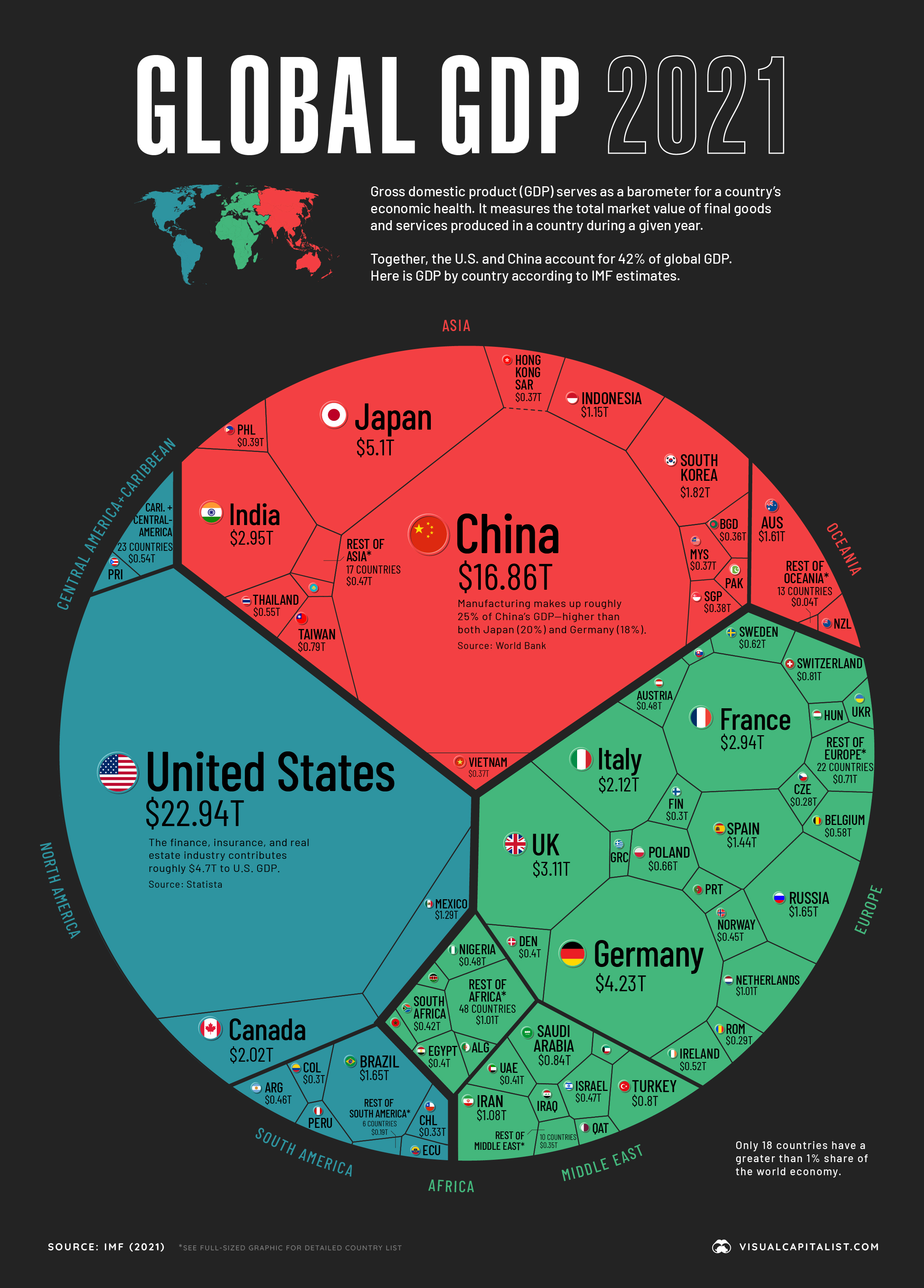
As mentioned, GDP is the primary measure of a country’s economic output. When GDP increases, the economy is growing, indicating more production, higher incomes, and potentially more jobs. Real GDP, which adjusts for inflation, provides a more accurate picture of actual production changes. The rate of GDP growth is critical for assessing long-term prosperity.
Inflation Rate
Inflation is the rate at which the general price level of goods and services is rising, and consequently, the purchasing power of currency is falling. A moderate, stable inflation rate is often considered healthy, but high or volatile inflation erodes savings, creates uncertainty for businesses, and disproportionately harms those on fixed incomes. It’s typically measured by consumer price indexes (CPI).
Unemployment Rate
The unemployment rate measures the percentage of the labor force that is actively seeking employment but unable to find it. A low unemployment rate indicates a strong labor market and efficient utilization of human resources, while high unemployment suggests underutilization of productive capacity and often leads to social and economic distress.
Balance of Payments
This is a comprehensive record of all economic transactions between a country and the rest of the world over a period. It consists of the current account (which includes the balance of trade, income from foreign investments, and transfers) and the capital account (which records foreign investment in the country and domestic investment abroad). A sustained large current account deficit can indicate a country is relying too heavily on foreign borrowing.
National Debt
National debt, or public debt, is the total amount of money that a country’s government owes to its creditors, both domestic and foreign. While some level of debt can be managed, excessive national debt can strain public finances, potentially leading to higher interest rates, reduced government spending on essential services, and concerns about fiscal sustainability.
Economic Systems and Philosophies
The way a country organizes its economic activities defines its economic system, each with different mechanisms for resource allocation and ownership.
Market Economies (Capitalism)
In a pure market economy, most resources are privately owned, and economic decisions are primarily driven by supply and demand in free markets. Competition among businesses fosters innovation and efficiency, and prices act as signals to allocate resources. Government intervention is typically minimal, focusing on enforcing property rights and contracts. The United States and many Western European countries have market-oriented economies, though none are purely free markets.
Command Economies (Socialism/Communism)
In a command economy, the government or a central authority owns and controls most of the means of production and makes all significant economic decisions, including what to produce, how much, and at what price. The goal is often to allocate resources based on collective societal needs rather than individual profit motives. Historical examples include the Soviet Union and contemporary Cuba.
Mixed Economies
Most economies today are mixed economies, combining elements of both market and command systems. Private enterprise drives much of the production, but the government plays a significant role through regulation, public services, and social safety nets. This blend aims to capture the efficiency of markets while addressing market failures and promoting social equity. Countries like Canada, Germany, and the United Kingdom are prime examples of mixed economies.
The Interconnectedness of Global Economies
In an increasingly globalized world, a country’s economy is rarely isolated. International events, trade policies, and financial flows have profound impacts.
Global Supply Chains and Trade Dynamics
Modern production often relies on complex global supply chains, where components are sourced from various countries and assembled elsewhere. Disruptions in one part of the world, such as natural disasters or geopolitical conflicts, can ripple through these chains, affecting production and prices globally. Trade agreements and disputes, like tariffs or sanctions, also significantly alter the competitive landscape and economic output of nations involved.
Currency Exchange and Global Capital Flows
The value of a country’s currency relative to others (exchange rate) affects its international trade competitiveness. A stronger currency makes imports cheaper and exports more expensive, while a weaker currency has the opposite effect. Global capital flows – the movement of investment funds across borders – can also profoundly impact a country’s economy, influencing interest rates, asset prices, and economic stability. Countries attracting significant foreign investment can experience growth, but also vulnerability to sudden capital outflows.
The Impact of Geopolitics
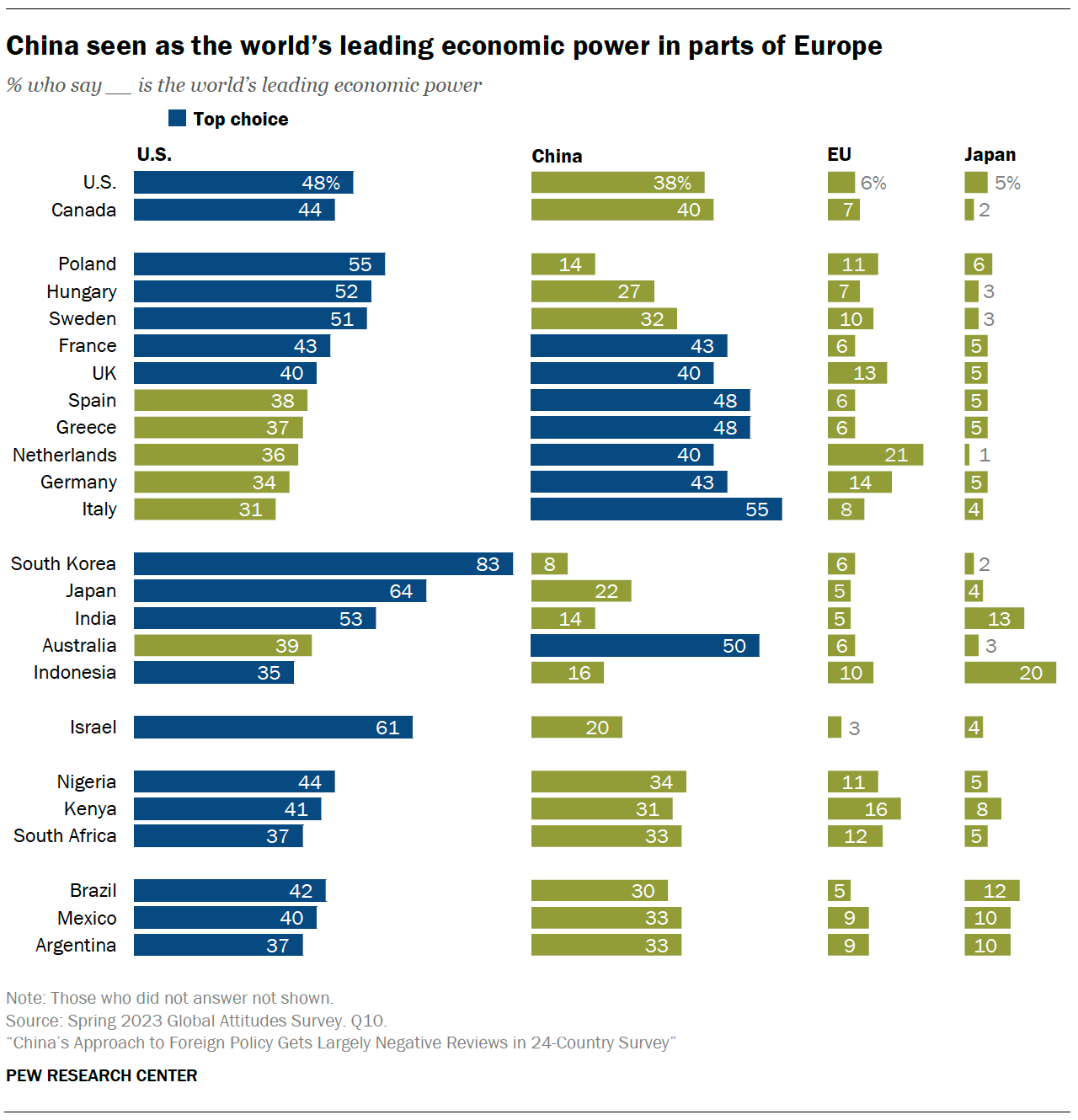
Political stability, international relations, and geopolitical events can have immediate and long-lasting economic consequences. Conflicts, policy changes in major economic powers, or shifts in international alliances can affect trade routes, resource availability, investor confidence, and global economic growth, demonstrating that the economy of a country is inextricably linked to the broader global environment.
aViewFromTheCave is a participant in the Amazon Services LLC Associates Program, an affiliate advertising program designed to provide a means for sites to earn advertising fees by advertising and linking to Amazon.com. Amazon, the Amazon logo, AmazonSupply, and the AmazonSupply logo are trademarks of Amazon.com, Inc. or its affiliates. As an Amazon Associate we earn affiliate commissions from qualifying purchases.