
For the financially astute traveler, “economy class” isn’t merely a seating designation; it represents a strategic decision, a cornerstone of responsible personal finance in the realm of global mobility. At its core, economy class is the most affordable tier of service offered by airlines and, by extension, other forms of public transport, designed to make travel accessible to a broader demographic. Understanding its nuances is crucial for budgeting, maximizing travel funds, and making informed financial choices that align with one’s fiscal goals.
Defining Economy Class: The Budget-Conscious Traveler’s Choice
Economy class, often referred to as coach class or standard class, is the baseline offering that underpins the mass market for air travel. Its fundamental appeal lies in its cost-effectiveness, positioning itself as the entry point for those prioritizing financial efficiency over premium comforts. Airlines structure their pricing tiers to cater to a spectrum of budgets, with economy class serving as the most basic package, stripped down to provide essential transportation from point A to point B at the lowest possible price.
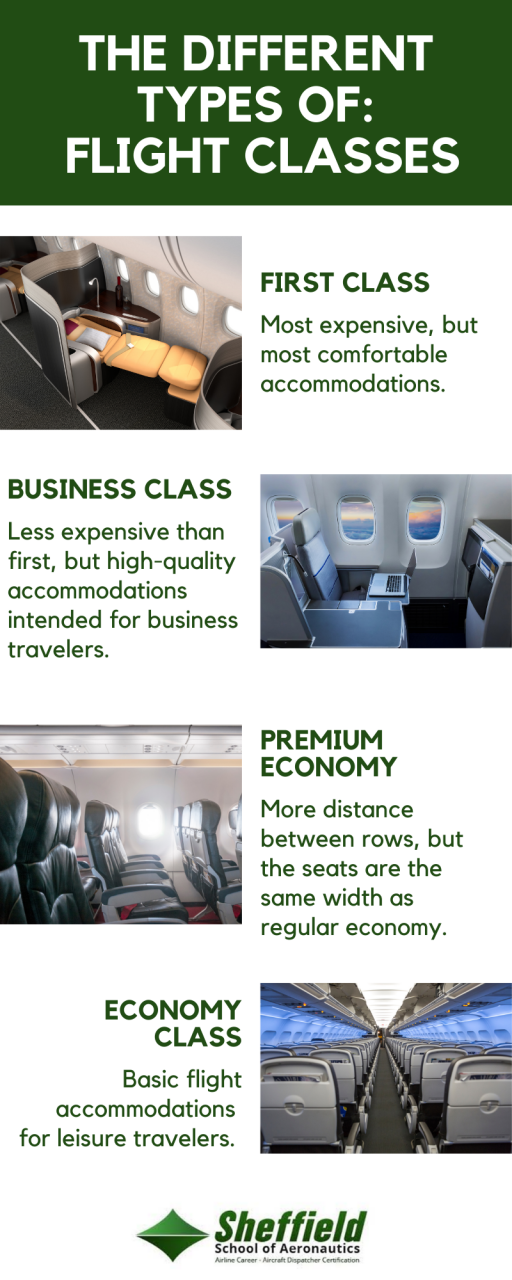
This strategic segmentation allows airlines to fill their planes more effectively while offering a product that aligns with varying consumer financial capabilities. For the traveler, opting for economy class is an explicit decision to allocate a smaller portion of their financial resources to the travel component itself, thereby preserving capital for other aspects of their trip, such as accommodation, experiences, or even reinvestment. It’s a direct application of budgeting principles, where the objective is to secure necessary services at the lowest viable cost.
The financial rationale behind economy class is rooted in the principle of value proposition. While it may entail compromises on space, amenities, and service personalization, the significantly lower fare provides substantial financial leverage. This makes international travel, cross-country visits, and even frequent business trips feasible for individuals and organizations operating under strict budget constraints. For many, the savings realized from choosing economy class are not just incidental; they are the enabling factor that transforms aspirational travel into an achievable reality.
Decoding the Economy Class Experience: Inclusions and Exclusions
Understanding what you receive for your money—and what you don’t—is paramount when evaluating the financial wisdom of an economy class ticket. While the specifics vary by airline and route, a general framework of inclusions and exclusions exists, all of which directly impact the total cost of travel and your overall budget management.
Seating and Comfort Trade-offs
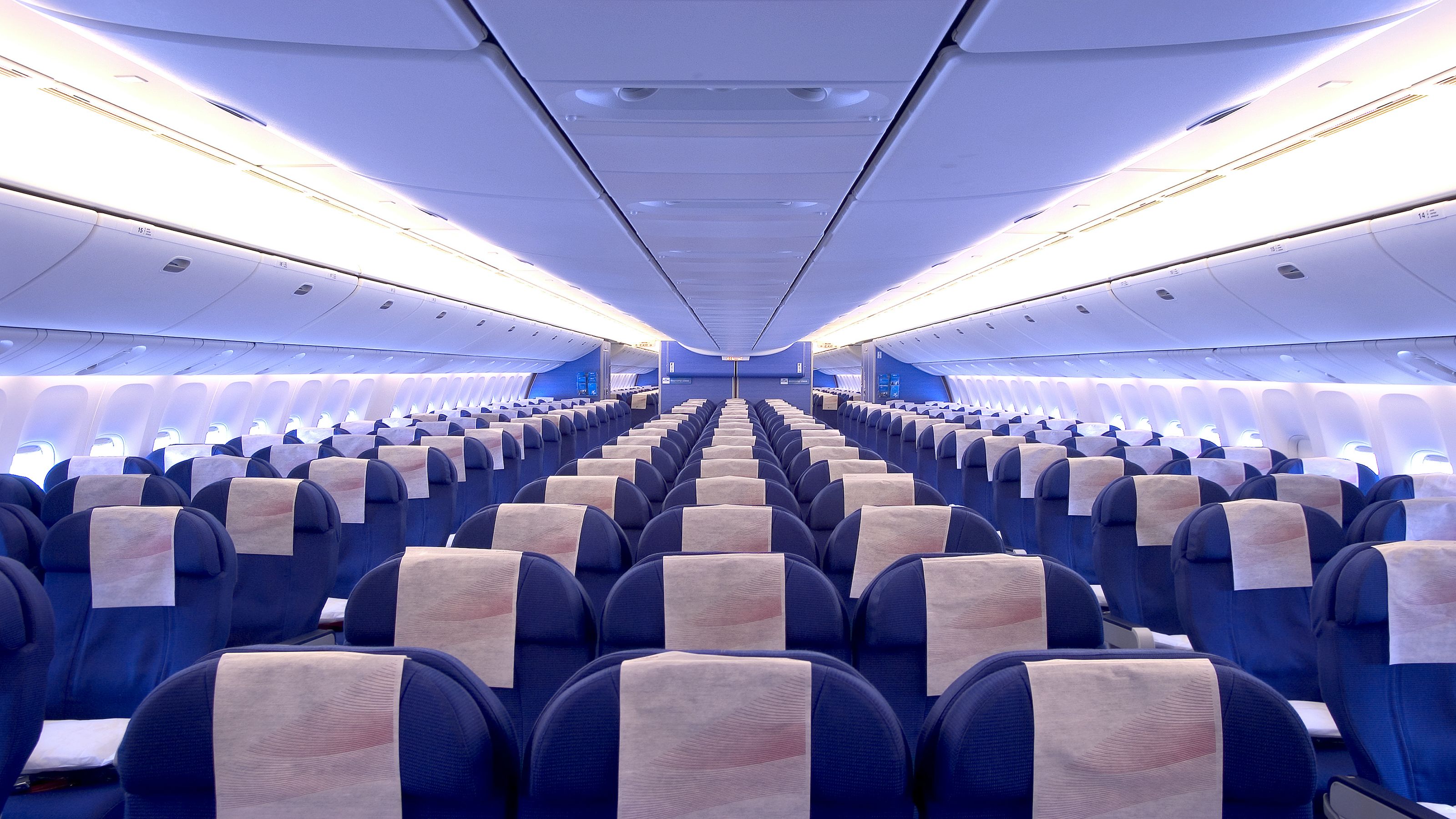
The most immediate and often discussed aspect of economy class is the seating. Passengers typically receive a standard seat with a predetermined pitch (legroom) and width, which are generally the most compact on the aircraft. From a financial perspective, this reflects the direct trade-off: less personal space translates to more seats per aircraft, allowing airlines to reduce the per-seat cost and offer lower fares. For the traveler, accepting this reduced comfort is a conscious financial decision to save money. The cost of upgrading to seats with extra legroom (e.g., exit rows, bulkhead seats) is an ancillary fee, and a critical financial consideration. While tempting, these fees must be weighed against the value of the comfort gained versus the additional financial outlay, particularly for longer flights where marginal comfort improvements can significantly increase the total expenditure.
Amenities and Services
Basic amenities typically included in an economy fare may cover a carry-on bag (subject to size and weight restrictions), in-flight entertainment (though this can vary, with some airlines charging for premium content), and standard meal/beverage service on longer flights. However, the trend among many carriers, especially low-cost airlines, is to unbundle services, turning previously included items into optional add-ons. This means that blankets, pillows, headphones, specific meal choices, and even certain beverages may incur additional charges. From a financial planning perspective, it’s imperative to scrutinize the inclusions and exclusions before booking. Failure to account for these potential ancillary costs can inflate the perceived “low” fare, leading to budget overruns. Savvy travelers often pack their own snacks, entertainment, and comfort items to avoid these extra expenditures, thereby maintaining strict control over their travel budget.
Baggage Allowances and Fees
Baggage policies represent one of the most significant areas where economy class can introduce hidden costs. While a carry-on item is usually included, checked baggage often incurs a separate fee, especially on domestic flights or with budget carriers. These fees are cumulative and can escalate significantly for multiple bags, overweight luggage, or oversized items. Understanding the airline’s specific baggage policy—weight limits, dimensions, and associated costs for each bag—is a crucial financial due diligence step. For families or those traveling for extended periods, baggage fees can quickly erode the savings made on the ticket itself. Strategic packing, choosing airlines with more generous allowances, or even shipping luggage ahead can be financially prudent alternatives to mitigate these costs and keep the overall travel expense within budget.
The Financial Rationale: Why Economy Class Reigns Supreme for Savvy Spenders
For individuals and businesses prioritizing financial prudence, economy class isn’t just an option; it’s often the default, a foundational element of a disciplined travel budget. Its supremacy for savvy spenders stems from its direct impact on discretionary income and opportunity costs.
Maximizing Travel Budgets
The primary allure of economy class is its ability to stretch travel budgets further. By significantly lowering the cost of transportation, individuals can allocate more funds to the destination experience itself—whether that’s superior accommodation, richer cultural experiences, or longer stays. For a family of four, the difference between economy and business class for an international trip can easily equate to thousands of dollars, an amount that could finance an entire separate vacation or be saved for other financial goals. Businesses, too, leverage economy class to control travel expenses, enabling more frequent employee travel or reallocating savings to core operational needs or investments. This financial discipline ensures that capital is deployed where it generates the most value, rather than being disproportionately spent on the transit phase of a journey.
The Opportunity Cost of Upgrades
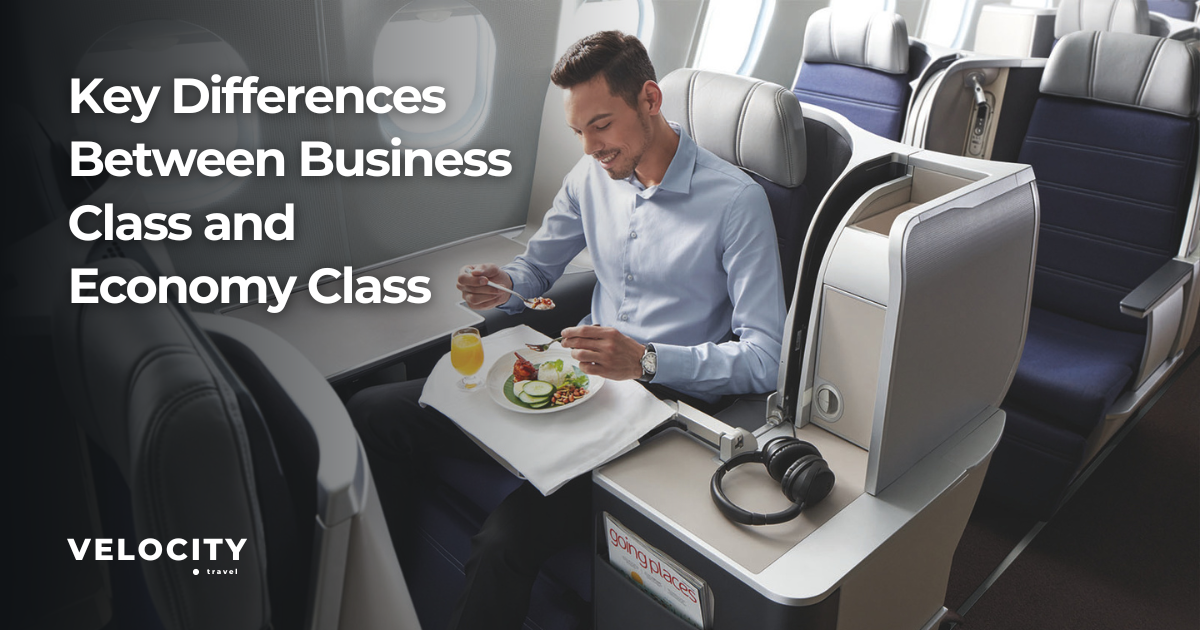
Choosing economy class also reflects an acute awareness of opportunity cost. Every dollar spent on an upgrade—be it to premium economy, business, or first class—is a dollar that cannot be used for something else. For many, the incremental comfort or luxury of an upgraded seat does not justify the significant additional financial outlay when viewed through a lens of maximizing long-term financial well-being. Investing those savings, paying down debt, contributing to a retirement fund, or simply having a larger emergency fund often yields a greater return on financial happiness than a few extra inches of legroom. Savvy spenders constantly evaluate whether the marginal utility of an upgrade outweighs the financial sacrifice, and for the majority of travel situations, economy class often presents the most financially rational choice when weighing immediate comfort against broader financial objectives.
Navigating Economy Class: Tips for an Optimal Budget Travel Experience
Mastering economy class travel isn’t just about accepting fewer frills; it’s about employing smart financial strategies to ensure the most value for your money and a smooth journey, even on a tight budget.
Strategic Booking and Fare Hunting
The financial benefits of economy class are amplified by strategic booking. Fares are highly dynamic, influenced by demand, seasonality, and booking lead times. Employing tools that compare prices across airlines, setting fare alerts, and understanding optimal booking windows can yield substantial savings. Flexibility with travel dates and times often unlocks significantly lower fares. For instance, mid-week flights or those during off-peak seasons are typically cheaper than weekend or holiday travel. This active pursuit of the best fare is a core tenet of personal finance—seeking out the highest value for your expenditure. Booking directly with the airline after thorough comparison can also sometimes offer better terms or easier management of ancillary services.
Leveraging Loyalty Programs and Credit Card Perks
Even within economy class, financial benefits can be unlocked through strategic engagement with loyalty programs and credit card perks. Earning miles or points from an airline’s frequent flyer program or through co-branded credit cards can lead to free flights, discounted upgrades (reducing financial outlay), or access to benefits like free checked bags, which directly offset potential ancillary costs. For the financially savvy, choosing a credit card that offers robust travel rewards and benefits is an extension of their economy class strategy, transforming everyday spending into future travel savings or enhanced experiences without additional cash expenditure. Understanding the fine print of these programs is crucial to maximize their financial return.
Smart Packing and Ancillary Service Management
To truly benefit from economy class pricing, it’s essential to manage ancillary services proactively. This involves meticulous planning around baggage. Packing light and strategically to fit within carry-on limits eliminates checked baggage fees. If a checked bag is unavoidable, pre-paying for it online (which is often cheaper than at the airport counter) and strictly adhering to weight and size limits are crucial. Beyond baggage, bringing your own snacks, a reusable water bottle, entertainment loaded onto personal devices, and essential comfort items (like a neck pillow or eye mask) can bypass expensive in-flight purchases and enhance comfort without additional cost, preserving the financial integrity of your economy fare.
The Evolving Landscape of Economy Travel and Your Wallet
The concept of economy class continues to evolve, presenting both opportunities and challenges for the budget-conscious traveler. Airlines are increasingly segmenting economy class itself into various sub-tiers (e.g., Basic Economy, Standard Economy, Economy Plus), each with different inclusions, restrictions, and price points. Basic Economy, for instance, often restricts seat selection, carry-on size, and flight changes, in exchange for the absolute lowest fare.
For the financially astute, this evolution demands even greater scrutiny. Understanding the specific terms of each economy fare tier is critical to avoid unexpected costs or limitations that could undermine the initial savings. It forces a more granular assessment of the trade-off between the lowest possible price and potential financial penalties or inconveniences.
Ultimately, economy class remains a powerful tool in the personal finance arsenal for those who prioritize fiscal responsibility in their travel plans. It underscores the principle that thoughtful expenditure, careful planning, and an understanding of value can unlock global experiences without compromising broader financial health. By embracing economy class with a strategic mindset, travelers can traverse the world intelligently, keeping their wallets healthy and their financial goals firmly on track.
aViewFromTheCave is a participant in the Amazon Services LLC Associates Program, an affiliate advertising program designed to provide a means for sites to earn advertising fees by advertising and linking to Amazon.com. Amazon, the Amazon logo, AmazonSupply, and the AmazonSupply logo are trademarks of Amazon.com, Inc. or its affiliates. As an Amazon Associate we earn affiliate commissions from qualifying purchases.