
Economic incentives are the bedrock of financial decision-making, acting as powerful motivators that guide individuals, businesses, and governments in their choices. At their core, these incentives are rewards or penalties that encourage or discourage specific actions, fundamentally shaping resource allocation, market behavior, and personal financial strategies. Understanding how economic incentives work is not merely an academic exercise; it is crucial for navigating personal finance, making savvy investment decisions, managing a business, and even comprehending broader economic policies. They are the invisible hand, or sometimes the very visible carrot or stick, that steers economic activity towards desired outcomes.

The Core Concept of Economic Incentives
Economic incentives are mechanisms designed to influence human behavior by changing the costs and benefits of various actions. They operate on the fundamental assumption that individuals and organizations are rational actors, meaning they tend to choose options that maximize their benefits and minimize their costs.
Defining the Motivation Matrix
At the simplest level, economic incentives can be categorized into positive incentives (rewards) and negative incentives (penalties). Positive incentives make certain behaviors more appealing by offering benefits, while negative incentives make undesirable behaviors less attractive by imposing costs.
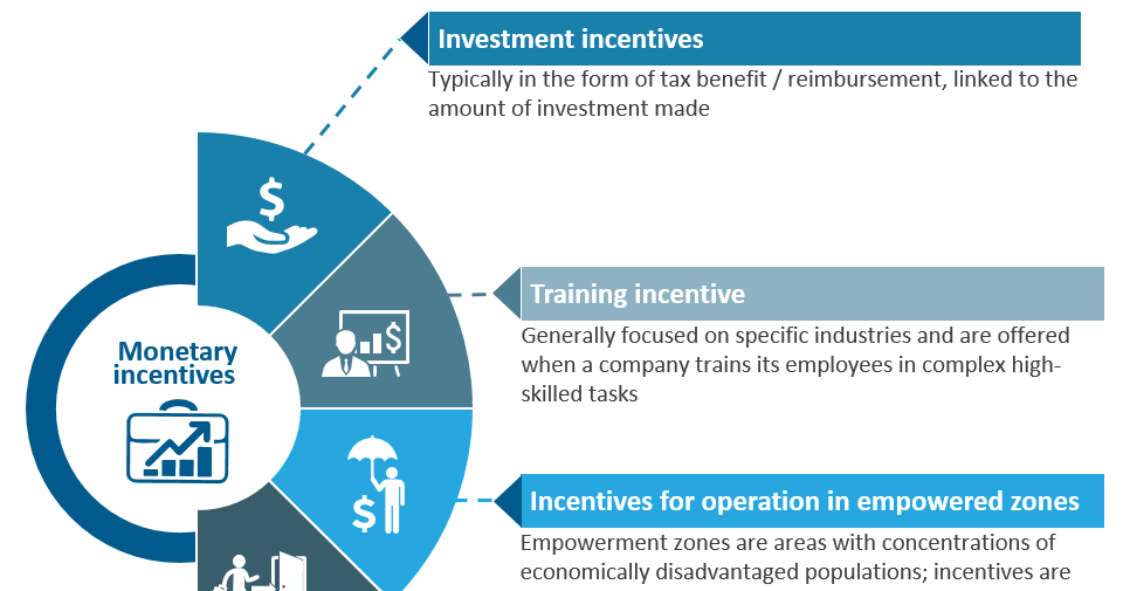
- Monetary Incentives: These are the most direct and easily quantifiable. Examples include cash bonuses, tax breaks, subsidies, interest rates on savings or loans, discounts, and fines. A government offering a tax credit for investing in renewable energy is providing a monetary incentive. Similarly, a bank offering a higher interest rate on a savings account incentivizes saving.
- Non-Monetary Incentives (with financial implications): While not direct cash, these incentives often translate into financial value or influence financially relevant decisions. Examples include recognition, reputation, convenience (saving time, which has a monetary value), and job security. A company offering prestige and a clear career path might attract top talent even if its starting salary isn’t the highest, as the long-term financial benefits and security are perceived as valuable incentives.
The purpose of these incentives is to align individual or group actions with a broader objective. For instance, a company offers sales commissions to align its salespeople’s efforts with the goal of increasing revenue. A government implements carbon taxes to incentivize businesses and consumers to reduce pollution.
The Rational Choice Framework
The concept of economic incentives is deeply rooted in the rational choice framework, which posits that individuals make decisions by weighing the expected costs and benefits of each option and choosing the one that offers the greatest net benefit. While human behavior is complex and not always perfectly rational, this framework provides a powerful lens through which to analyze and predict responses to various incentives. For example, if the tax benefits of contributing to a retirement account outweigh the immediate sacrifice of disposable income, a rational individual is more likely to save for retirement.
Shaping Personal Financial Decisions
Economic incentives play a monumental role in guiding individual financial choices, from everyday spending to long-term wealth building. Being aware of these incentives allows individuals to make more informed and advantageous decisions.
Driving Savings and Investment Behaviors
Governments and financial institutions frequently employ incentives to encourage savings and productive investment, recognizing their importance for individual well-being and economic growth.
- Savings: High-yield savings accounts offer a direct monetary incentive (higher interest) for individuals to deposit and hold their money. Employer-sponsored 401(k) plans often include matching contributions, effectively offering “free money” as a powerful incentive for employees to save for retirement. Tax-advantaged accounts like Individual Retirement Accounts (IRAs) and Health Savings Accounts (HSAs) provide incentives through tax deductions or tax-free growth, reducing the effective cost of saving.
- Investing: The tax treatment of capital gains and dividends can influence investment decisions. Lower capital gains tax rates, for example, might incentivize long-term investments in the stock market. Governments may also offer specific tax credits for investments in certain sectors, such as renewable energy or affordable housing, to channel private capital towards public policy goals. Understanding these incentives is crucial for optimizing investment returns and minimizing tax liabilities.
Influencing Spending and Debt Management
Incentives are also pervasive in consumer spending and debt management, often influencing whether, when, and how individuals spend or borrow.
- Spending: Loyalty programs, cashback credit cards, and volume discounts (e.g., “buy two, get one free”) are all positive incentives designed to encourage immediate or increased consumption and foster brand loyalty. These programs offer a perceived or actual reduction in cost or an added benefit for purchasing.
- Debt: Low-interest introductory offers on credit cards or mortgages act as strong positive incentives for borrowing. Conversely, penalties for late payments, overdraft fees, and higher interest rates for poor credit scores serve as negative incentives, discouraging irresponsible borrowing or timely repayment. The mortgage interest deduction, for those who qualify, also acts as an incentive for homeownership by reducing the overall cost of borrowing for a home.
- Insurance: Many insurance companies offer discounts for healthy habits (e.g., non-smoking, regular exercise) or safe driving records. These incentives aim to reduce the insurer’s risk while also encouraging beneficial behaviors among policyholders.
Economic Incentives in Business and Market Dynamics
For businesses, understanding and strategically utilizing economic incentives is fundamental to success. They are used to motivate employees, attract customers, and respond to broader market and regulatory forces.
Motivating Employees and Boosting Productivity

A well-designed incentive structure is critical for aligning employee efforts with company objectives.
- Performance Bonuses and Commissions: Sales commissions directly link an employee’s compensation to their sales volume, providing a powerful incentive to drive revenue. Performance bonuses based on individual, team, or company goals motivate employees to achieve specific targets.
- Stock Options and Profit-Sharing: These incentives turn employees into stakeholders, encouraging them to think like owners and contribute to the company’s long-term profitability and success. When employees have a share in the company’s profits or equity, their financial well-being becomes directly tied to the company’s performance.
- Recognition Programs: While often non-monetary in nature, programs that recognize outstanding performance can build morale and a sense of value, which indirectly contributes to productivity and retention, reducing the financial cost of employee turnover.
Attracting and Retaining Customers
Businesses deploy a wide array of incentives to draw in new customers and keep existing ones engaged.
- Loyalty Programs: Points systems, tiered memberships, and exclusive offers reward repeat business, incentivizing customers to stick with a particular brand or service.
- Referral Bonuses: Offering existing customers a reward for bringing in new clients is a cost-effective way to acquire new business, leveraging social networks.
- Discounts and Promotions: Introductory offers, seasonal sales, and bundled product discounts are designed to overcome purchase hesitation and stimulate demand.
- Guarantees and Customer Support: Strong warranties, satisfaction guarantees, and excellent post-purchase support act as incentives by reducing perceived risk for the customer, fostering trust and encouraging purchases.
Government Policy and Market Shaping
Governments use economic incentives extensively to achieve public policy objectives, influencing everything from environmental protection to economic development.
- Subsidies: Financial aid or support extended to an economic sector, typically with the aim of promoting economic and social policy. For example, agricultural subsidies can stabilize food prices, while subsidies for renewable energy encourage investment in green technologies.
- Tax Credits and Breaks: Research and Development (R&D) tax credits incentivize innovation by reducing the tax burden on companies that invest in new technologies. Tax holidays for new businesses in specific regions are designed to stimulate local economic activity and job creation.
- Regulations and Fines: Environmental regulations, for instance, impose costs on polluters, acting as a negative incentive to reduce harmful emissions. Fines for non-compliance with labor laws or safety standards similarly discourage undesirable business practices.
- Interest Rate Policies: Central banks utilize interest rate adjustments as a powerful economic incentive. Lowering interest rates incentivizes borrowing and investment, stimulating economic growth, while raising rates can curb inflation by discouraging spending and encouraging saving.
The Gig Economy and Online Income
The rapidly growing gig economy and various online income models are heavily reliant on incentive structures.
- Performance-Based Pay: Platforms like Uber or DoorDash base earnings on completed services, often with bonuses for high demand periods (surge pricing) or meeting certain activity targets. These dynamic incentives encourage workers to be active when and where they are most needed.
- Platform Loyalty and Ratings: High ratings for freelancers on platforms like Upwork or Fiverr lead to more opportunities and higher pay, incentivizing quality work and customer satisfaction.
- Affiliate Marketing: Commissions for promoting products or services incentivize individuals to drive traffic and sales to businesses, creating a performance-based income stream.
Navigating and Leveraging Incentives for Financial Success
Understanding economic incentives is not just about recognizing them; it’s about strategically leveraging them to achieve personal and business financial goals.
Identifying Aligned and Misaligned Incentives
A critical step is to identify the incentives that others face, especially in financial transactions. For example, a salesperson operating on commission has an incentive to maximize the sale, which might not always align with your best interest as a buyer. Similarly, understanding how a financial advisor is compensated (e.g., fee-only vs. commission-based) is crucial for assessing potential conflicts of interest. Being aware of these dynamics allows for more informed negotiation and decision-making. Conversely, recognizing when your incentives are aligned with those of a financial partner can foster trust and facilitate mutually beneficial outcomes.
Using Financial Tools to Your Advantage
Many modern financial tools are built around psychological and economic incentives. Budgeting apps might use gamification (badges, progress bars, streaks) as non-monetary incentives to encourage consistent tracking and saving. Investment platforms may offer reduced fees for larger portfolios or automated investing features that remove friction, incentivizing long-term commitment. Actively choosing and utilizing tools that align with your financial goals and leverage positive incentives can significantly enhance financial discipline and success.
Strategic Application in Personal and Business Planning
Individuals can proactively create their own incentive systems. Setting up a personal reward for reaching a savings milestone or avoiding a certain expense can provide the motivation needed to stick to a financial plan. For businesses, designing incentive structures for employees, partners, and customers that are clearly communicated and equitable can drive sustained growth and loyalty. This involves carefully considering what behaviors you want to encourage and structuring rewards or penalties accordingly to ensure clarity and effectiveness.
The Broader Impact and Ethical Considerations
While economic incentives are powerful tools for driving desired behaviors, their design and implementation carry significant broader implications and ethical considerations.
Unintended Consequences and Systemic Risk
Poorly designed or misunderstood incentives can lead to adverse outcomes, sometimes on a systemic scale. The subprime mortgage crisis of 2008, for example, was partly fueled by incentive structures that rewarded loan originators for volume rather than the quality of the loans, leading to risky lending practices and widespread financial instability. Understanding that incentives can have unintended consequences—such as encouraging a narrow focus on metrics at the expense of overall quality or long-term value—is essential.
The Role of Ethics and Long-Term Value
Ethical considerations must always accompany the design and response to economic incentives. While incentives can drive short-term gains, their long-term impact on financial health, societal well-being, and ethical conduct is paramount. Companies that prioritize sustainable practices, fair wages, and transparent dealings often cultivate long-term trust and brand equity, even if it means foregoing some short-term gains from aggressive incentive programs. For individuals, understanding that not all incentives are designed with their best interest at heart can protect them from predatory financial products or misleading offers. Ultimately, navigating the world of economic incentives requires a blend of financial acumen, critical thinking, and a sound ethical compass to ensure sustainable financial success and responsible decision-making.
aViewFromTheCave is a participant in the Amazon Services LLC Associates Program, an affiliate advertising program designed to provide a means for sites to earn advertising fees by advertising and linking to Amazon.com. Amazon, the Amazon logo, AmazonSupply, and the AmazonSupply logo are trademarks of Amazon.com, Inc. or its affiliates. As an Amazon Associate we earn affiliate commissions from qualifying purchases.