
Dupuytren’s contracture, a condition that affects the hand and fingers, is not a topic that typically graces the headlines of tech publications or finds its way into discussions about personal branding or financial strategies. Yet, understanding its implications, particularly for those who rely on their hands for their livelihoods or hobbies, can be profoundly impactful. While seemingly distant from the world of AI tools, digital security, or investment portfolios, the practical challenges presented by Dupuytren’s can necessitate creative problem-solving, informed decision-making, and even financial planning. This article aims to demystify Dupuytren’s contracture, exploring its nature, its potential impact on various aspects of life, and how individuals might navigate its presence, drawing parallels and offering insights from the broader themes of technology, brand, and money where appropriate.
Understanding the Mechanics of Dupuytren’s Contracture
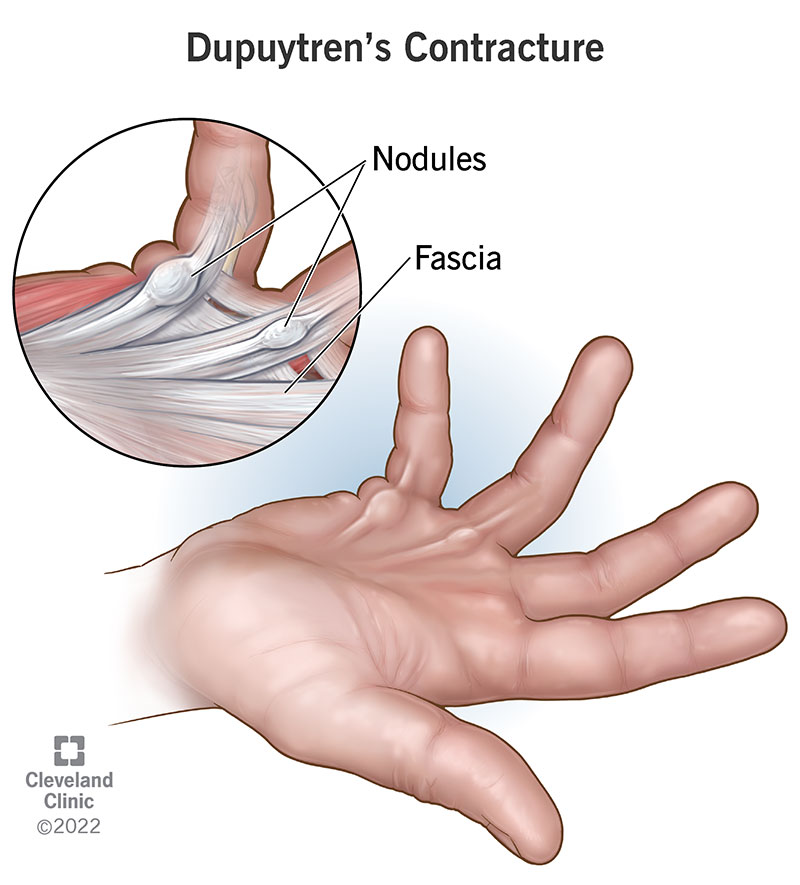
At its core, Dupuytren’s contracture is a progressive thickening and tightening of the fascia, a layer of connective tissue beneath the skin of the palm. This fascia normally allows the skin to glide smoothly over the underlying tendons and muscles. In individuals with Dupuytren’s, however, abnormal lumps and cords of tissue develop within this fascia, primarily in the palm of the hand. Over time, these cords can shorten and thicken, pulling the fingers inwards towards the palm. While it most commonly affects the ring and little fingers, it can also impact the thumb and other fingers, and sometimes affects both hands.
The Fascia: The Unsung Hero of Hand Function
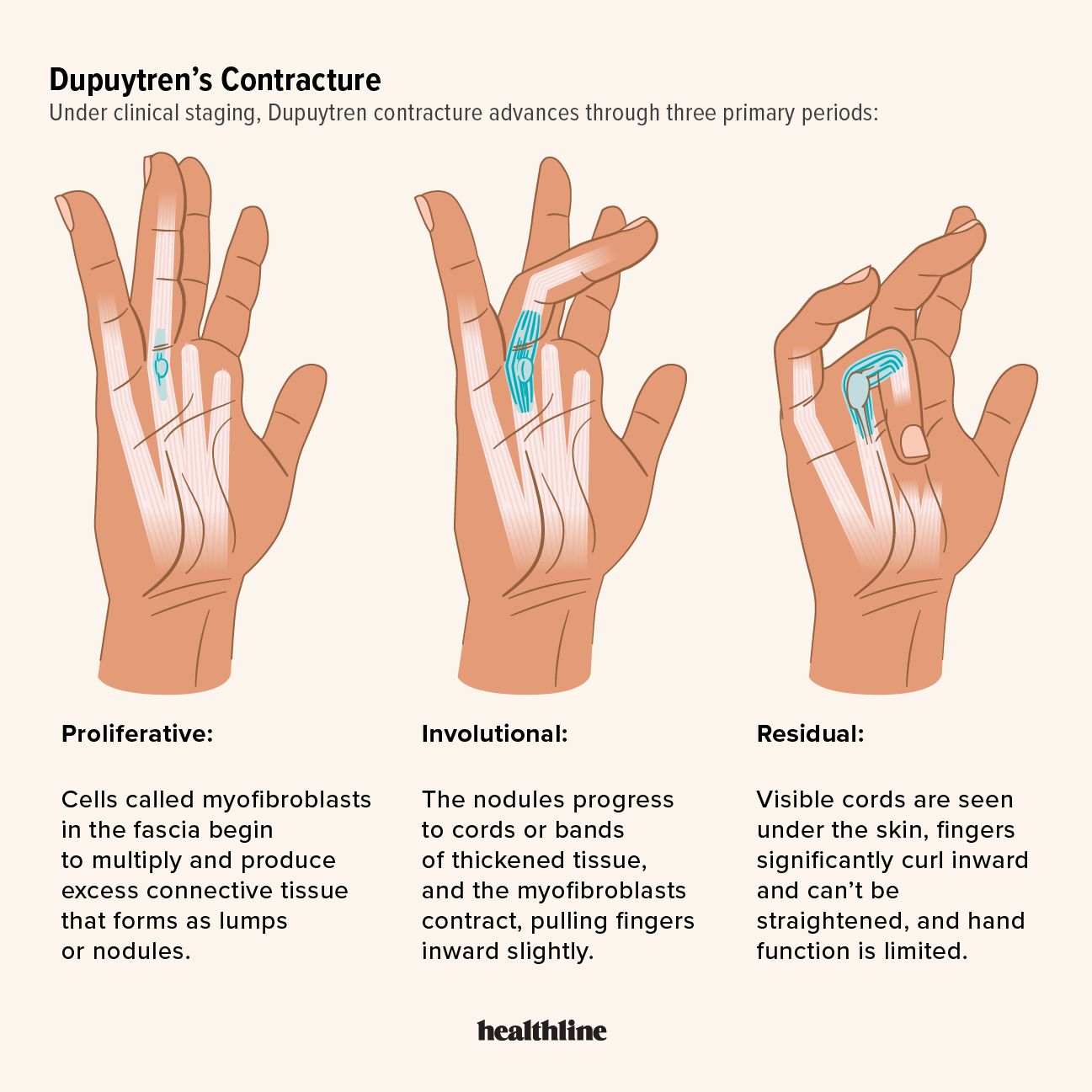
To truly grasp Dupuytren’s, it’s essential to understand the role of the palmar fascia. This dense, fibrous tissue forms a V-shaped structure in the palm, providing support and stability. It acts as a crucial intermediary, facilitating the smooth movement of the fingers by preventing the skin from bunching up as we flex and extend. When Dupuytren’s sets in, this normally pliable and elastic tissue becomes rigid and inelastic. The cells within the fascia, called fibroblasts, begin to proliferate and produce excessive amounts of collagen, the main protein component of connective tissue. This overproduction leads to the formation of nodules, which are thickened, palpable lumps, and cords, which are tough bands of tissue that can extend along the lines of the palm and into the fingers.
Progression and Symptoms: A Gradual Tightening
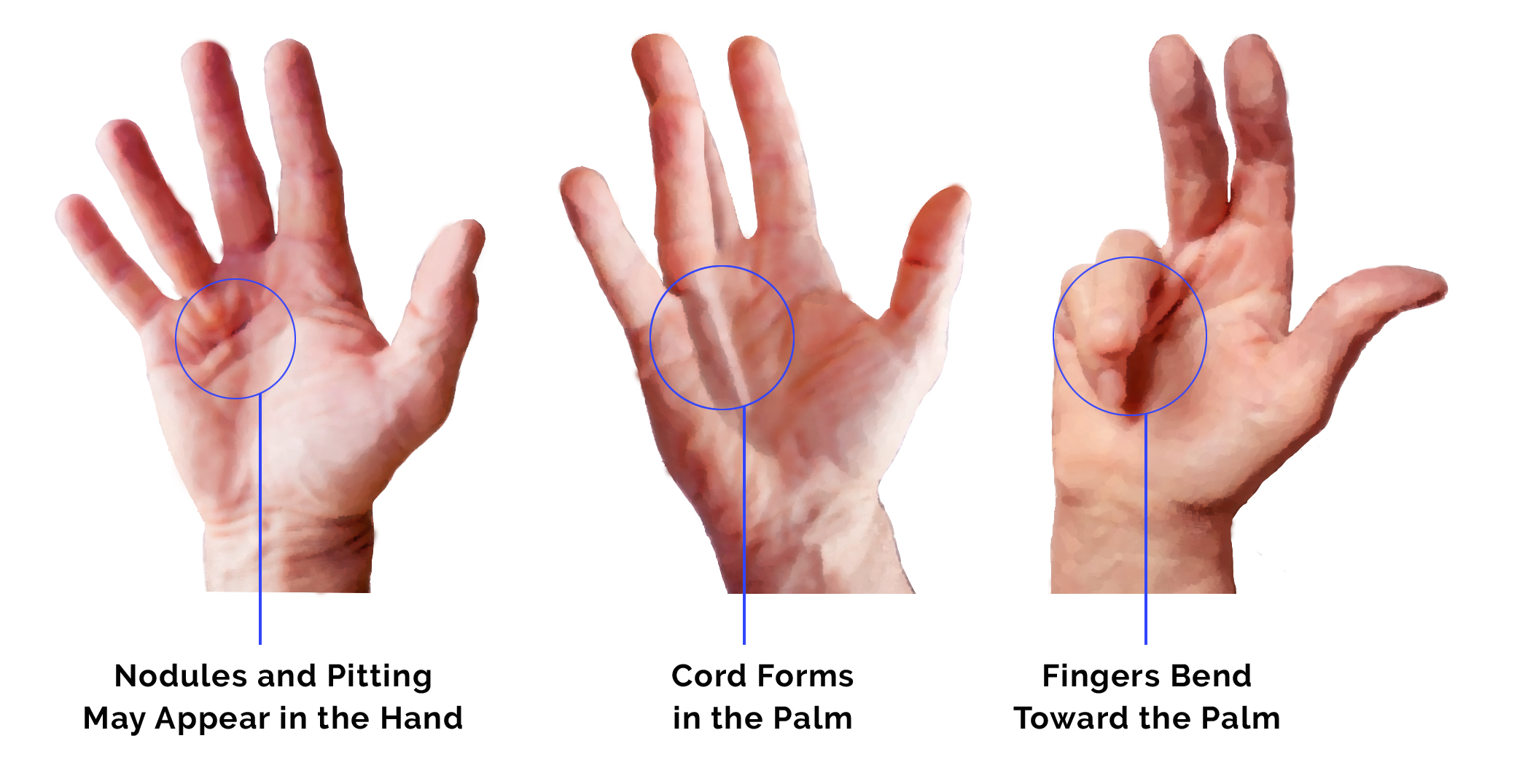
The onset of Dupuytren’s is typically gradual, with symptoms often developing over years. Early signs might include the appearance of small, painless nodules on the palm, often near the base of the ring finger. These nodules can feel firm and rubbery. As the condition progresses, these nodules may coalesce to form cords. The first noticeable functional impairment is often a loss of full extension in the affected finger(s). Initially, this might be subtle, but it can worsen to the point where the fingers are permanently bent towards the palm, making it difficult to perform everyday tasks like shaking hands, putting on gloves, or holding objects. The skin over the affected areas may also become dimpled or puckered. While pain is not always a primary symptom, some individuals do experience discomfort, particularly in the early stages of nodule formation.
Who is at Risk and What are the Contributing Factors?
The exact cause of Dupuytren’s contracture remains largely unknown, leading to ongoing research and speculation. However, several factors have been identified as increasing an individual’s risk of developing the condition. While it’s a condition that can affect anyone, certain demographics and lifestyle choices are more commonly associated with its development.
Genetic Predisposition: The Familial Link
One of the strongest indicators of Dupuytren’s contracture is a family history of the condition. It appears to have a genetic component, with individuals who have a parent or sibling with Dupuytren’s being more likely to develop it themselves. This genetic link suggests that certain inherited traits influence the way the palmar fascia behaves. Researchers are actively investigating specific genes that might be involved, aiming to unlock the underlying biological mechanisms. This inherited susceptibility doesn’t guarantee the development of the condition, but it significantly elevates the probability.
Age and Gender: A Higher Likelihood in Certain Groups
Dupuytren’s contracture predominantly affects individuals over the age of 50. While it can manifest earlier, its prevalence increases with age. Men are also more likely to develop Dupuytren’s than women, and the condition tends to be more severe in men. This disparity between genders is a subject of ongoing investigation, with theories ranging from hormonal influences to differences in hand use and exposure.
Lifestyle and Environmental Factors: The Ongoing Debate
The role of lifestyle and environmental factors in Dupuytren’s contracture is more complex and less definitively established. However, several factors have been proposed as potential contributors or exacerbators:
- Repetitive Hand Use and Vibration: For individuals whose professions involve repetitive gripping, manual labor, or exposure to vibrating tools (e.g., construction workers, mechanics, musicians), there’s a suggested link to an increased risk. The theory is that chronic stress or micro-trauma to the palmar fascia might play a role.
- Alcohol Consumption: Some studies have indicated a correlation between heavy alcohol consumption and an increased incidence of Dupuytren’s. The mechanisms behind this potential link are not fully understood but may involve the effects of alcohol on connective tissue metabolism.
- Smoking: Similar to alcohol, smoking has also been implicated in some research, although the evidence is not as strong as for genetics or age.
- Certain Medical Conditions: While not a direct cause, some medical conditions, such as diabetes and epilepsy, have been observed to occur more frequently in individuals with Dupuytren’s contracture. The exact relationship, if any, is still being explored.
It is crucial to note that these lifestyle and environmental factors are often considered triggers or accelerators for those genetically predisposed, rather than sole causes. The interplay between genetic susceptibility and these external influences is likely key to understanding the development of Dupuytren’s.
Navigating Dupuytren’s: From Diagnosis to Management
Receiving a diagnosis of Dupuytren’s contracture can bring with it a range of emotions, from concern to a desire for proactive management. Fortunately, while there isn’t a cure, various strategies exist to diagnose, manage, and, in some cases, treat the condition to improve hand function and quality of life.
The Diagnostic Process: Identifying the Condition
The diagnosis of Dupuytren’s contracture typically begins with a physical examination by a medical professional, usually a doctor or a hand specialist. The doctor will assess the hand for the characteristic nodules, cords, and any limitations in finger movement. They will ask about the onset of symptoms, family history, and any occupational exposures. To objectively measure the severity of the contracture and assess its impact on function, the doctor may perform specific tests, such as measuring the degree of finger flexion or extension. In some instances, imaging techniques like ultrasound or MRI might be used to visualize the extent of the fascial thickening and the involvement of tendons, although these are not always necessary for a diagnosis.
Treatment Options: Restoring Function and Alleviating Symptoms
The decision to treat Dupuytren’s contracture is generally based on the severity of the contracture and its impact on an individual’s daily activities and quality of life. If the condition is mild and not causing significant functional impairment, a “wait and see” approach is often recommended, with regular check-ups to monitor its progression. When intervention is deemed necessary, several treatment options are available:
-
Non-Surgical Treatments:
- Needle Aponeurotomy: This minimally invasive procedure involves using a needle to carefully puncture and break up the thickened cords of fascia. It can be performed in an outpatient setting and often allows for immediate improvement in finger extension.
- Enzyme Injections (e.g., Xiaflex): This involves injecting an enzyme into the Dupuytren’s cord, which helps to break down the collagen responsible for the tightening. Following the injection, the physician may manipulate the finger to break the cord.
- Physical and Occupational Therapy: While not a treatment for the underlying thickening, therapy can be invaluable in managing symptoms, improving range of motion, and teaching adaptive techniques to compensate for finger limitations. Therapists can provide exercises, splinting strategies, and advice on assistive devices.
-
Surgical Treatments:
- Fasciotomy: In this procedure, the surgeon makes small incisions to cut through the thickened fascia, relieving tension and allowing the finger to extend.
- Dermofasciectomy: This is a more extensive surgery where the thickened fascia and sometimes the overlying skin are removed. This can lead to more significant improvements in finger extension but may also involve longer recovery times and potential scarring.
The choice of treatment depends on various factors, including the location and severity of the contracture, the individual’s overall health, and their personal preferences and goals.
Living with Dupuytren’s: Adapting and Thriving
Beyond medical interventions, individuals living with Dupuytren’s contracture can benefit from a proactive and adaptive approach. Understanding the condition, its progression, and available resources is key. This might involve collaborating with healthcare professionals to develop a personalized management plan. For those whose careers or hobbies are significantly impacted, exploring assistive technologies or adaptive strategies can be crucial. For instance, in the realm of technology, advancements in ergonomic tools and adaptive interfaces might offer solutions for individuals facing dexterity challenges. Similarly, in branding and personal development, focusing on transferable skills and adapting communication styles can ensure continued professional engagement. Financially, understanding the potential long-term implications of the condition, including the costs of treatment and potential impact on earning capacity, can inform prudent financial planning. Ultimately, while Dupuytren’s contracture presents a unique set of challenges, with informed management and a spirit of adaptation, individuals can continue to lead fulfilling and productive lives.
aViewFromTheCave is a participant in the Amazon Services LLC Associates Program, an affiliate advertising program designed to provide a means for sites to earn advertising fees by advertising and linking to Amazon.com. Amazon, the Amazon logo, AmazonSupply, and the AmazonSupply logo are trademarks of Amazon.com, Inc. or its affiliates. As an Amazon Associate we earn affiliate commissions from qualifying purchases.