
To the casual observer, drycleaning is a routine service—a necessary expense to maintain a professional wardrobe or preserve delicate fabrics. However, from a financial and business perspective, drycleaning represents a multi-billion dollar sector of the service economy characterized by high barriers to entry, recurring revenue models, and significant investment potential. When we ask “what is drycleaning” through the lens of business finance, we are not merely discussing the chemical process of removing stains without water; we are analyzing a sophisticated asset class that has served as a cornerstone of local commerce for over a century.

The industry is currently undergoing a massive financial transformation. As consumer habits shift and environmental regulations tighten, the “money” behind drycleaning is moving from traditional mom-and-pop storefronts to high-efficiency, technology-driven enterprises. For the savvy investor or entrepreneur, understanding the unit economics and market dynamics of this niche is essential for capitalizing on the next wave of service-based wealth creation.
The Business Model: Understanding Drycleaning as a Recession-Resistant Asset
When evaluating “what is drycleaning” as an investment, its primary appeal lies in its resilience. Unlike luxury retail or high-end dining, garment care is often categorized as a “recession-resistant” service. Even in economic downturns, white-collar professionals, hospitality sectors, and luxury garment owners require specialized maintenance that cannot be replicated at home.
The Recurring Revenue Stream
The financial strength of a drycleaning operation is rooted in its customer retention and frequency of use. Unlike a one-off product sale, drycleaning relies on a “subscription-like” behavior without the formal contract. A loyal customer base provides a predictable cash flow, which is the holy grail of business finance. By analyzing “customer lifetime value” (CLV), investors can see that a single professional client may spend thousands of dollars annually over several decades. This predictability allows for more accurate financial forecasting and makes these businesses attractive targets for acquisition or bank financing.
Capital Expenditure vs. Operational Excellence
From a financial management standpoint, drycleaning is a capital-intensive business. The “what” of drycleaning involves heavy machinery: industrial washers, specialized dryers, solvent reclamation systems, and high-pressure steam presses. These assets require significant initial capital expenditure (CapEx). However, once the infrastructure is in place, the operational focus shifts to optimizing “throughput.” The goal is to maximize the number of garments processed per hour of labor and per gallon of solvent. Efficient operators manage to turn high fixed costs into healthy margins through volume and meticulous utility management.
The Financial Landscape: Costs, Margins, and Profitability
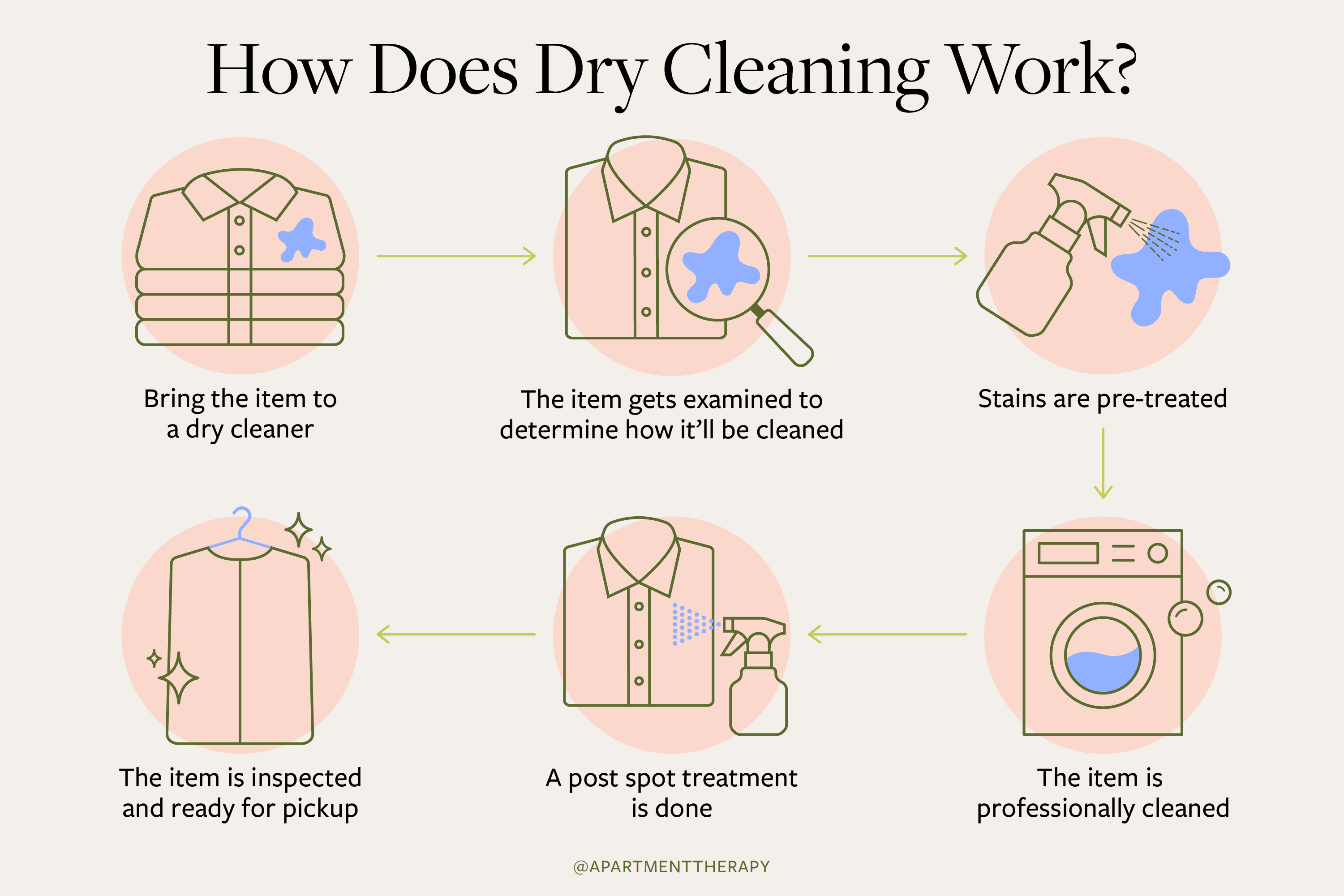
To truly understand what drycleaning is in a financial context, one must deconstruct the profit and loss statement of a typical facility. The industry generally operates on a “high-margin, high-overhead” framework. While the marginal cost of cleaning a single shirt is relatively low—consisting of a few cents of solvent, heat, and a hanger—the fixed costs of rent, specialized labor, and environmental compliance are substantial.
Startup Costs and Franchise Fees
For those looking to enter the market, the financial barrier to entry is significant. A standard “plant” (a facility where cleaning is done on-site) can cost anywhere from $250,000 to over $1,000,000 to build out, depending on the technology used. Alternatively, many investors look toward “drop stores”—satellite locations that collect clothes but send them to a central plant. This “Hub and Spoke” model is a strategic financial move to lower the cost of entry while maximizing the utilization of the expensive primary cleaning equipment. Furthermore, the decision to go independent versus purchasing a franchise (like Tide Cleaners or ZIPS) introduces another layer of financial complexity, involving royalty fees that trade immediate profit for brand recognition and operational systems.
Analyzing Profit Margins in a Service-Oriented Niche
A well-run drycleaning enterprise typically targets an EBITDA (Earnings Before Interest, Taxes, Depreciation, and Amortization) margin of 15% to 25%. Labor is usually the largest variable expense, often consuming 30% to 40% of gross revenue. Financial success in this niche requires a rigorous focus on “cost of goods sold” (COGS), which in this case includes chemicals, hangers, poly-bags, and utilities. Successful operators use automated assembly and sorting systems to drive down labor costs, which directly impacts the bottom line and increases the business’s overall valuation.
Market Positioning and the Valuation of Drycleaning Enterprises
When we define what drycleaning is for a business broker or a private equity firm, we define it by its “multiple.” Businesses in this sector are typically valued based on a multiple of their discretionary earnings. However, the valuation is heavily influenced by the “quality” of the revenue—whether it comes from walk-in retail, hotel contracts, or corporate accounts.
Scalability and the “Hub-and-Spoke” Model
The most profitable financial strategy in modern drycleaning is the “Hub-and-Spoke” model. In this setup, one central, high-capacity cleaning plant (the hub) services multiple retail storefronts or delivery routes (the spokes). This allows the owner to scale revenue without the redundant CapEx of putting a $100,000 cleaning machine in every neighborhood. From an investment perspective, this creates a “moat.” Once an investor owns the central processing capacity, they can aggressively expand their retail footprint at a fraction of the cost, eventually dominating a local market.
Risk Mitigation and Environmental Liabilities
No financial analysis of drycleaning is complete without addressing the “Environmental, Social, and Governance” (ESG) factors. Historically, the industry relied on Perchloroethylene (Perc), a solvent that carries significant environmental liability. For an investor, the “what” of drycleaning includes a thorough audit of soil and groundwater risks. Transitioning to “Green” solvents—such as liquid carbon dioxide or high-flashpoint hydrocarbons—is not just an environmental choice; it is a financial one. Green operations often command higher valuations, lower insurance premiums, and face fewer regulatory hurdles, making them a “safer” bet for long-term wealth preservation.
The Future of the Industry: Digital Transformation and Side Hustle Integration
The final component of understanding what drycleaning is in the modern era involves its evolution into a tech-enabled service. The “Money” in this space is increasingly flowing toward “on-demand” models that bypass the traditional storefront entirely.
The Rise of Delivery-Only Models
We are seeing a surge in “laundry-as-a-service” (LaaS). This model focuses on high-margin pickup and delivery services managed through mobile apps. By eliminating the high rent associated with premium retail storefronts, these businesses can reallocate capital toward marketing and logistics. For an entrepreneur, this represents a unique “side hustle” or “lite” investment opportunity: one can own the “customer relationship” and the delivery van while outsourcing the actual cleaning to a wholesale plant. This reduces the capital required to start and allows for rapid scaling.
Sustainable Finance: The Shift to Green Operations
The financial community is increasingly favoring “Green” drycleaning businesses. As sustainable investing grows, operations that use biodegradable solvents and energy-efficient heat pump technology are finding it easier to secure low-interest loans and government grants. The modernization of a drycleaning plant is no longer just about cleaning clothes better; it is about future-proofing the asset against changing legislation and consumer preferences. In the world of business finance, a “Green” certification is becoming a tangible asset that adds a premium to the sale price of the business.
Conclusion: Why Drycleaning Remains a Potent Financial Vehicle
In summary, “what is drycleaning” is far more than a laundry question; it is an inquiry into a stable, cash-flow-positive sector of the economy. It offers a unique blend of traditional “brick-and-mortar” stability with the modern potential for digital disruption. Whether you are an investor looking for a steady dividend-style return from a local franchise, or a business strategist looking to roll up independent shops into a regional powerhouse, the drycleaning industry provides a robust framework for financial growth.
By understanding the delicate balance between high initial CapEx, labor optimization, and the shift toward eco-friendly technology, one can see drycleaning for what it truly is: a sophisticated financial instrument that provides essential services to the community while building long-term equity for its owners. In an era of volatile tech stocks and uncertain crypto markets, the tangible, recurring nature of the drycleaning dollar remains an attractive harbor for capital.
aViewFromTheCave is a participant in the Amazon Services LLC Associates Program, an affiliate advertising program designed to provide a means for sites to earn advertising fees by advertising and linking to Amazon.com. Amazon, the Amazon logo, AmazonSupply, and the AmazonSupply logo are trademarks of Amazon.com, Inc. or its affiliates. As an Amazon Associate we earn affiliate commissions from qualifying purchases.