
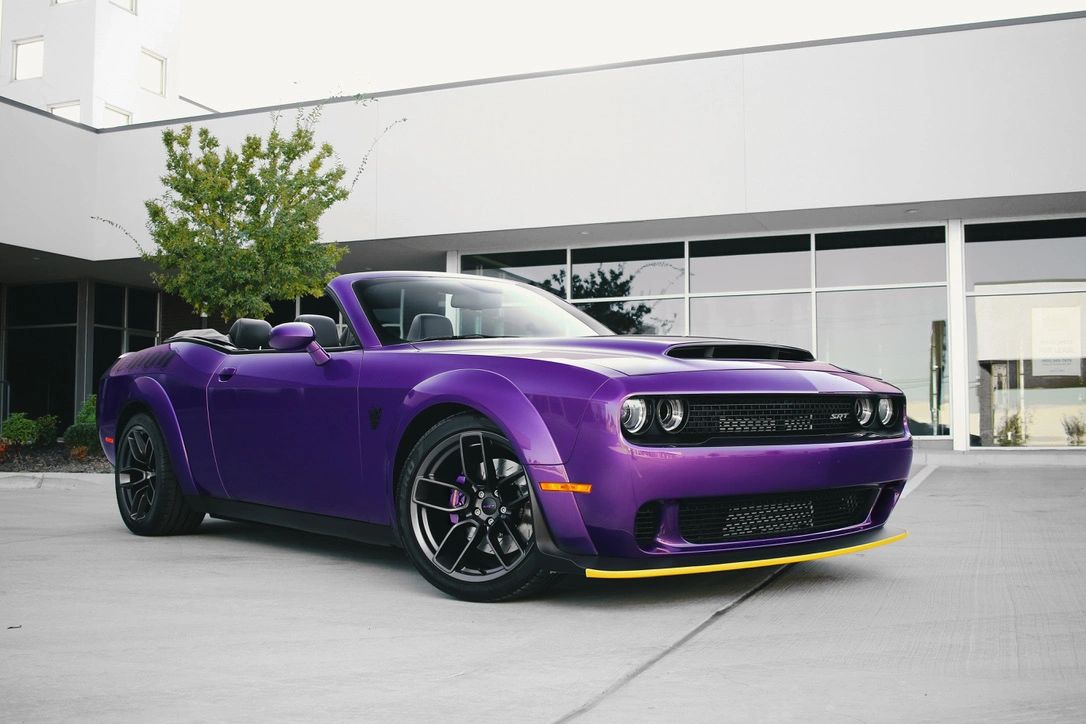
A “drop top,” more formally known as a convertible, represents a unique segment within the automotive market, characterized by its retractable roof mechanism. While often synonymous with freedom, style, and an open-air driving experience, the decision to own a drop top carries a distinct set of financial considerations that extend far beyond the initial purchase price. For the savvy consumer or the aspiring enthusiast, a deep dive into the monetary realities is essential for making an informed choice. This article delves into the financial landscape of convertible ownership, exploring everything from acquisition costs to long-term value retention.
The Financial Landscape of Convertible Ownership
Acquiring a convertible car often involves a significant outlay, and understanding the financial dynamics from the outset is crucial. The market for drop tops spans a wide spectrum, from affordable entry-level models to ultra-luxury performance machines, each with its own financial footprint.
Initial Investment: Purchase Price and Depreciation
The sticker price of a new convertible is typically higher than that of its fixed-roof counterpart in the same model line. This premium reflects the added engineering complexity, specialized materials, and often, lower production volumes. For instance, a convertible variant might command an additional 10-20% over a standard coupe or sedan. This initial premium is an important factor in financial planning.
Depreciation, the loss of value over time, is another critical element. While all new cars depreciate, convertibles can exhibit varied depreciation patterns. Some niche or limited-production convertibles, especially certain sports cars or luxury models, might hold their value relatively well, particularly if they are well-maintained and highly sought after. However, more mainstream convertibles often follow typical depreciation curves, losing a significant portion of their value in the first few years. The perceived seasonality of convertibles can also influence their market value, with prices often firming up in spring and summer and potentially softening during colder months. Researching specific models’ historical depreciation trends is a vital step for any potential owner.
Financing Options and Interest Rates
Like any vehicle purchase, financing a convertible involves choices that impact the total cost of ownership. Options include traditional bank loans, manufacturer financing, or leasing. Each comes with its own set of interest rates, terms, and conditions. Due to the potentially higher purchase price of a convertible, the total interest paid over the life of a loan can be substantial. A higher down payment can reduce the loan amount and, consequently, the interest burden.
Leasing, while not ownership, can offer lower monthly payments and the opportunity to drive a new model every few years. However, leasing agreements come with mileage restrictions and penalties for excessive wear, which must be factored into the overall financial assessment. Understanding the annual percentage rate (APR) and the total cost of borrowing versus purchasing outright is fundamental to budgeting effectively for a drop top.
Ongoing Costs: Beyond the Sticker Price
The financial commitment to a drop top doesn’t end after the keys are in hand. A range of ongoing expenses contributes to the true cost of ownership, many of which can be higher than those for conventional vehicles.
Insurance Premiums: Understanding the Elevated Cost
One of the most significant ongoing expenses for convertible owners is insurance. Insurers often view convertibles as a higher risk for several reasons. Firstly, their higher purchase price means greater replacement costs in the event of a total loss. Secondly, the soft top or retractable hardtop mechanism can be more vulnerable to damage, theft, or vandalism compared to a fixed roof. Replacing a sophisticated convertible roof system can be exceedingly expensive, directly impacting repair costs and, consequently, premiums.
Furthermore, convertibles are often associated with performance driving and luxury status, which can sometimes lead to higher accident rates or an increased likelihood of being a target for theft. Factors such such as the specific make and model, the owner’s driving history, location, and chosen coverage levels all play a role, but prospective owners should generally anticipate paying more for insurance on a drop top compared to a similar non-convertible vehicle. Shopping around for quotes from multiple providers is highly recommended.
Maintenance and Repair: Specialized Needs
The intricate mechanisms involved in a convertible roof system require specialized maintenance and, sometimes, costly repairs. Electric motors, hydraulic systems, sensors, and structural components all work in concert to operate the roof. These components are not found in standard cars and can be expensive to repair or replace if they malfunction. Damage to the fabric or paneling of a soft top from environmental factors or wear and tear can also necessitate significant repair or replacement costs.
Beyond the roof, many convertibles are also performance-oriented vehicles, which often translates to higher costs for routine maintenance such as tire replacements (especially for performance tires), brake components, and specialized fluids. Owners should budget for regular professional inspections of the roof mechanism, particularly for older models, to preempt major issues.
Fuel Efficiency and Running Costs
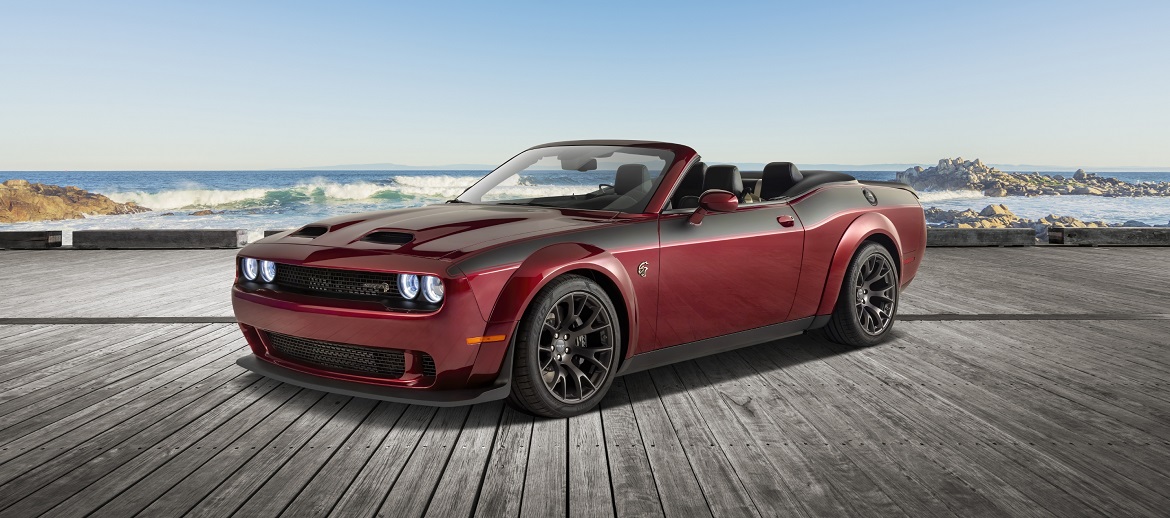
While not exclusive to convertibles, many models in this segment tend to be sports cars or luxury vehicles, often equipped with larger, more powerful engines. This can translate to lower fuel efficiency compared to more economical cars, leading to higher fuel bills. The added weight of the roof mechanism and structural reinforcements can also marginally impact fuel economy.
Additionally, some high-performance convertibles may require premium fuel, further increasing running costs. Even for more mainstream convertibles, understanding the average miles per gallon (MPG) and factoring in current and projected fuel prices is essential for a complete financial picture.
Resale Value and Investment Considerations
The notion of a car as an “investment” is often a misnomer, as most vehicles are depreciating assets. However, some cars hold their value better than others, and convertibles present an interesting case study in market dynamics and enthusiast appeal.
Market Demand and Niche Appeal
Convertibles occupy a niche market. While their universal appeal for open-air driving is undeniable, their practicality can be limited for some buyers, especially in regions with extreme climates or those requiring more cargo or passenger space. This niche appeal can sometimes work in favor of resale value, particularly for models that garner a strong enthusiast following or are considered future classics. Limited production runs, unique styling, or exceptional performance characteristics can create sustained demand, mitigating severe depreciation.
Conversely, a saturated market with many similar models, or a model that has fallen out of favor, can see faster depreciation. The overall condition of the vehicle, particularly the roof and interior, plays an oversized role in its attractiveness to second-hand buyers.
Factors Influencing Depreciation
Several factors specific to convertibles can influence their depreciation:
- Roof Type: Soft tops generally require more maintenance and can show wear more easily than retractable hardtops, which are often more durable but more complex. The condition of the roof directly impacts resale value.
- Mileage and Condition: Low mileage and immaculate condition, particularly for the roof and interior, are paramount for maximizing a convertible’s resale value. Damage or excessive wear to the roof mechanism or fabric can significantly detract from its worth.
- Options and Trim: High-value options packages, especially those that enhance performance or luxury, can help maintain value. Conversely, overly bespoke or less desirable color combinations might narrow the pool of potential buyers.
- Climate: In regions with year-round sunshine, convertibles might experience less seasonal price fluctuation and maintain demand better than in areas with prolonged harsh winters.
The “Investment” Myth: Lifestyle vs. Asset
For the vast majority of buyers, a convertible should be viewed as a lifestyle purchase rather than a financial investment. While a select few rare or classic models may appreciate, the primary return on a drop top is typically experiential: the joy of driving, the sense of freedom, and the aesthetic appeal. Budgeting for this experience means acknowledging that the money spent is for enjoyment, much like a vacation or a hobby, rather than an appreciating asset. Understanding this distinction is vital for setting realistic financial expectations.
Convertible Ownership as a Lifestyle Expense
Embracing convertible ownership means budgeting for a luxury that enhances one’s lifestyle. It’s about prioritizing certain experiences and aesthetics, which naturally come with associated costs.
Budgeting for Discretionary Spending
A convertible often falls into the category of discretionary spending. It’s a choice made for pleasure and personal enjoyment, rather than strict necessity. As such, it’s prudent to ensure that all essential financial obligations – housing, savings, other transportation needs – are met before allocating funds to a drop top. A dedicated budget line item for vehicle maintenance, insurance, and fuel will prevent financial strain and allow for uninterrupted enjoyment of the car. This includes setting aside funds for unexpected repairs, which are arguably more common with the complex roof systems of convertibles.
The Intangible Value: Experience vs. ROI
The true “value” of a convertible for many owners is intangible. It’s the feeling of the wind in your hair, the enhanced connection to the environment, the distinctive style, and the sheer pleasure of driving an open-top vehicle. These experiential returns are difficult to quantify in monetary terms but are often the primary motivators for purchase. Financially, this means accepting that the return on investment (ROI) is primarily personal satisfaction rather than monetary gain. Weighing this personal value against the financial cost is a critical component of the decision-making process.
Alternative Access: Leasing and Rentals
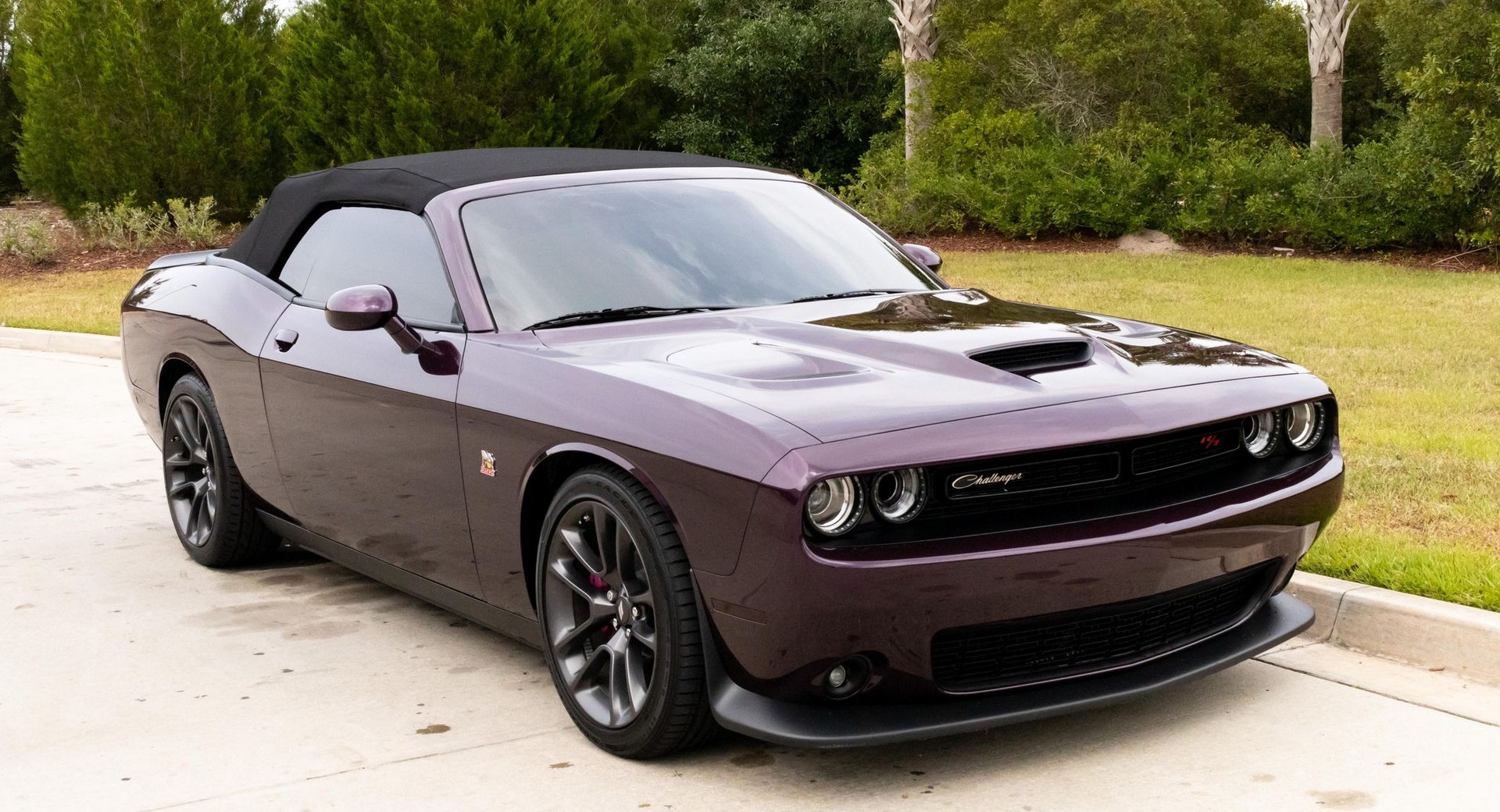
For those who desire the drop-top experience without the full financial commitment of ownership, leasing or even short-term rentals present viable alternatives. Leasing offers access to newer models with potentially lower monthly outlays, albeit with mileage limitations and no equity build-up. For occasional enjoyment, renting a convertible for vacations or special occasions can provide the thrill without the burdens of insurance, maintenance, and depreciation. These options allow individuals to enjoy the “drop top” lifestyle on their own terms, fitting within various financial strategies and preferences.
Ultimately, owning a drop top is a conscious financial decision that requires careful consideration of initial outlay, ongoing costs, and long-term value retention. By understanding these monetary aspects, prospective owners can better align their passion for open-air driving with sound financial planning.
aViewFromTheCave is a participant in the Amazon Services LLC Associates Program, an affiliate advertising program designed to provide a means for sites to earn advertising fees by advertising and linking to Amazon.com. Amazon, the Amazon logo, AmazonSupply, and the AmazonSupply logo are trademarks of Amazon.com, Inc. or its affiliates. As an Amazon Associate we earn affiliate commissions from qualifying purchases.