
In today’s hyper-connected world, the lines between our online and offline lives are increasingly blurred. This digital integration brings immense convenience and opportunity, but it also exposes us to new and evolving threats. Among these, “doxxing” has emerged as a particularly insidious form of online harassment. You’ve likely encountered the term, perhaps in news reports, social media discussions, or security advisories. But what exactly is doxxing, and is it something you need to worry about from a legal perspective? This article will delve into the intricacies of doxxing, exploring its motivations, methods, and crucially, its legal standing within the broader landscape of technology and digital security.
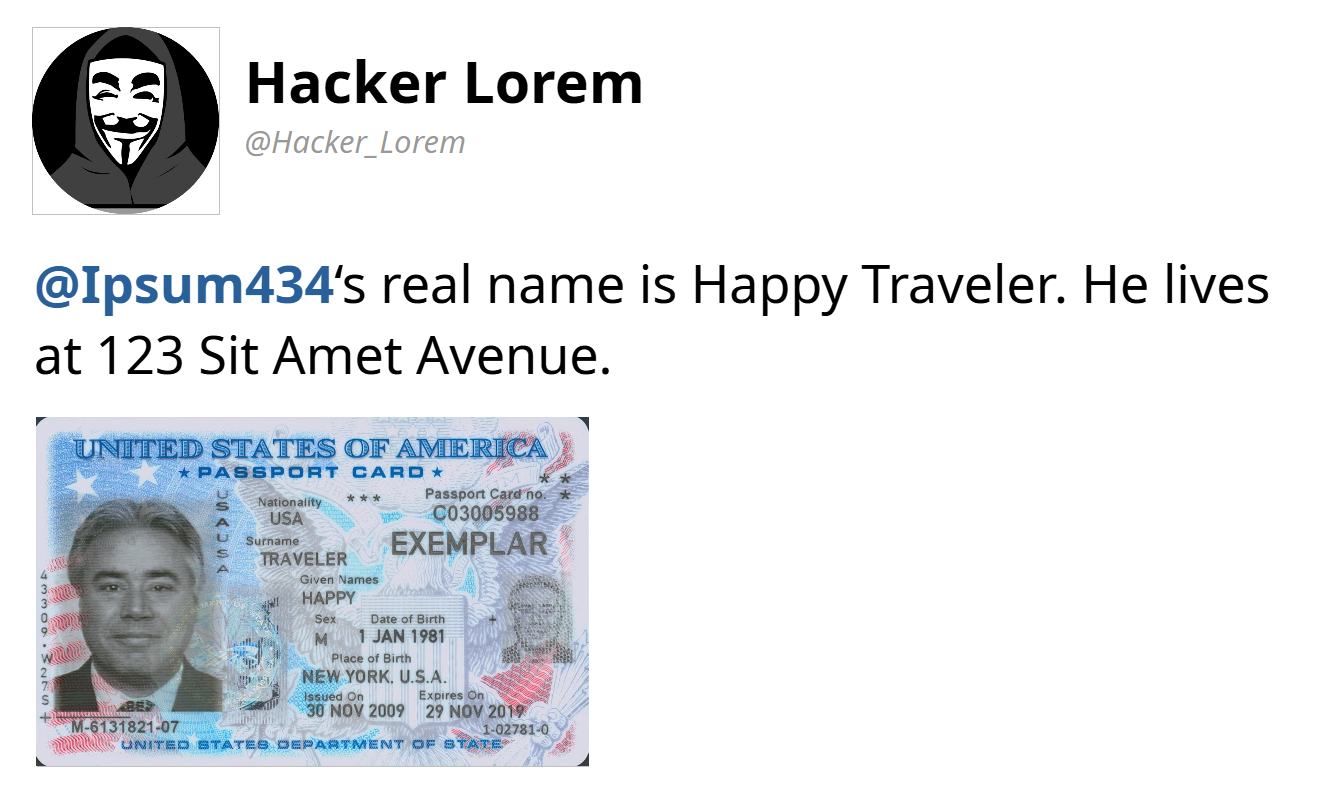
The Anatomy of Doxxing: Revealing Personal Information with Malicious Intent
At its core, doxxing is the act of researching and publicly broadcasting private or identifying information about an individual or organization, usually with the intent to harm, harass, or intimidate. The term itself is a phonetic spelling of “docs,” referring to documents. This practice is not new; it predates the internet. However, the digital age has amplified its reach, speed, and potential for damage.
What Constitutes Doxxed Information?
The information sought and released through doxxing can be incredibly varied, but it typically includes data that an individual reasonably expects to remain private. This can range from:
- Personal Contact Details: Home addresses, phone numbers, personal email addresses, and even family members’ contact information.
- Employment and Financial Information: Workplace details, salary information, bank account numbers, social security numbers, and other sensitive financial data.
- Private Communications: Private messages, emails, or chat logs that were not intended for public consumption.
- Biographical Information: Past addresses, marital status, dates of birth, and other personal history.
- Photographs and Videos: Private images or videos that were not meant to be shared widely.
- Online Footprint: Information aggregated from various social media profiles, online forums, gaming accounts, and other digital platforms.
The goal is often to piece together a comprehensive picture of an individual, making them vulnerable in ways they might not have anticipated.
Motivations Behind Doxxing
The reasons behind doxxing are as diverse as the individuals who engage in it, but they often stem from a place of malice, revenge, or a twisted sense of justice. Some common motivations include:
- Revenge and Retaliation: This is perhaps the most frequent driver. Individuals might doxx someone who has wronged them online, whether in a gaming community, a social media dispute, or a professional context. The aim is to inflict personal and professional damage in return.
- Harassment and Intimidation: Doxxing can be a powerful tool for silencing or intimidating individuals, particularly activists, journalists, whistleblowers, or anyone expressing unpopular opinions. By exposing their personal lives, attackers hope to instill fear and discourage further engagement.
- Political or Ideological Extremism: Certain groups may doxx individuals they deem as enemies or threats to their ideology. This can be a form of digital vigilantism or a tactic to disrupt opposition.
- Cyberbullying and Trolling: For some, doxxing is simply another weapon in their arsenal of online harassment, intended to cause maximum distress and humiliation to their victims.
- Journalism and Investigative Purposes (Ethical Grey Area): While not always malicious, the act of gathering and exposing information can sometimes overlap with doxxing. Investigative journalists might uncover private details to expose wrongdoing. However, the line between public interest and invasion of privacy is a critical ethical consideration here, and often, the intent and method differentiate it from malicious doxxing.
- Financial Gain (Less Common, More Sophisticated): In more complex scenarios, doxxed information could be used for identity theft or fraud, though this is less about the public spectacle of doxxing and more about leveraging the stolen data.
The digital footprint we all leave behind, often unintentionally, is a treasure trove for those with malicious intent. This underscores the importance of digital security awareness.
The Mechanics of Doxxing: How is Private Information Unearthed?
Doxxers employ a variety of techniques, often combining their efforts with other individuals or groups to achieve their objectives. The process can range from relatively simple aggregation of publicly available information to more sophisticated hacking and social engineering tactics.
Leveraging Publicly Available Information (OSINT)
A significant portion of doxxing relies on Open-Source Intelligence (OSINT). This involves meticulously gathering information that is already publicly accessible, but often scattered across numerous platforms. Doxxers are skilled at connecting these disparate pieces of information. Common OSINT methods include:
- Social Media Deep Dives: Examining profiles on platforms like Facebook, Instagram, Twitter, LinkedIn, and even older platforms like MySpace. This involves scrutinizing posts, photos, friend lists, location tags, and even past deleted content if accessible through archives.
- Search Engine Exploitation: Using advanced search engine operators (like Google Dorking) to find specific information, documents, or images that might be indexed but not easily discoverable through a standard search.
- Public Records Databases: Accessing publicly available government records, such as property ownership, court records, business registrations, and voter registration lists.
- Username and Email Tracing: Many individuals reuse usernames and email addresses across different platforms. By finding a username on one site, a doxxer can search for it elsewhere to uncover more associated accounts and information.
- Reverse Image Search: Using tools like Google Images to find other instances of an image, which can lead to associated profiles or websites.
Beyond Publicly Available Information
When OSINT isn’t enough, or when a doxxer wants to expedite the process or gain more sensitive data, they might resort to more intrusive methods:
- Phishing and Social Engineering: Tricking individuals into revealing personal information through fake emails, messages, or websites designed to look legitimate. This could involve posing as a trusted service provider or a friend.
- Exploiting Data Breaches: Malicious actors often scour the dark web for credentials and personal data exposed in past data breaches from various companies and services. If a victim has reused passwords, their information from one breach can unlock accounts elsewhere.
- Hacking and Malware: In rarer, more serious cases, doxxers might engage in actual hacking to gain unauthorized access to email accounts, cloud storage, or even personal devices.
- Befriending or Infiltrating Online Communities: Gaining the trust of a target or their associates within online forums, gaming groups, or social media circles to elicit personal details.
The effectiveness of doxxing often hinges on the target’s digital hygiene and the doxxer’s persistence and technical skill.
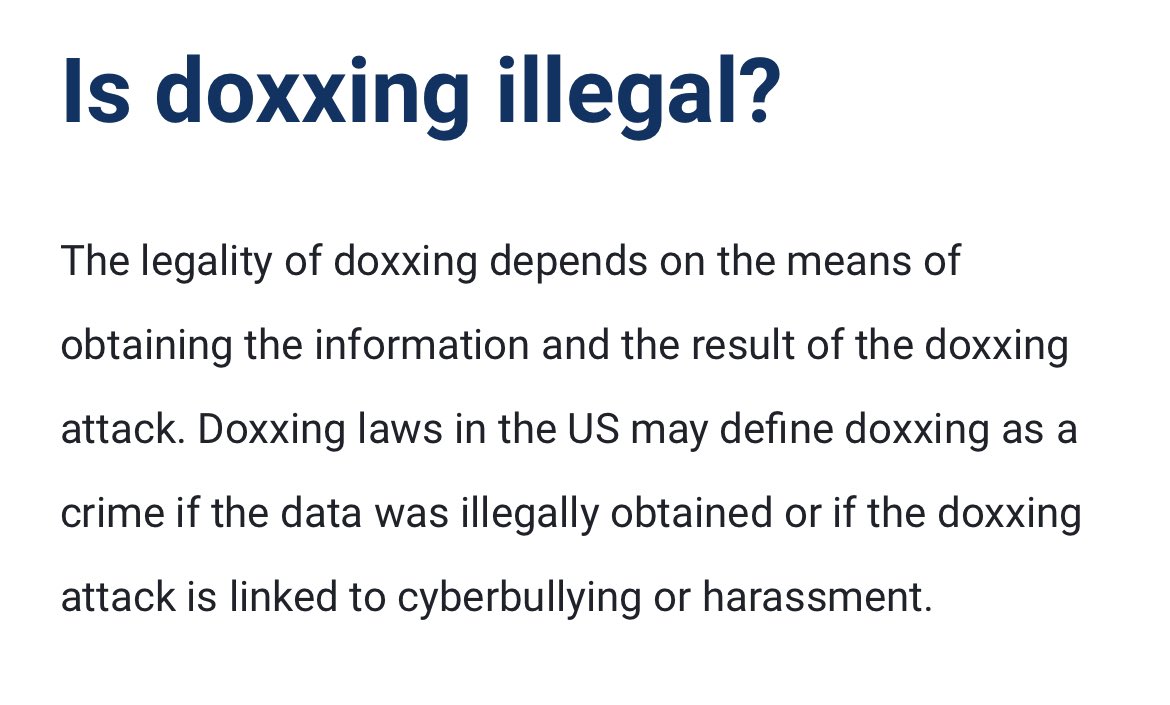
Is Doxxing Illegal? Navigating the Legal Landscape
The question of whether doxxing is illegal is complex and depends heavily on jurisdiction, the specific information revealed, and the intent and impact of the act. While there isn’t a single, universally recognized law that simply states “doxxing is illegal,” various existing laws can be applied to prosecute doxxing incidents.
Legal Frameworks and Applicable Laws
The illegality of doxxing is typically addressed through a combination of existing statutes related to privacy, harassment, defamation, and cybercrime. Here’s how different legal angles can apply:
- Harassment and Stalking Laws: Many jurisdictions have laws against harassment and stalking that extend to online activities. If doxxing is conducted with the intent to cause fear or distress, or if it leads to actual harassment or stalking, it can fall under these statutes. This is particularly relevant if the doxxed information is used to facilitate real-world harassment.
- Privacy Laws: While general privacy laws might not explicitly mention doxxing, laws protecting specific types of private information, such as Social Security numbers, financial account details, or health records, can be invoked. Unauthorized disclosure of such sensitive data can lead to legal repercussions.
- Computer Fraud and Abuse Act (CFAA) in the US: If doxxing involves unauthorized access to computer systems or networks to obtain information, the CFAA can be applied. This is especially relevant if hacking or phishing is involved in the information gathering process.
- Defamation Laws: If the doxxed information includes false statements that damage an individual’s reputation, it could be considered defamation (libel if written, slander if spoken). However, doxxing often involves the truthful disclosure of private information, which doesn’t necessarily constitute defamation.
- Revenge Porn Laws (Specific Contexts): In cases where doxxed content involves non-consensual intimate images, specific laws against the distribution of such material apply and are often the most straightforward legal avenue.
- Cybercrime Legislation: A broad category of laws aimed at prosecuting online offenses, including unauthorized access, data theft, and online harassment.
- State-Specific Laws: Some U.S. states and countries have begun enacting laws that specifically address doxxing, often targeting the non-consensual disclosure of identifying information with the intent to intimidate, harass, or cause harm. For example, California has laws against the willful, malicious, and knowing publication of personal identifying information with the intent to cause harm.
The Importance of Intent and Harm
Crucially, the legal ramifications often hinge on the intent of the doxxer and the harm caused to the victim. Simply publishing someone’s publicly available social media profile without malicious intent might not be illegal. However, if the information is obtained through illegal means, published with the explicit goal of causing fear or damage, or leads to tangible harm (like job loss, threats of violence, or identity theft), the legal consequences can be severe.
International Variations in Legality
It’s vital to remember that laws vary significantly by country and even by region within a country. What might be a prosecutable offense in one jurisdiction might be less clearly defined in another. International doxxing cases can present significant legal challenges due to differing laws and extradition treaties.
Protecting Yourself and Understanding the Consequences
Given the pervasive nature of online data, understanding how to protect yourself from doxxing and recognizing the potential consequences for perpetrators is essential.
Safeguarding Your Digital Footprint
Proactive digital security measures are your first line of defense.
- Privacy Settings on Social Media: Regularly review and strengthen privacy settings on all social media accounts. Limit who can see your posts, your friend lists, and your personal information.
- Strong, Unique Passwords and Two-Factor Authentication (2FA): Use strong, unique passwords for every online account and enable 2FA wherever possible. This makes it much harder for attackers to access your accounts, even if they obtain your password from a data breach.
- Be Mindful of What You Share: Think twice before posting personal information, including your location, workplace, or details about your family.
- Secure Your Home Network: Ensure your Wi-Fi network is secure with a strong password.
- Be Wary of Phishing Attempts: Never click on suspicious links or download attachments from unknown sources.
- Regularly Google Yourself: Periodically search for your name and associated usernames to see what information is publicly available.
- Use VPNs: A Virtual Private Network (VPN) can help mask your IP address, making it harder to track your online activity.
- Secure Your Devices: Keep your operating systems and applications updated, and use antivirus and anti-malware software.
Consequences for Doxxers
The consequences for individuals caught doxxing can include:
- Criminal Charges: Depending on the jurisdiction and the specific laws violated, doxxers can face fines, probation, or even jail time.
- Civil Lawsuits: Victims can sue doxxers for damages, including emotional distress, financial losses, and reputational harm.
- Platform Bans: Social media platforms and online services typically have terms of service that prohibit doxxing and harassment, leading to account suspension or permanent bans.
- Reputational Damage: Being identified as a doxxer can severely damage an individual’s personal and professional reputation, making it difficult to find employment or maintain relationships.
- Loss of Online Anonymity: While doxxers seek to strip victims of their privacy, they themselves can often be identified through their online activities, leading to their own exposure.
Reporting Doxxing Incidents
If you are a victim of doxxing, it’s important to take action:
- Document Everything: Save screenshots, URLs, and any other evidence of the doxxing.
- Report to the Platform: If the doxxing occurred on a social media platform or website, report the content and the user to the platform administrators.
- Contact Law Enforcement: Report the incident to your local police or relevant cybercrime unit. Provide them with all the evidence you have collected.
- Seek Legal Counsel: Consult with a lawyer specializing in cybercrime or privacy law to understand your legal options.

Conclusion: A Persistent Threat Requiring Vigilance
Doxxing is a potent form of digital harassment that weaponizes personal information to inflict harm. While the act itself might not be a single, codified crime in every legal system, the methods used to achieve it and the damage it causes are often covered by a range of existing laws. As our lives become increasingly intertwined with the digital realm, understanding the nature of doxxing, the motivations behind it, and the legal ramifications is crucial. By practicing strong digital hygiene, remaining vigilant about our online footprint, and knowing how to respond to such threats, we can better protect ourselves and contribute to a safer online environment for everyone. The battle against doxxing is ongoing, and it requires both technological solutions and a robust legal framework, alongside a collective commitment to online respect and privacy.
aViewFromTheCave is a participant in the Amazon Services LLC Associates Program, an affiliate advertising program designed to provide a means for sites to earn advertising fees by advertising and linking to Amazon.com. Amazon, the Amazon logo, AmazonSupply, and the AmazonSupply logo are trademarks of Amazon.com, Inc. or its affiliates. As an Amazon Associate we earn affiliate commissions from qualifying purchases.