
A down comforter, at its core, is a type of bedding filled with the soft, fluffy clusters found underneath the tougher feathers of ducks or geese. Unlike feathers, which have quills, down has a three-dimensional structure that traps air, providing exceptional insulation and loft with minimal weight. This natural thermal property makes down comforters highly sought after for their warmth, breathability, and luxurious feel. However, beyond this fundamental definition lies a complex financial landscape that savvy consumers must navigate. Purchasing a down comforter is not merely a transaction for comfort; it’s a significant household investment with implications for personal finance, long-term budgeting, and even health-related economic benefits.
The Financial Equation of Comfort: Understanding Your Investment
When considering a down comforter, the initial sticker price can be a point of apprehension for many. Premium down comforters can range from a few hundred to well over a thousand dollars, positioning them as a substantial line item in a household budget. Understanding what drives these costs and how they relate to long-term value is crucial for making a financially sound decision.
Initial Outlay vs. Long-Term Value
The immediate expense of a down comforter pales in comparison to its potential longevity. Unlike synthetic alternatives that might need replacing every few years due to compaction or diminished insulation, a well-maintained down comforter can last 10 to 15 years, or even longer. This extended lifespan translates into a lower annual cost of ownership. For example, a $800 down comforter lasting 10 years costs $80 per year, whereas a $150 synthetic one replaced every three years would cost $50 per year but offer significantly less comfort and potentially higher long-term environmental cost through more frequent disposal. This perspective reframes the initial outlay as an amortized investment in sustained comfort and quality.
Decoding Fill Power and Its Price Tag
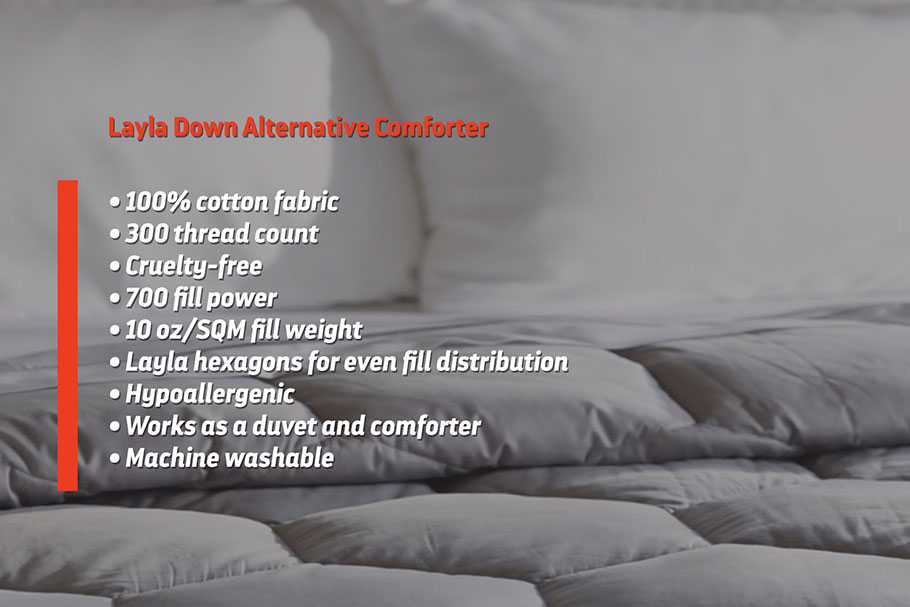
Fill power is arguably the most critical metric impacting both performance and price. It measures the volume one ounce of down occupies in cubic inches. Higher fill power (e.g., 700-800+) indicates larger, more mature down clusters that trap more air, providing superior insulation, loft, and often, lighter weight.
- Low Fill Power (400-500): These comforters are generally less expensive. They provide moderate warmth but might be heavier for their warmth level. They are often suitable for warmer climates or individuals who prefer lighter bedding. The lower price point makes them accessible, but their longevity might be slightly shorter due to smaller clusters compressing more easily over time.
- Medium Fill Power (550-650): Representing a sweet spot for many, these offer good warmth for most climates at a reasonable price. They strike a balance between cost and performance, often making them a financially prudent choice for a general-purpose comforter.
- High Fill Power (700-800+): This is where prices climb significantly. Comforters with very high fill power offer exceptional warmth-to-weight ratio and luxurious loft. They are an investment in supreme comfort and often boast greater durability due to the resilience of larger down clusters. For cold climates or those prioritizing ultimate luxury, the premium price is often justified by unparalleled performance and extended lifespan. The incremental cost for higher fill power needs to be weighed against the marginal utility of warmth and loft for an individual’s specific needs and climate.
Down Type: Goose, Duck, and Their Economic Impact
The origin of the down also plays a significant role in its cost and perceived value.
- Duck Down: Generally more abundant and thus less expensive than goose down. Duck down clusters tend to be smaller, offering slightly less loft and insulation per ounce compared to premium goose down. However, good quality duck down comforters (especially those with higher fill power) can still provide excellent warmth and comfort at a more budget-friendly price point, representing a smart financial choice for many.
- Goose Down: Commands a higher price due to its larger, more robust clusters that provide superior warmth, loft, and durability. Hungarian or Siberian goose down are often cited as benchmarks for quality and carry a premium. This premium is an investment in lighter weight, greater warmth retention, and a longer product lifespan. When evaluating goose down, particularly from specific regions, consumers should assess if the added cost provides a proportional increase in value for their specific requirements. For instance, an extremely cold climate might fully justify the investment in premium goose down.
Beyond the Price Tag: The ROI of Quality Sleep
While the upfront cost and material differences are critical financial considerations, the true return on investment (ROI) of a quality down comforter extends far beyond its direct price. It impacts personal health, productivity, and even household energy consumption.
Health and Productivity Dividends
Sleep is not a luxury; it’s a fundamental biological necessity with profound economic implications. Poor sleep quality is linked to decreased productivity, impaired cognitive function, increased healthcare costs, and higher accident rates. A comfortable sleeping environment, anchored by an appropriate comforter, can significantly improve sleep quality. Investing in a down comforter that regulates temperature effectively—keeping you warm without overheating, thanks to its breathability—contributes directly to better, more restorative sleep.
- Reduced Healthcare Costs: By promoting better sleep, a quality comforter can indirectly contribute to better overall health, potentially reducing the frequency of doctor visits or the need for sleep aids.
- Increased Productivity: Well-rested individuals are more focused, efficient, and creative. The improved sleep from a comfortable down comforter can translate into enhanced job performance, potentially leading to career advancement or greater earning potential.
- Improved Well-being: Reduced stress and improved mood from quality sleep also have intangible but significant financial benefits, impacting relationships and overall life satisfaction, which in turn can influence decision-making and financial prudence.

Durability and Longevity: A Prudent Purchase
As mentioned, the extended lifespan of a down comforter positions it as a highly durable good. This durability means fewer replacements, which saves money and reduces waste over time. The robust nature of down clusters, especially from higher fill power products, resists breakdown and clumping better than most synthetic fills. This resilience ensures the comforter maintains its loft and insulating properties for many years, preserving the comfort and warmth that justified its initial cost. A careful assessment of the shell material (e.g., high-thread-count cotton for durability and down-proofing) also contributes to the longevity and overall financial wisdom of the purchase. Investing in a high-quality shell prevents down leakage, protecting your investment.
Energy Savings: An Unsung Financial Benefit
One often-overlooked financial benefit of a quality down comforter is its potential to reduce household energy consumption. By providing superior warmth, a down comforter can allow you to lower your thermostat settings, especially during colder months. Even a modest reduction of a few degrees can lead to noticeable savings on heating bills over a winter season. This makes a down comforter not just an investment in personal comfort, but also an indirect investment in energy efficiency for your home. The upfront cost can thus be partially offset by these recurring savings, bolstering its financial rationale.
Navigating the Market: Smart Spending Strategies
Making an informed purchase requires more than just understanding the product; it demands strategic thinking about how to align quality with budget.
Ethical Sourcing and Your Budget
The ethical sourcing of down is an increasingly important consideration for many consumers. Practices like “live-plucking” and force-feeding are inhumane, and many reputable brands now commit to responsible sourcing, often certified by standards like the Responsible Down Standard (RDS). While ethically sourced down might sometimes carry a slightly higher price tag due to more stringent supply chain management, this premium can be seen as an investment in responsible consumerism and animal welfare. For those whose values align with ethical sourcing, allocating a portion of their budget towards certified products ensures that their comfort doesn’t come at an unacceptable cost to animal welfare, enhancing the intangible value of their purchase.
When to Splurge, When to Save
A critical aspect of financial planning for any major purchase is knowing where to allocate resources.
- Splurge on Fill Power and Casing: If your budget allows, prioritize higher fill power (650+) and a durable, high-thread-count (300+) cotton shell. These factors are the primary drivers of longevity, warmth, and luxurious feel, providing the best long-term return on your investment. A good casing also ensures the down stays where it belongs.
- Save on Brand Recognition (Sometimes): While established brands often offer quality and reliability, sometimes lesser-known brands can provide excellent value for comparable specifications. Researching product reviews and specifications rather than solely relying on brand name can uncover financially advantageous alternatives.
- Consider Seasonal Sales: Bedding, especially luxury items like down comforters, often goes on sale during specific times of the year (e.g., January white sales, holiday promotions). Timing your purchase can lead to significant savings without compromising on quality, making the investment more accessible.
Maintenance and Protection: Safeguarding Your Investment
The financial wisdom of purchasing a down comforter extends to its care. Proper maintenance can significantly prolong its life and preserve its insulating properties.
- Use a Duvet Cover: This is non-negotiable. A duvet cover protects the comforter from dirt, oils, and spills, reducing the need for frequent cleaning. It’s a far less expensive item to replace or clean than the comforter itself.
- Regular Fluffing: Gently fluffing your comforter daily redistributes the down and maintains its loft, preventing compaction and ensuring even warmth distribution.
- Professional Cleaning: Down comforters typically only need cleaning every few years. Professional dry cleaning or specialized wet cleaning is recommended to avoid damaging the down and ensure proper drying, which is crucial to prevent mildew. The cost of professional cleaning is a small, periodic expense that safeguards a much larger investment.
Down Comforters as a Household Asset
Viewing a down comforter as a significant household asset rather than a mere expendable item reframes its financial impact. It’s an integral part of a healthy home environment, contributing to comfort, well-being, and potentially even energy savings.
Budgeting for Bedding Upgrades
When budgeting for home improvements or household expenses, consider allocating a specific fund for quality bedding. Just as you might budget for a new appliance or furniture, a high-quality down comforter deserves financial foresight. Planning for this investment allows you to save incrementally, ensuring you can afford a product that meets your needs for comfort, durability, and ethical standards, without straining your immediate finances.

The Cost of Ownership Over Time
Calculating the total cost of ownership involves not just the purchase price but also maintenance costs (duvet covers, cleaning) and factoring in its expected lifespan. When compared to cheaper alternatives that need more frequent replacement, the annual cost of a high-quality down comforter often proves to be lower, providing superior comfort and environmental benefits. This long-term financial perspective underscores the value proposition of investing wisely in a down comforter, making it a sound decision for any financially astute homeowner.
aViewFromTheCave is a participant in the Amazon Services LLC Associates Program, an affiliate advertising program designed to provide a means for sites to earn advertising fees by advertising and linking to Amazon.com. Amazon, the Amazon logo, AmazonSupply, and the AmazonSupply logo are trademarks of Amazon.com, Inc. or its affiliates. As an Amazon Associate we earn affiliate commissions from qualifying purchases.