
The gaming industry is currently witnessing a paradigm shift in how legacy franchises are reimagined, and DOOM: The Dark Ages stands as the vanguard of this evolution. As the next major entry in the long-storied DOOM franchise, the title functions as a masterclass in brand revitalization. By pivoting away from the frenetic, neon-drenched pace of the modern DOOM era and leaning into a gritty, medieval-inspired aesthetic, id Software is demonstrating how a brand can maintain its core identity while radically transforming its narrative landscape. This strategic shift is not merely a creative choice; it is a sophisticated branding exercise designed to expand the franchise’s total addressable market while deepening brand loyalty among its most fervent advocates.
The Strategy of Aesthetic Reimagining
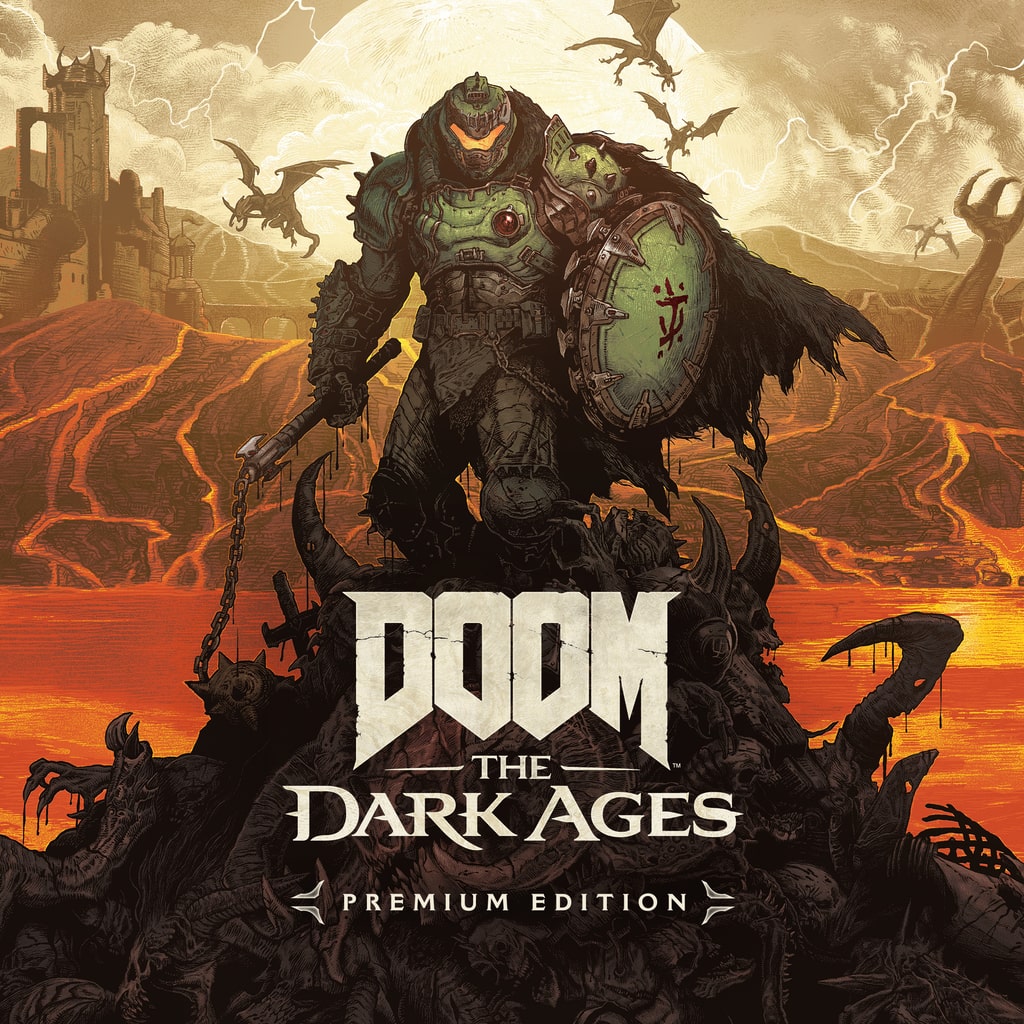
At its core, DOOM: The Dark Ages is a prequel, a narrative device often used by mature brands to provide context to existing lore. However, rather than simply filling in gaps, the game recontextualizes the brand’s visual and thematic identity. The departure from the futuristic, high-tech environments of the UAC (Union Aerospace Corporation) toward a gothic, brutalist landscape signals a transition toward “high fantasy” horror.
Balancing Legacy and Innovation
The brand strategy here relies on a concept known as “familiarity with a twist.” Players expect certain elements—the visceral combat, the overwhelming sense of power, and the iconic weaponry. By keeping these pillars intact while placing them in a medieval setting, the developers ensure that the brand remains recognizable. This is essential for long-term survival in the saturated gaming market. When a brand becomes too stagnant, it loses its edge; when it changes too much, it alienates its base. The Dark Ages strikes a precarious balance, essentially rebranding the Slayer from a space marine into a mythical, folkloric figure.
Expanding the Brand Narrative
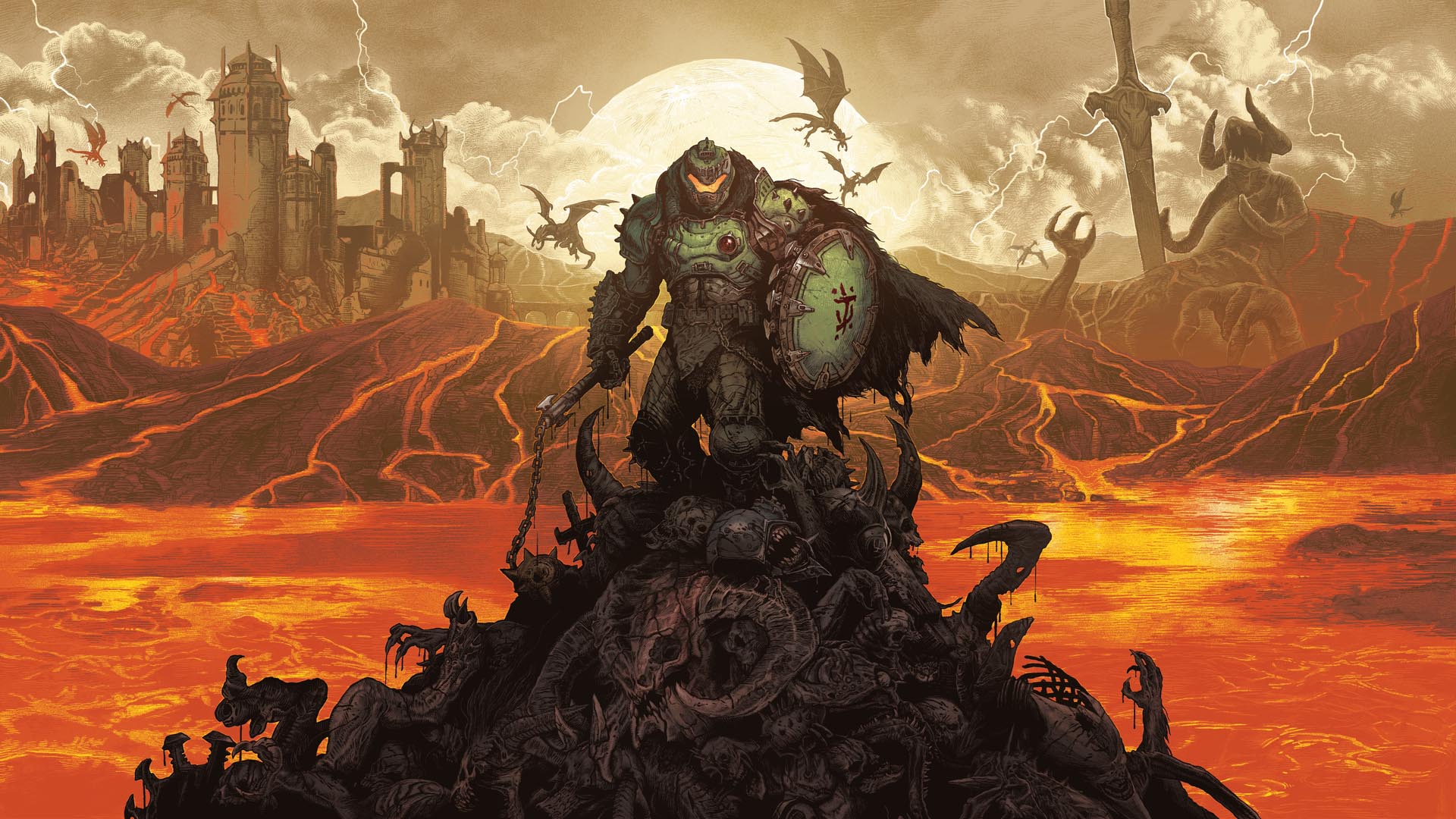
The shift in setting allows the marketing team to tap into the popularity of dark fantasy, a genre that has seen a massive surge in mainstream culture. By aligning DOOM with the aesthetics of heavy metal album covers and medieval epic poetry, the brand effectively broadens its appeal. It stops being just a sci-fi shooter and starts becoming a cultural aesthetic, allowing for broader merchandise potential, more evocative marketing campaigns, and a more robust narrative framework that isn’t restricted by the technological constraints of a purely sci-fi setting.
The Evolution of the DOOM Identity
Every successful brand eventually reaches a point where it must redefine its “tone of voice.” For DOOM, the voice has always been one of aggression and unstoppable force. The Dark Ages shifts this voice from “technological superiority” to “primal, foundational brutality.” This is a sophisticated move in corporate identity management. It suggests that the character of the Doom Slayer is eternal, a constant force that exists across all timelines and architectures.
Reframing the Slayer
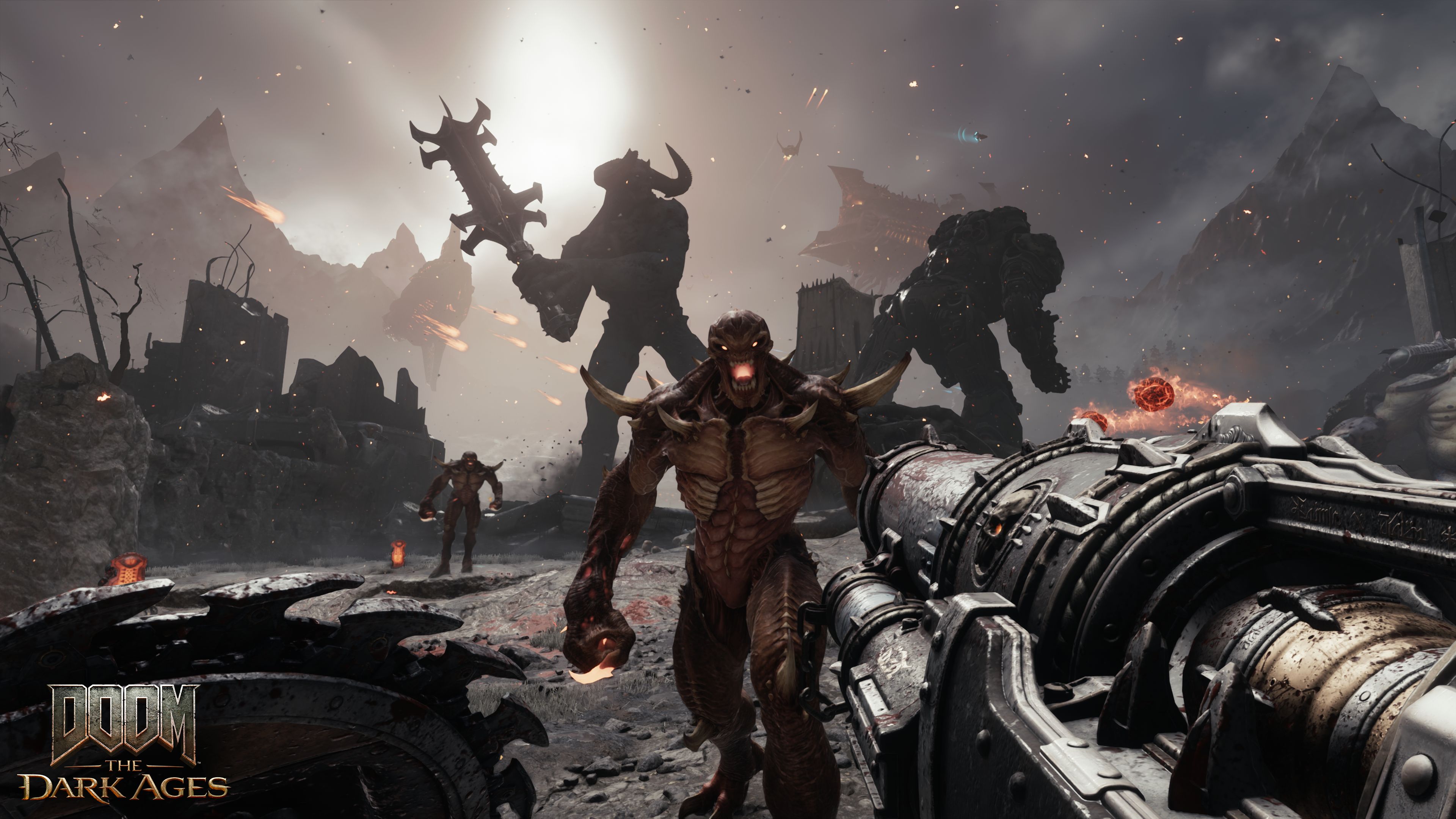
By positioning the Slayer as a knight-like figure, the brand leverages established archetypes of heroism. This makes the character more accessible to a wider audience. The inclusion of new mechanics, such as the shield-saw, isn’t just a gameplay feature—it is a piece of brand hardware. It creates a new visual identity for the Slayer that distinguishes him from the iterations seen in DOOM (2016) and DOOM Eternal. Every piece of equipment in a game functions as an asset of the brand; by changing the silhouette and function of the primary tools, the developer is refreshing the “product packaging” of the franchise.
The Role of Atmospheric Design
The art direction serves as the primary marketing asset for this title. By leaning into heavier, darker color palettes and more intricate, architectural environments, the branding team is positioning DOOM as a “prestige” title. This is a common strategy in the gaming sector, where studios attempt to elevate their properties to be viewed not just as entertainment software, but as artistic expressions. This transition is crucial for brand longevity, as it captures the attention of gamers who prioritize tone and world-building over simple gameplay mechanics.
Strategic Market Positioning
When analyzing DOOM: The Dark Ages from a corporate perspective, we must look at where it sits within the broader portfolio of its parent company, Microsoft/Bethesda. The game serves as a tentpole release that justifies ecosystem membership, such as Game Pass.
Driving Ecosystem Engagement
The brand is no longer just about the unit sales of a single game; it is about driving subscriptions and maintaining engagement within a closed ecosystem. By creating a game that looks, feels, and plays differently than its predecessors, the company ensures that it captures both the legacy players who want more of the same and new players who may be drawn in by the fantasy-horror aesthetic. This is a classic brand expansion tactic: diversifying the product offering to cover multiple market segments simultaneously.
The Power of Cultural Integration
The DOOM brand has historically been synonymous with heavy metal music and high-octane action. The Dark Ages leans into this, utilizing the cultural cachet of its brand to create a synergy between visual storytelling and aggressive, thematic audio. This creates a “total brand experience.” When marketing a game, the challenge is often how to communicate the experience to someone who hasn’t played it. By utilizing iconic imagery—the shield-saw, the crumbling fortresses, the gargantuan enemies—the branding team creates an instantly communicable identity that bypasses the need for complex explanation.
Future-Proofing the Franchise
A critical component of brand management is ensuring that a product does not become a victim of its own success. If every DOOM game followed the exact same formula, the brand would eventually exhaust its creative runway. The Dark Ages proves that a brand can iterate on its core identity to ensure sustainability for decades to come.
Diversification of Gameplay Systems
The introduction of vehicle combat and new traversal mechanics represents an investment in technical evolution. For a brand to remain relevant, it must show that it is capable of innovation. By evolving the gameplay loop, id Software is signaling to the market that DOOM is a living, breathing brand that grows with the capabilities of modern hardware. This is essential for maintaining the perception of the brand as a “premium” product in a field filled with lower-budget clones.
Sustaining Long-Term Value
Finally, DOOM: The Dark Ages acts as an anchor for the franchise’s future. By exploring the origin stories of the Slayer and the universe he inhabits, the developers are building an extensive “mythos” or “universe” that can be expanded into other media, such as graphic novels, spin-offs, or expanded digital experiences. This is the hallmark of a world-class brand strategy: turning a singular product into a vast, interconnected ecosystem.
The genius of DOOM: The Dark Ages lies in its ability to simultaneously pay homage to the past while boldly staking out new territory for the future. It is a masterclass in how to manage a legacy property by treating it as a dynamic, evolving entity rather than a static product. By carefully curating its aesthetic, narrative, and gameplay identity, the team behind DOOM is ensuring that the brand remains at the center of the gaming conversation for years to come. It is, quite simply, the application of sophisticated brand strategy to the high-stakes world of interactive entertainment.
aViewFromTheCave is a participant in the Amazon Services LLC Associates Program, an affiliate advertising program designed to provide a means for sites to earn advertising fees by advertising and linking to Amazon.com. Amazon, the Amazon logo, AmazonSupply, and the AmazonSupply logo are trademarks of Amazon.com, Inc. or its affiliates. As an Amazon Associate we earn affiliate commissions from qualifying purchases.