
In the dynamic landscape of global branding, certain characters transcend their original purpose, evolving into cultural touchstones and powerful brand assets. Domo-kun, the quirky, brown, box-like creature with an ever-open mouth, stands as a quintessential example of such an evolution. Far from being just a cartoon character, Domo-kun embodies a masterful exercise in corporate identity, brand extension, and cross-cultural marketing that offers invaluable insights for any organization seeking to forge a memorable and enduring brand presence. At its core, Domo-kun is more than a mascot; he is a carefully cultivated brand ambassador whose simplicity belies a sophisticated branding strategy.

The Genesis of a Global Icon: From Public Service to Pop Culture Phenomenon
Domo-kun’s journey began not in the realm of commercial entertainment but within the public service broadcasting domain of Japan. Created in 1998 by Tsuneo Gōda, Domo-kun was initially conceived as the official mascot for NHK, Japan’s national public broadcasting organization, to commemorate the 10th anniversary of NHK’s satellite broadcasting. This origin story is crucial to understanding his branding success, as it demonstrates how a carefully designed character, even for a non-commercial entity, can attain significant brand equity and cultural resonance.
NHK’s Strategic Mascot Choice
NHK’s decision to introduce Domo-kun was a strategic move to humanize the institution and make it more approachable to a younger, broader audience. Public broadcasters often struggle with perceptions of being staid or overly formal. A mascot like Domo-kun provided a friendly, non-threatening face, effectively breaking down barriers and fostering a sense of warmth and familiarity. His initial appearances were in short stop-motion animation segments, often only 30 seconds long, aired between programs. These brief, whimsical vignettes established his core personality: a curious, kind-hearted creature who lives in an underground cave with a wise rabbit and a bat. This strategic deployment ensured gradual exposure and allowed the character to organically grow on the audience, rather than being thrust upon them with aggressive marketing. The lack of dialogue in his early shorts also made him universally understandable, laying the groundwork for international appeal.
Initial Reception and Organic Growth
Domo-kun’s initial reception was overwhelmingly positive. His distinctive appearance and innocent antics quickly captivated Japanese audiences, transcending age demographics. What began as a mere celebratory mascot soon became an intrinsic part of NHK’s corporate identity. Crucially, NHK did not immediately commercialize Domo-kun aggressively. Instead, they allowed his popularity to simmer and build, nurturing his organic growth. This patient approach is a key lesson in brand development: authentic connection often trumps immediate monetization. As his fame grew within Japan, largely through word-of-mouth and cultural osmosis, NHK recognized the potential for greater brand extension, albeit still rooted in his public service origins. His rise illustrates that even brands with a specific, niche initial purpose can find broader appeal if their core identity is strong and resonant.
Anatomy of a Brand Mascot: Domo-kun’s Design and Personality
The effectiveness of Domo-kun as a brand lies deeply within his fundamental design and the subtle nuances of his character. He is a testament to the power of simplicity and well-crafted ambiguity in branding, elements that have allowed him to be versatile, relatable, and enduring across diverse markets and product lines. Analyzing Domo-kun’s aesthetic and behavioral traits provides a masterclass in mascot design for brand recognition.
Simplicity as a Branding Strength
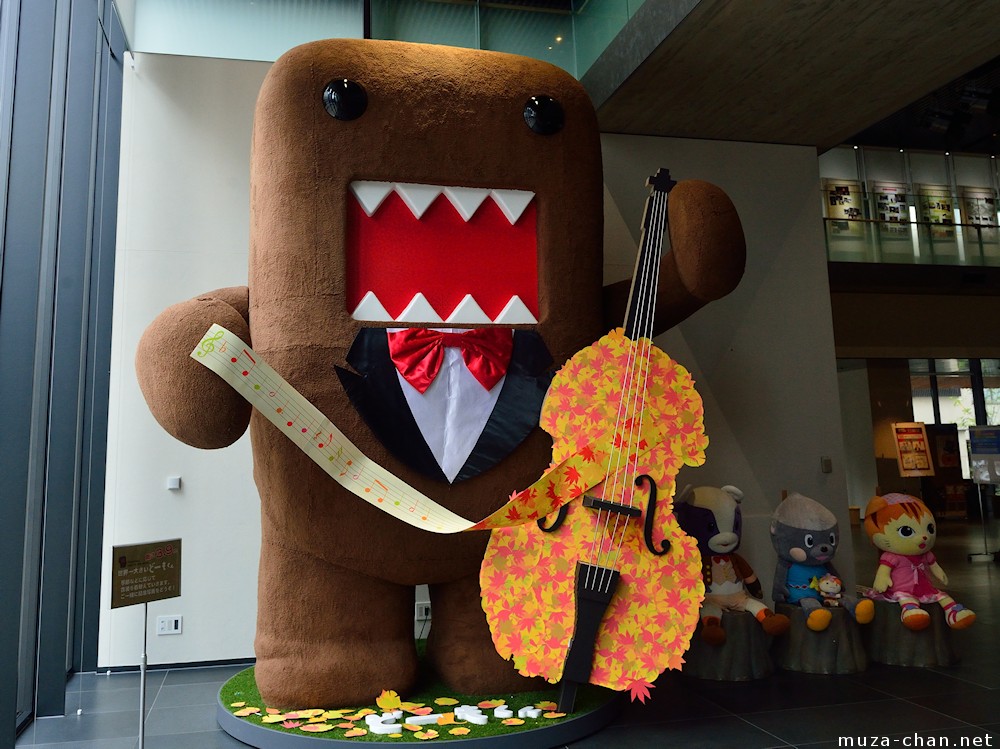
Domo-kun’s visual design is remarkably simple: a small, brown, furry creature with an ovular body, stubby limbs, and a wide, red, serrated mouth that is perpetually open. This minimalist aesthetic is not accidental; it is a profound strength in branding. Simple designs are inherently memorable and easily reproducible across various media, from digital platforms to physical merchandise. His distinct silhouette is instantly recognizable, making him an excellent visual shorthand for the NHK brand, and later, for a range of licensed products. In a world saturated with complex logos and detailed characters, Domo-kun’s straightforward form cuts through the noise. This simplicity also allows for easy adaptation into different contexts and styles, a crucial factor for a brand seeking widespread licensing and global appeal without diluting its core identity. Brands can learn from Domo-kun that sometimes, less is indeed more when aiming for universal recognition and lasting impact.
The Charismatic Ambiguity
Perhaps the most ingenious aspect of Domo-kun’s character is his charismatic ambiguity. He doesn’t speak, relying instead on non-verbal cues and expressive movements to convey emotion. His wide, open mouth, while initially appearing menacing, is often interpreted as an expression of surprise, joy, or even mild distress, making him endearing rather than frightening. This ambiguity allows audiences to project their own emotions and interpretations onto him, fostering a deeper, more personal connection. He can be seen as innocent, mischievous, or even slightly perplexed, making him universally relatable. This lack of explicit dialogue or overly complex backstory frees him from specific cultural or linguistic constraints, making his appeal truly global. For brands, this teaches that creating a character with universal appeal doesn’t necessarily mean providing an exhaustive biography; sometimes, leaving room for interpretation allows the audience to become more invested, thereby strengthening their bond with the brand. This carefully managed ambiguity ensures Domo-kun remains fresh and relevant, adapting subtly to new cultural contexts without losing his essential brand essence.

Beyond the Screen: Leveraging Domo-kun for Brand Extension and Marketing Success
Domo-kun’s transition from an in-house mascot to a global brand phenomenon is a case study in effective brand extension and strategic marketing. His journey demonstrates how a well-loved character can be leveraged across various platforms, generating revenue, reinforcing brand recognition, and fostering international goodwill. This multi-faceted approach is a blueprint for brands seeking to maximize the value of their intellectual property.
Licensing as a Revenue Stream and Brand Reinforcement
A pivotal aspect of Domo-kun’s branding success has been NHK’s strategic approach to licensing. While NHK is a public broadcaster, the licensing of Domo-kun has provided a significant source of revenue, which is often reinvested into their programming. More importantly, licensing extends Domo-kun’s presence far beyond NHK’s broadcasts, placing him on merchandise ranging from toys and apparel to stationery and video games. Each licensed product serves as a mini-billboard, constantly reinforcing the brand in the consumer’s daily life. This widespread visibility ensures that Domo-kun remains top-of-mind, even for those who may not regularly watch NHK programming. The careful selection of licensees and product categories also helps maintain the integrity and positive image of the Domo-kun brand, ensuring that products align with his innocent and playful persona. This controlled proliferation is key: brands must ensure that their extensions are consistent with their core identity, lest they dilute their brand value.
Cross-Cultural Appeal and Global Market Penetration
Domo-kun’s design and silent nature inherently facilitate cross-cultural appeal. He requires no translation, and his simple, universal emotions resonate with audiences regardless of language barriers. This universal accessibility became a massive advantage when Domo-kun began gaining traction internationally, particularly in the United States through social media and online communities in the mid-2000s. His unique look, combined with his meme-friendly expressions, made him an internet sensation, further amplifying his global reach without significant direct marketing investment from NHK. His adoption by alternative subcultures and counter-culture movements demonstrated the flexibility and organic adaptability of his brand identity. For international brands, Domo-kun highlights the power of culturally neutral design and the importance of allowing organic, grassroots movements to contribute to global market penetration. His appeal transcends specific demographics, allowing him to be embraced by diverse groups who find in him a reflection of their own quirks and humor.
Digital Adaptation and Social Media Engagement
As digital platforms and social media became central to marketing, Domo-kun’s brand continued to thrive. His distinctive image lent itself perfectly to avatars, emoticons, and viral content. Short animated GIFs and memes featuring Domo-kun spread rapidly, often taking on new meanings in online communities, further cementing his relevance in contemporary culture. This digital adaptability ensured that the Domo-kun brand remained fresh and engaged with new generations of consumers who primarily interact with content online. NHK and its licensing partners have capitalized on this, ensuring Domo-kun maintains a presence across various digital games, apps, and social media campaigns. The lesson for modern brands is clear: a successful brand must be fluid and adaptable, capable of translating its core identity across evolving digital landscapes while maintaining its recognizability and resonance.
The Enduring Legacy: Lessons from Domo-kun’s Branding Journey
Domo-kun’s remarkable longevity and consistent global appeal offer profound lessons for any brand, regardless of its industry or scale. His journey from a humble public broadcaster mascot to an international pop culture icon is a testament to the power of thoughtful design, strategic positioning, and adaptable brand management.
Consistency in Brand Messaging
One of the most critical takeaways from Domo-kun’s success is the unwavering consistency in his brand messaging. Despite his diverse applications and appearances across various media and products, his core identity remains intact: a curious, somewhat naive, and endearing creature. This consistency builds trust and familiarity with the audience, ensuring that every interaction reinforces a positive image of the brand. Brands that frequently alter their messaging or core identity risk confusing their audience and diluting their impact. Domo-kun teaches that while brand extensions can be broad, the central essence must remain steadfast, acting as an anchor in a sea of fluctuating trends. This consistency is not about rigidity but about maintaining a clear, recognizable voice and personality throughout all brand touchpoints.
The Power of Nostalgia and Evolution
Domo-kun has managed to harness the power of nostalgia while simultaneously evolving. For those who grew up with his NHK segments, he evokes a sense of comfort and fond memories. Yet, his ability to adapt to new digital contexts and appeal to younger audiences means he is not merely a relic of the past. He represents a brand that respects its origins while fearlessly embracing future trends. This delicate balance is vital for long-term brand relevance. Brands must find ways to honor their heritage and the emotional connections they’ve built over time, while also innovating and finding new ways to connect with contemporary audiences. Domo-kun shows that a brand can be both timeless and timely, enduring across generations by understanding its core appeal and intelligently adapting its presentation. His continued presence in popular culture serves as a powerful reminder that strong branding, built on authenticity and strategic foresight, can achieve a global footprint and an enduring legacy.
aViewFromTheCave is a participant in the Amazon Services LLC Associates Program, an affiliate advertising program designed to provide a means for sites to earn advertising fees by advertising and linking to Amazon.com. Amazon, the Amazon logo, AmazonSupply, and the AmazonSupply logo are trademarks of Amazon.com, Inc. or its affiliates. As an Amazon Associate we earn affiliate commissions from qualifying purchases.