
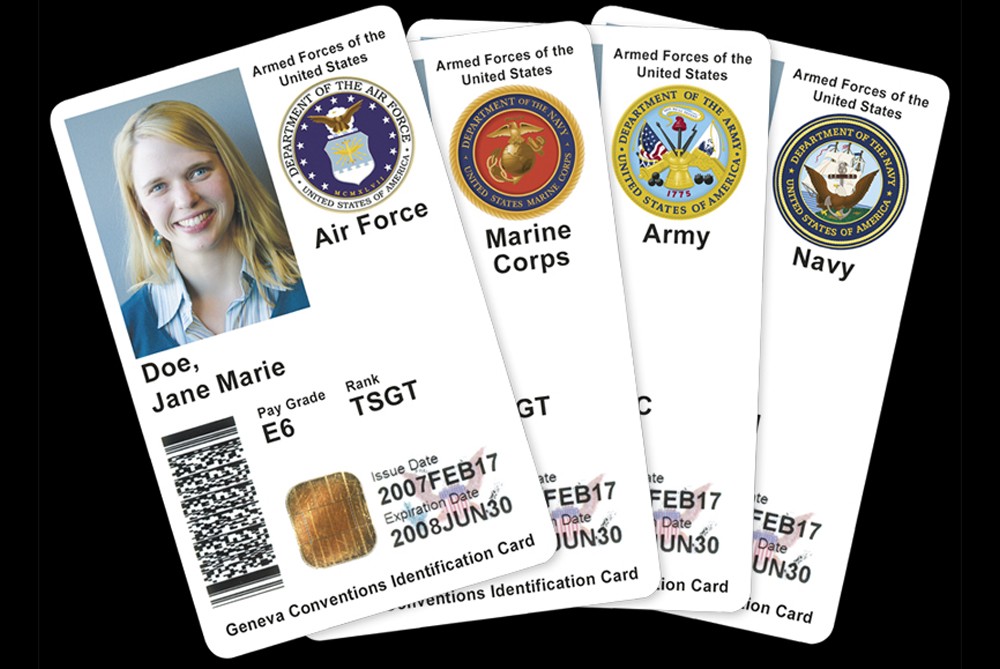
The term “DoD number” frequently arises in discussions surrounding government contracting and business finance, particularly for enterprises aiming to engage with the United States Department of Defense. While not a single, universally designated identifier, the phrase colloquially refers to a suite of critical registration and identification numbers required for any business seeking to secure contracts, receive payments, and operate within the vast financial ecosystem of the DoD. For businesses navigating the complexities of federal procurement, understanding these “DoD numbers” is not merely administrative but a fundamental financial imperative.
The Department of Defense and Its Financial Ecosystem
The Department of Defense represents the largest federal agency by budget and the world’s largest employer. Its financial operations are colossal, encompassing everything from advanced weaponry systems and logistics to IT services, facilities maintenance, and even office supplies. Engaging with the DoD offers businesses unparalleled opportunities for growth, stability, and significant revenue streams.

Overview of DoD Procurement
The DoD’s procurement process is highly structured and regulated, designed to ensure accountability, fairness, and the best value for taxpayers. Billions of dollars are awarded annually to contractors of all sizes, from Fortune 500 companies to small businesses and startups. This massive spending creates a robust marketplace for goods and services, making government contracting a highly attractive, albeit competitive, sector for private enterprises. For businesses, the ability to successfully bid on and fulfill these contracts directly translates into substantial financial opportunities and long-term income stability.
Why Government Contracts Matter for Businesses
Securing a DoD contract can be transformative for a business’s financial health. Beyond the immediate revenue, these contracts often come with benefits such as:
- Stable Income: Government contracts often span multiple years, providing a predictable revenue stream that can cushion businesses against market fluctuations.
- Enhanced Credibility: Working with the DoD lends significant prestige and credibility, often opening doors to further commercial and government opportunities.
- Growth Opportunities: Many DoD contracts are designed to support small businesses, offering set-asides and mentorship programs that facilitate growth and expansion.
- Technological Advancement: Contracts often involve cutting-edge technology and innovation, pushing contractors to develop new capabilities and intellectual property.
However, accessing this lucrative market demands meticulous adherence to specific financial and administrative protocols, starting with obtaining and maintaining the correct “DoD numbers.”
Deciphering the “DoD Number”: Key Identifiers for Contractors
When businesses speak of a “DoD number,” they are typically referring to one or more essential identifiers and registrations that validate their legal and financial standing to conduct business with the federal government. These are not arbitrary distinctions but fundamental components of the financial infrastructure that enables seamless interaction between private entities and the DoD.
The CAGE Code: Your Primary DoD Identifier
The Commercial and Government Entity (CAGE) Code is perhaps the most direct answer to “what is a DoD number.” It is a five-character alphanumeric identifier assigned by the Defense Logistics Agency (DLA) to entities doing business with the federal government. This code is crucial because it identifies physical locations of facilities, specific divisions within a company, or even individual contractors.
- Financial Significance: The CAGE Code is fundamental for receiving payments. It links a specific legal entity and its designated address to a contract, ensuring that funds are accurately disbursed. Without a CAGE Code, a business cannot be awarded a DoD contract or receive payment.
- Use Cases: It’s used for various administrative functions, including financial responsibility, contract management, and vendor identification.
DUNS Numbers and UEI: Evolution of Business Registration
Historically, the Data Universal Numbering System (DUNS) number, a nine-digit identifier assigned by Dun & Bradstreet, was a prerequisite for obtaining a CAGE Code and registering with the System for Award Management (SAM).
- Transition to UEI: As of April 2022, the federal government transitioned from DUNS numbers to a new Unique Entity Identifier (UEI) generated by SAM.gov itself. This shift streamlined the registration process, making the UEI the primary identifier for all entities doing business with the federal government.
- Financial Impact: The UEI now serves the critical function previously held by the DUNS number: identifying an entity for federal awards, including contracts and financial assistance. All financial transactions and reporting related to federal contracts rely on this UEI.
NAICS Codes: Defining Your Business for Government Contracts
While not a direct “DoD number,” the North American Industry Classification System (NAICS) code is financially significant. It’s a standard used by federal statistical agencies in classifying business establishments.
- Financial Matching: Businesses use NAICS codes to identify their primary line of business when registering with SAM and bidding on contracts. The DoD uses these codes to categorize contracts and match opportunities with eligible contractors, particularly for small business set-asides. Misidentifying your NAICS code can lead to missing out on relevant financial opportunities or even disqualification from bids.
Understanding SAM Registration: The Gateway to DoD Finance
The System for Award Management (SAM) is a federal government website that consolidates all information required for businesses to register to do business with the U.S. government. It is the single point of entry for entities to register their financial and operational data to be eligible for federal contracts and financial assistance.
- Financial Prerequisite: SAM registration is mandatory for any business wishing to bid on DoD contracts or receive federal funds. This process involves providing detailed financial, organizational, and operational information, including bank account details for direct deposit of payments. Without an active SAM registration, a business is effectively locked out of the DoD’s financial ecosystem.
The Financial Imperative: Why a DoD Number is Crucial for Your Business
The collective “DoD numbers” and related registrations are more than bureaucratic hurdles; they are the bedrock upon which all financial engagement with the Department of Defense is built. Their absence or inaccuracy can lead to severe financial consequences for a business.
Accessing Billions in Contract Opportunities
The most obvious financial benefit of having the necessary “DoD numbers” is gaining access to the immense pool of federal contracts. Without a valid UEI, CAGE Code, and active SAM registration, a business cannot even be considered for contract awards. This means foregoing billions of dollars in potential revenue.
Ensuring Timely Payments and Financial Compliance
Once a contract is awarded, the correct identification numbers are paramount for payment processing. The CAGE Code, linked to your banking information through SAM, ensures that payments for goods or services rendered are accurately and promptly deposited. Errors in these numbers can cause payment delays, significantly impacting a business’s cash flow and operational stability. Furthermore, these identifiers are critical for financial reporting and compliance, allowing the DoD to track expenditures and contractors to fulfill their fiscal obligations.
Building Credibility and Financial Stability
A properly registered entity demonstrates professionalism and compliance, which builds credibility with government contracting officers. This credibility can lead to future contract opportunities and a reputation for reliability. Financially, consistent engagement with the DoD can provide a stable revenue base, allowing businesses to invest in growth, retain talent, and enhance their overall financial resilience.
Navigating Audits and Financial Scrutiny
Government contracts often come with rigorous audit requirements. The CAGE Code and UEI provide a clear audit trail for financial transactions, allowing both the contractor and the government to track funds and ensure compliance with federal acquisition regulations. Accurate “DoD numbers” simplify this process, reducing the risk of financial penalties or investigations.
The Process: Obtaining and Maintaining Your DoD Number (and related registrations)
Understanding the importance of these identifiers is only the first step. Businesses must also navigate the process of obtaining and maintaining them correctly.
Step-by-Step Guide to SAM Registration
- Obtain a UEI: If you don’t already have one, your UEI will be assigned directly within SAM.gov during the registration process.
- Gather Necessary Information: This includes your legal business name, physical address, banking information (for direct deposit), Taxpayer Identification Number (TIN), NAICS codes, and relevant corporate documentation.
- Complete SAM Registration: Visit SAM.gov and follow the prompts to create an account and register your entity. This can be a detailed process, requiring careful attention to ensure all information is accurate and complete.
- Request a CAGE Code: During the SAM registration process, if your entity does not already have a CAGE Code, one will be automatically requested for you through the DLA. This typically happens seamlessly within SAM.
The Role of CAGE Code Application
While a CAGE Code is often requested automatically via SAM, specific scenarios might require a direct application or update through the DLA’s CAGE website. This ensures that unique operational locations or specialized divisions of a larger entity also have their distinct identifiers for contractual purposes.
Maintaining Your Registration: Annual Renewal and Updates
Crucially, SAM registration is not a one-time event. It must be renewed annually to remain active. Failure to renew can lead to inactivation, which immediately disqualifies a business from bidding on new contracts or receiving payments on existing ones. Businesses must also update their information in SAM whenever there are changes to their legal name, address, banking details, or other critical data. Proactive maintenance is key to uninterrupted financial engagement with the DoD.
Costs and Potential Financial Assistance
While there are no direct fees to register with SAM.gov or obtain a CAGE Code/UEI, the process can be time-consuming and complex. Businesses might incur costs if they choose to hire third-party consultants to assist with registration and compliance. Some government programs and small business development centers offer free assistance and guidance for businesses navigating federal contracting, which can be a valuable financial resource.
Financial Advantages and Pitfalls for DoD Contractors
Engaging with the DoD offers significant financial upsides, but it also demands a sophisticated understanding of government finance and strict adherence to rules to avoid costly pitfalls.
Cash Flow Management in Government Contracting
Government contracts, while lucrative, often have longer payment cycles than commercial agreements. Businesses must manage their cash flow effectively, ensuring they have sufficient working capital to cover operational expenses between invoicing and receiving payments. Understanding terms like “progress payments” and “milestone payments” is critical for financial forecasting.
Understanding Progress Payments and Invoice Cycles
Many DoD contracts utilize progress payments, where contractors are paid at various stages of completion rather than waiting for the entire project to be finished. This helps mitigate cash flow challenges for contractors. However, submitting accurate and timely invoices, along with proper documentation, is paramount to prevent payment delays. Incorrect invoicing or lack of supporting documentation can lead to significant financial backlogs.
Avoiding Common Financial Compliance Mistakes
Common financial pitfalls for DoD contractors include:
- Inaccurate Cost Accounting: Government contracts often require specific accounting practices. Errors can lead to audits, disallowed costs, and financial penalties.
- Failure to Renew SAM: As mentioned, an expired SAM registration instantly halts payments and contract eligibility.
- Mismanaging Subcontractors: Prime contractors are responsible for their subcontractors’ compliance, including payment terms and reporting, which has direct financial implications.
- Lack of Audit Preparedness: Not maintaining meticulous financial records can be disastrous during an audit.
The Long-Term Financial Growth Potential
For businesses that successfully navigate the requirements and develop expertise in government contracting, the long-term financial growth potential is substantial. It can lead to stable, high-value contracts, opportunities to expand into new technological areas, and a resilient business model less susceptible to typical market volatility. Understanding and diligently managing the “DoD numbers” and associated financial processes is the foundational step to unlocking this potential.
aViewFromTheCave is a participant in the Amazon Services LLC Associates Program, an affiliate advertising program designed to provide a means for sites to earn advertising fees by advertising and linking to Amazon.com. Amazon, the Amazon logo, AmazonSupply, and the AmazonSupply logo are trademarks of Amazon.com, Inc. or its affiliates. As an Amazon Associate we earn affiliate commissions from qualifying purchases.