
Dizziness. The word itself can conjure a sense of unease, a feeling of the world tilting precariously or a disorienting fog descending. It’s a symptom that can range from a fleeting, mild annoyance to a debilitating condition that significantly impacts daily life. While many people dismiss it as a minor ailment, the truth is that dizziness can be a crucial indicator of underlying issues across a surprising spectrum of concerns.
Given the multifaceted nature of well-being, understanding what dizziness might signify requires us to consider it not just as a medical phenomenon, but as a signal that can touch upon our physical health, our mental state, and even the systems we rely on to navigate our modern world. This exploration will delve into the various causes of dizziness, touching upon its connection to technological advancements, the importance of personal and corporate branding in managing perception, and how financial well-being can intersect with our physical and mental health.
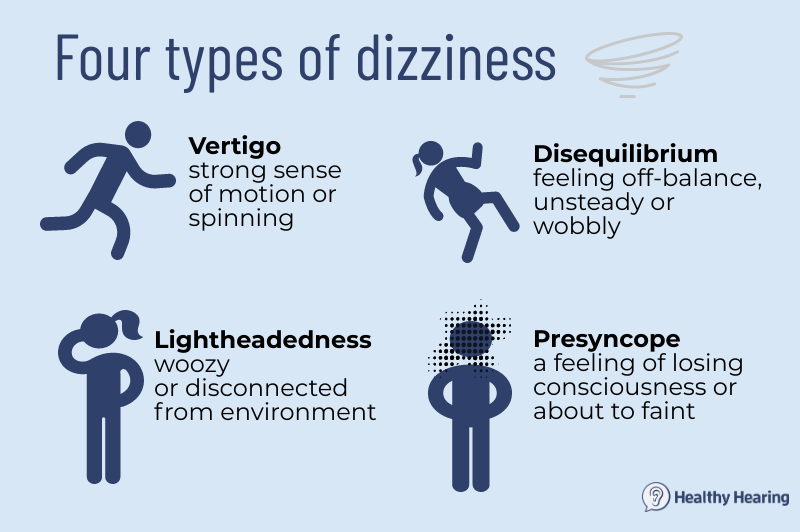
The Inner Ear: The Primary Architect of Balance
When we talk about dizziness, the most immediate connection is often to the intricate machinery within our ears responsible for maintaining our sense of balance. The vestibular system, a complex network of fluid-filled canals and sensory organs in the inner ear, works in conjunction with our eyes and proprioception (the body’s sense of its position in space) to keep us upright and oriented. When this system is disrupted, dizziness is a common consequence.
Benign Paroxysmal Positional Vertigo (BPPV)
One of the most prevalent causes of dizziness is Benign Paroxysmal Positional Vertigo, or BPPV. This condition is characterized by brief, intense episodes of vertigo – a sensation of spinning – that are triggered by specific changes in head position. Think of rolling over in bed, looking up at a high shelf, or tilting your head backward. The culprit in BPPV is usually tiny calcium carbonate crystals, called otoconia, that have become dislodged from their normal location within the inner ear and have migrated into one of the semicircular canals. These misplaced crystals send erroneous signals to the brain about head movement, leading to the sensation of spinning. While BPPV can be quite alarming, it’s often treatable with specific head maneuvers performed by a healthcare professional, designed to reposition the dislodged crystals.
Labyrinthitis and Vestibular Neuritis
Inflammation of the inner ear (labyrinthitis) or the vestibular nerve that connects the inner ear to the brain (vestibular neuritis) can also lead to significant dizziness and vertigo. These conditions are often caused by viral infections, similar to the common cold or flu.
- Labyrinthitis: This affects both balance and hearing. Symptoms can include vertigo, hearing loss, and tinnitus (ringing in the ears). The inflammation can disrupt the signals sent from the inner ear to the brain, leading to disorientation and a feeling of imbalance.
- Vestibular Neuritis: This primarily affects balance, with vertigo being the main symptom. Hearing is usually unaffected. The inflammation of the vestibular nerve leads to a breakdown in communication between the inner ear and the brain, causing a strong sense of motion even when stationary.
These conditions often present with sudden, severe symptoms that can last for days, sometimes accompanied by nausea and vomiting. Recovery can vary, with some individuals experiencing a full return to normal function, while others may have lingering balance issues.
Ménière’s Disease
Ménière’s disease is a chronic inner ear disorder that causes a triad of symptoms: recurrent episodes of vertigo, fluctuating hearing loss, and tinnitus. Individuals with Ménière’s disease often experience sudden, severe attacks of vertigo that can last from 20 minutes to several hours. These attacks can be accompanied by a feeling of fullness or pressure in the ear. The exact cause of Ménière’s disease is not fully understood, but it is thought to be related to an imbalance of fluid within the inner ear. Managing Ménière’s disease typically involves lifestyle modifications, medication, and sometimes surgical interventions.
Beyond the Inner Ear: Dizziness as a Signal of Systemic Issues
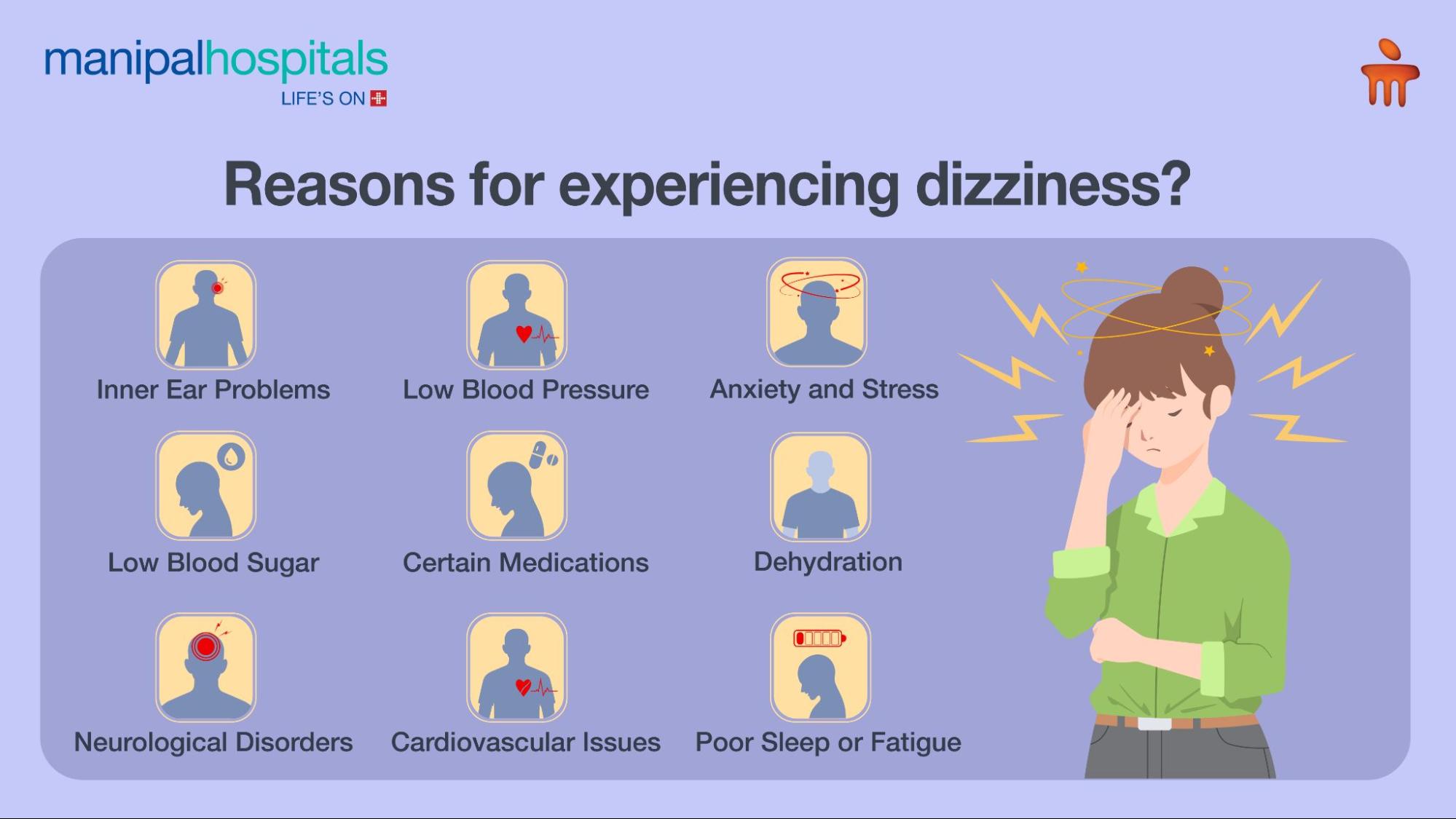
While the inner ear is a primary source of balance problems, dizziness can also be a symptom of a wide array of conditions affecting other bodily systems. Recognizing these connections is crucial for a holistic approach to understanding and addressing dizziness.
Cardiovascular and Circulatory Concerns
The brain, like any organ, requires a constant and adequate supply of oxygenated blood to function properly. Any disruption to the cardiovascular system that impacts blood flow can manifest as dizziness.
- Low Blood Pressure (Hypotension): When blood pressure drops too low, the brain may not receive enough blood, leading to feelings of lightheadedness or dizziness, especially when standing up quickly (orthostatic hypotension). This can be caused by dehydration, certain medications, or underlying medical conditions.
- Heart Conditions: Irregular heart rhythms (arrhythmias), heart valve problems, or even heart failure can reduce the efficiency of blood circulation, leading to insufficient oxygen delivery to the brain and subsequent dizziness.
- Anemia: A deficiency in red blood cells, which carry oxygen, can lead to insufficient oxygenation of the brain, causing dizziness, fatigue, and paleness.
Neurological Disorders
The brain itself plays a pivotal role in processing sensory information and maintaining balance. Neurological conditions that affect the brain’s structure or function can therefore trigger dizziness.
- Migraines: While commonly associated with severe headaches, some types of migraines, known as vestibular migraines, can present with dizziness or vertigo as the primary or sole symptom, even without a headache. These episodes can last from minutes to days and can be triggered by various factors.
- Stroke or Transient Ischemic Attack (TIA): Sudden onset dizziness, particularly when accompanied by other neurological symptoms like weakness, numbness, slurred speech, or vision changes, can be a sign of a stroke or TIA. Prompt medical attention is critical in these situations.
- Multiple Sclerosis (MS): This autoimmune disease affects the central nervous system, and lesions in the brainstem or cerebellum, which are involved in balance and coordination, can lead to chronic dizziness and vertigo.
Metabolic and Endocrine Imbalances
Disruptions in the body’s chemical balance can also manifest as dizziness.
- Blood Sugar Fluctuations: Both hypoglycemia (low blood sugar) and hyperglycemia (high blood sugar) can cause dizziness. This is particularly relevant for individuals with diabetes.
- Thyroid Problems: Imbalances in thyroid hormones can affect metabolism and energy levels, sometimes leading to feelings of lightheadedness.
The Digital Age and Dizziness: A New Frontier of Concern
In our increasingly interconnected world, the advancements in technology, while offering immense benefits, also introduce new considerations for our well-being. The “Tech” aspect of our exploration brings to light how our digital lives can indirectly contribute to or exacerbate dizziness.
Screen Time and Eye Strain
Prolonged exposure to screens – computers, smartphones, tablets – can lead to digital eye strain. Symptoms of eye strain can include blurred vision, headaches, and, importantly, feelings of dizziness or disorientation. The constant focus required for digital devices can fatigue the eyes and disrupt the intricate coordination between visual input and our sense of balance. This is particularly relevant for individuals working in tech-heavy environments or those who spend extensive hours consuming digital content. The very tools designed for productivity and connection can, ironically, contribute to feelings of imbalance.
Information Overload and Mental Fatigue
The relentless flow of information, notifications, and digital demands can lead to mental fatigue and overload. This cognitive strain can manifest in various ways, including an inability to concentrate, increased stress, and even a sense of feeling overwhelmed and dizzy. The constant switching between tasks and the pressure to remain digitally connected can tax our mental resources, impacting our overall sense of well-being and potentially triggering somatic symptoms like dizziness.
Algorithmic Influence and Data Anxiety
While perhaps more abstract, the pervasive influence of algorithms in shaping our online experiences and the anxieties surrounding data privacy and security can also contribute to a general sense of unease. When our digital interactions feel manipulative or our personal information feels vulnerable, it can create a subtle but persistent level of stress that may manifest physically, including through dizziness. The psychological impact of navigating the digital landscape cannot be underestimated when considering the multifaceted nature of well-being.
Branding, Reputation, and the Perception of Well-being
The concepts of “Brand” – both personal and corporate – and “Reputation” might seem distant from the physical sensation of dizziness. However, the way we perceive and communicate about health, and the trust we place in certain sources of information, are inextricably linked to branding and reputation.
The Trustworthiness of Health Information
In an era saturated with information, distinguishing reliable health advice from misinformation is paramount. The “branding” of health websites, clinics, and medical professionals plays a significant role in the trust we place in their guidance. When seeking answers about dizziness, we often turn to sources with established reputations for accuracy and authority. A well-established brand in healthcare, for instance, lends credibility to its explanations of dizziness causes. Conversely, the proliferation of unverified claims online can lead to confusion and anxiety, making it harder to navigate legitimate medical advice.
Personal Branding and Communicating Health Challenges
For individuals experiencing chronic dizziness, their personal brand can evolve to encompass how they communicate their health challenges. This involves being able to articulate their symptoms effectively, manage the perception of their condition to employers or social circles, and advocate for their needs. A strong personal brand, built on authenticity and resilience, can empower individuals to navigate the social and professional implications of persistent dizziness.
Corporate Responsibility in Digital Health Branding
For technology companies and digital platforms that offer health-related services or information, their corporate identity and brand reputation are crucial. A company that positions itself as a reliable source for health insights or wellness tools must uphold the highest standards of accuracy and ethical practice. A misstep in their branding or a breach of trust regarding health data could have significant repercussions for their reputation and the well-being of their users.
Money Matters: Financial Stress and its Physical Manifestations
The “Money” aspect of our website’s core topics might seem the furthest removed from dizziness, yet the intricate link between financial stress and physical health is well-documented. Financial worries can manifest as a persistent underlying stress that can exacerbate or even trigger a range of physical symptoms, including dizziness.
The Vicious Cycle of Financial Stress and Health
When individuals face financial hardship, the constant worry about bills, debt, or job security can trigger a chronic stress response. This sustained activation of the body’s stress hormones, such as cortisol, can have a detrimental impact on numerous bodily systems, including the cardiovascular and nervous systems. Dizziness can be a somatic manifestation of this underlying stress. A feeling of instability financially can translate into a feeling of physical instability.
Impact on Healthcare Access and Proactive Care
Financial constraints can also directly impact an individual’s ability to access timely and appropriate healthcare. If someone is experiencing dizziness and is worried about the cost of doctor’s visits, tests, or medications, they may delay seeking professional help. This delay can allow underlying conditions to worsen, potentially leading to more severe symptoms, including persistent or debilitating dizziness. Furthermore, financial stress can lead to unhealthy coping mechanisms, such as poor diet or lack of sleep, which can further compromise overall health and contribute to dizziness.
The Pressure of Side Hustles and Overwork
In the pursuit of financial security or increased income, many individuals engage in multiple side hustles or work excessive hours. While this can be a necessary strategy, it can also lead to severe burnout and exhaustion. Chronic fatigue and lack of adequate rest can significantly impact balance and cognitive function, leading to feelings of dizziness and lightheadedness. The constant pressure to earn more money can, paradoxically, lead to a decline in the very well-being that financial security is meant to support.

Conclusion: A Holistic View of Dizziness
Dizziness, as a symptom, is a complex phenomenon that can arise from a multitude of sources. From the delicate inner ear to the intricate workings of our cardiovascular and neurological systems, our physical health is the most direct arena where dizziness signals a problem. However, by broadening our perspective, we can see how the modern technological landscape, the subtle but powerful influence of branding and reputation, and the ever-present reality of financial well-being can all intersect with and contribute to this disorienting sensation.
Understanding what dizziness is a symptom of requires a holistic approach. It’s about recognizing that our physical health is not an isolated entity but is deeply intertwined with our mental state, our environment, and the broader systems that shape our lives. By considering the diverse factors discussed – from inner ear disorders and cardiovascular issues to the impact of screen time, the trustworthiness of information, and the pervasive effects of financial stress – we can gain a more comprehensive understanding of dizziness and, more importantly, take informed steps towards addressing its root causes and restoring a sense of balance to our lives. If you are experiencing persistent or severe dizziness, it is crucial to consult a healthcare professional to receive an accurate diagnosis and appropriate treatment plan.
aViewFromTheCave is a participant in the Amazon Services LLC Associates Program, an affiliate advertising program designed to provide a means for sites to earn advertising fees by advertising and linking to Amazon.com. Amazon, the Amazon logo, AmazonSupply, and the AmazonSupply logo are trademarks of Amazon.com, Inc. or its affiliates. As an Amazon Associate we earn affiliate commissions from qualifying purchases.