
The “Black Diamond” label on Disney VHS tapes represents a pivotal moment in the brand’s history, marking its strategic entry into the burgeoning home video market. Far more than a mere identifier, this distinct branding strategy was a deliberate effort by The Walt Disney Company to position its animated classics as premium, collectible assets for a new generation of home entertainment consumers. Understanding “Black Diamond” is to understand a sophisticated exercise in brand positioning, scarcity marketing, and the cultivation of perceived value that continues to resonate decades later.
The Dawn of a Branding Era: Introducing Disney’s Black Diamond Collection
In the mid-1980s, the home video market was rapidly expanding, transforming the way audiences consumed media. For decades, Disney’s animated masterpieces were largely inaccessible outside of theatrical re-releases or limited television broadcasts. The advent of VHS tapes presented an unprecedented opportunity for Disney to bring its cherished vault of films directly into consumers’ homes. This wasn’t merely a distribution shift; it was a fundamental redefinition of how the Disney brand interacted with its audience.

The “Black Diamond” collection, launched between 1984 and 1994, was Disney’s initial wave of animated feature film releases on VHS. This branding initiative was designed to establish a sense of exclusivity and prestige for these inaugural home video editions. At its core, the Black Diamond was a strategic move to signify the official, premium, and first-edition status of these titles. Disney understood the power of its intellectual property and aimed to capitalize on the desire of families to own these timeless stories. The distinct branding served as a clear marker, differentiating these early releases from subsequent editions and setting a benchmark for quality and desirability in the emerging home video landscape. It was an exercise in creating a new product category – permanent home ownership of animated classics – and branding it with a distinct identity to signify its importance and value.
Dissecting the Diamond: Identifying Marks and Brand Messaging
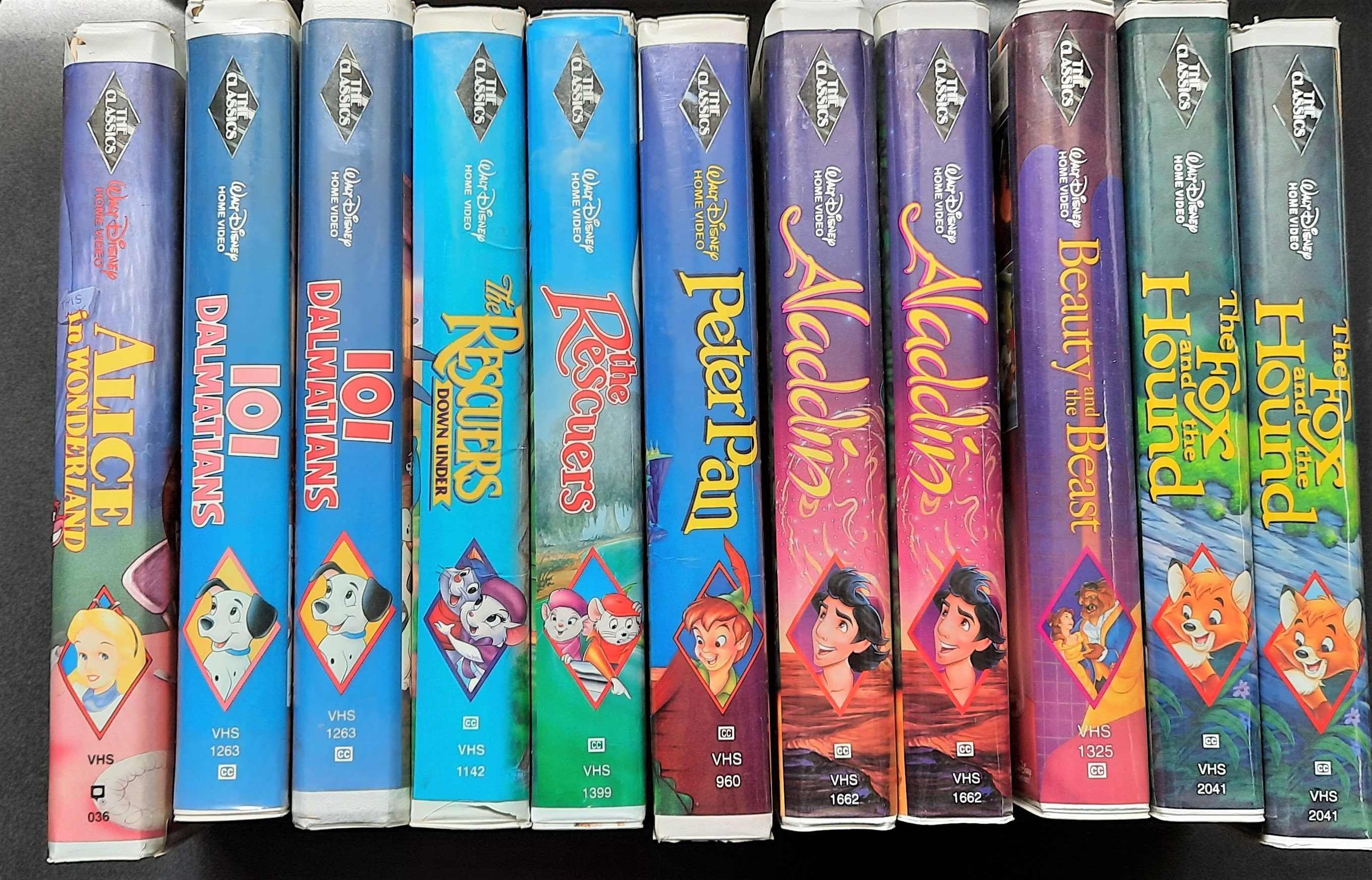
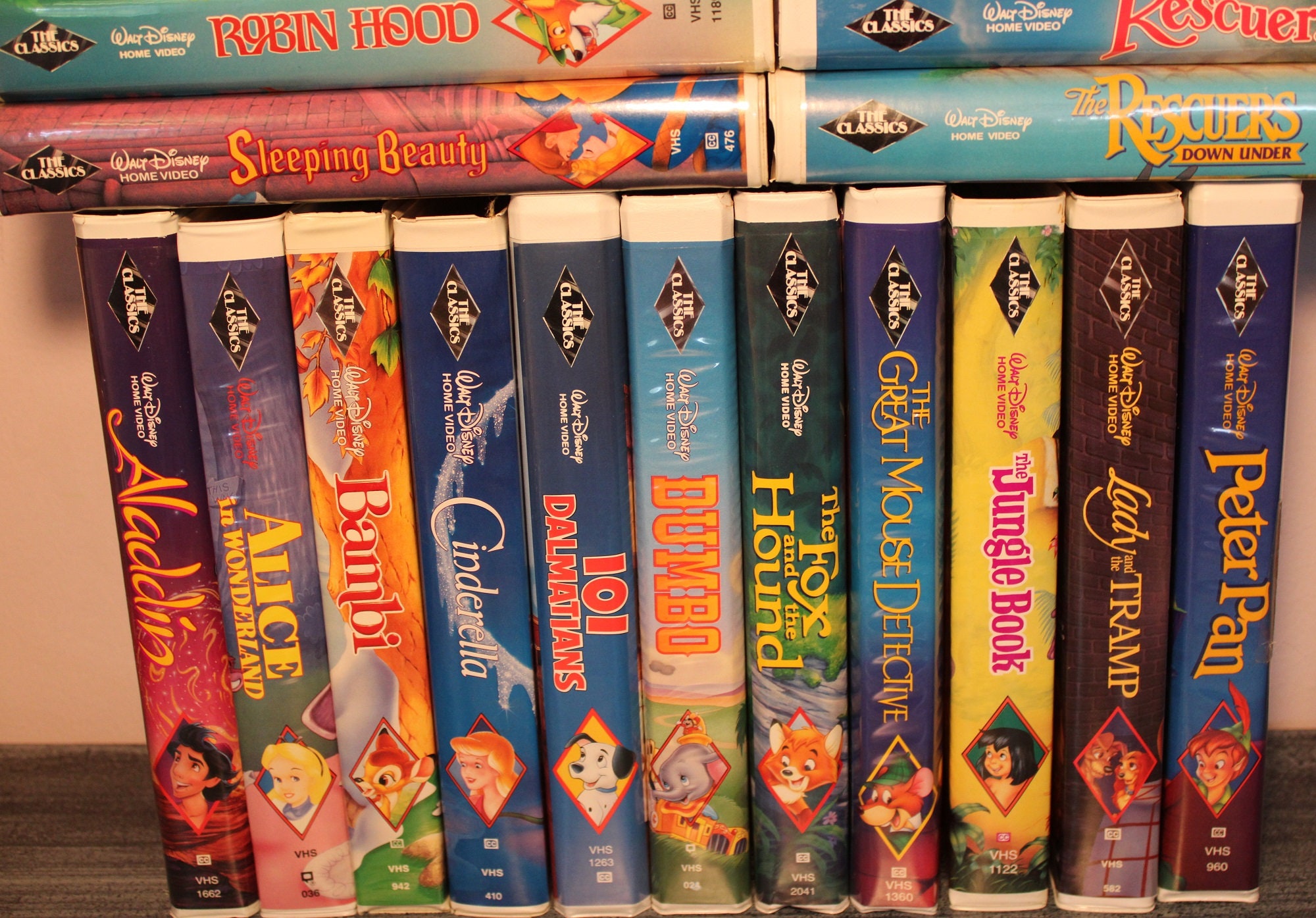
The “Black Diamond” identifier itself is characterized by a specific visual branding element found on the spine of the VHS tape cases. This iconic design features a black diamond shape, often containing the words “The Classics” or sometimes a picture of a character (like Tinker Bell) within its outline. This visual cue was not arbitrary; it was a carefully chosen symbol intended to convey several key brand messages:
The “Classics” Designation
Central to the Black Diamond branding was the explicit labeling of these films as “The Classics.” This messaging reinforced Disney’s legacy, highlighting the timeless appeal and artistic merit of its animated features. By grouping them under this banner, Disney elevated the entire collection, suggesting that these were not just movies, but cultural touchstones worthy of preservation and repeated viewing. This designation inherently communicated a promise of enduring quality and a connection to Disney’s heritage, thereby enhancing brand loyalty and perceived value. It was a clear statement that these were the foundational narratives of the Disney experience.
Visual Consistency and Product Identity
The consistent application of the Black Diamond logo across all releases within the collection provided a strong sense of product identity. In a crowded marketplace, this uniform branding made it easy for consumers to identify Disney’s premium animated films. This visual cohesion was crucial for brand recognition and helped to establish the Black Diamond series as a distinct and desirable line within Disney’s broader product offerings. It created an immediate visual shorthand for quality and official release status, simplifying consumer choice and building trust.
Implied Scarcity and Collectibility
While not explicitly stating rarity, the “Classics” designation and the distinct branding subtly implied a sense of exclusivity. These were the first-run releases of films that had previously been difficult to own. This initial market positioning inherently fostered a perception of these tapes as valuable collector’s items, even if that wasn’t the sole intent at the outset. Disney, even then, understood the power of its “vault” strategy – intermittently releasing films to create demand. The Black Diamond branding played into this, marking the first time these “vaulted” treasures were permanently accessible for purchase, thereby imbuing them with an implicit sense of specialness and collectibility from the start.
Strategic Positioning and Perceived Value: The Black Diamond’s Market Impact
The Black Diamond branding strategy significantly shaped consumer perception and had a profound impact on the market for Disney’s home video products. By carefully crafting the identity of these early VHS releases, Disney successfully cultivated a sense of premium value, encouraging adoption and fostering a collector mentality.
Establishing a Premium Segment
The Black Diamond collection effectively created a premium segment within the home video market. By labeling these films as “The Classics” and adorning them with the distinctive diamond logo, Disney communicated that these were not just any VHS tapes, but superior, definitive editions. This perception allowed Disney to command a higher price point compared to many other home video releases of the era. Consumers were willing to pay more because they were investing in what they perceived as high-quality, essential, and potentially valuable cultural artifacts from a trusted and beloved brand. This strategy laid the groundwork for future premium editions, box sets, and digital releases.
Driving Consumer Demand and Urgency
The branding, combined with Disney’s famous “vault” strategy (where films were periodically pulled from the market to create scarcity), amplified consumer demand. The Black Diamond tapes were available for a limited time before going back “into the vault.” The distinct branding acted as a powerful signal, urging consumers to purchase these editions before they became unavailable. This manufactured urgency was a masterclass in marketing, turning a product release into a time-sensitive opportunity and further enhancing the perceived value of each Black Diamond title. It tapped into the fear of missing out (FOMO) long before the term was popularized.
Cultivating a Collector Mentality
Even if not explicitly designed as an investment vehicle, the Black Diamond branding inadvertently nurtured a nascent collector culture around Disney VHS tapes. The “first edition” status, coupled with the clear visual distinction, made these tapes desirable for completionists and enthusiasts. The brand successfully instilled a belief that owning these specific editions was a badge of honor for true Disney fans. This collector mentality, born from strong branding and perceived scarcity, would only grow over time, leading to subsequent generations of collectors actively seeking out these original releases. The branding served as an origin story for a future collecting phenomenon, rather than a direct financial guarantee.
From Brand Asset to Cultural Icon: The Lasting Legacy of Black Diamond VHS
The Black Diamond branding transcended its initial purpose as a market differentiator, evolving into a significant cultural touchstone for generations of Disney fans and collectors. Its legacy is multifaceted, reflecting the enduring power of strong brand identity and its ability to shape consumer relationships over time.
A Symbol of Nostalgia and Authenticity
For many, the Black Diamond logo is synonymous with childhood memories and a specific era of home entertainment. It evokes a powerful sense of nostalgia, reminding consumers of a time when owning a physical copy of a beloved Disney film was a true treasure. This emotional connection imbues the Black Diamond tapes with an authentic, retro appeal. They are seen as original artifacts from a bygone era, carrying the weight of cultural history and personal sentiment, a testament to Disney’s ability to forge deep emotional bonds through its brand.
The Foundation for Future Brand Differentiation
The success of the Black Diamond collection set a precedent for Disney’s future branding efforts in home entertainment. It demonstrated the effectiveness of segmenting its product lines, designating specific editions with unique identifiers, and building perceived value through strategic marketing. From “Masterpiece Collection” to “Platinum Edition” and beyond, subsequent Disney home video releases continued to employ distinct branding to signify different tiers of quality, content, or rarity, all building upon the foundational lessons learned from the Black Diamond era. It established a blueprint for how Disney would continue to manage its valuable catalog across evolving media formats.
Inspiring Collector Communities and Ongoing Discourse
Decades after their initial release, Black Diamond VHS tapes continue to be a subject of fascination and discussion among collectors and pop culture enthusiasts. While misconceptions about their universal monetary value have occasionally surfaced, the underlying interest stems from the potent branding that marked them as special. Online communities, forums, and social media groups frequently discuss these tapes, dissecting their branding, catalog numbers, and their place in Disney history. This ongoing discourse is a direct result of the strong brand identity Disney created, proving that a well-executed branding strategy can cultivate a lasting cultural phenomenon that extends far beyond a product’s initial lifespan. The Black Diamond became more than a label; it became a legend in the annals of brand storytelling.
aViewFromTheCave is a participant in the Amazon Services LLC Associates Program, an affiliate advertising program designed to provide a means for sites to earn advertising fees by advertising and linking to Amazon.com. Amazon, the Amazon logo, AmazonSupply, and the AmazonSupply logo are trademarks of Amazon.com, Inc. or its affiliates. As an Amazon Associate we earn affiliate commissions from qualifying purchases.