
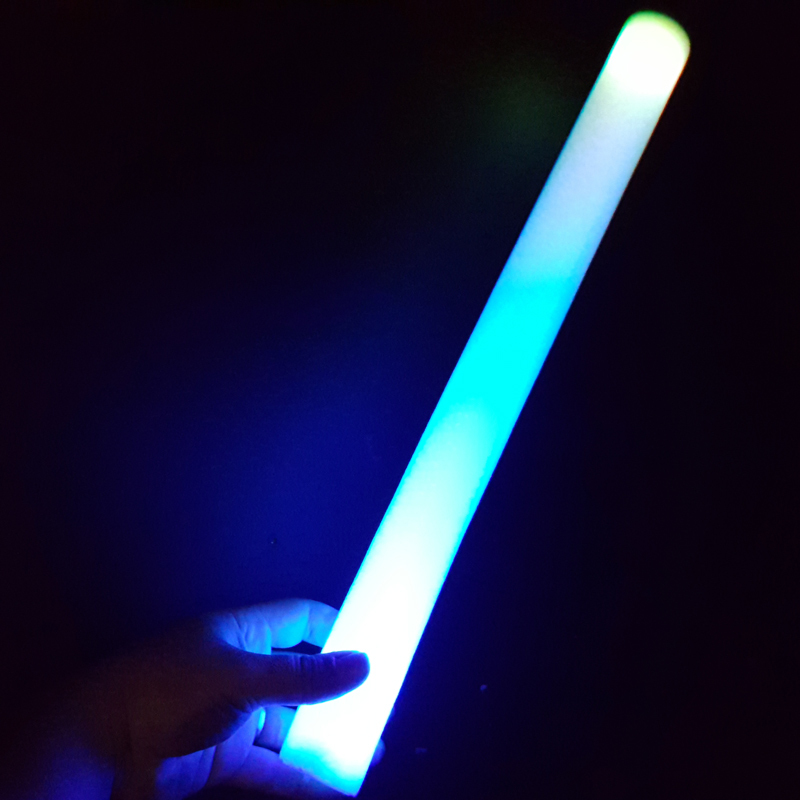
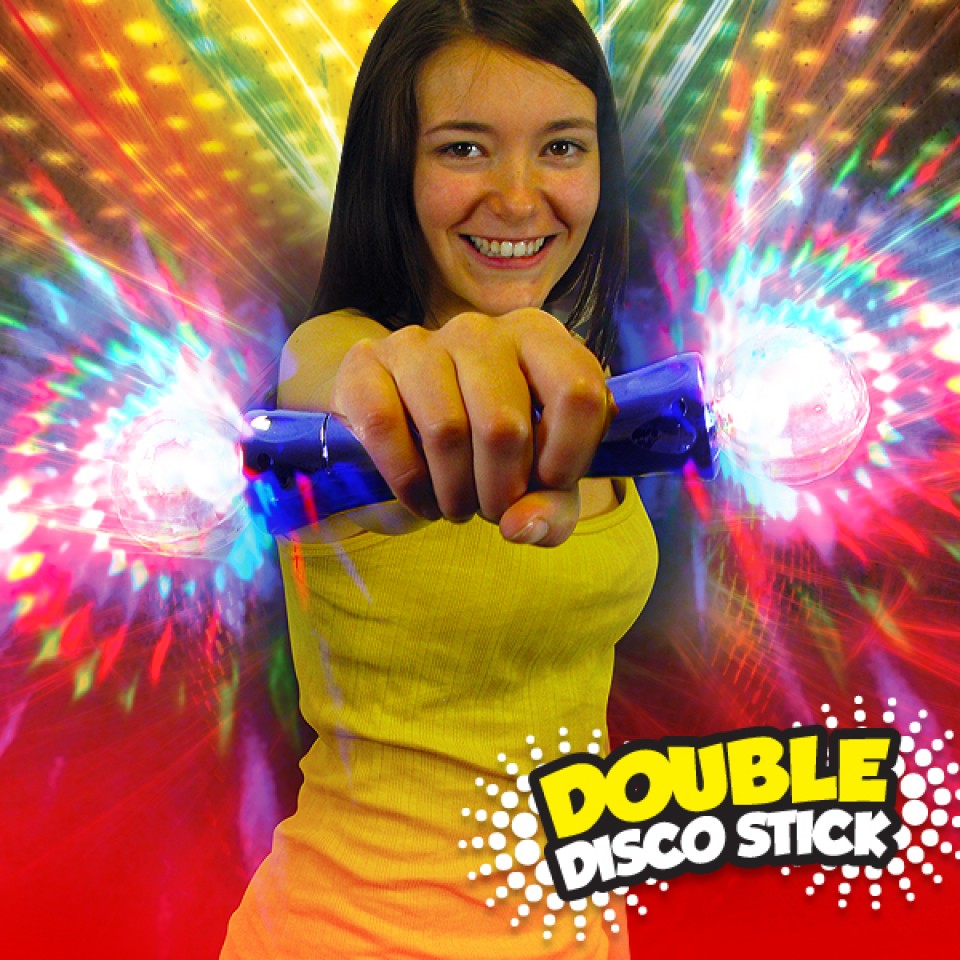
The term “disco stick” might evoke images of vibrant, pulsating lights and energetic dance floors, but its significance extends far beyond the realm of retro nightlife. In the context of modern lighting technology, a “disco stick”—more formally known as a lighting effect bar, strip light, or linear fixture—is a versatile and increasingly sophisticated piece of equipment used to create dynamic visual experiences. These devices are no longer confined to nightclubs; they are integral components in stage productions, architectural lighting, event design, and even home entertainment setups, offering unparalleled control over color, movement, and atmosphere. Understanding what a disco stick is, how it functions, and its diverse applications provides valuable insight into the ever-evolving landscape of lighting technology.
The Anatomy and Technology Behind Disco Sticks
At its core, a disco stick is a long, slender fixture designed to house multiple light sources. The evolution of this technology has been driven by advancements in light-emitting diodes (LEDs) and intelligent control systems.
LED Technology: The Engine of Modern Disco Sticks
The advent of Light Emitting Diodes (LEDs) revolutionized disco sticks. Unlike older incandescent or halogen bulbs, LEDs offer a multitude of advantages:
- Energy Efficiency: LEDs consume significantly less power, making them more environmentally friendly and cost-effective for extended use. This is crucial for large-scale installations where power consumption can be a major factor.
- Longevity: LEDs have a much longer lifespan than traditional bulbs, reducing maintenance and replacement costs. This reliability is paramount in professional settings where downtime can be disruptive.
- Color Versatility: Modern LEDs can produce a vast spectrum of colors. This is achieved through several methods:
- RGB (Red, Green, Blue): By mixing different intensities of red, green, and blue light, a wide array of colors can be generated. This is the most common and cost-effective method for producing dynamic color changes.
- RGBA (Red, Green, Blue, Amber): Adding amber diodes allows for richer and more nuanced warm tones, including deeper yellows and oranges, which are often difficult to achieve accurately with RGB alone.
- RGBW (Red, Green, Blue, White): Including a dedicated white diode provides cleaner and brighter whites, essential for applications requiring accurate white light reproduction or for achieving pastel shades.
- RGBWA/RGBUV: Further advancements include adding additional colors like amber (A) or ultraviolet (UV) to expand the color palette even further or to create specific effects like blacklight.
- Compact Size and Durability: LEDs are small, robust, and can be arranged in dense configurations, allowing for slim and durable lighting fixtures. This makes them ideal for integration into various designs and for portability.
- Low Heat Emission: Compared to incandescent bulbs, LEDs generate less heat, which is beneficial for the longevity of the fixture and for maintaining a comfortable environment, especially in enclosed spaces.
Control Systems: Bringing the Disco Stick to Life
The true power of a modern disco stick lies in its ability to be controlled dynamically. This control is facilitated by sophisticated systems that allow for precise manipulation of light output.
- DMX (Digital Multiplex) Protocol: This industry-standard protocol is the backbone of professional lighting control. A DMX controller sends digital signals to each lighting fixture, dictating parameters such as color, intensity, strobe speed, and movement (if the fixture has moving parts). Each light source or group of sources on a disco stick can be assigned a unique DMX address, allowing for individual control or synchronized operation.
- Addressability: Many advanced disco sticks feature individually addressable LEDs. This means that each individual LED within the stick can be controlled independently, allowing for intricate patterns, chasing effects, pixel mapping, and video-like animations. This level of control transforms the disco stick from a simple color-changing bar into a dynamic visual canvas.
- Art-Net and sACN: These network protocols extend DMX control over Ethernet, allowing for more complex and distributed lighting systems. They are essential for large-scale productions where multiple controllers and fixtures need to communicate seamlessly.
- Wireless Control: Bluetooth and Wi-Fi connectivity are becoming increasingly common, enabling control via smartphones, tablets, or dedicated wireless DMX transmitters. This offers greater flexibility and convenience, especially for smaller setups or temporary installations.
- Software Integration: Professional lighting design software allows users to create complex lighting cues, sequences, and shows. This software translates artistic vision into precise DMX commands, enabling synchronized lighting to music, dramatic scene changes, and immersive visual storytelling.
Diverse Applications of Disco Sticks
The versatility of disco sticks has led to their widespread adoption across numerous industries and applications, showcasing their ability to enhance environments and experiences.
Stage and Performance Lighting
In the realm of live entertainment, disco sticks are indispensable tools for creating dynamic and visually engaging stage productions.
- Concerts and Music Festivals: Here, disco sticks are used extensively to create pulsating backdrops, energizing washes of color, and dramatic highlighting effects that sync with the music’s rhythm and intensity. Their ability to produce rapid color changes and strobing effects contributes significantly to the electrifying atmosphere of live music events. Whether mounted on trusses, integrated into set designs, or used as standalone units, they are crucial for building visual momentum and engaging the audience.
- Theatrical Productions: Beyond concerts, disco sticks play a vital role in theater. They are employed for creating mood, defining spaces, and accentuating dramatic moments. Subtle color shifts can evoke specific emotions, while sharp, focused beams can draw attention to key characters or actions. Their ability to mimic natural light or create otherworldly effects makes them versatile for various genres of plays and musicals.
- Television and Film: In studio environments, disco sticks are used for background lighting, creating mood lighting for interviews, and special effects. Their controlled output and color accuracy are crucial for broadcast quality. They can be used to paint sets with light, create subtle atmospheric shifts, or even simulate dynamic lighting conditions that would be impractical to achieve with natural light.
- Dance Performances: Choreographers and lighting designers utilize disco sticks to sculpt the space, highlight dancers’ movements, and create dynamic visual narratives. The linear nature of these lights can accentuate lines and forms, while their ability to change color and intensity in sync with the choreography adds another layer of expressiveness to the performance.
Architectural and Environmental Lighting
Disco sticks have transcended their entertainment origins to become integral to architectural design, enhancing both the aesthetic appeal and functionality of spaces.
- Facade Illumination: Buildings can be transformed at night through the strategic use of linear LED fixtures. Disco sticks can highlight architectural features, create dramatic color washes, or display dynamic patterns that change throughout the evening. This not only enhances the building’s visual presence but can also be used for branding, seasonal decorations, or public art installations.
- Interior Design and Ambiance: Within interior spaces, disco sticks offer a sophisticated way to create mood and define zones. They can be installed under cabinets, along coving, behind televisions, or integrated into furniture to provide ambient, accent, or task lighting. Their ability to shift color allows for the customization of ambiance, from a vibrant, energetic setting for entertaining to a calm, relaxing atmosphere for unwinding.
- Retail and Hospitality: In stores and restaurants, disco sticks are used to create inviting and visually appealing environments. They can highlight merchandise, create attractive displays, or set a desired mood for patrons. For instance, a restaurant might use them to create a warm, intimate atmosphere during dinner and then shift to a more vibrant setting for evening entertainment.
- Event Lighting and Decor: For corporate events, weddings, and parties, disco sticks are essential for transforming venues. They can be used to color-code spaces according to a theme, create dramatic entranceways, highlight stages, or provide dynamic visual effects for dancing. Their flexibility allows for quick setup and reconfiguration to suit the specific needs of any event.
Entertainment and Home Use
The accessibility and affordability of modern disco sticks have made them popular for personal entertainment and home use.
- Home Entertainment Systems: Many enthusiasts incorporate LED strips into their home theaters, gaming setups, or living rooms. These can be synchronized with movies, music, or gameplay to create an immersive audiovisual experience. Ambient lighting that responds to on-screen action can significantly enhance the feeling of being part of the entertainment.
- Party Lighting: For home parties and gatherings, disco sticks provide an instant way to inject energy and fun. They can be set to various color patterns, music synchronization modes, or simply create a festive atmosphere. Their ease of use means that anyone can create a professional-looking lighting effect for their event.
- Creative Projects and DIY: The programmability and versatility of addressable LED strips have made them a favorite among makers and DIY enthusiasts. They are used in costume design, art installations, interactive displays, and a wide range of other creative projects, pushing the boundaries of what’s possible with light.
The Future of Disco Sticks: Evolution and Innovation
The disco stick, as a concept and a piece of technology, is constantly evolving. The drive for greater efficiency, more intricate control, and novel applications ensures its continued relevance.
Miniaturization and Integration
Future disco sticks are likely to become even more compact and seamlessly integrated into various objects and structures. Imagine flexible LED strips that can be woven into fabrics, embedded in transparent materials, or form part of dynamic architectural elements. This miniaturization will enable more subtle and pervasive lighting effects that blend effortlessly with their surroundings.
Enhanced Intelligence and Interactivity
The integration of AI and advanced sensors will lead to disco sticks that are not just reactive but truly intelligent. They could adapt their lighting based on ambient conditions, the mood of occupants, or even predict user needs. Imagine lighting that adjusts automatically to optimize productivity in an office, enhance relaxation in a home, or intuitively guide visitors in a public space.
Sustainability and Energy Efficiency
As the world focuses on sustainability, the development of even more energy-efficient LEDs and smarter power management systems will be paramount. Future disco sticks will likely incorporate features that minimize energy consumption without compromising on visual impact, further reducing their environmental footprint.
Extended Reality (XR) Integration
The lines between physical and digital realities are blurring. Disco sticks will likely play a role in enhancing augmented reality (AR) and virtual reality (VR) experiences. Imagine lighting systems that can project light onto physical objects to create realistic AR overlays or provide haptic feedback through light pulses. This integration could lead to entirely new forms of immersive entertainment and interaction.
Advanced Materials and Forms
Innovation in materials science will unlock new possibilities for disco stick design. Flexible, stretchable, or even transparent LED technologies could lead to lighting that takes on entirely new shapes and forms, moving beyond the linear stick format to create fluid, organic, and truly groundbreaking lighting installations.
In conclusion, the “disco stick,” or linear lighting fixture, has evolved from a simple effect light into a sophisticated technological tool. Its foundation in advanced LED technology and intelligent control systems allows for unparalleled versatility. From illuminating the grandest stages and architectural marvels to adding ambiance to our homes, the disco stick’s ability to shape atmosphere, evoke emotion, and enhance visual experiences makes it a cornerstone of modern lighting design and a technology with an exciting future ahead.
aViewFromTheCave is a participant in the Amazon Services LLC Associates Program, an affiliate advertising program designed to provide a means for sites to earn advertising fees by advertising and linking to Amazon.com. Amazon, the Amazon logo, AmazonSupply, and the AmazonSupply logo are trademarks of Amazon.com, Inc. or its affiliates. As an Amazon Associate we earn affiliate commissions from qualifying purchases.