
The landscape of higher education is undergoing a seismic shift, driven not just by changing academic philosophies, but by the rapid evolution of educational technology (Ed-Tech). At the forefront of this digital transformation is the Common App, a platform that has long served as the central hub for college applications. Recently, the platform introduced a groundbreaking feature known as “Direct Admission.” To understand what Direct Admission is within the Common App ecosystem, one must look at it through the lens of modern software capabilities, data-driven algorithms, and user-experience (UX) optimization. It represents a transition from a reactive “search and apply” model to a proactive, algorithmic “match and notify” system that leverages the power of big data to streamline the path to college.
The Evolution of the Common App: From Digital Repository to Proactive Platform
The Common App has evolved from a simple digital version of paper forms into a sophisticated software ecosystem that connects millions of students with nearly a thousand institutions. The introduction of Direct Admission marks the next phase in this technological evolution.
From Paper to Pixels: A Digital Revolution
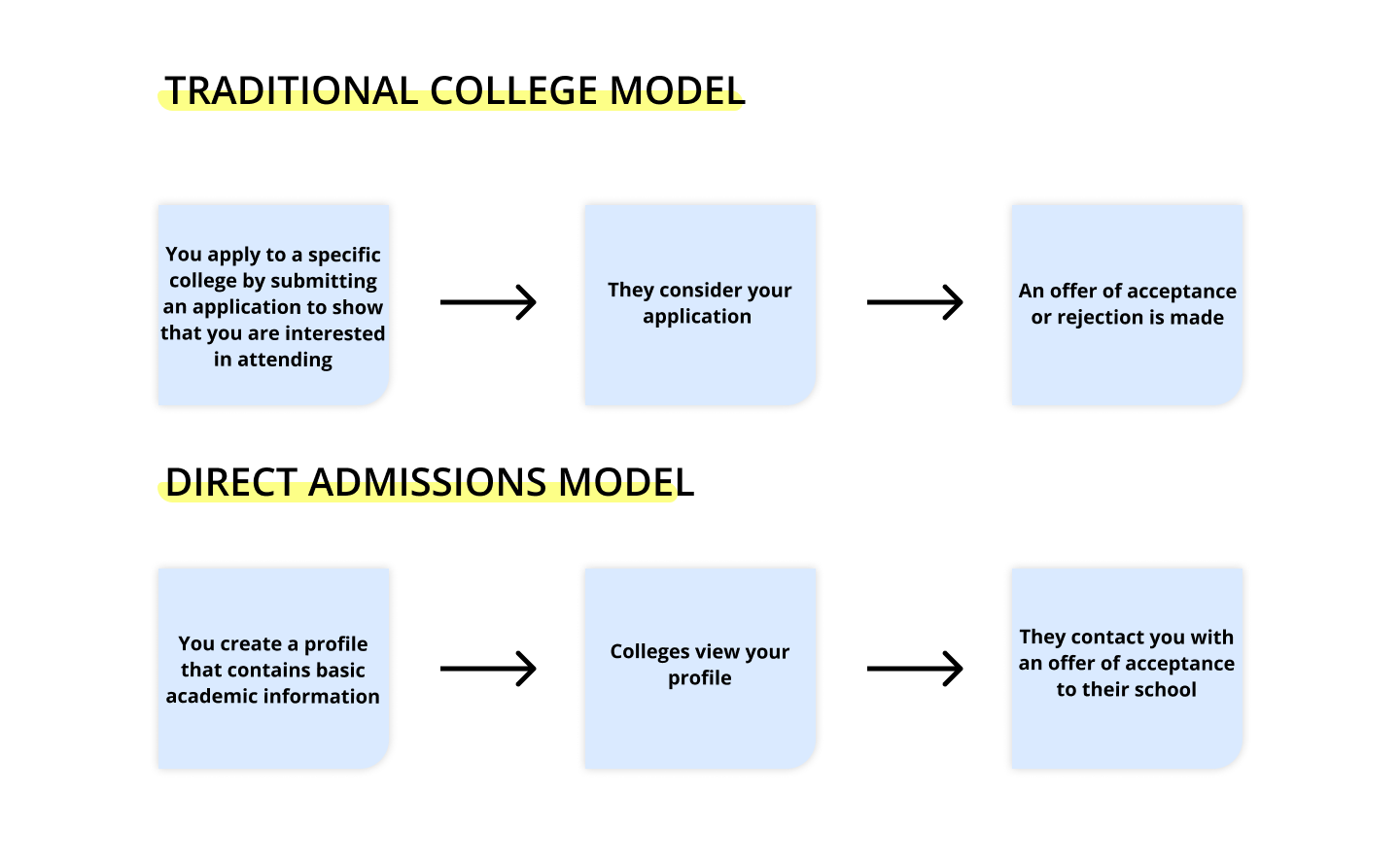
Decades ago, applying to college involved physical packets, postage, and manual data entry by admissions offices. The first iteration of the Common App software digitized this process, creating a centralized repository where a student could fill out one profile and send it to multiple schools. However, the logic remained the same: the student had to initiate every action. Direct Admission flips this script. By using the existing digital infrastructure, the Common App now allows institutions to use student data—such as GPA and geographic location—to offer admission before the student even hits the “submit” button.
The Mechanics of the Direct Admission Algorithm
At its core, Direct Admission is powered by a filtering algorithm. Participating colleges set specific parameters within the Common App’s backend software. These parameters might include a minimum cumulative GPA, a specific residency (state or region), or an interest in certain academic programs. The software then scans the database of registered students who have not yet applied to that specific school. When a student’s profile data matches the college’s criteria, the system triggers an automated offer. This is a classic example of “push technology” in software, where the platform delivers information to the user based on pre-set criteria rather than waiting for a user query.
How Direct Admission Works for the Modern Student: A UX Perspective
For the end-user—the student—the Direct Admission feature is integrated seamlessly into the Common App interface. The goal of this integration is to reduce “friction” in the application funnel, a concept borrowed from e-commerce and app development to describe the removal of obstacles between a user and their goal.
Profile Data and the Proactive Match System
The process begins the moment a student creates their Common App account and fills out the “Common App tab,” which contains their core demographic and academic information. This data becomes the “source of truth” for the platform. In a traditional workflow, this data sits idle until an application is submitted. In the Direct Admission workflow, the software constantly cross-references this data against the criteria set by participating universities. For the student, this means that while they are researching one school, they may receive a notification that they have already been accepted into another.
Streamlining the User Experience (UX)
The user interface (UI) of the Common App is designed to manage student anxiety and provide clarity. When a student is identified for Direct Admission, they typically receive an email and a notification within the app dashboard. The UX design ensures that these offers are distinguished from marketing materials. By clicking on the offer, the student is often directed to a simplified application path. Because the platform already holds their verified data, the “application” often becomes a mere formality—sometimes requiring no essay or application fee. This technological efficiency significantly lowers the barrier to entry for students who might be overwhelmed by the traditional digital application process.
The Technology Behind the Scenes: Data Privacy and Security

Whenever a platform uses student data to automate decisions, questions of digital security and data ethics come to the forefront. The Common App must balance the efficiency of Direct Admission with rigorous data protection standards.
Protecting Sensitive Student Information
The Direct Admission program relies on the sharing of sensitive academic data between the Common App and various higher education institutions. To maintain compliance with regulations such as the Family Educational Rights and Privacy Act (FERPA), the platform employs high-level encryption and strict access controls. Only the necessary data points required for the match (like GPA and ZIP code) are used for the initial screening. Full student records are not typically disclosed until the student chooses to engage with the offer, ensuring that the student maintains control over their digital footprint.
The Role of Big Data in Educational Accessibility
Direct Admission is a prime example of how big data can be used for social good. By analyzing thousands of data points across the platform, the Common App can identify “undermatching”—a phenomenon where high-achieving, low-income students do not apply to colleges that match their academic caliber. The software serves as a corrective tool. From a technical standpoint, this involves complex data modeling that helps institutions predict which students are most likely to succeed at their campus, allowing them to extend offers to those who might otherwise have been “lost” in the vast digital sea of potential applicants.
Integrating Direct Admission into the Broader Ed-Tech Ecosystem
The Common App does not exist in a vacuum. Its Direct Admission feature is part of a larger interconnected web of educational technology tools, including high school counseling software and university enrollment management systems.
API Connectivity with High School Portals
Modern high schools often use platforms like Naviance, Scoir, or Cialfo to track student progress. For Direct Admission to be truly effective, there must be a level of interoperability between these high school tools and the Common App. Through Application Programming Interfaces (APIs), data can flow (with permission) from a school’s internal grading system directly into the Common App. This ensures that the GPA used for Direct Admission offers is accurate and verified, reducing the risk of technical errors that could lead to rescinded offers.
Future Trends: AI and Predictive Enrollment
As we look toward the future of the Common App, it is likely that Artificial Intelligence (AI) will play an even larger role in Direct Admission. Currently, the system uses static filters (if GPA > 3.5, then admit). Future iterations could use machine learning to analyze historical enrollment trends and student success rates to create “smart matches.” AI could help colleges identify not just who meets the minimum requirements, but which students are technically and academically a “best fit” for their specific campus culture and resource offerings, further automating and refining the enrollment funnel.
Optimizing the Digital Application Strategy for Students
For students and parents, understanding the technical nature of Direct Admission allows for a more strategic approach to using the Common App. It is no longer just about where you choose to apply; it is about how you present your data to the platform.
Responding to Offers within the App Interface
When a Direct Admission offer appears, it is vital to understand the technical “call to action.” Most offers are non-binding, meaning the student is under no obligation to attend. However, the offer usually has an expiration date or requires a “claim” action within the software. Students should treat their Common App dashboard as a live feed. Regularly updating profile information—such as a mid-year GPA bump—can trigger new algorithmic matches, potentially opening doors that were closed just a few months prior.

Troubleshooting and Technical Support
Because Direct Admission is a relatively new software feature, users may occasionally encounter technical hurdles. This might include offers not appearing correctly or discrepancies between self-reported data and school-verified data. The Common App’s technical support infrastructure is geared toward resolving these data synchronization issues. For the tech-savvy student, ensuring that their profile is “clean”—meaning no duplicate accounts and consistent data across all tabs—is the best way to ensure the Direct Admission algorithm works in their favor.
In conclusion, Direct Admission on the Common App is more than just a new way to get into college; it is a sophisticated application of modern software engineering to a legacy process. By shifting the burden of the “first move” from the student to the institution through algorithmic matching, the Common App is redefining the user journey in the Ed-Tech space. As data security, AI, and platform interoperability continue to advance, Direct Admission will likely become the standard, making the traditional, friction-heavy application process a thing of the past. For students navigating this digital landscape, understanding the “how” and “why” of this technology is the key to unlocking a smoother, more accessible path to higher education.
aViewFromTheCave is a participant in the Amazon Services LLC Associates Program, an affiliate advertising program designed to provide a means for sites to earn advertising fees by advertising and linking to Amazon.com. Amazon, the Amazon logo, AmazonSupply, and the AmazonSupply logo are trademarks of Amazon.com, Inc. or its affiliates. As an Amazon Associate we earn affiliate commissions from qualifying purchases.