
Dimensional weight, often referred to as “DIM weight” or “volumetric weight,” is a crucial concept for anyone involved in shipping and logistics, particularly within the realm of business and e-commerce. It represents a pricing method used by carriers to calculate shipping costs based on the space an item occupies, rather than just its actual physical weight. This seemingly simple calculation can have a significant impact on shipping expenses, influencing profit margins and operational efficiency. Understanding DIM weight is no longer a niche concern for large enterprises; it’s a fundamental element of cost management for businesses of all sizes operating in today’s competitive marketplace.
The adoption of DIM weight pricing by major carriers like FedEx, UPS, and DHL reflects the evolving landscape of shipping. As e-commerce has boomed, so has the volume of packages being transported. Carriers, in turn, have had to optimize their operations to maximize the use of their cargo space. Think of it this way: a large, lightweight box that takes up as much room on a truck or airplane as a smaller, heavier box actually costs the carrier more in terms of available capacity. DIM weight pricing aims to rectify this disparity by charging for the volume the package consumes, thereby incentivizing shippers to use packaging that is more efficient and better suited to the size of the items being shipped. This, in turn, helps carriers fill their transport vehicles more effectively and reduce the overall environmental impact of shipping. For businesses, understanding and managing DIM weight is paramount to controlling shipping costs, optimizing packaging strategies, and ultimately, boosting their bottom line.
The Fundamental Calculation of Dimensional Weight
At its core, dimensional weight is a calculation designed to reflect the space a package occupies. Carriers use a specific formula, which, while having slight variations between providers, follows a consistent principle. This formula involves measuring the package’s dimensions – length, width, and height – and then applying a divisor, often referred to as the “DIM divisor.” The resulting number represents the dimensional weight in kilograms or pounds, depending on the carrier’s region.
Understanding the Formula
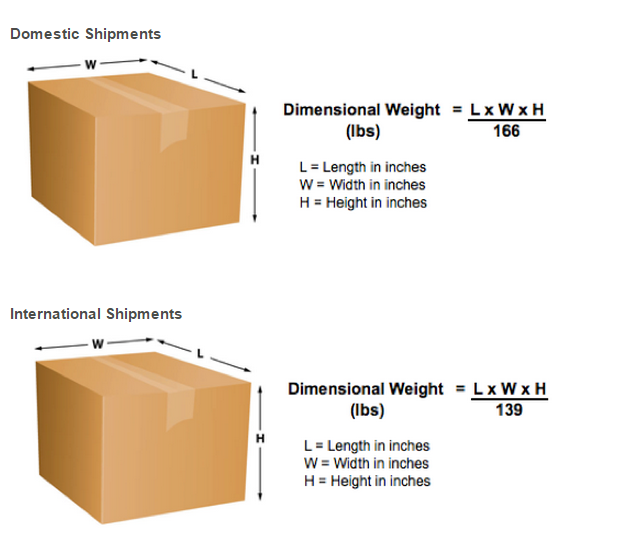
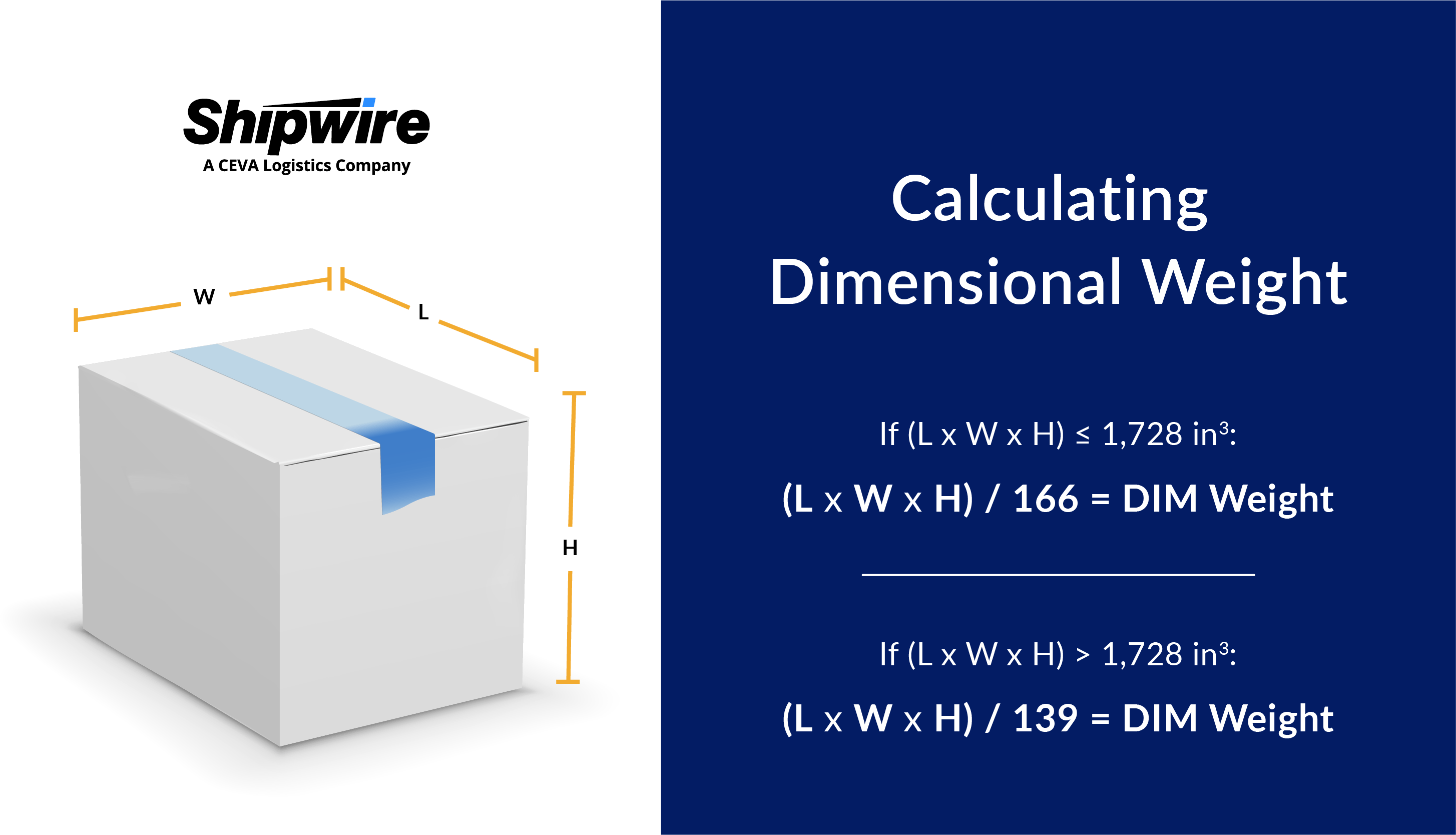
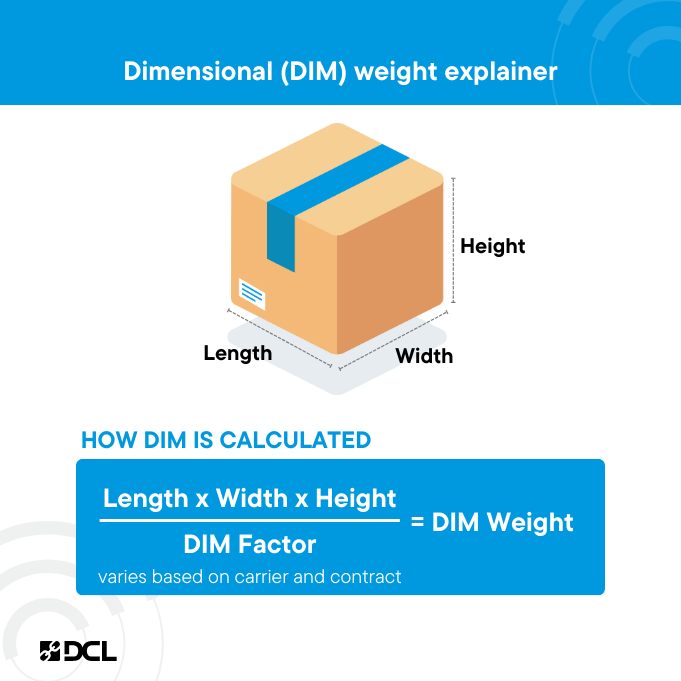
The standard formula for calculating dimensional weight is:
(Length x Width x Height) / DIM Divisor = Dimensional Weight
- Length, Width, and Height: These are typically measured in centimeters (cm) or inches (in). It’s crucial to measure the outer dimensions of the box, including any flaps or protrusions. Most carriers specify how to round measurements if they are not whole numbers; usually, rounding up to the nearest whole unit is the standard practice.
- DIM Divisor: This is the key factor that differentiates carrier methodologies and influences the final DIM weight. The DIM divisor is a constant number set by each shipping carrier. Historically, these divisors have decreased over time, meaning packages are increasingly subject to higher dimensional weight charges as carriers have become more efficient in their space utilization calculations. For example, a common divisor in the past might have been 5000 cubic centimeters per kilogram, but this has often been reduced to 4000, 3000, or even lower, making the resulting DIM weight larger.
When Does Dimensional Weight Apply?
It’s important to note that dimensional weight doesn’t automatically apply to every shipment. Carriers have a threshold: they compare the calculated dimensional weight to the package’s actual physical weight (also known as gross weight). The greater of the two weights is then used to determine the shipping charge. This is a critical point for businesses to grasp.
For example, imagine you are shipping a very dense but small item. Its actual weight might be substantial, exceeding its dimensional weight. In this scenario, you would be charged based on the actual weight. Conversely, if you are shipping a very lightweight but bulky item, like a large but empty box, the dimensional weight will almost certainly be greater than its actual weight, and you will be charged accordingly. This dual-weight system ensures that carriers are compensated for either the mass they are transporting or the space they are dedicating to it.
The Impact of Dimensional Weight on Business Finance
The implications of dimensional weight pricing extend far beyond a simple mathematical exercise; they have a direct and significant impact on a business’s financial health. For businesses, particularly those operating in e-commerce, where shipping is an integral part of the customer experience and operational cost, understanding and actively managing DIM weight is essential for profitability.
Shipping Cost Optimization
For businesses engaged in shipping, understanding DIM weight is paramount for optimizing shipping costs. If a business consistently ships items in oversized packaging, they are essentially paying for the air around their products. This can lead to significantly higher shipping bills, eroding profit margins. By adopting a proactive approach to packaging, businesses can select boxes that are a closer fit to their products, thereby reducing the DIM weight and, consequently, the shipping expenses. This cost saving can be substantial, especially for companies that handle a high volume of shipments.
Inventory Management and Warehousing
While seemingly unrelated, DIM weight can also influence inventory management and warehousing strategies. When assessing the storage space required for inventory, the volume occupied by the packaging is a key consideration. If products are consistently shipped in oversized boxes, this translates to larger inventory footprints in warehouses. This can lead to increased warehousing costs, including rent, utilities, and labor. By optimizing packaging to minimize DIM weight, businesses can potentially reduce their overall warehousing needs, leading to further cost savings. This also extends to the efficiency of picking and packing processes, as appropriately sized packaging can streamline these operations.
Customer Perception and Satisfaction
Although not directly a financial metric, customer perception and satisfaction are intrinsically linked to shipping costs and, by extension, DIM weight. When businesses absorb the higher shipping costs associated with oversized packaging, it can lead to higher product prices or reduced profit margins. Conversely, if these costs are passed on to the customer through inflated shipping fees, it can negatively impact the customer’s purchasing decision and overall satisfaction. Offering competitive shipping rates is a significant factor in e-commerce success. Proactive management of DIM weight allows businesses to offer more attractive shipping options to their customers, fostering loyalty and driving sales. Furthermore, using appropriately sized packaging also contributes to a better unboxing experience for the customer, reducing waste and enhancing brand perception.
Strategies for Minimizing Dimensional Weight Costs
Recognizing the financial implications of dimensional weight, businesses must implement strategic approaches to mitigate its impact. This involves a multi-faceted strategy that encompasses packaging optimization, carrier selection, and supply chain efficiencies. By taking a proactive and analytical approach, companies can effectively reduce their shipping expenses and improve their overall operational performance.
Packaging Optimization
The most direct way to combat high DIM weight is through meticulous packaging optimization. This involves several key actions:
- Right-Sizing Boxes: The cornerstone of DIM weight reduction is to use packaging that closely matches the dimensions of the product. This means eliminating unnecessary void fill and selecting boxes that are just large enough to protect the item during transit. Implementing a system for categorizing products by size and having a range of box sizes available is crucial.
- Reducing Packaging Material: Beyond just box size, consider the thickness and material of the packaging. Lighter, yet strong, packaging materials can help reduce both actual and dimensional weight. Innovative packaging solutions, such as padded envelopes for smaller items or custom-fit inserts, can also significantly reduce the cubic volume.
- Void Fill Management: While some void fill is necessary to protect products, excessive use can inflate the DIM weight. Explore methods of securing products within the box without relying heavily on loose-fill materials. This might include internal bracing, custom-fit inserts, or inflatable air pillows that conform to the product’s shape.
- Testing and Analysis: Regularly analyze your shipping data to identify products or shipments that consistently incur high DIM weight charges. Conduct test shipments with optimized packaging to quantify the savings.
Carrier Selection and Negotiation
The choice of shipping carrier and the negotiation of shipping rates can have a profound effect on your DIM weight costs.
- Understanding Carrier Differences: Each carrier has its own DIM divisor, and these can vary. Some carriers may offer more favorable DIM divisors for certain types of shipments or regions. Research and compare the DIM weight policies of different carriers to determine which best suits your shipping profile.
- Negotiating Rates: For businesses with significant shipping volume, negotiating directly with carriers is essential. Highlight your efforts to optimize packaging and reduce DIM weight as leverage for better rates. Many carriers offer tiered pricing based on volume, and demonstrating cost-consciousness can lead to more favorable agreements.
- Utilizing Shipping Software: Employing shipping software can automate the calculation of DIM weight across multiple carriers, allowing for real-time comparison and selection of the most cost-effective option for each shipment. These platforms can also help manage carrier accounts and track shipping expenses.
Supply Chain Integration and Automation
For a more holistic approach, integrating DIM weight considerations into broader supply chain strategies can yield significant long-term benefits.
- Warehouse Management Systems (WMS): A sophisticated WMS can be programmed to suggest optimal box sizes based on product dimensions and order contents, thereby embedding DIM weight optimization at the point of packing.
- Automation: Investing in automated packing solutions can ensure consistent and efficient packaging, reducing errors and human variability that might lead to oversized packages.
- Data Analytics: Continuously collect and analyze shipping data, including DIM weight, actual weight, shipping costs, and customer delivery times. This data can reveal trends and highlight areas for further improvement in packaging and carrier strategies. By understanding these patterns, businesses can make informed decisions to refine their logistics operations and achieve sustainable cost reductions.
By diligently implementing these strategies, businesses can effectively manage and minimize the financial impact of dimensional weight, turning a potential cost center into a driver of efficiency and profitability.
aViewFromTheCave is a participant in the Amazon Services LLC Associates Program, an affiliate advertising program designed to provide a means for sites to earn advertising fees by advertising and linking to Amazon.com. Amazon, the Amazon logo, AmazonSupply, and the AmazonSupply logo are trademarks of Amazon.com, Inc. or its affiliates. As an Amazon Associate we earn affiliate commissions from qualifying purchases.