
In the vast and interconnected digital landscape, trust is not merely a courtesy; it is a critical infrastructure. Every click, every transaction, every data exchange hinges on an implicit assurance that the digital entities involved are legitimate and that communication remains private and unaltered. At the forefront of establishing and maintaining this digital trust stands DigiCert, a global titan in the realm of digital security. More than just a name, DigiCert represents a cornerstone of the internet’s security framework, providing the foundational technologies that safeguard websites, data, devices, and user identities worldwide.
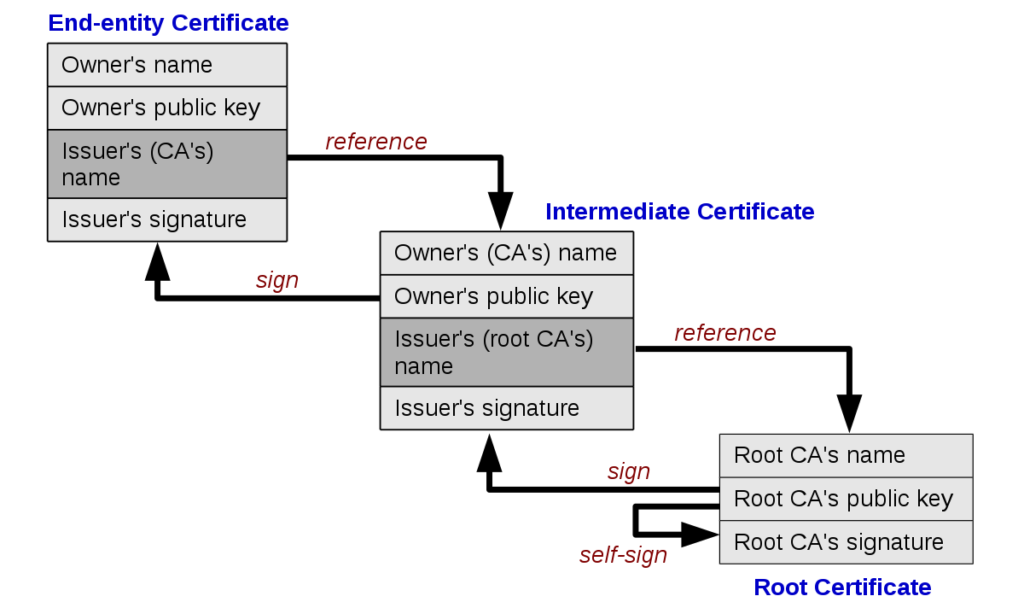
At its heart, DigiCert is a Certificate Authority (CA) – a trusted third party that issues digital certificates. These certificates act as electronic passports, verifying the identity of entities (websites, servers, software publishers, even individual users and IoT devices) and enabling encrypted communication. Without CAs like DigiCert, the internet as we know it—where secure online banking, e-commerce, and confidential communications are commonplace—would simply not be possible. Understanding DigiCert means understanding the intricate web of digital trust it helps to weave, protecting the integrity and confidentiality of our digital lives.
The Core Mission: Securing Digital Trust
DigiCert’s fundamental mission revolves around fortifying digital trust. In an era plagued by sophisticated cyber threats, verifying identities and ensuring secure data transmission are paramount. DigiCert achieves this through its robust Public Key Infrastructure (PKI) solutions, serving as a pillar of authentication and encryption across the internet.
The Foundation of Trust: PKI and Digital Certificates
Public Key Infrastructure (PKI) is the unseen architecture that enables secure digital communication and identity verification. It’s a system comprising hardware, software, policies, and procedures that manage digital certificates and public-key encryption. At its core, PKI allows for the secure exchange of information over an untrusted network like the internet. DigiCert, as a global Certificate Authority, is a crucial component of this infrastructure.
Digital certificates are the verifiable credentials issued within a PKI. Think of them as digital ID cards that bind a public key to an identified entity. When you visit a website, for instance, its digital certificate, issued by a trusted CA like DigiCert, confirms its identity and enables your browser to establish an encrypted connection. This process is automatic and happens in milliseconds, giving users peace of mind that they are interacting with the legitimate site and that their data is protected. These certificates come in various forms, each tailored for specific security needs, but all share the common goal of establishing trust and securing digital interactions.
SSL/TLS Certificates: The Web’s Shield
The most recognizable offering from DigiCert, and indeed from any major CA, are SSL/TLS certificates. These are the digital linchpins that activate the padlock icon in your browser’s address bar and change “http” to “https,” signaling a secure connection. SSL (Secure Sockets Layer) and its successor TLS (Transport Layer Security) are cryptographic protocols designed to provide communication security over a computer network. When a website uses an SSL/TLS certificate, it achieves two critical functions:
-
Encryption: All data exchanged between your browser and the website server is encrypted, making it unreadable to anyone trying to intercept it. This protects sensitive information like credit card numbers, login credentials, and personal data from eavesdropping.
-
Authentication: The certificate verifies the identity of the website. It assures users that they are communicating with the genuine website and not a fraudulent impostor attempting a phishing attack.
DigiCert offers different validation levels for SSL/TLS certificates, each providing varying degrees of identity assurance:
-
Domain Validated (DV) Certificates: These are the simplest to obtain, verifying only the ownership of the domain name. While they enable encryption, they offer minimal identity assurance beyond confirming control of the domain itself.
-
Organization Validated (OV) Certificates: OV certificates require more rigorous vetting, verifying not only domain ownership but also the legitimate existence of the organization or business behind the website. This adds a layer of trust, as users can see the organization’s name within the certificate details.
-
Extended Validation (EV) Certificates: EV certificates are the highest standard for website identity verification. They involve a comprehensive and standardized vetting process to confirm the legal, operational, and physical existence of the entity. Historically, these displayed the organization’s name prominently in a green address bar, though browser interfaces have evolved. EV certificates provide the strongest assurance of a website’s authenticity, crucial for high-value transactions and sensitive data handling.
By offering this spectrum of SSL/TLS certificates, DigiCert empowers organizations to choose the level of trust and security appropriate for their operations, ranging from personal blogs to large e-commerce platforms and financial institutions.
DigiCert’s Product and Service Portfolio
While SSL/TLS certificates form the cornerstone of DigiCert’s offerings, the company’s portfolio extends far beyond securing websites. As the digital landscape expands, so do the needs for identity verification and secure communication across a multitude of applications and devices. DigiCert has innovated to provide a comprehensive suite of solutions tailored for various digital security challenges.
Beyond Website Security: Broadening the Digital Perimeter
The demand for digital identity and encryption isn’t limited to web browsers. DigiCert addresses a broader spectrum of security needs, ensuring trust and integrity across different digital touchpoints:
-
Code Signing Certificates: These certificates are essential for software developers. When developers sign their code with a DigiCert code signing certificate, it assures users that the software comes from a verified publisher and has not been tampered with since it was signed. This is critical for preventing malware distribution and maintaining user confidence in downloaded applications.
-
Document Signing Certificates: For businesses operating in a paperless environment, document signing certificates provide the digital equivalent of a handwritten signature and a tamper-evident seal. They verify the signer’s identity and guarantee that the document has not been altered after it was signed, crucial for legal documents, contracts, and financial reports.
-
Client Authentication Certificates: These certificates are used to verify the identity of individual users or devices when accessing corporate networks, VPNs, or specific applications. They provide a strong, certificate-based authentication mechanism that enhances security beyond simple usernames and passwords.
-
IoT Security Solutions: The proliferation of Internet of Things (IoT) devices, from smart home gadgets to industrial sensors, presents unique security challenges. DigiCert offers specialized PKI solutions to secure IoT ecosystems, including device authentication, secure boot processes, and encrypted communication between devices and cloud platforms. This ensures the integrity and privacy of data generated by billions of connected devices, mitigating risks associated with botnets and data breaches originating from vulnerable IoT endpoints.
By addressing these diverse needs, DigiCert extends its influence beyond traditional web security, protecting a wider digital perimeter that encompasses applications, documents, users, and the rapidly expanding world of connected devices.
Certificate Management and Automation
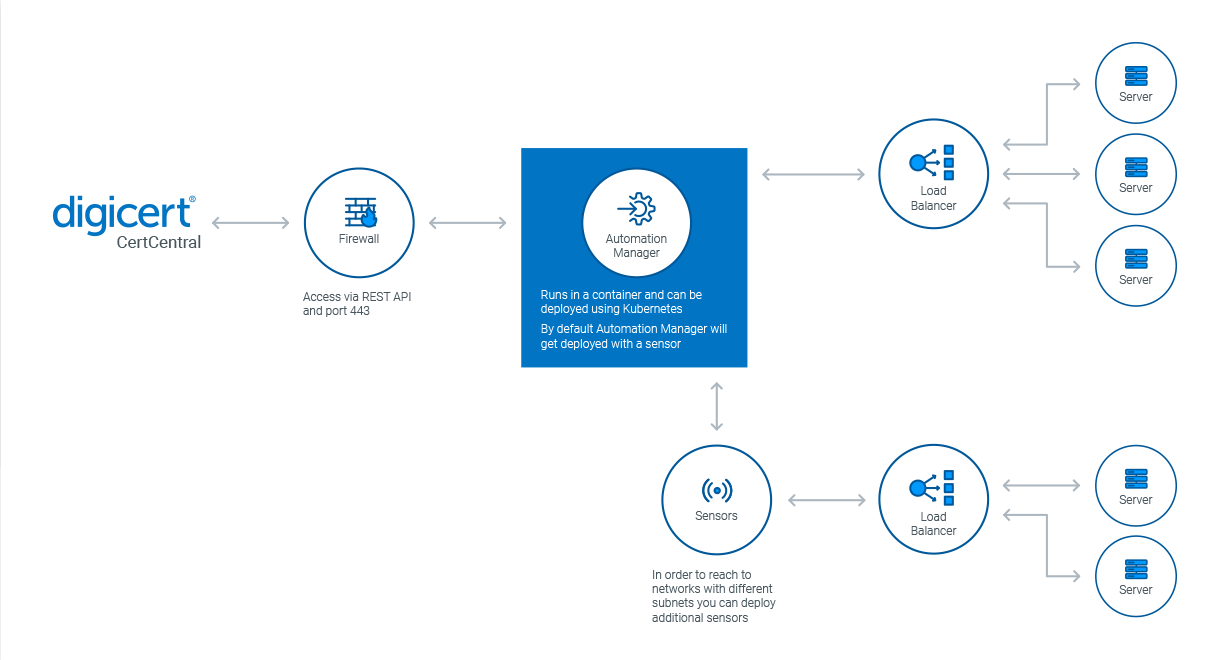
As organizations grow and their digital footprint expands, managing hundreds or even thousands of digital certificates can become a complex and resource-intensive task. Mismanaged or expired certificates can lead to service outages, security vulnerabilities, and significant reputational damage. Recognizing this challenge, DigiCert provides advanced certificate management platforms and automation tools.
DigiCert’s CertCentral platform, for instance, offers a centralized hub for organizations to discover, issue, renew, and manage all their digital certificates across various systems and environments. Key features include:

-
Automated Lifecycle Management: From issuance to renewal and revocation, automation tools streamline the entire certificate lifecycle, reducing manual errors and ensuring continuous security.
-
Inventory and Discovery: Organizations can gain full visibility into all certificates deployed across their infrastructure, identifying shadow IT certificates and preventing accidental expirations.
-
Policy Enforcement: Centralized management allows security teams to enforce specific certificate policies and configurations, ensuring compliance with internal and external security standards.
-
Integration with Existing Systems: DigiCert’s platforms are designed to integrate with common IT infrastructure, DevOps tools, and cloud environments, facilitating seamless certificate operations within existing workflows.
These management and automation capabilities are crucial for large enterprises, cloud service providers, and any organization with a significant digital presence, enabling them to maintain robust security postures without being overwhelmed by the operational complexities of PKI.
Why DigiCert Matters in the Modern Digital Age
In an era defined by pervasive digital interaction and escalating cyber threats, the role of a trusted Certificate Authority like DigiCert has never been more critical. Its contributions are not merely technical; they underpin the economic and social fabric of our digital world.
Combating Cyber Threats and Ensuring Data Integrity
The internet is a constant battlefield against cybercrime. Phishing attacks, data breaches, man-in-the-middle attacks, and malware are daily occurrences that threaten individuals and organizations alike. DigiCert’s technologies are fundamental weapons in this fight:
-
Preventing Phishing and Impersonation: By providing robust identity validation through OV and EV SSL/TLS certificates, DigiCert helps users distinguish legitimate websites from fraudulent ones, significantly reducing the success rate of phishing attempts that aim to steal credentials and sensitive data.
-
Protecting Data in Transit: The encryption provided by SSL/TLS certificates safeguards sensitive information (financial data, personal health information, proprietary business data) as it travels across networks. This makes it exceedingly difficult for malicious actors to intercept and read data, ensuring its confidentiality.
-
Ensuring Software and Document Integrity: Code signing and document signing certificates guarantee that software downloaded or documents accessed have not been altered or corrupted since they were published by the verified entity. This prevents the distribution of malicious software and ensures the trustworthiness of digital records, crucial for business operations and legal compliance.
By providing these layers of protection, DigiCert plays a pivotal role in maintaining the integrity of digital communications and data, which is indispensable for personal privacy and organizational security.
Compliance, Reputation, and User Confidence
Beyond technical protection, DigiCert’s offerings are integral to meeting regulatory requirements, protecting an organization’s reputation, and fostering user confidence.
-
Regulatory Compliance: Many industry standards and governmental regulations, such as GDPR, HIPAA, PCI DSS (Payment Card Industry Data Security Standard), and various data protection laws, mandate the use of strong encryption and identity verification for handling sensitive data. DigiCert’s certificates help organizations achieve and demonstrate compliance with these critical requirements, avoiding hefty fines and legal repercussions.
-
Protecting Brand Reputation: A data breach or a security incident due to expired or compromised certificates can severely damage an organization’s reputation, eroding customer trust and leading to significant financial losses. By ensuring continuous and robust security, DigiCert helps organizations maintain their integrity and uphold their brand image.
-
Building User Confidence: The visible security indicators, like the padlock icon and “https” in a browser, or the verified publisher name in software downloads, are subtle yet powerful signals of trust. These indicators, powered by DigiCert certificates, reassure users that their interactions are secure and that they are dealing with a legitimate entity. This confidence is vital for e-commerce, online banking, and any digital service where users share personal information, directly impacting conversion rates and customer loyalty.
In essence, DigiCert doesn’t just provide security tools; it provides the assurances that enable the secure, compliant, and trustworthy digital interactions upon which the modern economy thrives.
The Evolution of Digital Security: DigiCert’s Role
The landscape of digital security is perpetually evolving, driven by advancements in technology and the ever-increasing sophistication of cyber threats. DigiCert, as a leader in this space, has not only adapted to these changes but has also actively shaped the future of digital trust.
From Early Web to Future Technologies
DigiCert’s journey reflects the broader evolution of web security. In the early days of the internet, security was an afterthought, and encrypted communication was rare. As the web grew into a platform for commerce and sensitive data exchange, the need for robust security became paramount. DigiCert emerged and grew alongside this demand, playing a significant role in standardizing SSL/TLS deployment and making secure communication accessible to a wide array of users and organizations.
Looking ahead, DigiCert is actively engaged in addressing the next generation of security challenges:
-
Post-Quantum Cryptography (PQC): With the advent of quantum computing posing a potential threat to current encryption standards, DigiCert is investing heavily in research and development for post-quantum cryptographic solutions. These new algorithms are designed to be resistant to attacks from quantum computers, ensuring that digital trust remains intact in a quantum-enabled future.
-
AI and Machine Learning in Security: Leveraging AI and machine learning to enhance certificate management, detect anomalies, and predict security vulnerabilities is another area of focus. This allows for more proactive and intelligent security measures, staying ahead of evolving threats.
-
Decentralized Identity: Exploring how blockchain and decentralized identity solutions can complement traditional PKI models to create more resilient and user-centric identity systems is also on DigiCert’s radar, showcasing its commitment to pioneering future security paradigms.
This forward-thinking approach ensures that DigiCert remains at the cutting edge, continually adapting its offerings to protect against emerging threats and technologies.
Industry Standards and Leadership
A significant aspect of DigiCert’s influence stems from its active participation and leadership in defining industry standards. As a prominent Certificate Authority, it plays a critical role in various forums and initiatives:
-
CA/Browser Forum: DigiCert is a key member of the CA/Browser Forum, a voluntary consortium of Certificate Authorities and internet browser vendors. This forum establishes the baseline requirements for the issuance and management of SSL/TLS certificates, ensuring interoperability, trust, and common security practices across the industry. DigiCert’s involvement helps shape these crucial standards that govern web security.
-
PKI Consortium: Through its participation in groups like the PKI Consortium, DigiCert contributes to best practices and guidelines for PKI deployments across various sectors, from enterprise IT to specialized industrial applications.
-
Advocacy for Best Practices: Beyond formal organizations, DigiCert consistently advocates for strong encryption, responsible certificate management, and continuous security improvement across the industry, often publishing research and thought leadership to guide the broader security community.
This leadership ensures that DigiCert’s solutions are not only compliant with current standards but also help drive the development of future security benchmarks, reinforcing its position as a trusted authority in digital security.
In conclusion, “what is DigiCert?” is a question that leads to a deep dive into the foundational technologies of digital trust. It is a company that provides the essential PKI solutions—from SSL/TLS certificates to code signing and IoT security—that authenticate identities, encrypt data, and safeguard the integrity of digital interactions across the globe. Through its comprehensive product portfolio, advanced management tools, and unwavering commitment to innovation and industry leadership, DigiCert remains an indispensable guardian of the digital world, empowering secure commerce, communication, and connectivity for billions.
aViewFromTheCave is a participant in the Amazon Services LLC Associates Program, an affiliate advertising program designed to provide a means for sites to earn advertising fees by advertising and linking to Amazon.com. Amazon, the Amazon logo, AmazonSupply, and the AmazonSupply logo are trademarks of Amazon.com, Inc. or its affiliates. As an Amazon Associate we earn affiliate commissions from qualifying purchases.