
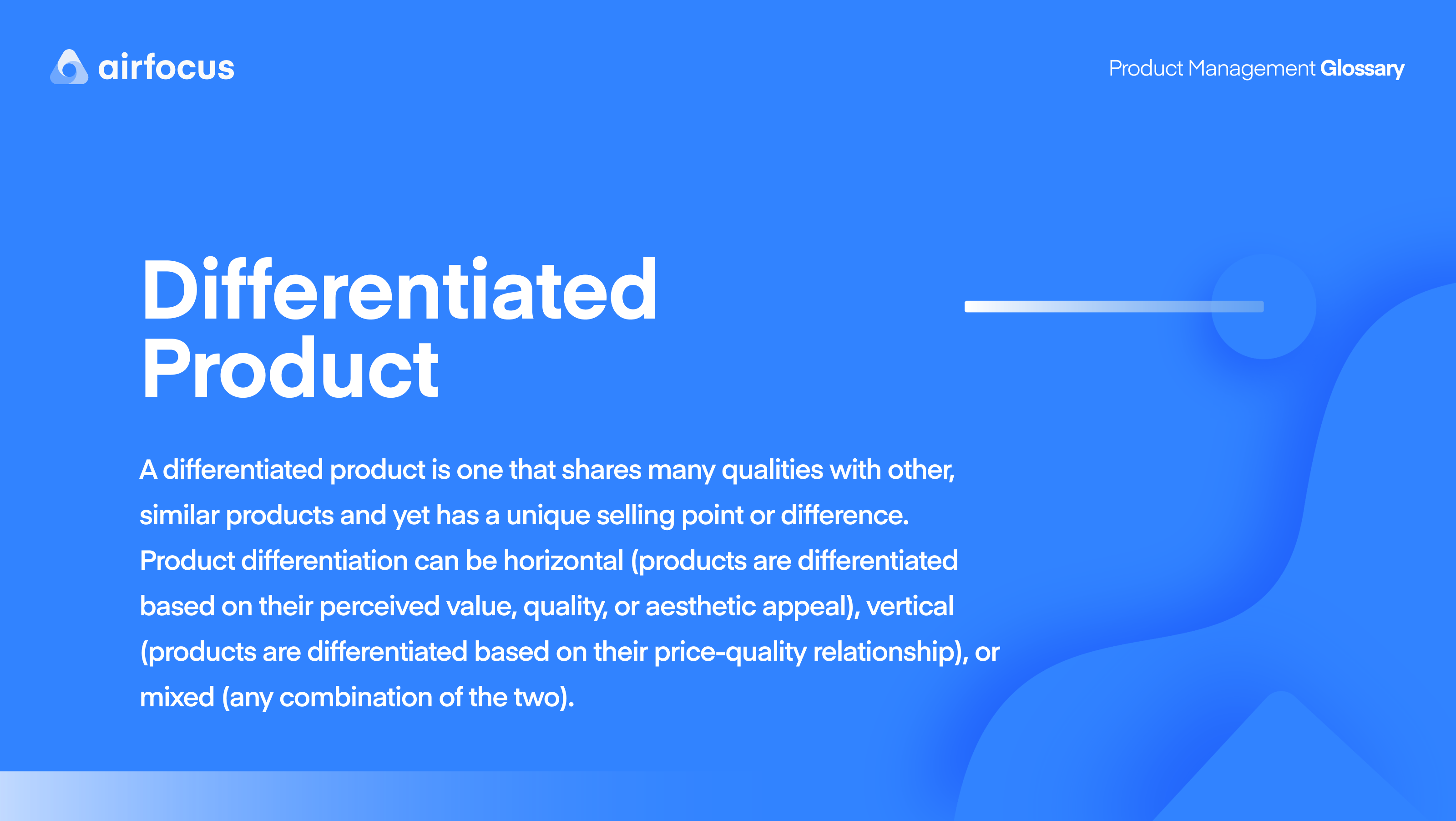
In the modern marketplace, the greatest threat to a company is not its competition, but its own invisibility. In a world characterized by over-saturation and the rapid commoditization of goods, the ability to stand out is no longer a luxury—it is a survival mechanism. This is the essence of a differentiated product. A differentiated product is a good or service that possesses unique characteristics, benefits, or brand associations that distinguish it from competitors in the minds of the target audience.
From a brand strategy perspective, differentiation is the process of defining a specific space in the market that only your brand can occupy. It is the tactical move that shifts the consumer’s focus from “What is the cheapest option?” to “Which option provides the specific value I crave?” By moving beyond the baseline of functional utility, a differentiated product creates a moat around a business, protecting its margins and fostering long-term customer loyalty.
Defining Product Differentiation in the Modern Brand Landscape
To understand what a differentiated product is, one must first understand the “Commodity Trap.” A commodity is a product that is indistinguishable from its peers—think of salt, sugar, or unbranded gasoline. When a product is a commodity, the consumer makes purchasing decisions based almost exclusively on price. Product differentiation is the deliberate effort to de-commoditize an offering. It infuses a product with a personality, a specific set of features, or a perceived value that makes it incomparable.
The Shift from “Better” to “Different”
Many brands make the mistake of trying to be “better” than their competitors. They aim for 10% more speed, 5% more durability, or a slightly lower price point. However, “better” is a moving target and is easily replicated. “Different,” on the other hand, is a strategic choice. A differentiated product does not necessarily try to beat the competition at their own game; it changes the rules of the game entirely.
In brand strategy, this is often referred to as “The Blue Ocean Strategy.” Instead of fighting for market share in a crowded, bloody “red ocean” of competitors, a differentiated product creates a “blue ocean” of uncontested market space. It addresses a specific pain point or aesthetic preference that other brands have ignored, thereby rendering the competition irrelevant.
The Psychology of Choice
Differentiation leverages the way the human brain processes information. We are wired to notice anomalies and ignore the mundane. When a brand presents a product that looks, feels, or acts differently than the norm, it triggers a cognitive response. This distinction creates “mental availability,” ensuring that when a consumer is ready to buy, your brand is the first one that comes to mind. A differentiated product provides the “reason to buy” that justifies the consumer’s choice to themselves and to others.
The Three Dimensions of Brand Distinction
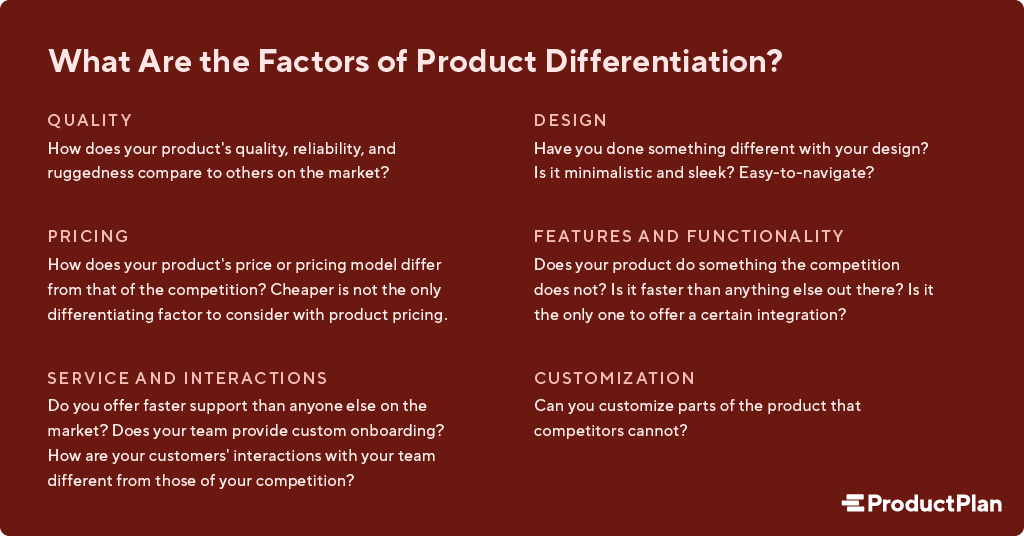
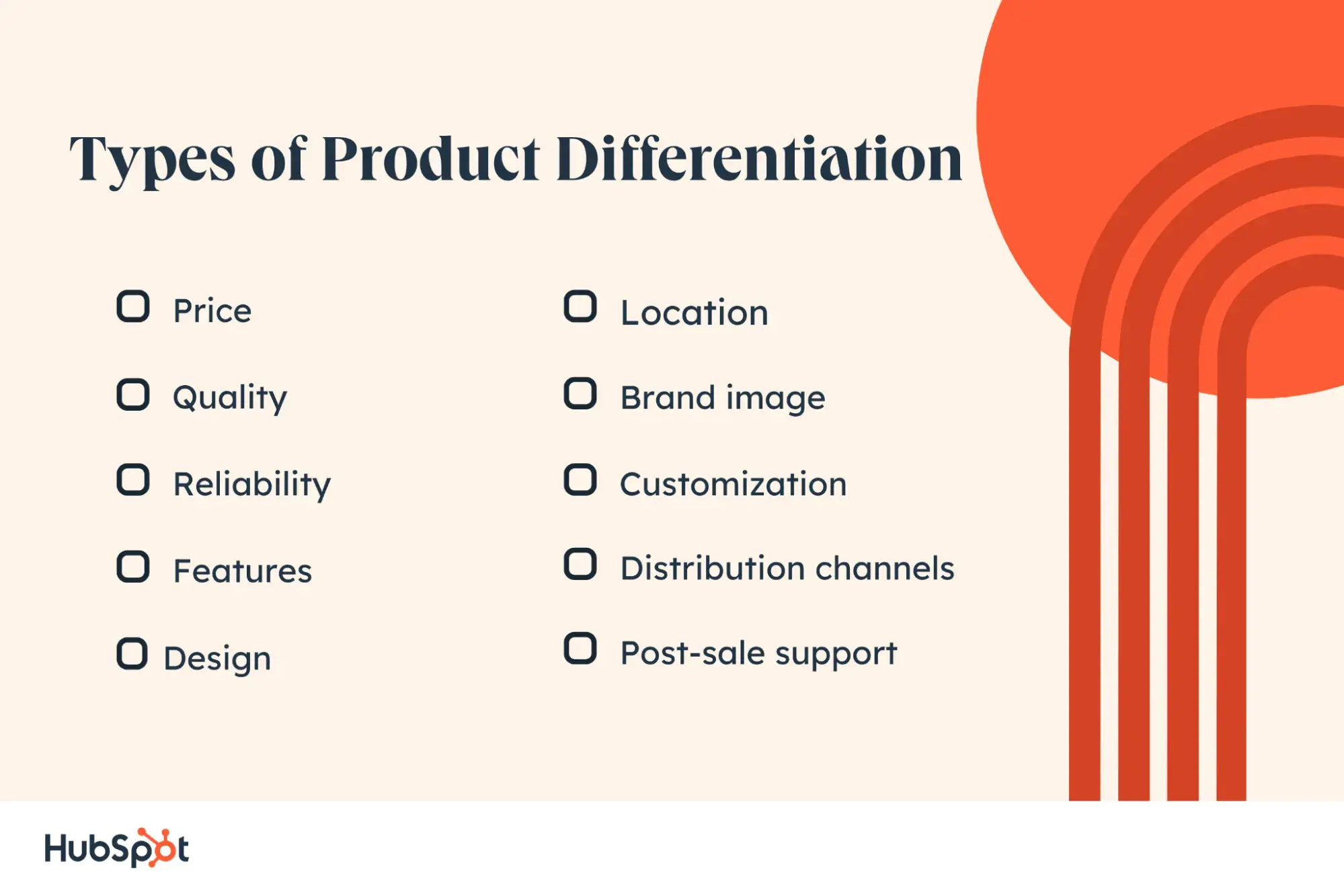
Effective differentiation rarely happens by accident. It is the result of a rigorous analysis of the brand’s strengths and the market’s unmet needs. Generally, a product can be differentiated across three primary dimensions: tangible performance, emotional resonance, and the service-led experience.
Tangible Performance and Innovation
This is the most traditional form of differentiation. It involves the physical or technical aspects of the product—what it does and how it does it. This could be a proprietary technology, a unique design, or superior ingredients. For example, a skincare brand might differentiate itself by using a specific, patented molecule that no other company has access to.
However, in the digital age, tangible differentiation is often the hardest to maintain. Competitors can reverse-engineer features or launch similar updates within months. Therefore, while functional excellence is a prerequisite, it is rarely enough to sustain a brand over decades.
Emotional and Symbolic Resonance
This is where brand strategy truly shines. Emotional differentiation focuses on how the product makes the consumer feel and what it says about them to the world. This is the realm of “lifestyle branding.” A watch does not just tell time; it communicates status, heritage, or a sense of adventure.
When a product is differentiated emotionally, it taps into the consumer’s identity. The product becomes a tool for self-expression. This form of differentiation is incredibly powerful because it is nearly impossible for a competitor to “copy” an emotion. You can copy the specs of a luxury vehicle, but you cannot easily copy the century of prestige and “old-world” heritage associated with a brand like Rolls-Royce.
Service and Ecosystem Differentiation
Sometimes, the product itself is quite similar to others, but the way it is delivered or supported is entirely unique. This is known as “Experience Differentiation.” This includes the ease of the purchasing process, the quality of customer support, or the integration into a wider ecosystem of services.
A brand that offers a lifetime warranty, 24/7 concierge support, or a seamless digital interface for managing the product is creating a differentiated offering. In many cases, the “product” the customer is buying is actually the peace of mind or the convenience that comes with the brand’s service model.
Building the Narrative: How Differentiation Shapes Brand Identity
Once the point of differentiation is identified, the brand must communicate it through a cohesive narrative. Without a story, a unique feature is just a technical spec; with a story, it becomes a Unique Value Proposition (UVP).
The Power of the Unique Value Proposition
The UVP is the bridge between the product’s features and the consumer’s desires. It answers the fundamental question: “Why should I care?” A brand with a differentiated product must be able to articulate its UVP in a single, compelling sentence. This proposition becomes the North Star for all marketing efforts, from social media copy to high-level corporate manifestos.
If a brand’s differentiation is its commitment to extreme durability, every piece of content should reinforce that narrative. The imagery should show the product in harsh environments; the language should use words like “indestructible,” “rugged,” and “permanent.” The narrative ensures that the differentiation is not just a fact, but a feeling.
Visual and Verbal Identity as Differentiation
Design is one of the most immediate ways to signal differentiation. In a category where every brand uses blue and white packaging to signal “cleanliness,” a brand that chooses matte black and gold instantly signals “luxury” and “exclusivity.”
The verbal identity—the tone of voice, the vocabulary, and the “personality” of the writing—further cements this distinction. A brand that speaks with a cheeky, irreverent tone in a serious industry (like finance or insurance) uses its voice as a primary tool for differentiation. This creates a “Brand Persona” that consumers can relate to, making the product feel like a person they know rather than a corporation they use.
Lessons from the Leaders: Case Studies in Radical Differentiation
To see product differentiation in action, we can look at brands that have successfully disrupted their categories by leaning into a singular, powerful difference.
The Apple Ecosystem: Integration as Distinction
Apple is the gold standard for differentiation. While their hardware is high-quality, it is the integration of hardware, software, and services—the “walled garden”—that differentiates them. By creating a product ecosystem where every device works perfectly with every other device, Apple has made it difficult for consumers to switch to a competitor. Their differentiation is not just “better design”; it is “seamless harmony.”
Yeti: Transforming the Mundane
Before Yeti, coolers were treated as disposable, $30 items found at hardware stores. Yeti differentiated its product through extreme over-engineering and high-end branding. They turned a commodity into a status symbol. By pricing their products significantly higher than the competition and marketing them to serious outdoorsmen and professionals, they created a new category: the “premium cooler.” Their differentiation was durability and aspirational lifestyle.
Liquid Death: Differentiation Through Irony
One of the most impressive recent examples of differentiation is Liquid Death. At the end of the day, they sell water in a can. Water is the ultimate commodity. However, Liquid Death differentiated itself through aggressive, punk-rock branding and an “anti-marketing” stance. By making water look like a tall-boy beer and using the slogan “Murder Your Thirst,” they appealed to a demographic that found traditional bottled water brands boring or overly “corporate.” Their product is functionally identical to competitors, but their brand differentiation is absolute.
Challenges and Long-Term Sustainability
While differentiation is the key to growth, it is not without its challenges. The most significant risk is “The Commodity Trap,” where competitors slowly adopt your unique features until they become the industry standard. This is why a brand must never stop evolving.
The Threat of the Commodity Trap
What was differentiated yesterday is the baseline today. High-definition screens were once a major differentiator for smartphones; now, they are expected. To remain differentiated, a brand must commit to continuous innovation. This doesn’t always mean launching new products; it can mean finding new ways to connect with the audience or updating the brand’s visual language to remain contemporary.
Staying True to the Core
As brands grow, they often face the temptation to “water down” their differentiation to appeal to a broader audience. This is a dangerous path. Radical differentiation often means that your product is not for everyone. If you try to please everyone, you risk becoming “middle of the road”—the very definition of a commodity.
Sustaining a differentiated product requires the courage to be polarizing. It requires a brand to double down on what makes it unique, even if that means alienating certain market segments. The goal is to be “everything to someone” rather than “something to everyone.”
In conclusion, a differentiated product is the heart of a successful brand strategy. It is the combination of functional uniqueness, emotional connection, and a compelling narrative that tells the world why your brand matters. By focusing on what makes them different rather than just what makes them better, companies can escape price wars, build intense customer loyalty, and dominate their chosen niche for years to come.
aViewFromTheCave is a participant in the Amazon Services LLC Associates Program, an affiliate advertising program designed to provide a means for sites to earn advertising fees by advertising and linking to Amazon.com. Amazon, the Amazon logo, AmazonSupply, and the AmazonSupply logo are trademarks of Amazon.com, Inc. or its affiliates. As an Amazon Associate we earn affiliate commissions from qualifying purchases.