
Navigating the complexities of modern travel often involves understanding the nuances of expedited screening programs designed to streamline the airport experience. Among the most popular and beneficial programs are TSA PreCheck and Global Entry. While both aim to reduce wait times and simplify security procedures, they serve distinct purposes and cater to different travel needs. For the frequent international traveler, understanding these differences is not just about convenience; it can significantly impact the overall cost and efficiency of their journeys. This article delves into the core distinctions between TSA PreCheck and Global Entry, exploring their benefits, application processes, costs, and the specific travel scenarios they are best suited for, all from a financial perspective.
Understanding the Financial Investment and Value Proposition
When considering programs like TSA PreCheck and Global Entry, the initial outlay of cash is a crucial factor for many individuals. However, the true measure of their worth lies in their long-term value proposition, considering factors like time savings, reduced stress, and potential indirect financial benefits. This section will unpack the costs associated with each program, the renewal fees, and explore how these programs can translate into tangible financial advantages for travelers.
The Upfront Cost and Renewal Fees: A Financial Breakdown
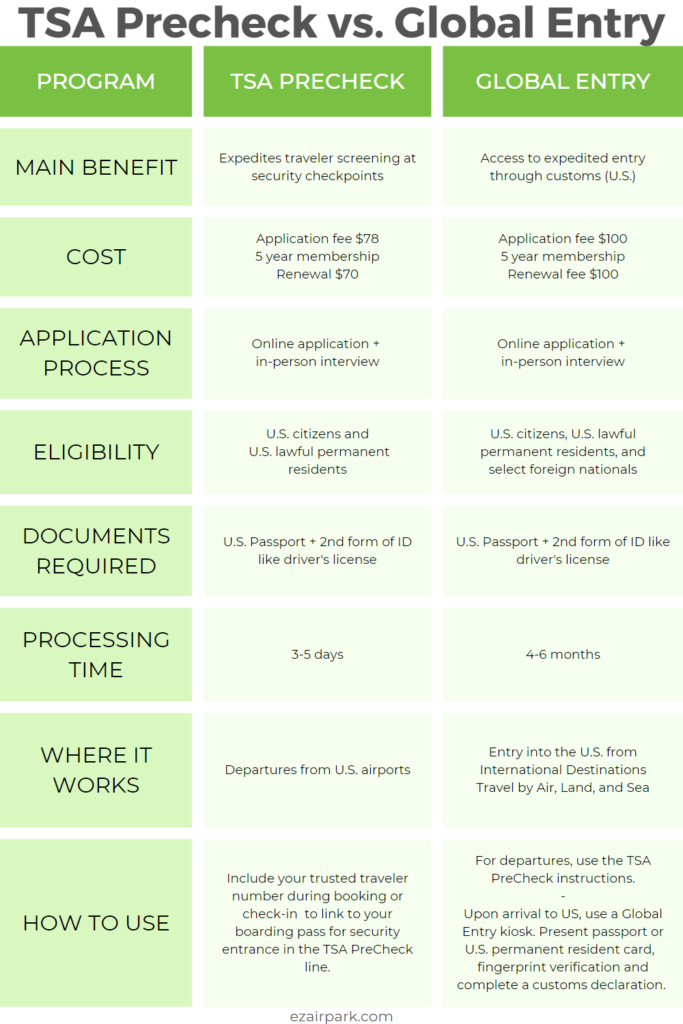
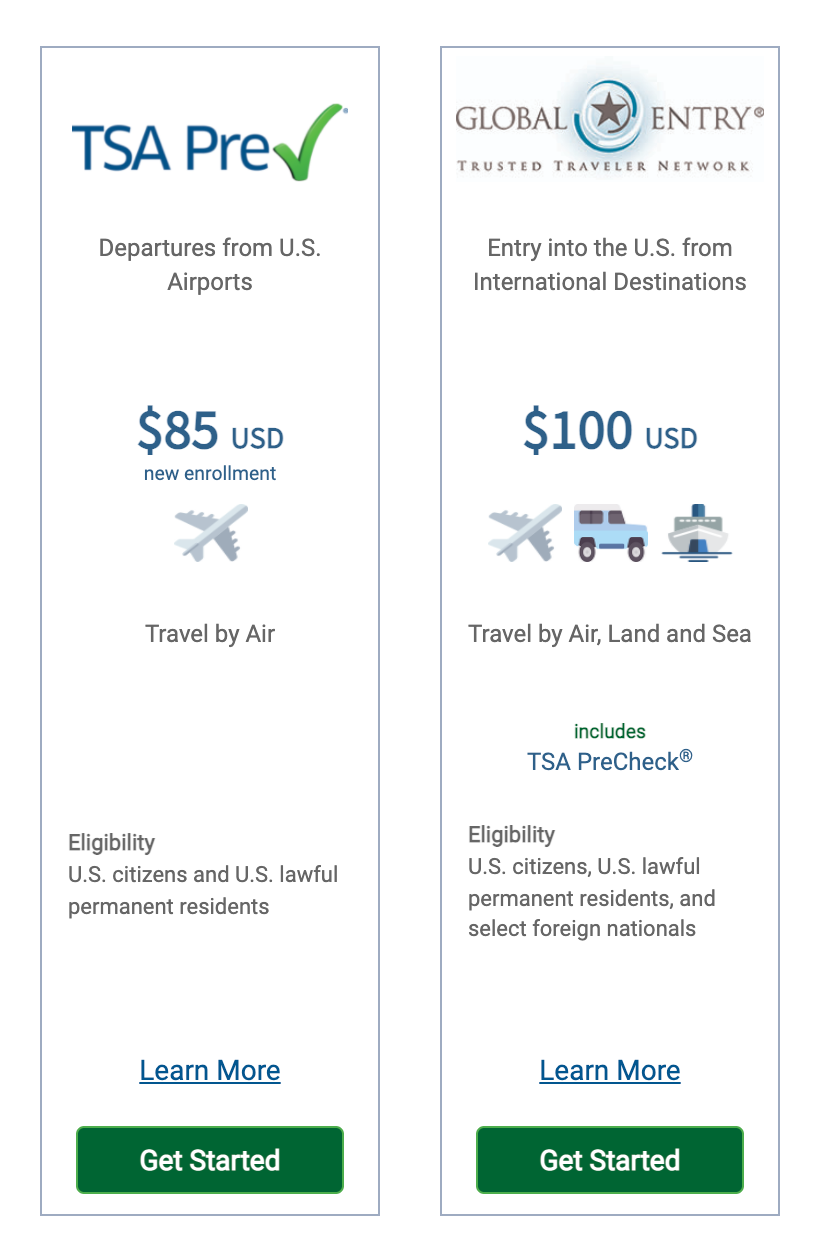
The financial commitment to TSA PreCheck and Global Entry begins with an application fee. TSA PreCheck, designed primarily for domestic and international travel departing from the United States, typically has a fee of $82 for a five-year membership. This fee is non-refundable, regardless of whether the application is approved. In contrast, Global Entry, which includes TSA PreCheck benefits, comes with a higher application fee of $100 for a five-year membership. This higher cost reflects the broader scope of Global Entry, which facilitates expedited clearance upon arrival back into the United States from international travel.
The renewal process also carries a financial implication. Both programs require renewal every five years to maintain membership. The renewal fees generally mirror the initial application fees. For TSA PreCheck, the renewal fee is $70, a slight reduction from the initial application cost. For Global Entry, the renewal fee is $100, remaining consistent with the original application fee. It’s important for travelers to budget for these recurring costs to ensure continuous access to the program’s benefits. While these fees might seem like an additional expense, for frequent travelers, they can be viewed as an investment that yields significant returns in saved time and reduced travel friction.
Identifying Potential Cost Reductions and Indirect Financial Gains
Beyond the direct costs, both TSA PreCheck and Global Entry can offer indirect financial benefits, particularly for those who travel frequently for business or leisure. The most apparent gain is the significant reduction in time spent at security checkpoints. For business travelers, this saved time can translate into more productive hours, allowing them to attend meetings, prepare for presentations, or simply arrive at their destination feeling more refreshed and less stressed. This increased efficiency can indirectly contribute to better business outcomes and, therefore, financial gains.
For leisure travelers, the time saved can mean more opportunities to explore destinations, enjoy activities, or simply relax, enhancing the overall value of their travel investment. Furthermore, by avoiding long queues, travelers are less likely to miss flights, incur last-minute booking fees, or face additional accommodation costs due to travel disruptions. This proactive avoidance of potential financial pitfalls can be a substantial, albeit often overlooked, benefit.
Moreover, the peace of mind that comes with expedited screening can lead to a less stressful travel experience. Reduced stress can have positive impacts on overall well-being, which, while not directly financial, can contribute to better decision-making and a more enjoyable and fulfilling life, which some might consider a form of wealth in itself. For individuals who hold certain travel rewards credit cards, the cost of TSA PreCheck or Global Entry can often be reimbursed. Many premium travel credit cards offer statement credits to cover the application fee for one or both of these Trusted Traveler Programs. This feature effectively makes the membership free for eligible cardholders, significantly enhancing the financial value proposition. Examining credit card rewards and benefits is a crucial step in maximizing the financial return on these travel programs.
Differentiating the Core Functionality and Target Traveler
While both TSA PreCheck and Global Entry offer expedited security, their primary functions and the travelers they are designed to serve differ significantly. Understanding these distinctions is key to choosing the program that best aligns with an individual’s travel habits and financial priorities. This section will highlight the specific benefits of each program and identify the types of travelers who stand to gain the most from their respective offerings.
TSA PreCheck: Streamlining Departures from the U.S.
TSA PreCheck is a program managed by the Transportation Security Administration (TSA) that provides expedited screening for travelers departing from airports within the United States, as well as for international flights departing from select U.S. airports. The core benefit of TSA PreCheck is the ability to leave on shoes, belts, and light outerwear, and to keep laptops and liquids in carry-on bags, significantly reducing the time and hassle associated with traditional security checks. Members typically experience shorter lines and a less intrusive screening process.
The application process for TSA PreCheck involves an online application followed by an in-person interview at one of the TSA PreCheck enrollment centers. Once approved, membership is valid for five years. This program is ideal for U.S. citizens and eligible lawful permanent residents who frequently fly domestically or depart from the U.S. on international trips. For individuals whose travel primarily involves departures from U.S. airports, TSA PreCheck offers a substantial improvement in their travel experience without the added cost and complexity of a program focused on international arrivals. The financial benefit here is primarily the saved time, which, as discussed, can translate into indirect financial gains.
Global Entry: Expediting Arrivals into the U.S.
Global Entry, on the other hand, is a program administered by U.S. Customs and Border Protection (CBP) designed to expedite the immigration and customs process for pre-approved, low-risk travelers upon their arrival into the United States. This program offers a more comprehensive set of benefits, as it includes TSA PreCheck as a membership benefit. When you have Global Entry, you also have access to TSA PreCheck, meaning you can enjoy expedited screening both when departing from the U.S. and when entering the U.S. from international destinations.
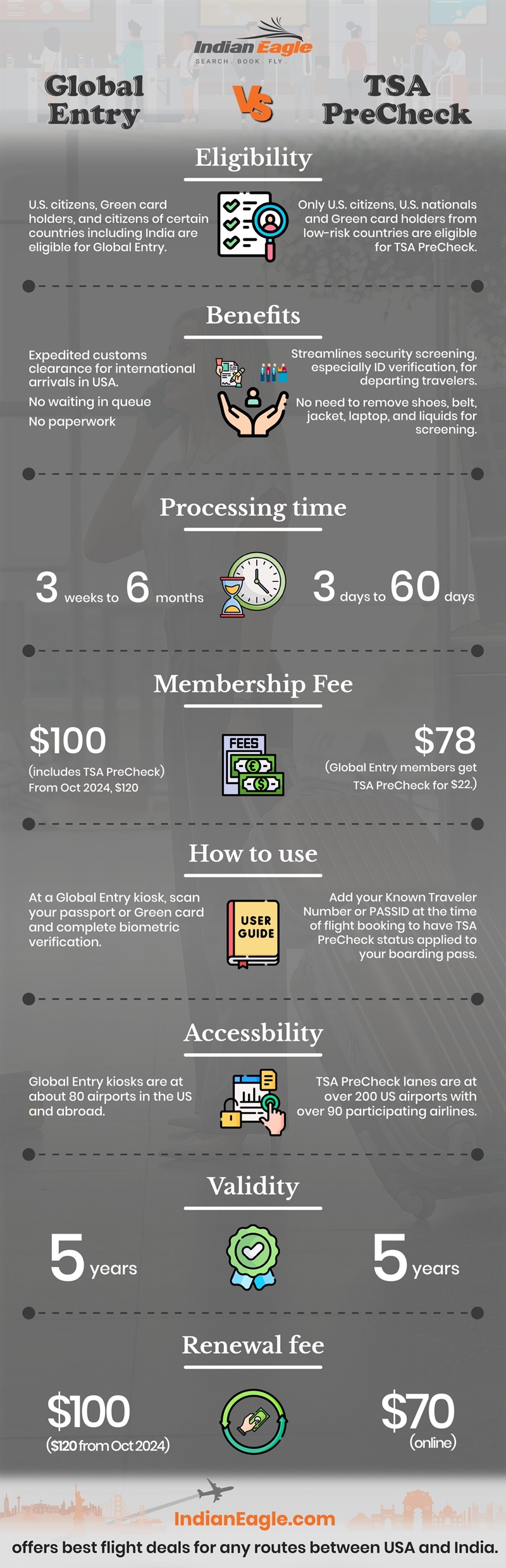
The application process for Global Entry is similar to TSA PreCheck, involving an online application through the Trusted Traveler Programs (TTP) website, followed by a mandatory in-person interview at a Global Entry Enrollment Center, often located at major international airports. Once approved, membership is valid for five years. Global Entry is particularly valuable for U.S. citizens, lawful permanent residents, and citizens of certain other countries who frequently travel internationally and return to the United States. The significant financial advantage of Global Entry lies in its ability to drastically reduce wait times at U.S. Customs and Border Protection, which can often be the longest and most unpredictable part of international travel.
Navigating the Application and Renewal Landscape
Understanding the application and renewal processes is crucial for both TSA PreCheck and Global Entry. These steps involve online forms, in-person interviews, and the management of membership status. For the financially savvy traveler, efficiently navigating these procedures can ensure that the benefits of the programs are realized without unnecessary delays or overlooked details. This section will detail the steps involved in applying for and renewing membership in both programs.
The Application Journey: From Online Form to Interview
The initial step for both TSA PreCheck and Global Entry is to create a Trusted Traveler Programs (TTP) account on the official CBP website. This account will be used to manage your application, schedule your interview, and eventually renew your membership. The online application requires providing personal information, including your name, address, date of birth, and passport details. You will also be asked about your travel history and any criminal history. It is imperative to provide accurate and truthful information, as any discrepancies can lead to denial of your application.
Following the submission of the online application, you will be prompted to pay the non-refundable application fee. Once the application is conditionally approved, which usually happens within a few weeks to a few months, you will be eligible to schedule an in-person interview. This interview is a mandatory part of the process for both programs. For TSA PreCheck, interviews are typically conducted at TSA PreCheck enrollment centers located throughout the country. For Global Entry, interviews are conducted at Global Entry Enrollment Centers, which are often located at U.S. international airports, or through a program called Enrollment on Arrival (EoA) at select airports. During the interview, a CBP officer will verify your identity, review your application, and ask you questions about your background and travel habits.
Maintaining Membership: Renewal Strategies and Best Practices
Once you have been approved for either TSA PreCheck or Global Entry, your membership is valid for five years. It is crucial to be aware of your expiration date and to initiate the renewal process in a timely manner. The renewal process generally mirrors the initial application process, although it may be slightly streamlined depending on your circumstances. It is recommended to begin the renewal process at least 3-6 months before your membership expires to ensure there is ample time for processing and to avoid any lapse in your benefits.
The renewal process also involves creating or logging into your TTP account, completing the renewal application, and paying the renewal fee. While the interview may not always be required for renewals, depending on program updates and individual circumstances, it is advisable to be prepared for the possibility. Keeping your contact information updated in your TTP account is essential for receiving renewal reminders and important notifications. For individuals who travel extensively, managing the renewal of multiple Trusted Traveler Programs can become a complex administrative task. Implementing a personal finance system that includes reminders for membership renewals can help ensure that these valuable programs are maintained without interruption, thereby preserving the financial benefits they offer.
Strategic Program Selection: Maximizing Value for Your Travel Dollars
Choosing between TSA PreCheck and Global Entry, or even deciding if either is necessary, requires a careful assessment of your travel patterns and financial goals. While both offer significant benefits, their costs and functionalities are tailored to different needs. This section will guide you through the decision-making process to ensure you select the program that provides the greatest return on your travel investment.
Assessing Your Travel Habits: Who Benefits Most?
The decision of whether to invest in TSA PreCheck or Global Entry should be driven by your personal travel habits. If you primarily fly domestically within the United States or take international trips that depart from U.S. airports, and you rarely travel internationally, then TSA PreCheck might be sufficient. The $82 investment for five years provides a significant upgrade to your domestic travel experience. However, if you frequently travel internationally, entering and exiting the United States multiple times a year, then Global Entry becomes a far more compelling option.
The $100 fee for Global Entry, which includes TSA PreCheck benefits, essentially means you are paying an additional $18 for the expedited customs and immigration clearance upon arrival back into the U.S. This added benefit can save hours of waiting time at CBP, particularly at busy international airports. For frequent international travelers, the time saved at immigration and customs can easily justify the slightly higher cost. The financial savings can also be realized by avoiding missed connections or the need to book last-minute, expensive flights due to lengthy immigration delays.
The Synergy of Credit Card Perks and Program Membership
For many travelers, the decision of which program to join, or if to join at all, can be significantly influenced by credit card rewards and benefits. As mentioned earlier, numerous travel rewards credit cards offer statement credits to cover the full application fee for TSA PreCheck or Global Entry. This makes the membership essentially free for eligible cardholders. This financial incentive is a powerful driver for many to enroll in these programs.
When evaluating credit cards, it’s important to look for those that specifically offer these Trusted Traveler Program statement credits. Often, these credits are offered once every four or five years, aligning with the membership renewal cycle. By strategically utilizing these credit card perks, travelers can experience the expedited security benefits of TSA PreCheck and Global Entry without incurring any direct out-of-pocket expenses. This significantly enhances the financial value proposition of both programs, making them an even more attractive option for a wider range of travelers. For the financially astute individual, leveraging these credit card benefits is a key strategy to maximize the value derived from their travel expenditures.
In conclusion, both TSA PreCheck and Global Entry are invaluable tools for the modern traveler seeking to optimize their journey. While TSA PreCheck focuses on expediting departures from the U.S., Global Entry provides a comprehensive solution for expedited arrivals back into the U.S., including TSA PreCheck benefits. From a financial perspective, understanding the application and renewal costs, identifying potential cost savings through time efficiency and avoided expenses, and strategically leveraging credit card perks are essential for making an informed decision. By carefully assessing individual travel habits and financial goals, travelers can select the program that offers the greatest value and transforms their airport experience from a chore into a seamless and efficient part of their adventure.
aViewFromTheCave is a participant in the Amazon Services LLC Associates Program, an affiliate advertising program designed to provide a means for sites to earn advertising fees by advertising and linking to Amazon.com. Amazon, the Amazon logo, AmazonSupply, and the AmazonSupply logo are trademarks of Amazon.com, Inc. or its affiliates. As an Amazon Associate we earn affiliate commissions from qualifying purchases.