
When navigating the complex waters of personal finance, few decisions carry as much weight as the purchase or sale of real estate. For the average individual, a home is the largest single asset in their portfolio; for the investor, property represents a cornerstone of wealth accumulation and inflation hedging. However, when entering this high-stakes arena, many consumers use the terms “Real Estate Agent” and “Realtor” interchangeably.
While the two roles overlap significantly in daily function, the distinction between them is rooted in professional standards, ethical obligations, and legal protections that can have a tangible impact on your financial outcomes. Understanding these nuances is not merely a matter of semantics—it is a critical component of due diligence for anyone looking to protect their net worth during a property transaction.
Decoding the Professional Labels: Real Estate Agent vs. Realtor
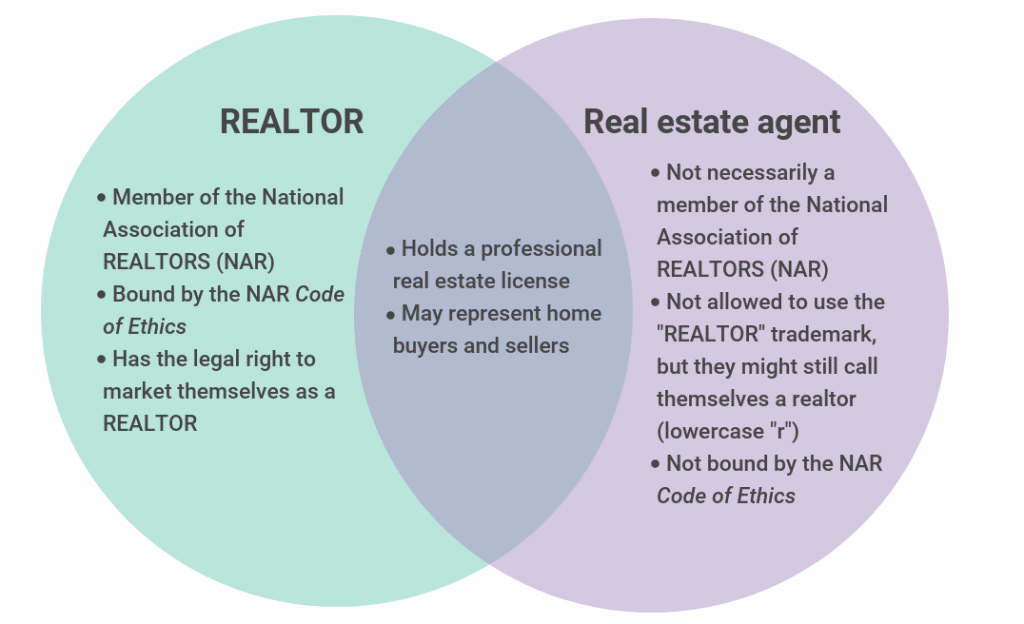
To understand the financial implications of who you hire, one must first understand the hierarchy of licensing and professional affiliation. Every Realtor is a real estate agent, but not every real estate agent is a Realtor.
The Real Estate Agent: The Baseline of Licensure
A real estate agent is a professional who has earned a license to help people buy, sell, or rent real estate. This process is governed at the state level. To obtain a license, an individual must complete a specified number of pre-licensing credit hours—ranging from 40 to over 150 depending on the jurisdiction—and pass a rigorous state exam.
From a financial perspective, the agent is a licensed fiduciary who must hang their license under a managing broker. They are authorized to facilitate transactions, draft contracts, and represent clients in exchange for a commission. However, their primary obligation is to follow state law. While state laws provide a baseline of consumer protection, they do not always encompass the heightened ethical rigors required by private professional organizations.
The Realtor: The Gold Standard of Professional Affiliation
A “Realtor” (capitalized and often accompanied by the registered trademark symbol ®) is a licensed real estate agent who has opted to become a member of the National Association of Realtors (NAR). This is a private trade association, the largest in the United States, that requires its members to adhere to a strict Code of Ethics.
The financial significance of the “Realtor” designation lies in this membership. To maintain the title, the professional must pay annual dues and, more importantly, commit to 17 articles of ethics that govern their conduct with clients, the public, and other agents. When you hire a Realtor, you are theoretically hiring someone who has agreed to a higher standard of accountability than what is legally required by the state alone.
The Fiduciary Standard: Why Ethics Matter for Your Net Worth
In the world of personal finance, the term “fiduciary” is paramount. It means the professional is legally and ethically bound to act in your best financial interest, even above their own. While all licensed agents have some level of fiduciary duty to their clients, the Realtor Code of Ethics deepens this obligation in ways that can prevent costly financial pitfalls.
The NAR Code of Ethics as a Financial Safeguard
The Realtor Code of Ethics isn’t just a list of polite suggestions; it is a contractually binding set of rules. For example, Article 1 of the Code dictates that Realtors must protect and promote the interests of their clients while treating all parties honestly.
In a real estate transaction, “honesty” translates directly to “dollars.” If an agent discovers a latent defect in a property that could decrease its value, a Realtor is ethically bound to disclose that information, even if it threatens the closing of the deal and, by extension, their commission. For a buyer, this transparency can save tens of thousands of dollars in future repairs and lost equity. For a seller, it prevents future litigation that could drain their financial reserves.
Accountability and Dispute Resolution
One of the most significant financial advantages of working with a Realtor is the recourse available if something goes wrong. If a standard real estate agent acts unethically, your primary recourse is often through the state’s real estate commission or a costly civil lawsuit.
Members of the NAR, however, are subject to internal peer review and mandatory mediation or arbitration. If a Realtor is found to have violated the Code of Ethics—such as misrepresenting property values or failing to disclose a conflict of interest—the local board can impose fines, require additional education, or revoke membership. This internal system of accountability provides an extra layer of protection for the consumer’s investment capital.
Investment Strategy: How the Distinction Impacts Your Bottom Line

Whether you are buying a primary residence or adding to a rental portfolio, the quality of your representation directly influences your Return on Investment (ROI). The distinction between an agent and a Realtor often manifests in the level of market data and professional resources they bring to the table.
Market Insight and Pricing Accuracy
Pricing a home is more an art than a science, but it requires a foundation of high-quality data. Realtors typically have access to more robust versions of the Multiple Listing Service (MLS) and proprietary NAR research data that non-member agents may lack.
For a seller, an overpriced home sits on the market, becoming “stale” and eventually selling for less than it would have if priced correctly from the start. For a buyer, overpaying for a property immediately erodes their equity position. A Realtor’s access to comprehensive “comps” (comparable sales) and market trend analysis ensures that your financial entry or exit point is optimized for the current economic climate.
Negotiation as a Financial Tool
Real estate is a game of negotiation where every percentage point matters. A skilled professional understands that negotiation isn’t just about the sale price; it’s about the terms.
Realtors are often trained in advanced negotiation techniques specifically designed to protect the client’s financial interests. This includes navigating inspection contingencies, appraisal gaps, and closing cost credits. In a “seller’s market,” a Realtor’s ability to structure a winning bid without over-leveraging the buyer is a vital financial skill. In a “buyer’s market,” their ability to negotiate repairs or price drops can save a seller from hemorrhaging cash during the transition.
The Cost of Representation: Commissions, Fees, and Value Props
A common question in personal finance is: “Who pays for the agent?” Traditionally, the seller pays the commission for both their own agent and the buyer’s agent. However, recent legal shifts and the NAR settlement in 2024 have introduced more transparency and flexibility into how these fees are structured.
Understanding the Commission Structure
Commissions are usually a percentage of the sale price, often ranging between 5% and 6%, split between the two brokerages involved. When you are calculating the “net proceeds” of a home sale, this is the largest deduction after the mortgage payoff.
From a money-management perspective, it is important to realize that commissions have always been negotiable. However, Realtors are trained to articulate their “Value Proposition”—explaining exactly how their marketing budget, professional photography, and staging advice will yield a higher final sale price that more than covers their commission. A “discount agent” might save you 1% on the commission but cost you 5% in the final sale price due to poor marketing or weak negotiation.
The Financial Shift in Buyer Representation
For buyers, the financial landscape is changing. New regulations require buyer’s agents (the majority of whom are Realtors) to enter into written agreements with their clients before touring homes. These agreements must clearly state the professional’s compensation.
This transparency is a win for personal finance. It allows the buyer to see exactly what they are paying for and ensures there are no “hidden” financial incentives for an agent to push one property over another. For the savvy investor, this is an opportunity to interview multiple Realtors and find the one whose financial acumen and market knowledge justify their fee.
The ROI of Expertise: Selecting the Right Partner for Your Portfolio
In the final analysis, the choice between a Realtor and a real estate agent comes down to the level of professional risk you are willing to tolerate with your capital. Real estate is not just about finding a house with a nice kitchen; it is about the strategic allocation of wealth into an illiquid asset.
Assessing Specializations for Financial Goals
Not all Realtors are created equal. When building a portfolio, you should look for specific designations that indicate advanced financial training. For instance, a “Certified Residential Specialist” (CRS) or an “Accredited Buyer’s Representative” (ABR) has undergone additional education that a standard agent has not.
If you are an investor, seeking a Realtor who understands “Cap Rates,” “Cash-on-Cash Return,” and tax-deferred exchanges (like the 1031 exchange) is essential. These professionals function less like salespeople and more like financial advisors, helping you navigate the tax implications and long-term appreciation potential of your purchases.
The Final Audit: Questions to Ask
Before signing a representation agreement, conduct a financial audit of your potential partner. Ask the following:
- Are you a member of the NAR? (To ensure the Code of Ethics applies).
- What is your list-to-sale price ratio? (To gauge their pricing and negotiation accuracy).
- How do you handle dual agency? (To ensure your financial interests aren’t compromised by a conflict of interest).
- Can you provide a net sheet? (A document showing your estimated financial take-home after all fees and taxes).
By distinguishing between a standard real estate agent and a Realtor, you are placing a guardrail around your finances. In a world where one bad contract or one missed disclosure can result in a six-figure loss, the professional designation of your representative is one of the most important “hidden” variables in your personal financial success. Choosing a Realtor ensures that your largest investment is handled with a level of integrity and expertise that matches the scale of the transaction.
aViewFromTheCave is a participant in the Amazon Services LLC Associates Program, an affiliate advertising program designed to provide a means for sites to earn advertising fees by advertising and linking to Amazon.com. Amazon, the Amazon logo, AmazonSupply, and the AmazonSupply logo are trademarks of Amazon.com, Inc. or its affiliates. As an Amazon Associate we earn affiliate commissions from qualifying purchases.