
The distinction between “cured” and “uncured” ham transcends a mere technicality in food processing; it represents a significant axis around which brand strategies, marketing narratives, and consumer perceptions revolve within the competitive meat industry. For businesses, understanding and effectively communicating this difference is paramount to shaping corporate identity, targeting specific market segments, and building brand loyalty. The terms themselves have evolved into powerful marketing tools, each evoking distinct sets of values, traditions, and health associations that influence consumer choice.
The Foundations of Ham Processing: Curing as a Brand Element
At its core, the difference between cured and uncured ham lies in the method of preservation and flavor development. However, from a branding standpoint, these methods form the very bedrock of a product’s identity, influencing everything from its perceived authenticity to its health halo.
Traditional Curing: A Legacy Brand Story
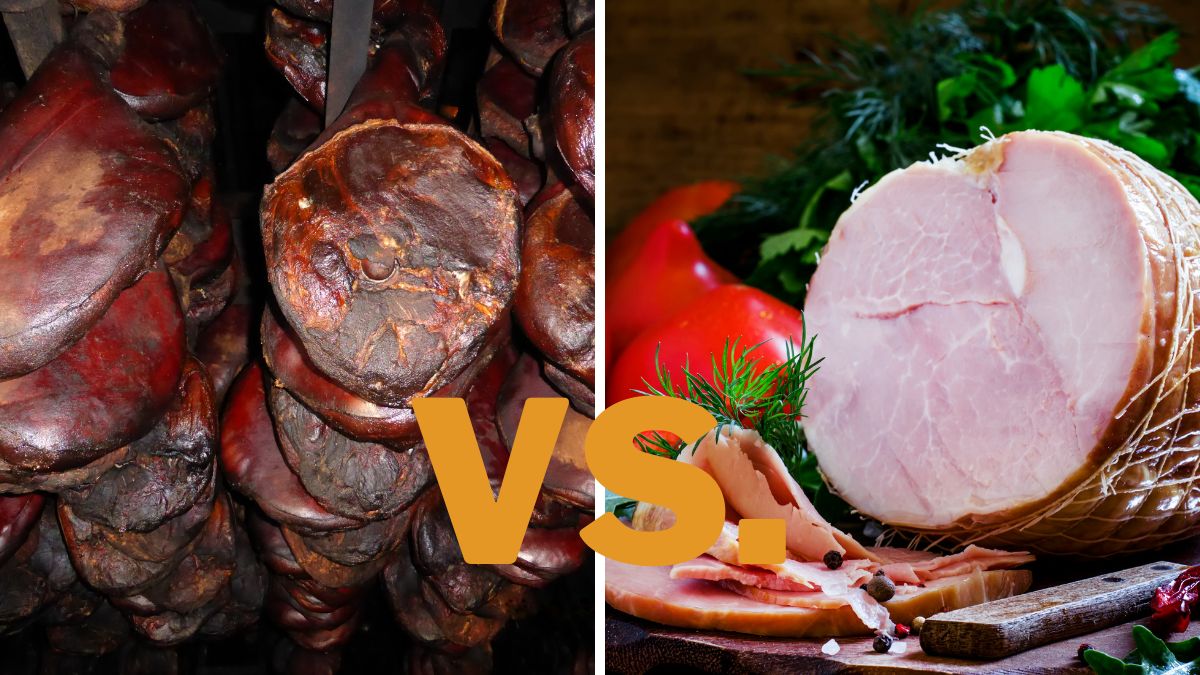
Traditionally, “cured” ham refers to pork that has been preserved using salts (primarily sodium nitrite or potassium nitrite) and often sugar, spices, and sometimes nitrates, which prevent bacterial growth and develop its characteristic flavor and pink color. This process has been a culinary staple for centuries, rooted in necessity before refrigeration, and perfected over generations into a craft. For brands, traditional curing offers a powerful narrative of heritage, authenticity, and time-honored techniques.
Brands that emphasize their traditionally cured ham often lean into a legacy brand story. Their marketing highlights the “old-world” methods, the expertise of their artisans, and the consistent, robust flavor profile that generations of consumers have come to expect. This approach targets consumers who value tradition, reliability, and a classic taste experience. The presence of nitrites and nitrates, while sometimes a point of consumer concern, is defended by these brands as essential to the product’s identity, safety, and unique sensory attributes, positioning them as guardians of a culinary heritage. The packaging might feature rustic imagery, historical motifs, or claims of being “original recipe” or “farmhouse style,” reinforcing a sense of timeless quality and trustworthiness.
“Uncured”: A Modern Branding Innovation
The term “uncured” ham is, paradoxically, a modern marketing construct. Technically, “uncured” ham is cured, but not with synthetic sodium nitrite/nitrate directly. Instead, it uses natural sources of nitrites, such as celery powder or other vegetable extracts, which are naturally rich in nitrates. These nitrates are then converted into nitrites by bacterial action during the curing process, performing the same preservation and coloring functions as synthetic nitrites. The key branding distinction lies in the source and the consumer perception it creates.
“Uncured” represents a strategic response to evolving consumer preferences, particularly the growing demand for “natural” foods and a perceived avoidance of synthetic additives. Brands marketing “uncured” ham position themselves as innovators, offering a product that aligns with a more health-conscious and transparent food ethos. This category taps into a desire for simplicity and ingredients that sound more familiar and less “chemical.” The branding strategy for “uncured” products often highlights claims like “no added nitrates or nitrites,” “all natural,” or “minimally processed,” even though the underlying chemistry of preservation is remarkably similar. This segmentation allows brands to capture a distinct market share of consumers who actively seek out products perceived to be cleaner and closer to nature.
Crafting Brand Narratives: Marketing the Distinction
The narratives surrounding cured and uncured ham are carefully constructed to resonate with specific consumer psychographics, influencing purchasing decisions far beyond the product’s taste or texture.
The “Traditional” and “Authentic” Appeal of Cured Ham
For cured ham, the brand narrative often centers on an appeal to established culinary traditions and uncompromised flavor. Marketing campaigns might showcase ham as the centerpiece of holiday feasts, family gatherings, or regional delicacies, reinforcing its role as a beloved, classic food item. Brands leverage the deep cultural roots of curing, associating their products with heritage, craftsmanship, and the “real” taste of ham. This branding strategy often emphasizes the sensory experience: the rich, salty flavor, the distinctive pink hue, and the firm texture that traditional curing imparts. Companies might use taglines that speak to “time-tested recipes” or “authentic flavor,” aiming to evoke nostalgia and trust in a product that has stood the test of time. The target audience for this narrative values consistency, tradition, and an unwavering commitment to established quality standards, often less concerned with the source of curing agents than with the final product’s expected characteristics.
The “Natural” and “Health-Conscious” Messaging for Uncured Ham
Conversely, the “uncured” ham narrative is built around health, naturalness, and transparency. Brands strategically use terms like “nitrite-free,” “no artificial ingredients,” and “made with natural spices” to appeal to consumers who prioritize clean eating and ingredient scrutiny. The messaging often frames “uncured” ham as a healthier alternative, even though the scientific difference in nitrite content between naturally occurring and synthetically added sources might be negligible in the final product. The power lies in the perception. Brands capitalize on the consumer’s desire for products that appear less processed and closer to their original form.
Marketing visuals for uncured ham often feature fresh, vibrant imagery, perhaps showing ingredients like celery in their natural state or pigs in idyllic pastures, even if such imagery is not directly linked to the specific production method of the ham itself. The goal is to convey a holistic sense of wellness and purity. This approach strongly targets millennial consumers, health enthusiasts, and families who are increasingly scrutinizing food labels and opting for products with shorter, more recognizable ingredient lists. For these consumers, the brand’s commitment to “natural” labeling translates directly into trust and perceived superior quality, justifying a potentially higher price point.
Navigating Consumer Perceptions and Misconceptions
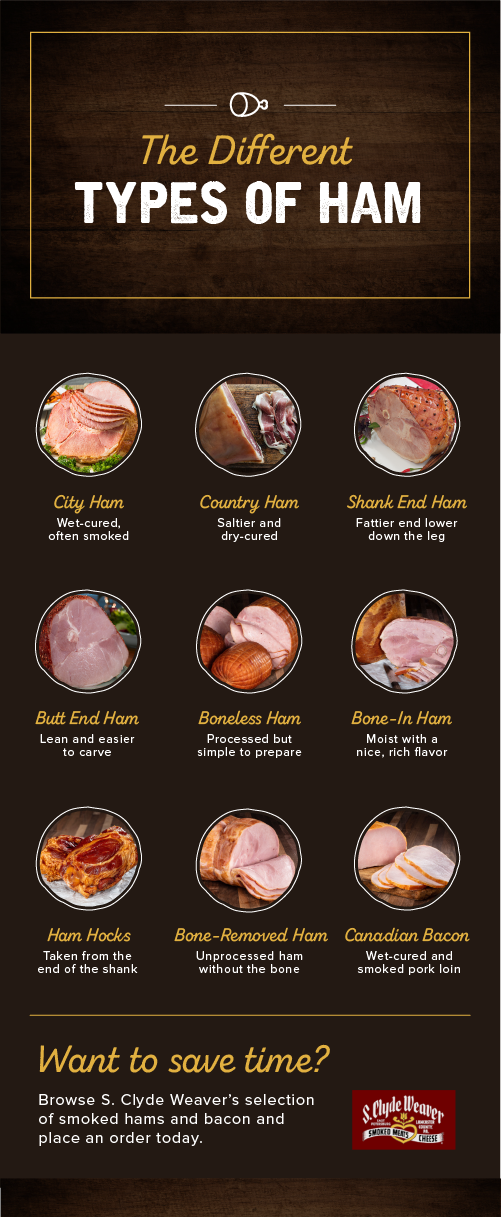
One of the greatest challenges and opportunities for brands in this space is managing consumer perceptions and widespread misconceptions. The terms “cured” and “uncured” can be confusing, and many consumers mistakenly believe “uncured” means no nitrites at all, which is not true. This confusion presents both a risk and an opportunity.
Brands marketing cured ham must defend their traditional methods and educate consumers about the safety and necessity of nitrites for flavor and preservation, without sounding defensive. They often highlight the rigorous regulatory standards and the historical safety record of their products. On the other hand, brands selling “uncured” ham walk a fine line, aiming to leverage the “natural” appeal without explicitly making false claims about the absence of nitrites. Their marketing often focuses on the source of the nitrites (“vegetable-based”) rather than their total absence, subtly reinforcing the natural perception. Effective brand communication in this area requires clarity, transparency, and a deep understanding of the target audience’s information needs and sensitivities. Mismanaging these perceptions can lead to consumer distrust or accusations of deceptive marketing.
Market Positioning and Corporate Identity
The choice to produce and market cured or uncured ham significantly impacts a company’s overall market positioning and corporate identity, shaping its brand architecture and competitive strategy.
Differentiating Product Lines and Target Audiences
Brands often use the cured/uncured distinction to segment their product lines and appeal to diverse target audiences. A single company might offer both traditionally cured ham and an “uncured” line to capture a broader market. This strategy allows the brand to maintain its heritage appeal with one line while simultaneously innovating and reaching new, health-conscious demographics with another. The “uncured” line can be positioned as a premium offering, justifying higher price points due to its perceived naturalness and alignment with current food trends. This dual approach helps companies solidify their corporate identity as both traditional and forward-thinking, catering to the full spectrum of consumer demand. For example, a legacy meat packer might launch a distinct sub-brand or product line under an “Artisan Naturals” or “Farm Fresh” moniker specifically for its uncured offerings, thereby signaling a new identity for that particular product without diluting the core brand’s established identity.
Impact on Brand Trust and Transparency
In an era where consumers demand greater transparency from food producers, how brands communicate their curing methods directly impacts brand trust. Companies that clearly explain their processes, whether traditional or “natural,” and address ingredient concerns openly, tend to foster greater consumer loyalty. For cured ham brands, this means being upfront about sodium nitrite and its role. For uncured brands, it means being clear that nitrites are present from natural sources. Brands that are perceived as obfuscating or misleading consumers about the “natural” aspect of uncured products risk significant reputational damage. Building a strong corporate identity around integrity and clear labeling is crucial, as consumers are increasingly wary of “greenwashing” or deceptive health claims. Trust is hard-won and easily lost, especially in a market with such nuanced distinctions.
Competitive Landscape and Brand Loyalty
The cured vs. uncured debate also shapes the competitive landscape. Smaller, artisanal brands might carve out a niche by specializing in “natural” or “heritage” uncured hams, positioning themselves against larger, more conventional cured ham producers. Conversely, established brands with strong recognition in the cured segment leverage their long-standing reputation for quality and consistent flavor to maintain market share. Brand loyalty often forms around the specific characteristics each curing method imparts. Consumers loyal to traditionally cured ham value its distinctive taste and proven quality, making them less likely to switch to “uncured” alternatives unless there’s a compelling health-driven reason. Similarly, consumers committed to “natural” products will actively seek out “uncured” options, creating a distinct loyal segment. Understanding these loyalties and the motivations behind them is key for brands looking to expand or defend their market positions.
Design and Packaging: Visualizing Brand Differences
Packaging and label design are critical touchpoints where brands communicate the cured/uncured distinction, translating technical differences into visual cues that guide consumer choice and reinforce brand identity.
Visual Cues for “Traditional” vs. “Natural”
The visual aesthetics of ham packaging are meticulously crafted to align with the brand narrative of either traditional cured or “natural” uncured products. For traditionally cured ham, packaging often employs classic designs, perhaps featuring deep reds, golds, or earth tones, along with imagery of farms, rustic settings, or historical elements. Typography might be more classical or robust, evoking a sense of heritage and enduring quality. These visual cues reinforce the brand’s legacy and appeal to consumers who associate these aesthetics with authenticity and proven value.
“Uncured” ham packaging, on the other hand, frequently adopts a lighter, cleaner aesthetic. Whites, greens, and blues are common, suggesting freshness and purity. Imagery often features natural elements like leaves, clear skies, or simple illustrations of the animal, emphasizing organic origins or a less-processed feel. Typography tends to be modern, often sans-serif, communicating clarity and a contemporary approach to food. The use of transparency in packaging might also be employed to allow consumers to see the product, further enhancing the perception of naturalness and honesty. These design choices are not arbitrary; they are strategic decisions aimed at instantly communicating the brand’s values and product attributes to a target consumer who makes quick decisions in a crowded grocery aisle.
Labeling Regulations and Brand Messaging
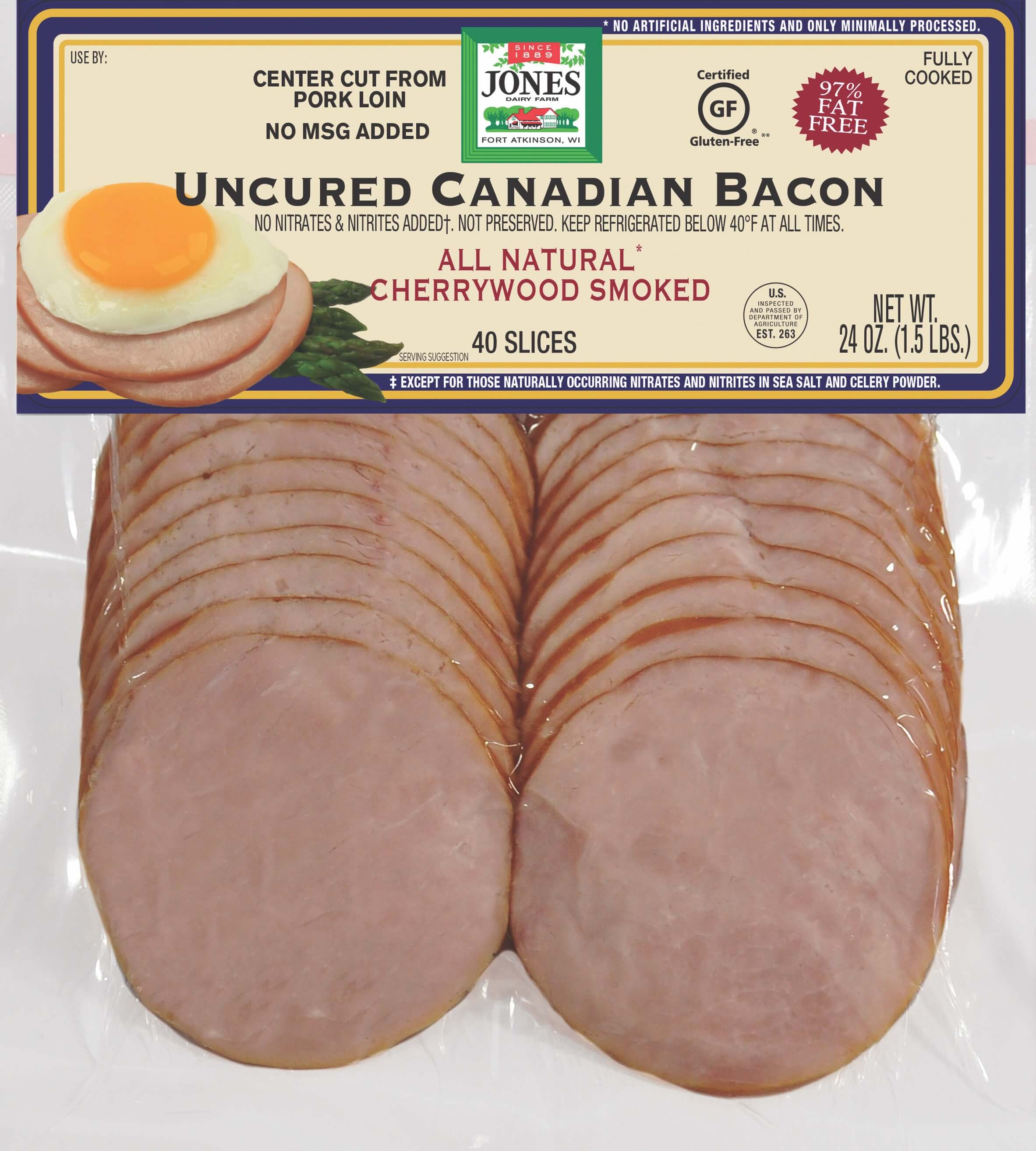
Labeling regulations play a significant role in how brands communicate the cured/uncured difference. In many regions, products cured without synthetic nitrites must still be labeled as “uncured” and include a statement like “no nitrates or nitrites added except for those naturally occurring in celery powder,” to avoid misleading consumers. This regulatory requirement itself becomes a part of the brand message. How brands integrate this mandatory text into their overall design and narrative is crucial. Some brands might highlight the “no nitrates added” part prominently, while others might minimize it, depending on their specific marketing strategy and desired consumer perception. The precision of language on the label is a brand’s opportunity to build trust or, if handled poorly, to sow doubt. Brands must navigate these regulations not just for compliance, but as a fundamental aspect of their communication strategy, ensuring that the legal text supports, rather than detracts from, their desired brand image of tradition or naturalness.
aViewFromTheCave is a participant in the Amazon Services LLC Associates Program, an affiliate advertising program designed to provide a means for sites to earn advertising fees by advertising and linking to Amazon.com. Amazon, the Amazon logo, AmazonSupply, and the AmazonSupply logo are trademarks of Amazon.com, Inc. or its affiliates. As an Amazon Associate we earn affiliate commissions from qualifying purchases.