
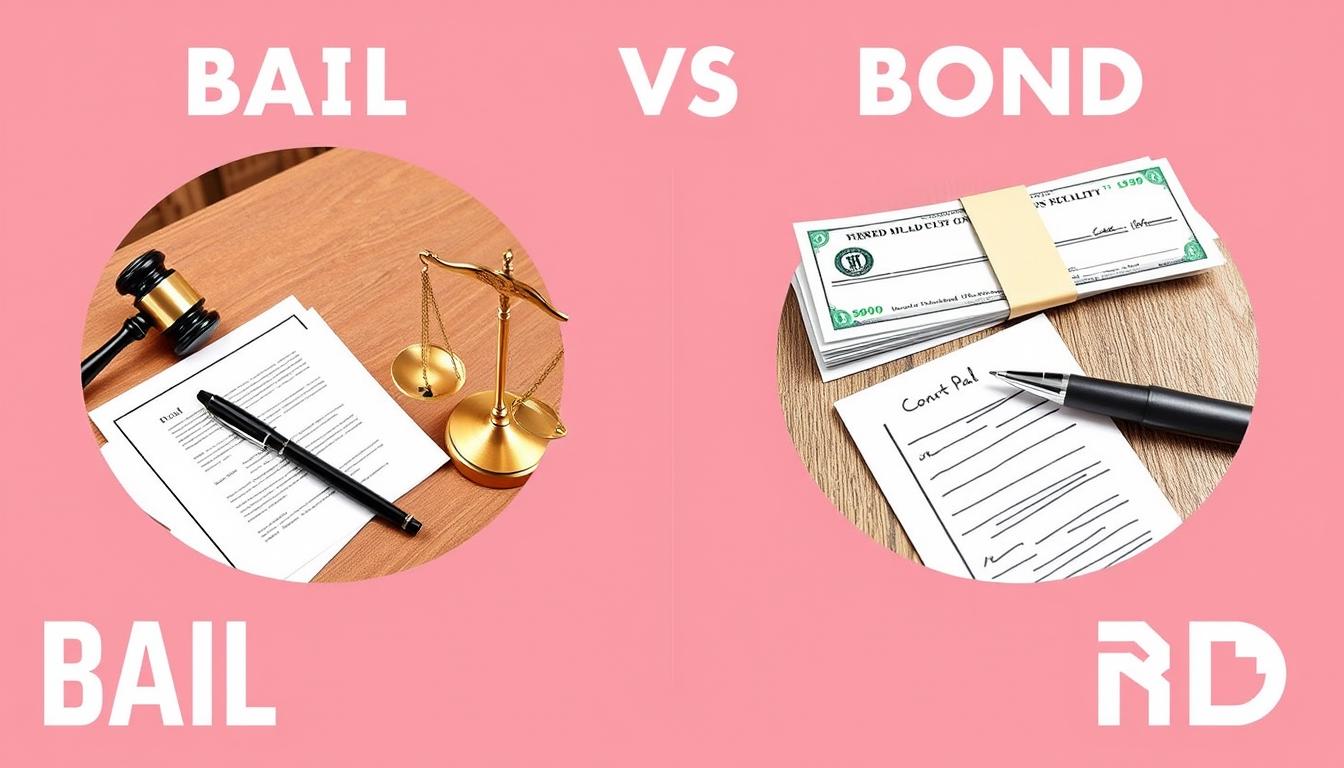
The terms “bond” and “bail” are frequently used interchangeably in common parlance, especially when discussing the legal system. However, in the realm of personal finance and legal proceedings, they represent distinct, though often related, financial concepts with different implications for individuals and their assets. Understanding this distinction is crucial for anyone navigating the legal system or seeking to comprehend the financial mechanisms involved.
Understanding Bail: The Core of Pre-Trial Release
Bail is fundamentally a financial arrangement designed to ensure that a defendant, released from custody before their trial, will appear in court for all scheduled proceedings. It acts as a financial incentive and a legal guarantee. When a person is arrested, a judge or magistrate typically sets a bail amount based on factors such as the severity of the alleged crime, the defendant’s criminal history, flight risk, and community ties. The purpose is not punitive but purely to secure future attendance in court.

The Purpose and Process of Bail
The primary objective of bail is to balance an individual’s right to freedom before conviction with the state’s interest in ensuring justice is served. If a defendant appears for all court dates, the bail money or collateral is typically returned at the conclusion of the case. Failure to appear (FTA), however, results in the forfeiture of the bail amount and often leads to an arrest warrant being issued. This system places a direct financial responsibility on the defendant or those acting on their behalf. The amount of bail can vary widely, from a few hundred dollars for minor offenses to millions for severe felonies, reflecting the perceived flight risk and potential societal danger.
Types of Bail Arrangements
Several mechanisms exist for securing a defendant’s release through bail, each with distinct financial implications:
- Cash Bail: This is the most straightforward form. The full bail amount is paid directly to the court, typically by the defendant or a family member. If all court appearances are met, the full amount is refunded at the end of the case, minus any administrative fees or fines. This option requires significant immediate liquidity, making it inaccessible for many individuals.
- Surety Bond (Bail Bond): This is where the concept of “bond” most directly intersects with “bail.” A surety bond involves a third-party company, a bail bondsman, who guarantees the defendant’s appearance in court. The defendant or their family pays a non-refundable premium (usually 10-15% of the total bail amount) to the bail bondsman. In exchange, the bondsman posts the full bail amount with the court. This arrangement makes release more financially accessible for those who cannot afford the full cash bail.
- Recognizance Release (OR Release): In some cases, for minor offenses or defendants deemed a low flight risk with strong community ties, a judge may release them on their “Own Recognizance” (OR). This means no money changes hands; the defendant simply promises to appear in court. While not a financial transaction, it is a form of pre-trial release often considered by the court.
- Property Bond: Less common, a property bond involves using real estate (such as a house) as collateral for the bail amount. If the defendant fails to appear, the court can initiate proceedings to seize and sell the property to recover the bail amount. This option carries significant financial risk and complex legal processes.
Deconstructing “Bond”: From Legal Guarantees to Investment Vehicles
The term “bond” is broader and encompasses several distinct financial instruments and legal guarantees. Its meaning depends heavily on the context in which it is used. When paired with “bail,” it most often refers to a “bail bond” or “surety bond,” but it is crucial to recognize its other significant applications in the financial world.
The Bail Bond: A Specific Financial Guarantee
As previously discussed, a bail bond is a financial instrument provided by a surety company through a bail bondsman. It acts as a contractual promise to the court that the defendant will appear for all required court dates.
How Bail Bonds Work
When a defendant uses a bail bond, they enter into a contract with a bail bondsman. The bondsman charges a non-refundable fee, typically a percentage of the total bail amount (e.g., 10-15%). In addition, the bondsman may require collateral (such as property, vehicles, or valuable assets) from the defendant or their indemnitor (a co-signer who guarantees the bond). If the defendant fails to appear in court, the bail bondsman is financially liable for the full bail amount to the court. To mitigate their losses, the bondsman then has the right to pursue the defendant and/or seize the collateral. This mechanism transforms the court’s financial risk into a business risk for the bail bond company, which is compensated by the premium.
The Role of the Bail Bondsman
Bail bondsmen act as intermediaries, providing a crucial financial service for those unable to post full cash bail. They assume the financial risk of the defendant’s non-appearance in exchange for their fee. Beyond the financial transaction, bondsmen often play an active role in tracking defendants and ensuring their court appearances, sometimes employing skip tracers if a defendant absconds. This operational aspect underscores the financial commitment and risk management inherent in their business model.
Costs and Collateral
The cost of a bail bond is the non-refundable premium, a direct financial outlay that is not returned regardless of the case outcome. Collateral, if required, represents an asset that is put at risk. The financial implications extend beyond the initial premium; if the defendant misses court, the bondsman can initiate collection actions, potentially leading to the loss of collateral, legal fees, and further financial distress for the defendant or their indemnitors.
Investment Bonds: A Separate Financial Instrument
Beyond the legal context of bail, the term “bond” is most commonly encountered in the financial markets as a debt security. This usage is entirely separate from bail bonds and represents a significant asset class for investors.
Debt Securities Explained
An investment bond is essentially a loan made by an investor to a borrower, which can be a corporation, a government, or a municipality. When you buy a bond, you are lending money to the issuer for a defined period (maturity date) at a specified interest rate (coupon rate). In return, the issuer promises to pay you back your principal investment at maturity and typically makes regular interest payments along the way. These bonds are financial instruments traded on markets and represent a contractual obligation for the issuer to pay interest and repay the principal.
Types of Investment Bonds
- Government Bonds: Issued by national governments (e.g., U.S. Treasury bonds), generally considered low-risk investments.
- Corporate Bonds: Issued by companies to raise capital for business expansion, operations, or acquisitions. These carry varying levels of risk depending on the issuer’s financial health.
- Municipal Bonds (Munis): Issued by states, cities, and counties to finance public projects (e.g., infrastructure, schools). Interest earned on municipal bonds is often exempt from federal, and sometimes state and local, taxes.
The distinction here is paramount: investment bonds are financial tools for saving and investing, aimed at generating income and preserving capital, whereas bail bonds are financial instruments used in the criminal justice system to secure a defendant’s court appearance.
Other Contexts of Bonds
The term “bond” also appears in other financial and legal contexts, further illustrating its varied applications:
- Performance Bonds: Guarantees that a contractor will complete a project according to contract terms.
- Fidelity Bonds: Protect employers against losses caused by dishonest employees.
- Surety Bonds (general): A broad category of bonds that guarantee the performance of an obligation, covering everything from construction projects to licenses and permits.
In all these instances, a “bond” represents a financial guarantee or a contractual obligation, often involving a third-party surety company that provides the guarantee in exchange for a premium.
Key Distinctions: Bail as a Concept, Bond as a Mechanism
The fundamental difference lies in their nature and purpose within the financial and legal landscape.
Purpose and Parties Involved
- Bail: The concept of pre-trial release secured by a financial guarantee. Its purpose is to ensure court appearance. The primary parties are the defendant and the court.
- Bond: Can be a mechanism or an instrument. In the context of “bail bond,” it’s a financial instrument (a contract of guarantee) provided by a third party (the bail bondsman/surety company) to the court on behalf of the defendant. When referring to “investment bonds,” it’s a debt security used for capital raising and investment between an issuer and an investor.
Financial Implications and Risk
- Bail (Cash): Requires full financial outlay upfront; the money is held by the court and returned if conditions are met. The financial risk is tied to the defendant’s compliance.
- Bail Bond: Requires a non-refundable premium; the remaining risk is transferred to the bail bondsman, who may require collateral. The financial cost (premium) is sunk, and collateral is at risk if conditions are not met.
- Investment Bond: Represents a loan from an investor to an issuer. The financial implications are income generation (interest) and capital preservation, with risks related to the issuer’s creditworthiness and market interest rate fluctuations.
Legal vs. Investment Realms
- Bail and Bail Bonds: Primarily operate within the criminal justice system, focusing on legal compliance and ensuring due process. Their financial aspect is a means to achieve a legal end.
- Investment Bonds: Exclusively belong to the financial markets, serving as tools for investment, capital formation, and portfolio diversification. Their purpose is economic and financial return.
Navigating the Financial and Legal Landscape
Understanding the nuances of bail and the different types of bonds is essential for making informed financial and legal decisions. Whether one is facing a legal situation or managing investments, clarity on these terms can prevent costly misunderstandings.
Deciding on the Right Pre-Trial Release Option
When bail is set, individuals must assess their financial capacity to choose the most appropriate release option. Paying cash bail offers a full refund potential but demands significant upfront capital. A bail bond makes release more accessible through a premium payment, but that payment is non-refundable, and collateral might be at stake. Understanding these financial trade-offs is crucial.
Financial Responsibility and Consequences
In the case of bail bonds, the financial responsibility extends beyond the defendant to anyone who acts as an indemnitor or provides collateral. A defendant’s failure to appear can lead to the loss of assets for these individuals, highlighting the importance of fully grasping the financial commitments before signing any bond agreement. Similarly, a thorough understanding of investment bonds is critical for managing personal wealth, assessing risk, and achieving financial goals within the capital markets.

The Broader Economic Impact of Bail and Bonds
Beyond individual cases, the bail system and the bail bond industry have significant economic and social impacts. They influence court backlogs, incarceration rates for those who cannot afford bail, and generate substantial revenue for bail bond companies. Investment bonds, on the other hand, play a fundamental role in global finance, funding governments, corporations, and public projects, thereby contributing to economic growth and stability.
In summary, while both terms involve financial guarantees, “bail” is the mechanism for pre-trial release, while “bond” can refer to the specific financial instrument (a bail bond) used to secure that release, or to a completely separate class of investment securities. Distinguishing between these concepts is not merely semantic; it’s fundamental to understanding one’s rights, financial obligations, and investment opportunities.
aViewFromTheCave is a participant in the Amazon Services LLC Associates Program, an affiliate advertising program designed to provide a means for sites to earn advertising fees by advertising and linking to Amazon.com. Amazon, the Amazon logo, AmazonSupply, and the AmazonSupply logo are trademarks of Amazon.com, Inc. or its affiliates. As an Amazon Associate we earn affiliate commissions from qualifying purchases.