
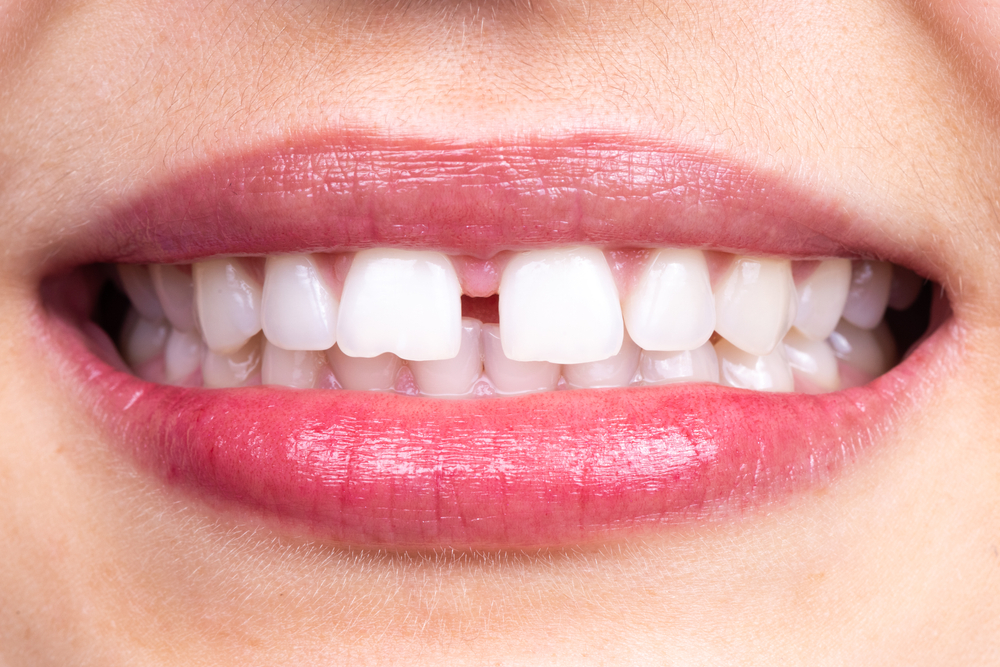
Diastema, often simply referred to as a “gap” between teeth, is a common dental characteristic that has intrigued patients and practitioners alike for centuries. While traditionally understood through direct observation and basic dental measurements, the modern era has revolutionized our approach to understanding, diagnosing, and treating diastema, primarily through the lens of advanced technology. Today, “what is diastema” transcends a purely anatomical definition, encompassing a sophisticated interplay with digital diagnostics, innovative treatment modalities, and AI-driven personalized care. This shift places diastema firmly within the realm of digital health, where technology not only defines its presence but also dictates its future management.
The Digital Revolution in Diastema Diagnosis
The journey to understanding and addressing diastema in the 21st century begins with precision diagnostics, heavily reliant on cutting-edge technology. Gone are the days when a simple visual inspection or a two-dimensional X-ray provided the full picture. Modern dental practices leverage an array of digital tools to capture, analyze, and interpret the intricate details of a patient’s oral anatomy, leading to a more accurate and comprehensive understanding of diastema’s etiology and potential impact.
Advanced Imaging and 3D Modeling
The cornerstone of contemporary diastema diagnosis is advanced imaging. Intraoral scanners, a staple in today’s technologically forward dental clinics, capture highly detailed 3D digital impressions of a patient’s teeth and gums. Unlike traditional putty impressions, these scanners create a precise digital model in minutes, offering unparalleled accuracy. This 3D data allows clinicians to measure the exact size and location of a diastema, assess surrounding tooth morphology, and identify any underlying skeletal or soft tissue discrepancies that might contribute to the gap.
Complementing intraoral scanners, cone-beam computed tomography (CBCT) provides a three-dimensional radiographic view of the entire maxillofacial region. While not always necessary for a simple diastema, CBCT can be invaluable in cases where the gap is linked to skeletal issues, missing teeth (agenesis), or impacted teeth that might be preventing adjacent teeth from closing. This technology offers cross-sectional images, revealing bone density, root positions, and even the presence of specific frenum attachments (like a prominent labial frenum), which are a common cause of midline diastema. The ability to manipulate these 3D models digitally allows for meticulous pre-treatment planning and patient education, as individuals can visualize their own anatomy with unprecedented clarity.
AI-Powered Assessment and Predictive Analytics
The sheer volume of data generated by advanced imaging technologies has paved the way for artificial intelligence (AI) to play a pivotal role in diastema assessment. AI algorithms, trained on vast datasets of dental scans and patient records, can now assist in identifying diastemas with high accuracy, often flagging subtle gaps that might be overlooked during a manual examination. Beyond simple identification, AI can analyze complex patterns in tooth alignment, jaw structure, and even growth trajectories to predict the likelihood of a diastema developing or worsening over time.
Predictive analytics, fueled by AI, offers a powerful tool for early intervention. For example, in pediatric dentistry, AI can assess a child’s dental development and flag potential diastema formation associated with mixed dentition or developing skeletal discrepancies. This allows orthodontists to intervene proactively, potentially reducing the complexity and duration of future treatments. Furthermore, AI can help categorize diastemas based on their characteristics (e.g., size, location, associated factors), enabling clinicians to select the most appropriate treatment protocol from a data-driven perspective, moving beyond standardized approaches to truly personalized care.
Technological Solutions for Diastema Correction
Once diagnosed with precision, the correction of diastema has also been significantly transformed by technology. The array of treatment options available today, from non-invasive aligners to highly customized restorative solutions, relies heavily on digital workflows, materials science, and advanced manufacturing. These technologies not only offer more effective and predictable outcomes but also enhance patient comfort and reduce treatment times.
Clear Aligner Therapy and Digital Orthodontics
Perhaps one of the most prominent technological advancements in diastema correction is clear aligner therapy. Systems like Invisalign utilize sophisticated 3D imaging and planning software to create a series of custom-made, transparent aligners that gradually shift teeth into their desired positions, effectively closing gaps. The entire treatment plan, from the initial digital impression to the final tooth position, is meticulously mapped out in a virtual environment. Patients can even visualize their potential “after” smile before treatment begins, a powerful tool for engagement and motivation.
Digital orthodontics extends beyond clear aligners to include custom-made brackets and wires designed through CAD/CAM (computer-aided design/computer-aided manufacturing) processes. Lingual braces, which are placed on the inside surface of the teeth, are often fabricated using advanced robotics and 3D printing, ensuring a precise fit and effective tooth movement specifically tailored to close diastemas while remaining virtually invisible. This level of customization, impossible without digital technology, translates to more efficient treatment and superior aesthetic results.
CAD/CAM for Restorative Solutions
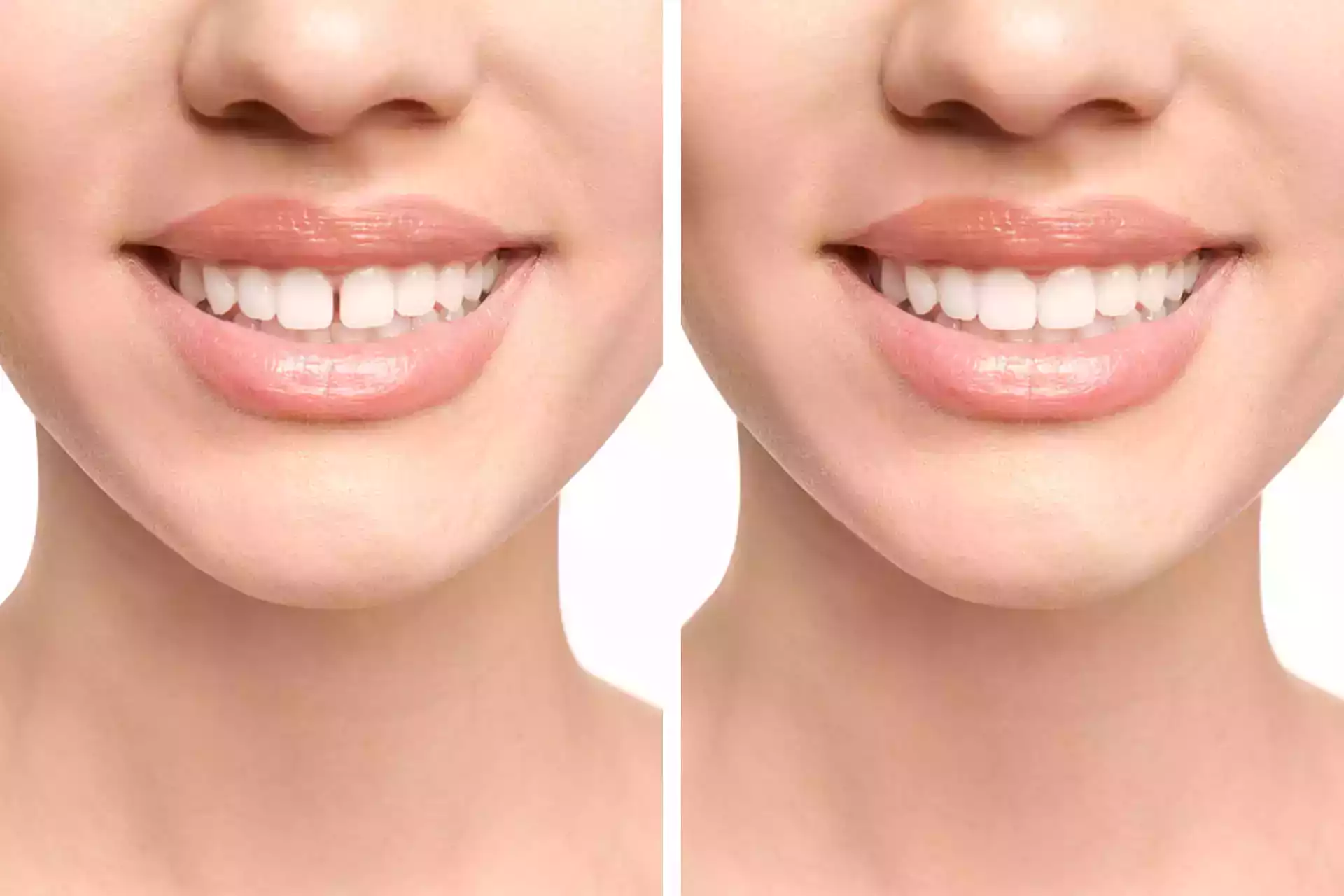
For diastemas that are effectively closed through orthodontic means, or for those where a quick, non-orthodontic aesthetic solution is preferred, restorative dentistry leverages CAD/CAM technology. Dental veneers and crowns, designed to perfectly match the natural teeth in shape, size, and color, can be milled in-office using highly precise robotic systems from blocks of porcelain or composite resin. This not only significantly reduces the number of patient visits but also ensures an exceptional level of accuracy and aesthetics.
Bonding, another common restorative solution for smaller diastemas, benefits from advancements in composite materials and light-curing technologies. These new generation materials offer enhanced strength, durability, and aesthetic integration, allowing for highly natural-looking gap closures that are seamlessly blended with existing tooth structure. The digital design of the final tooth form can even guide the application of bonding materials, ensuring a predictable and aesthetically pleasing outcome.
Monitoring and Maintenance through Digital Tools
The technological influence on diastema management doesn’t end with treatment; it extends into the crucial phases of monitoring and maintenance. Digital tools are empowering both patients and clinicians to track progress, ensure long-term stability, and provide convenient, accessible care.
Teledentistry and Remote Progress Tracking
Teledentistry platforms have emerged as a significant technological asset, particularly for patients undergoing orthodontic treatment for diastema closure. Many clear aligner systems now offer remote monitoring capabilities, where patients can use their smartphones to take pictures or videos of their teeth, which are then transmitted to their orthodontist. AI-powered software can analyze these images, identifying issues such as poor aligner fit, tracking errors, or potential complications. This reduces the need for frequent in-person appointments, offering greater convenience and efficiency, especially for patients in remote areas or those with busy schedules.
This remote tracking ensures that treatment stays on course and allows for timely interventions if necessary, preventing setbacks and optimizing the overall treatment duration. It fosters a more continuous and proactive approach to care, where minor deviations can be addressed before they become significant problems.
Oral Health Apps and Personalized Guidance
Beyond professional monitoring, a growing ecosystem of oral health apps empowers individuals to take a more active role in managing their dental health, including understanding and preventing recurrence of diastema. These apps can track brushing habits, remind users about aligner wear time, and even offer educational content related to oral hygiene and retainer compliance. Some advanced apps integrate with smart toothbrushes to provide real-time feedback on brushing technique, which can be crucial for maintaining gum health around newly positioned teeth.
Personalized guidance delivered through these apps, often incorporating AI-driven insights based on a user’s specific treatment plan and habits, helps reinforce post-treatment instructions. For example, reminders for nightly retainer wear, a critical factor in preventing orthodontic relapse and diastema re-opening, are invaluable tools for long-term stability. The integration of gamification elements within these apps further encourages consistent engagement and adherence to recommended protocols.

The Future of Diastema Management: Emerging Tech Trends
The trajectory of technological innovation suggests an even more integrated and sophisticated future for diastema management. Robotics, advanced biomaterials, and enhanced AI capabilities are poised to further refine how we approach this common dental characteristic.
Robotics in dentistry is advancing rapidly, with potential applications in performing highly precise, minimally invasive procedures for diastema correction, such as guided bonding or micro-surgical recontouring. These robotic systems, controlled by human operators, could offer unparalleled accuracy and consistency, minimizing patient discomfort and recovery times.
The development of new biomaterials, particularly those enhanced with nanotechnology, promises more durable, biocompatible, and aesthetically superior options for restorative solutions. Imagine composite resins that are self-healing or veneers that actively release beneficial minerals, extending the longevity and health benefits of diastema closures.
Further advancements in AI, especially in machine learning and deep learning, will lead to more sophisticated predictive models. AI could analyze not just current dental scans but also genetic predispositions, dietary habits, and systemic health indicators to offer truly holistic and preventative strategies for diastema management, far beyond what is currently possible. The integration of augmented reality (AR) and virtual reality (VR) will also likely enhance patient education and treatment planning, allowing for immersive experiences that clearly illustrate treatment outcomes and options.
In essence, “what is diastema” is increasingly defined by the technological solutions and insights that enable its accurate diagnosis, effective treatment, and sustained management. As technology continues its relentless march forward, the approach to diastema will become even more precise, personalized, and seamlessly integrated into the broader landscape of digital health.
aViewFromTheCave is a participant in the Amazon Services LLC Associates Program, an affiliate advertising program designed to provide a means for sites to earn advertising fees by advertising and linking to Amazon.com. Amazon, the Amazon logo, AmazonSupply, and the AmazonSupply logo are trademarks of Amazon.com, Inc. or its affiliates. As an Amazon Associate we earn affiliate commissions from qualifying purchases.