
In the rapidly evolving landscape of modern medicine, the role of the diagnostic radiologist has undergone a profound digital transformation. Often described as the “doctor’s doctor,” a diagnostic radiologist is a specialized physician who interprets medical images to diagnose, monitor, and treat various conditions. However, in the context of the 21st-century technological boom, this definition is expanding. Today, a diagnostic radiologist is as much a data scientist and a high-tech interface specialist as they are a clinical expert. They stand at the intersection of human anatomy and sophisticated software, utilizing some of the most advanced computational tools available to peer inside the human body without making a single incision.
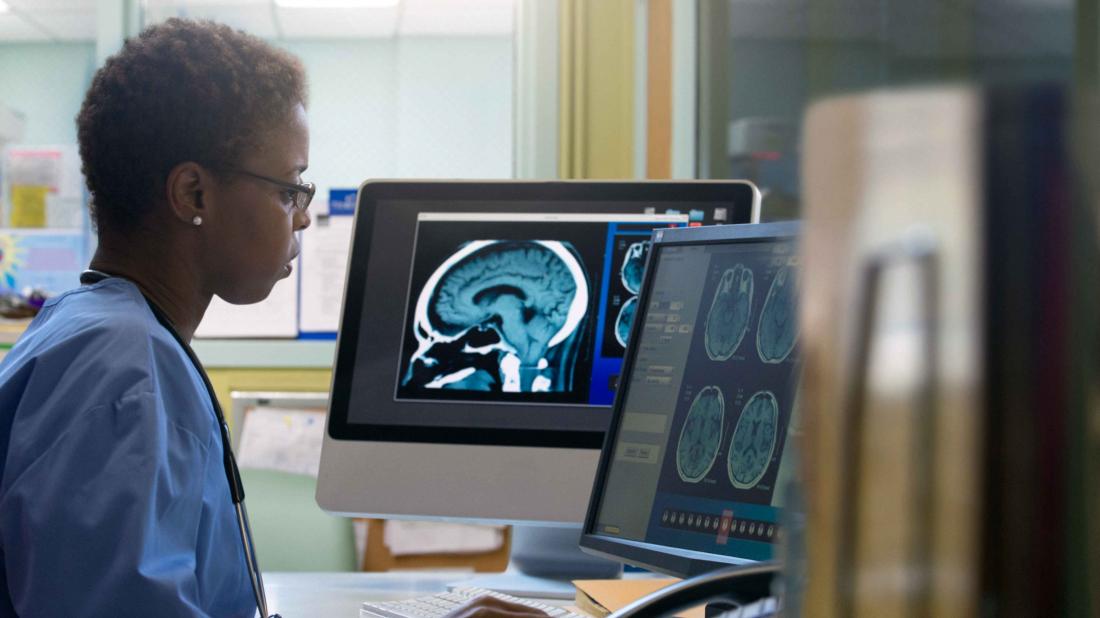
As healthcare moves toward a more data-centric model, the diagnostic radiologist has become the gatekeeper of clinical intelligence. They are the primary users of cutting-edge imaging modalities, from high-field MRI to spectral CT scanners, and are increasingly the early adopters of artificial intelligence (AI) in clinical practice. To understand what a diagnostic radiologist is today, one must look through the lens of technology.
The Evolution of Diagnostic Imaging Technology
The history of radiology began with the accidental discovery of X-rays, but the modern diagnostic radiologist operates in a world that is entirely digital. The transition from analog film to digital pixels was the first major technological leap that redefined the profession, turning the radiology department into the digital hub of the hospital.
From Film to Pixels: The Digital Transformation
Gone are the days of physical film and lightboxes. Today, diagnostic radiologists utilize Picture Archiving and Communication Systems (PACS) to manage and view images. This software-driven environment allows for the instant transmission of massive data files across global networks. A diagnostic radiologist in London can interpret an urgent scan from a rural clinic in real-time, thanks to high-speed data architecture. This shift has not only improved the speed of diagnosis but has also allowed for advanced image manipulation—such as 3D reconstruction and multi-planar reformatting—that was impossible with traditional film.
High-Resolution Imaging: MRI, CT, and PET-Scan Innovations
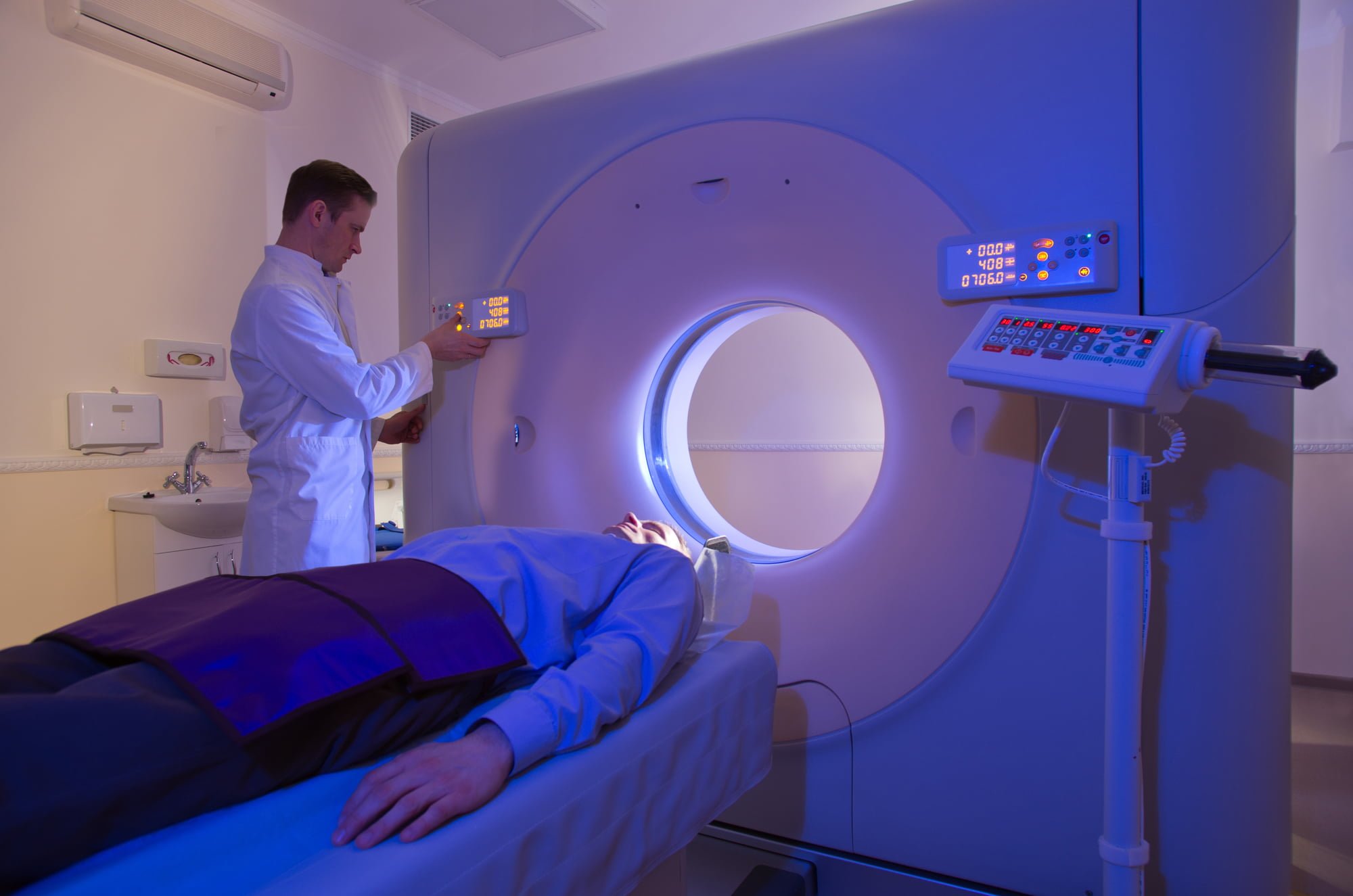
The hardware used by diagnostic radiologists continues to push the boundaries of physics. Modern CT (Computed Tomography) scanners can now capture hundreds of “slices” of the body in a single rotation, utilizing iterative reconstruction algorithms to produce crystal-clear images while minimizing radiation dose. Meanwhile, MRI (Magnetic Resonance Imaging) technology has moved toward higher Tesla strengths, allowing radiologists to visualize neural pathways and metabolic changes at a microscopic level. The diagnostic radiologist’s expertise lies in their ability to calibrate these technological parameters to capture the specific physiological data required for an accurate diagnosis.
The Role of Artificial Intelligence and Machine Learning
Perhaps the most significant technological shift in the field of diagnostic radiology is the integration of Artificial Intelligence (AI) and Machine Learning (ML). Rather than replacing the radiologist, these tools are acting as a “force multiplier,” enhancing the speed and accuracy of human interpretation.
AI as a Second Pair of Eyes: Enhancing Accuracy
Diagnostic radiologists are now utilizing AI-powered CAD (Computer-Aided Detection) software to identify subtle patterns that might be invisible to the human eye. For example, in mammography or lung cancer screening, AI algorithms can flag suspicious nodules or micro-calcifications, ensuring that the radiologist focuses their attention on high-risk areas. These neural networks are trained on millions of previous cases, allowing them to provide a statistical “second opinion” that significantly reduces the margin of error.
Predictive Analytics and Triage Algorithms
Beyond simple detection, tech-driven radiology departments are using AI for workflow optimization. Triage algorithms can automatically scan an incoming list of images (the “worklist”) and prioritize cases that show signs of life-threatening conditions, such as an intracranial hemorrhage or a pulmonary embolism. This ensures that the diagnostic radiologist sees the most critical cases first. By automating the “normal” scans, the technology allows the radiologist to dedicate more cognitive resources to complex, pathological cases, effectively leveraging software to save lives in time-sensitive environments.
The Infrastructure of Modern Radiology: Software and Security
Behind the high-resolution monitors sits a complex web of software and hardware infrastructure. A diagnostic radiologist does not work in a vacuum; they operate within a digital ecosystem that must be seamless, interoperable, and incredibly secure.
Interoperability and Cloud-Based Imaging
One of the primary challenges in modern radiology is data silos. Diagnostic radiologists now rely on sophisticated Radiology Information Systems (RIS) and Vendor Neutral Archives (VNA) to ensure that patient data flows smoothly between different departments and hospital systems. The move toward cloud-based imaging allows radiologists to access specialized toolsets from any terminal, facilitating collaboration between sub-specialists (such as neuroradiologists and musculoskeletal radiologists) who may be located miles apart. This connectivity is the backbone of tele-radiology, a tech-driven service model that provides 24/7 diagnostic coverage.
Cybersecurity in Medical Imaging Data
As medical images are among the most sensitive forms of personal data, the diagnostic radiologist is increasingly concerned with digital security. Imaging files (DICOM format) contain rich metadata that must be protected from breaches. Modern radiology departments implement end-to-end encryption and robust authentication protocols to protect their digital assets. For the diagnostic radiologist, understanding the basics of data privacy and the security protocols of their software suite is now a core competency, as a compromise in the digital chain can lead to diagnostic delays or patient privacy violations.
The Future of the Digital Radiologist
As we look toward the future, the definition of a diagnostic radiologist will continue to merge with that of a technologist. We are entering an era where the interpretation of an image is only the beginning of the diagnostic process.
VR and AR in Surgical Planning
Virtual Reality (VR) and Augmented Reality (AR) are the next frontiers for the diagnostic radiologist. By converting 2D scans into 3D holographic models, radiologists can provide surgeons with a “digital twin” of a patient’s anatomy. This allows for pre-surgical simulations in a virtual environment, reducing risks and improving outcomes. The radiologist acts as the architect of these models, using specialized software to segment organs, blood vessels, and tumors into interactive digital objects.
The Shift Toward Quantitative Imaging and Radiomics
We are moving away from purely qualitative descriptions (e.g., “the tumor looks larger”) toward quantitative data. Radiomics is an emerging field where diagnostic radiologists use software to extract a large number of features from medical images—features that are not perceivable by the human eye. These data points can be correlated with genetic profiles and clinical outcomes to provide personalized medicine. In this capacity, the diagnostic radiologist becomes a “data miner,” using high-performance computing to uncover the hidden signatures of disease within the pixels of a scan.
Conclusion: The Expert at the Center of the Machine
In summary, a diagnostic radiologist is a medical specialist who has mastered the art of seeing through technology. While their primary goal remains the diagnosis and treatment of disease, their daily reality is defined by software interfaces, algorithmic outputs, and digital infrastructure. They are the essential bridge between the raw data generated by advanced medical machinery and the clinical decisions made at the patient’s bedside.
As AI continues to mature and imaging hardware becomes even more sophisticated, the diagnostic radiologist will remain at the heart of the digital healthcare revolution. They are not merely passive observers of images; they are the expert pilots of a complex technological suite, ensuring that in the vast sea of digital medical data, the correct diagnosis is found, the right treatment is initiated, and the highest standard of patient care is maintained. For any tech enthusiast or healthcare professional, the field of diagnostic radiology stands as the ultimate case study in how technology can humanize medicine by providing deeper, more accurate insights into the human condition.
aViewFromTheCave is a participant in the Amazon Services LLC Associates Program, an affiliate advertising program designed to provide a means for sites to earn advertising fees by advertising and linking to Amazon.com. Amazon, the Amazon logo, AmazonSupply, and the AmazonSupply logo are trademarks of Amazon.com, Inc. or its affiliates. As an Amazon Associate we earn affiliate commissions from qualifying purchases.