
In the contemporary landscape of smart homes and precision kitchen gadgets, the coffee machine has evolved from a simple percolator into a sophisticated piece of fluid-dynamic engineering. Whether it is a high-end prosumer espresso machine or a sleek, software-integrated pod system, these devices rely on a complex interplay of thermal sensors, high-pressure pumps, and intricate heating elements. However, there is a persistent mechanical adversary that threatens the efficiency of this hardware: mineral accumulation.
Descaling is the essential maintenance protocol designed to remove “limescale”—a hard, chalky deposit consisting primarily of calcium carbonate. In the tech world, we understand that preventive maintenance is the key to hardware longevity. Just as one might clear a cache or update firmware to ensure optimal software performance, descaling is the “system cleanup” required to keep coffee hardware running at peak specifications. This guide explores the technical necessity of descaling, the chemistry of the process, and how modern sensor technology is changing the way we maintain our devices.

The Mechanics of Limescale: Why Your Hardware Faces a Silent Threat
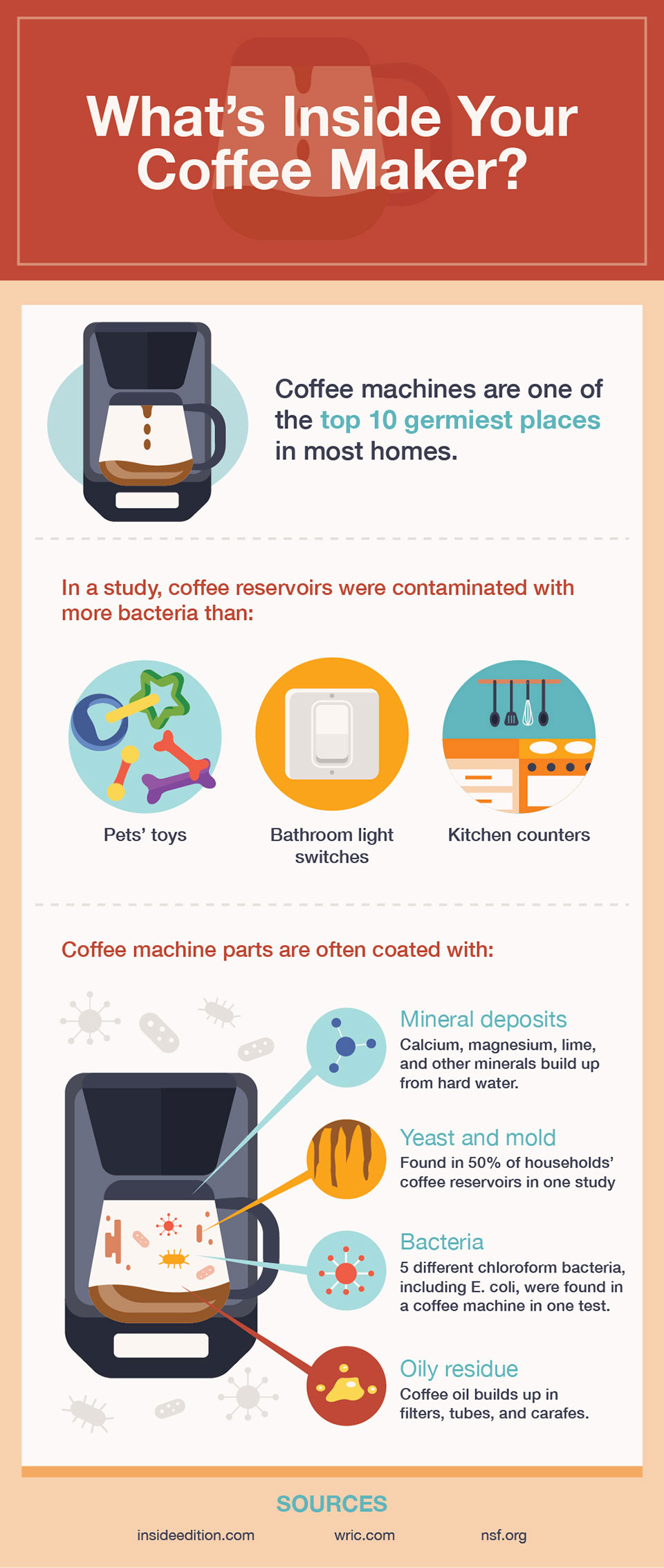
To understand descaling, one must first understand the vulnerability of the internal components. Most high-quality coffee machines utilize copper, brass, or stainless steel boilers and thermoblocks to heat water to precise temperatures (typically between 195°F and 205°F). When water is heated, the dissolved minerals—specifically calcium and magnesium ions—precipitate out of the liquid and bond to the internal surfaces of the heating element and the tubing.
The Chemistry of Calcification
Limescale acts as a thermal insulator. In the context of thermodynamics, this is a significant failure point. As a layer of scale builds up on a heating element, it creates a barrier between the heat source and the water. This forces the machine to run the heating element for longer durations and at higher temperatures to reach the target water heat, leading to “thermal fatigue” of the component. Over time, this inefficiency doesn’t just result in lukewarm coffee; it leads to the physical burnout of the heating coil.
Impact on Fluid Dynamics and Pressure
Precision coffee extraction, particularly in espresso machines, requires specific pressure levels (often 9 bars). Limescale does not just coat flat surfaces; it narrows the internal diameter of the tubing and the “group head” screens. This restriction in the fluid path creates back-pressure on the pump. In tech terms, this is akin to a bottleneck in a data pipe. The pump must work harder to push water through a narrowed opening, leading to increased mechanical wear and, eventually, total pump failure.
The Descaling Protocol: A Technical Tutorial for Hardware Maintenance
Descaling is more than just a cleaning task; it is a chemical restoration process. To perform it effectively, one must use a descaling agent that can break the ionic bonds of the calcium carbonate without corroding the metal or plastic components of the machine’s internal architecture.
Selecting the Right Descaling Agent
While DIY solutions like vinegar (acetic acid) are often cited in amateur circles, they are generally discouraged for high-end hardware. Acetic acid is highly volatile and can leave a residual “flavor profile” that is nearly impossible to purge. Furthermore, it can be too aggressive on certain rubber seals.
Professional-grade descaling solutions typically utilize:
- Citric Acid: A mild, organic acid effective for light maintenance.
- Lactic Acid: Often used in premium machines as it is highly effective at dissolving scale while being gentle on the internal “O-rings” and gaskets.
- Sulfamic Acid: Found in heavy-duty commercial descalers for rapid removal of thick buildup.
Step-by-Step Execution
The process generally follows a specific technical workflow to ensure that the descaling agent reaches every part of the internal water path:
- Preparation: The water reservoir is emptied and filled with the descaling solution diluted to the manufacturer’s specified ratio.
- The Saturation Phase: The solution is pumped into the boiler and internal lines. The machine is then allowed to sit for 15–30 minutes. This allows the acid to chemically react with the calcium carbonate, turning it into a soluble salt that can be flushed away.
- The Purge Cycle: The remaining solution is pumped through the brew head and the steam wand. This clears the narrowed “ports” and valves.
- The Calibration Rinse: Two to three full reservoirs of fresh, filtered water are run through the machine to ensure zero chemical residue remains. This step is critical for maintaining the “purity of output” that high-end machines are designed for.
The Evolution of “Smart” Maintenance: Sensors and Integrated Software
We are currently seeing a shift toward “Smart Coffee” technology, where IoT (Internet of Things) integration allows machines to self-diagnose and alert users to maintenance needs. Modern machines have moved away from simple “timer-based” alerts to sophisticated sensor-driven data.
Flow Meter Technology
High-end machines now incorporate flow meters that track exactly how many milliliters of water have passed through the system. By combining this data with a user-inputted “water hardness” setting, the machine’s onboard microprocessor can calculate the precise moment when the mineral buildup is likely to begin impacting performance. This is a move toward “predictive maintenance,” a standard practice in industrial tech.
Integrated Descaling Software Cycles
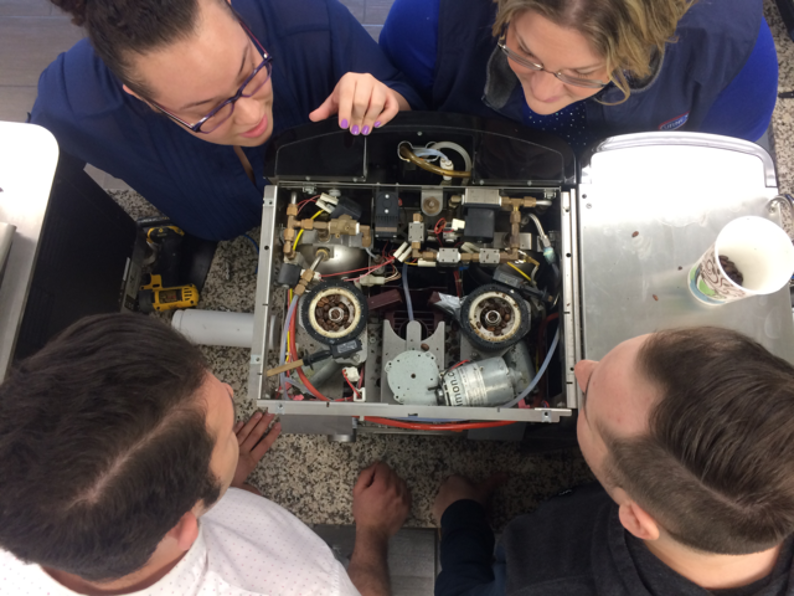
Many modern gadgets, such as those from Jura, Breville, or De’Longhi, feature automated descaling programs. Once the software triggers a maintenance alert, the user simply adds the agent and initiates the program. The machine then manages its own internal valves, pulsing the pump at specific intervals to maximize the chemical reaction time. This automation reduces human error and ensures that the solenoid valves (which control the flow of water and steam) are properly articulated and cleared of debris.
Hardness Testing and Firmware Customization
Most tech-forward coffee machines now include water hardness test strips in the box. The user tests their local tap water and enters the data into the machine’s interface. This adjusts the “maintenance interval” firmware. If the water is “soft” (low mineral content), the machine might allow 100 liters of throughput before an alert; if the water is “hard,” that interval may drop to 40 liters to protect the hardware.
Optimizing Performance and Longevity: The ROI of Proactive Hardware Care
In any technical ecosystem, the cost of maintenance is significantly lower than the cost of replacement. For a high-end coffee setup, which can range from $500 to $5,000, descaling represents the most cost-effective way to protect a significant gadget investment.
Preserving the Solenoid Valve
The solenoid valve is the “gatekeeper” of the coffee machine, using an electromagnetic plunger to direct water flow. Limescale is the primary cause of “sticky” valves. When scale prevents the plunger from sealing correctly, the machine will leak from the brew head or the steam wand, leading to a loss of pressure. Regular descaling keeps these mechanical interfaces smooth and responsive.
Enhancing Flavor Extraction through Temperature Stability
From a “quality of output” perspective, temperature stability is the most critical variable in coffee extraction. If a thermoblock is coated in scale, the water temperature will fluctuate wildly as the machine struggles to transfer heat. This leads to “under-extraction” (sour taste) or “over-extraction” (bitter taste). By maintaining a clean heating element, you ensure that the machine’s PID (Proportional-Integral-Derivative) controller can accurately modulate the temperature to within 0.1 degrees of the target.
Energy Efficiency and Sustainability
In an era where tech sustainability is a priority, descaling plays a role in reducing the carbon footprint of home appliances. A machine choked with scale requires significantly more electricity to heat water. By removing the insulating layer of minerals, the hardware operates at peak thermal efficiency, reducing energy consumption and extending the operational lifecycle of the device, thereby keeping it out of the e-waste stream for longer.
Conclusion: The Professional Approach to Coffee Tech
Descaling is not a chore; it is a vital technical procedure required to maintain the integrity of precision hardware. As our coffee machines become more integrated with sensors and software, understanding the mechanical realities of their operation becomes even more important. By treating your coffee machine as the sophisticated gadget it is—monitoring its mineral levels, using the correct chemical agents, and respecting its maintenance cycles—you ensure that your “hardware” continues to deliver the high-performance results it was engineered to provide. In the world of technology, clean systems are fast systems, and in the world of coffee, clean systems are the only way to achieve the perfect cup.
aViewFromTheCave is a participant in the Amazon Services LLC Associates Program, an affiliate advertising program designed to provide a means for sites to earn advertising fees by advertising and linking to Amazon.com. Amazon, the Amazon logo, AmazonSupply, and the AmazonSupply logo are trademarks of Amazon.com, Inc. or its affiliates. As an Amazon Associate we earn affiliate commissions from qualifying purchases.