
Dermaplaning, a sophisticated aesthetic procedure, has surged in popularity as a non-invasive method for achieving smoother, brighter, and more radiant skin. At its core, dermaplaning is a form of mechanical exfoliation that utilizes a specialized surgical scalpel to gently scrape away the outermost layer of dead skin cells and fine vellus hair, often referred to as “peach fuzz.” While the concept of manual exfoliation is ancient, the modern iteration of dermaplaning represents a precise and controlled application of technology to enhance skin health and appearance. This article delves into the technological underpinnings of dermaplaning, exploring its mechanics, the tools involved, its integration with other aesthetic technologies, and the future trajectory of this innovative facial treatment.
The Technology of Mechanical Exfoliation: How Dermaplaning Works
Dermaplaning is a testament to how refined tools and precise techniques can achieve significant dermatological outcomes. The fundamental technology at play is mechanical exfoliation, but the sophistication lies in the instrument and the controlled application.
The Scalpel: Precision Engineering for Skin Renewal
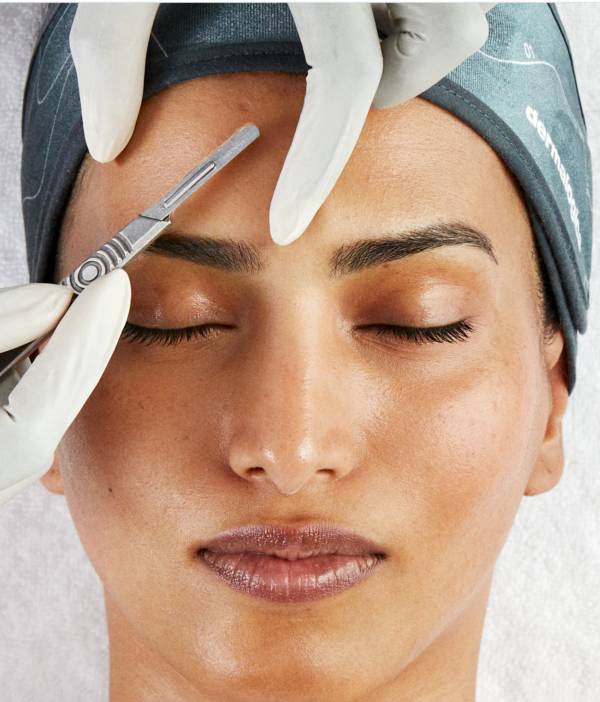
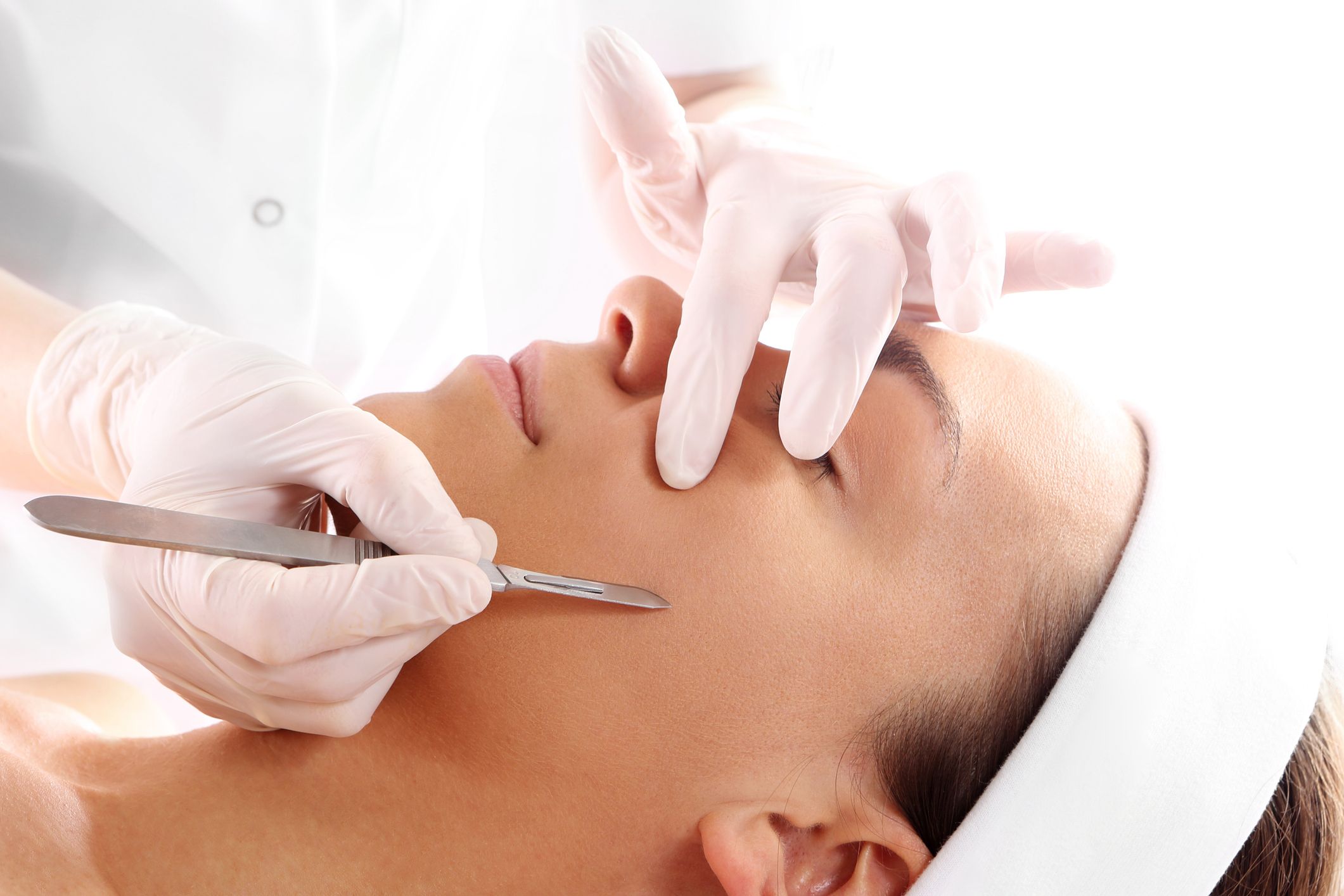
The primary tool in dermaplaning is a sterile, single-use surgical scalpel, typically a #10 blade. This isn’t a random sharp object; it’s a piece of precision-engineered medical equipment. The blade is designed with a specific curvature and sharpness to effectively and safely remove the stratum corneum, the outermost layer of the epidermis.
- Blade Design and Angle: The effectiveness of dermaplaning hinges on the precise angle at which the blade is held against the skin, typically around 45 degrees. This angle allows the blade to skim the surface, lifting away dead skin cells and vellus hair without causing nicks, cuts, or irritation. The engineering of the blade’s edge ensures it can efficiently ablate the superficial layer of the skin without digging into the dermis.
- Material Science: Modern surgical blades are crafted from high-grade stainless steel, ensuring durability, sharpness, and sterility. This material science aspect is crucial for patient safety and the efficacy of the treatment. The consistent sharpness of the blade minimizes friction and resistance, leading to a smoother and more comfortable experience for the client.
- Controlled Motion: The practitioner’s skill in manipulating the blade is paramount. This involves a consistent, firm, yet gentle pressure and a controlled sweeping motion across the skin. This technique, honed through training, leverages the physical properties of the blade to achieve the desired exfoliation. It’s a direct application of physics and biomechanics in a cosmetic setting.
The Exfoliation Process: A Controlled Ablation
Dermaplaning effectively “ablates” the top layer of the epidermis. This is a deliberate and controlled removal of cellular debris and unwanted hair.
- Cell Turnover Stimulation: By removing the stratum corneum, dermaplaning signals the skin to initiate its natural regenerative processes. The body responds by increasing cell turnover, producing fresh, new skin cells at a faster rate. This leads to a brighter complexion and can also help to soften the appearance of fine lines and wrinkles over time.
- Unclogging Pores: The accumulation of dead skin cells is a primary contributor to clogged pores and acne breakouts. Dermaplaning mechanically clears these cells, allowing for better product penetration and reducing the likelihood of blockages. This direct physical removal of cellular matter is a highly effective method for pore maintenance.
- Vellus Hair Removal (Varmint): The removal of vellus hair, while not the primary goal of exfoliation, is a significant cosmetic benefit. This fine, downy hair can trap oil and dirt, contributing to a dull complexion. Its removal provides an immediate smoothness and allows makeup to sit more evenly on the skin, a subtle but technologically driven enhancement to skin texture.
Integration with Advanced Aesthetic Technologies
Dermaplaning is rarely performed in isolation in modern aesthetic clinics. Its effectiveness is often amplified when integrated with other advanced technologies, creating synergistic treatment protocols.
Amplifying Product Penetration: A Foundation for Enhanced Therapies
One of the most significant technological advantages of dermaplaning is its ability to dramatically enhance the penetration of topical products. By removing the barrier of dead skin cells and vellus hair, active ingredients can reach deeper into the epidermis, where they can be most effective.

- Microcurrent and Electrical Stimulation: Following dermaplaning, treatments utilizing microcurrent or other forms of electrical stimulation can be particularly potent. These technologies use low-level electrical currents to stimulate facial muscles, improve circulation, and enhance cellular energy. With the skin prepped by dermaplaning, the electrical currents can potentially work more efficiently to deliver results.
- LED Light Therapy: Different wavelengths of LED light therapy target various skin concerns, such as acne, inflammation, and aging. After dermaplaning, the skin is more receptive to these light wavelengths, potentially leading to accelerated healing, reduced redness, and improved collagen production. The absence of the superficial barrier allows the light energy to penetrate more effectively.
- Ultrasound Treatments: Ultrasound technology uses sound waves to deliver serums and treatments deeper into the skin. Dermaplaning creates an ideal canvas for ultrasound, ensuring that potent active ingredients are delivered precisely where they can have the most impact. This combination leverages both mechanical and energy-based technologies for optimized results.
Synergistic Chemical and Mechanical Exfoliation
While dermaplaning is purely mechanical, its combination with chemical exfoliants creates a powerful duo, leveraging different technological approaches to skin resurfacing.
- Chemical Peels: Following a dermaplaning session, a light or medium-depth chemical peel can be applied. The dermaplaning removes the outermost layer, allowing the chemical peel solution to penetrate more evenly and effectively. This dual-action approach addresses concerns like hyperpigmentation, acne scarring, and fine lines more aggressively than either treatment alone. The precise control of mechanical exfoliation primes the skin for the chemical exfoliation.
- Enzyme Peels: Enzyme peels utilize biological catalysts to gently break down keratin proteins in the dead skin cells. Dermaplaning removes the bulk of the dead cells, making the enzyme peel more efficient in targeting residual cellular debris and refining the skin’s texture. This combination is ideal for sensitive skin types that may not tolerate stronger chemical peels.
The Evolution and Future of Dermaplaning Technology
Dermaplaning, as a procedure, is continuously evolving with advancements in tool design, technique, and integration with other technologies.
Innovations in Instrumentation
While the basic principle of using a blade remains, there are ongoing refinements in the design and materials of dermaplaning tools.
- Ergonomic Handle Designs: Manufacturers are developing more ergonomic handle designs for the scalpels to improve grip and control for practitioners, leading to safer and more precise treatments.
- Sterilization and Disposable Technologies: The emphasis on single-use, sterile blades highlights the integration of advanced sterilization technologies and material science in ensuring patient safety and preventing cross-contamination. This aligns with the broader trend in medical and aesthetic technology towards disposable, high-hygiene instruments.
- Potential for Electromechanical Augmentation: While currently a manual technique, future iterations could potentially explore electromechanical assistance for blade control or oscillation, allowing for even more precise and consistent exfoliation, though this remains speculative and would necessitate significant research and development in miniaturized robotics and control systems.
Expanding Applications and Treatment Protocols
The understanding of dermaplaning’s benefits is expanding, leading to more diverse applications and treatment protocols.
- Targeted Treatment for Specific Concerns: Beyond general exfoliation, dermaplaning is increasingly recognized for its efficacy in treating specific concerns like mild acne, post-inflammatory hyperpigmentation, and uneven skin texture. The precise removal of the stratum corneum can help in clearing pores and reducing the appearance of discoloration.
- At-Home Devices and Consumer Technology: While professional dermaplaning remains the gold standard for safety and efficacy, the consumer market is seeing the emergence of at-home devices that mimic certain aspects of dermaplaning. These often utilize oscillating blades or rotating abrasive surfaces. The technological development in these consumer-grade devices focuses on safety features and user-friendliness, aiming to replicate some benefits of professional treatments, though with inherent limitations in precision and depth control compared to surgical-grade tools.
- Data-Driven Skin Analysis Integration: In the future, dermaplaning could be further integrated with advanced skin analysis technologies. Imagine a system that uses AI-powered imaging to precisely map areas of dead skin cell build-up and vellus hair density, guiding the practitioner in real-time for a perfectly customized dermaplaning treatment. This would represent a significant leap in the technological precision of this procedure.
Conclusion: Dermaplaning as an Advanced Aesthetic Technology
Dermaplaning facial, far from being a simple scraping of the skin, is a sophisticated procedure grounded in precision engineering, controlled mechanical action, and strategic integration with other advanced aesthetic technologies. The surgical-grade scalpel, the controlled angle of application, and the subsequent enhancement of product penetration and treatment efficacy all highlight dermaplaning’s place within the realm of cutting-edge skincare technology. As the aesthetic industry continues to innovate, dermaplaning will undoubtedly evolve, offering even more refined and effective solutions for achieving healthy, radiant skin through the intelligent application of technological principles. It stands as a prime example of how thoughtful design and precise execution in tools and techniques can yield remarkable results in the pursuit of dermatological well-being and aesthetic enhancement.
aViewFromTheCave is a participant in the Amazon Services LLC Associates Program, an affiliate advertising program designed to provide a means for sites to earn advertising fees by advertising and linking to Amazon.com. Amazon, the Amazon logo, AmazonSupply, and the AmazonSupply logo are trademarks of Amazon.com, Inc. or its affiliates. As an Amazon Associate we earn affiliate commissions from qualifying purchases.