
In the vast and intricate landscape of molecular biology, the blueprint of life is encoded within DNA. This genetic instruction set, remarkably stable across generations, is nonetheless subject to occasional changes, known as mutations. Among these, deletion mutations represent a critical class of genetic alteration where a segment of DNA is lost or removed from the genome. While seemingly simple in concept—a “missing piece”—their implications are profound, ranging from harmless variations to devastating diseases, and their study is inextricably linked with the relentless advancement of biotechnology. This article delves into the nature of deletion mutations, emphasizing the sophisticated technological tools and methodologies that have revolutionized our ability to detect, understand, and even potentially mitigate their effects.
The Molecular Mechanics of Deletion Mutations
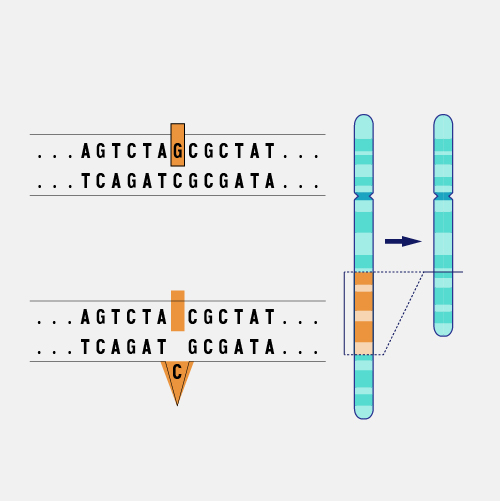
A deletion mutation occurs when one or more nucleotide base pairs are removed from a DNA sequence. This loss can vary dramatically in size, from a single nucleotide to an extensive segment encompassing multiple genes or even entire chromosomal regions. The precise location and size of a deletion are critical determinants of its potential impact on an organism’s phenotype. Understanding these molecular mechanics is foundational to genetic research and clinical diagnostics, areas heavily reliant on cutting-edge technological platforms.
Types of Deletions: From Single Nucleotides to Chromosomal Segments
Deletion mutations manifest across a spectrum of scales, each with distinct characteristics and diagnostic challenges.
-
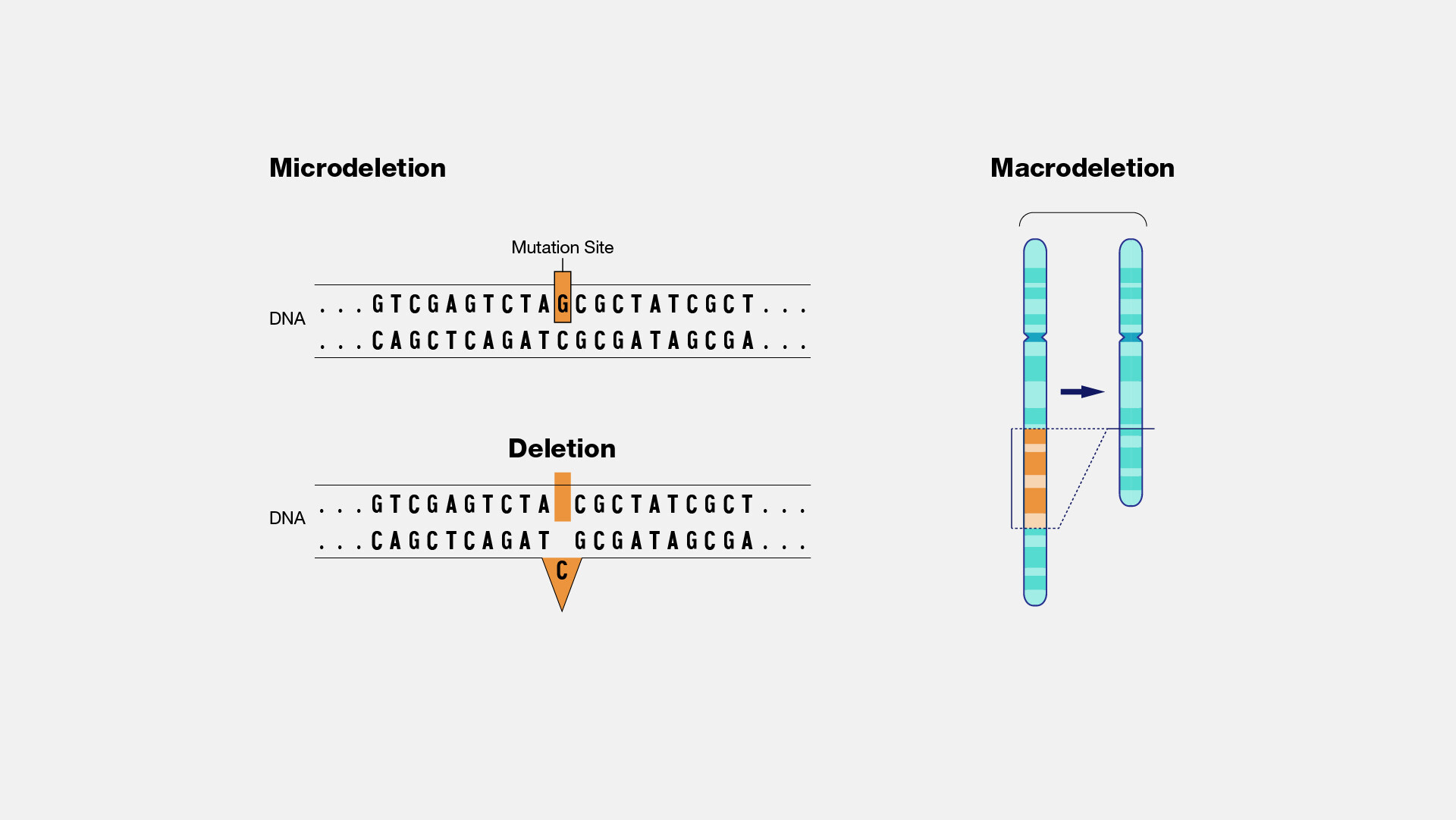
Single Base Pair Deletions: The simplest form, involving the removal of just one nucleotide (A, T, C, or G). These tiny changes can have significant consequences if they occur within a gene’s coding region, often leading to a frameshift mutation. A frameshift alters the reading frame of the genetic code, usually resulting in a completely different protein sequence downstream of the deletion, often premature termination, and a non-functional protein.
-
Oligonucleotide Deletions: Involve the loss of a small number of base pairs, typically between 2 and 20. Like single base pair deletions, these can also cause frameshifts if their length is not a multiple of three (the triplet codon size).
-
Exon Deletions: Exons are the coding segments of genes. The deletion of one or more exons can lead to a shorter protein, a protein with altered function, or even no protein product at all if the deletion disrupts the gene’s overall structure or splicing signals. Diseases like Duchenne muscular dystrophy are frequently caused by exon deletions in the dystrophin gene.
-
Gene Deletions: The complete loss of an entire gene. If the organism is diploid (has two copies of each gene), the remaining functional copy might compensate. However, if the deleted gene is essential or if the organism is homozygous for the deletion, it can lead to severe genetic disorders.
-
Microdeletions: These are submicroscopic deletions, typically ranging from a few kilobases (kb) to several megabases (Mb), that are too small to be detected by traditional cytogenetic methods but large enough to encompass multiple genes. Syndromes like DiGeorge syndrome (22q11.2 deletion) or Prader-Willi/Angelman syndromes (15q11-q13 deletion) are classic examples, often presenting with complex developmental and clinical features.
-
Large-Scale Chromosomal Deletions: Involve the loss of a significant segment of a chromosome, potentially hundreds of genes. These are often detectable with traditional karyotyping but are increasingly resolved with higher precision using advanced genomic techniques. Such large deletions typically have severe, often lethal, consequences, as they disrupt a vast array of genetic functions.
The ability to differentiate and precisely map these various types of deletions has been a monumental achievement, driven almost entirely by technological innovation in molecular biology and bioinformatics.
Causes and Mechanisms: Errors in DNA Replication, Recombination, or Repair
Deletion mutations arise from several biological processes, often due to errors during critical cellular events.
-
Errors During DNA Replication: The process of copying DNA is remarkably accurate, but not flawless. DNA polymerase, the enzyme responsible for replication, can “slip” or “stutter” in regions of repetitive DNA sequences, leading to the skipping of nucleotides and subsequent deletion in the newly synthesized strand. This is a common mechanism for small deletions.
-
Unequal Crossing Over During Meiosis: During the formation of sperm and egg cells, homologous chromosomes exchange genetic material through a process called crossing over. If this exchange is unequal, one chromosome can end up with a duplicated segment, while the other receives a corresponding deletion. This mechanism frequently accounts for larger microdeletions and gene deletions.
-
DNA Repair Mechanisms: DNA is constantly subjected to damage from environmental factors (e.g., UV radiation, chemicals) and metabolic byproducts. Cellular repair machinery attempts to fix this damage. Sometimes, particularly when repairing double-strand breaks, the repair process can be faulty, leading to the excision of genetic material and the creation of deletions. Non-homologous end joining (NHEJ), for instance, can be error-prone and introduce deletions.
-
Transposon Activity: Mobile genetic elements (transposons or “jumping genes”) can excise themselves from one location in the genome and insert elsewhere. If the excision is imprecise, it can leave behind a deletion at the original site.
Understanding these underlying mechanisms is crucial for developing technologies that can prevent, detect, or even reverse deletion mutations, particularly in the context of gene therapy and precision medicine.
Technological Frontiers in Identifying Deletion Mutations
The elucidation of deletion mutations, especially those that are subtle or complex, is a testament to the power of modern genomic technologies. From early cytogenetic techniques to the sophisticated platforms of today, technology has continually pushed the boundaries of what can be detected and analyzed.
Advanced Genomic Sequencing: Next-Generation Sequencing (NGS) and its Evolution
The advent of Next-Generation Sequencing (NGS), also known as massively parallel sequencing, has fundamentally transformed our ability to detect deletion mutations. Unlike traditional Sanger sequencing, which sequences one DNA fragment at a time, NGS technologies can sequence millions of fragments simultaneously, providing an unprecedented depth of coverage and resolution across entire genomes or specific regions.
-
Whole-Genome Sequencing (WGS): This comprehensive approach sequences nearly every base pair in an individual’s genome. While computationally intensive, WGS is invaluable for detecting all types of deletions, from single base pair changes to large chromosomal rearrangements, by looking for gaps or reduced read depth in alignment to a reference genome.
-
Whole-Exome Sequencing (WES): Focusing specifically on the protein-coding regions (exons), WES is a more cost-effective approach for identifying deletions that impact gene function. It’s particularly powerful for diagnosing Mendelian genetic disorders where most disease-causing mutations, including deletions, reside in exons.
-
Targeted Panel Sequencing: For known genetic conditions, specific gene panels can be designed to sequence only relevant genes or regions. This offers high coverage depth at reduced cost and computational burden, making it suitable for routine clinical diagnostics where particular deletion mutations are suspected.
-
Long-Read Sequencing (Third-Generation Sequencing): Technologies like PacBio SMRT sequencing and Oxford Nanopore Technologies generate much longer DNA reads (tens to hundreds of kilobases) compared to NGS. This is a game-changer for detecting large or complex structural variants, including large deletions, that are often missed or poorly resolved by shorter NGS reads due to their repetitive nature or presence in difficult-to-sequence regions. These technologies provide better contiguity and reduce ambiguity in mapping deletions.
Bioinformatics and Computational Analysis: Software Tools and Algorithms
Raw sequencing data, no matter how high-quality, is just that—raw data. The true power of genomic technology lies in the sophisticated bioinformatics tools and computational algorithms designed to process, analyze, and interpret this massive influx of information.
-
Read Alignment: The first step involves aligning millions of short sequencing reads to a reference genome using algorithms like BWA or Bowtie2. Deletions manifest as gaps in the alignment or regions of significantly reduced read depth compared to the reference.
-
Variant Calling Algorithms: Specialized software packages (e.g., GATK, samtools, Delly, Manta) are designed to identify various types of genetic variants, including deletions. These algorithms use statistical models to infer the presence and boundaries of deletions based on read depth, split reads (reads that span a deletion breakpoint), and discordant read pairs (paired-end reads that map at an unexpected distance or orientation).
-
Structural Variant Callers: Dedicated tools are optimized for detecting larger structural variants, including microdeletions and chromosomal deletions, which can be challenging for standard SNP/indel callers.
-
Functional Annotation and Prioritization: Once deletions are identified, they are annotated with information about affected genes, potential impact on protein function, and known associations with diseases using databases like Ensembl, NCBI, and ClinVar. This helps prioritize clinically relevant deletions.
-
Cloud Computing and AI/ML: The sheer volume of genomic data necessitates robust computational infrastructure, often leveraging cloud computing for scalability. Furthermore, artificial intelligence and machine learning algorithms are increasingly being developed to improve the accuracy of deletion detection, predict their pathogenicity, and even identify novel deletion signatures associated with disease.
Array-Based Technologies: Microarrays and CGH as Foundational Tools
Before the widespread adoption of NGS, array-based technologies were at the forefront of detecting larger deletions and duplications. While less comprehensive than WGS, they remain valuable for specific applications.

-
Chromosomal Microarray Analysis (CMA) / Array Comparative Genomic Hybridization (aCGH): These technologies involve hybridizing a patient’s DNA (labeled with one fluorescent dye) and a control DNA (labeled with another) to a microarray containing thousands of DNA probes representing specific genomic regions. By comparing the fluorescent intensities, regions of gain (duplications) or loss (deletions) in the patient’s genome can be identified. CMA is highly sensitive for detecting microdeletions and microduplications across the entire genome and is often a first-line diagnostic test for developmental disorders.
-
Single Nucleotide Polymorphism (SNP) Arrays: These arrays not only detect copy number variations (like deletions) but also genotype millions of SNPs across the genome. This allows for the detection of deletions, determination of zygosity within the deletion, and identification of regions of homozygosity (which can indicate consanguinity or uniparental disomy).
These technologies, while sometimes superseded by NGS for breadth, laid much of the groundwork and continue to offer cost-effective and rapid solutions for specific clinical scenarios.
The Impact and Implications of Deletion Mutations (Tech Perspective)
The ability to accurately detect and characterize deletion mutations using these advanced technologies has profound implications, particularly in the realms of diagnostics, personalized medicine, and therapeutic development.
Diagnostics and Personalized Medicine: Early Detection of Genetic Disorders
Deletion mutations are a common cause of human genetic disease, and their precise identification is critical for accurate diagnosis, prognosis, and genetic counseling.
-
Prenatal and Postnatal Diagnosis: Genomic technologies are routinely used to screen for deletions associated with conditions like Down syndrome (though primarily a trisomy, deletions can occur), DiGeorge syndrome, and other chromosomal abnormalities in both prenatal samples (amniocentesis, CVS, NIPT) and newborn screening.
-
Rare Disease Diagnosis: For patients with undiagnosed rare diseases, WES and WGS are powerful tools to pinpoint causative deletions that might explain complex phenotypes, often ending years of diagnostic odyssey.
-
Cancer Genomics: Deletions in tumor suppressor genes (e.g., TP53, BRCA1/2) or oncogenes are critical drivers of cancer development and progression. Genomic profiling of tumors using NGS technologies helps in classifying cancers, predicting treatment response (e.g., PARP inhibitors for BRCA-deleted tumors), and monitoring disease recurrence. This forms the backbone of precision oncology.
-
Pharmacogenomics: Understanding an individual’s genetic makeup, including specific deletions, can inform drug dosage and efficacy, minimizing adverse drug reactions and maximizing therapeutic benefit. For example, deletions in genes involved in drug metabolism can alter how a patient processes certain medications.
Gene Editing Technologies: CRISPR-Cas9 and Others for Targeted Deletion/Correction
Perhaps the most revolutionary technological advancement related to deletions is the emergence of gene editing tools, particularly the CRISPR-Cas9 system. These technologies offer the unprecedented ability to create targeted deletions, or to repair existing ones, with high precision.
-
Creating Targeted Deletions: Researchers can design guide RNAs to direct the Cas9 enzyme to specific locations in the genome, where it induces a double-strand break. If this break is repaired by the error-prone Non-Homologous End Joining (NHEJ) pathway, small insertions or deletions (indels) often occur, effectively “knocking out” a gene’s function. This is invaluable for research, allowing scientists to study gene function by eliminating specific genes.
-
Correcting Deletions (Conceptually): While directly “filling in” a large missing segment of DNA is still a major challenge, gene editing offers pathways to mitigate the effects of some deletions. For example, if a deletion causes a frameshift, CRISPR could be used to induce a second, compensatory deletion or insertion that restores the reading frame, potentially generating a functional, albeit modified, protein.
-
Therapeutic Applications: Gene editing holds immense promise for treating genetic diseases caused by deletions. Clinical trials are underway for conditions like sickle cell disease and beta-thalassemia, where gene editing is used to modify patient cells to compensate for or repair genetic defects. While challenging, the long-term goal for deletion-related diseases is to directly insert the missing genetic material or to correct the functional consequences of the deletion.
Emerging Technologies and Future Directions
The field of deletion mutation research and application is dynamic, with new technologies continuously emerging to push the boundaries of detection and intervention.
Single-Cell Genomics: Detecting Mosaic Deletions at Higher Resolution
Traditional genomic analyses often rely on bulk DNA samples, averaging out genetic variations across millions of cells. However, many clinically relevant deletions, particularly in conditions like cancer or developmental disorders, can be mosaic, meaning they are present in only a subset of cells.
- Single-Cell Sequencing (SCS): Technologies that allow for the isolation and genomic sequencing of individual cells are revolutionizing our ability to detect and characterize mosaic deletions. This provides unparalleled resolution, revealing the true cellular heterogeneity within tissues, tumors, or early embryos, and offering insights into disease progression and treatment resistance.
Artificial Intelligence and Machine Learning: Enhancing Mutation Prediction and Interpretation
The complexity and volume of genomic data are ideal scenarios for the application of AI and machine learning (ML).
-
Improved Variant Calling: AI algorithms can be trained on vast datasets of known deletions to improve the accuracy and sensitivity of variant calling, especially for complex structural variants that are hard to detect with traditional methods.
-
Predicting Pathogenicity: Machine learning models can integrate various data types (genomic location, gene function, population frequency, clinical phenotypes) to predict the pathogenicity of newly discovered deletions more accurately, accelerating diagnostic interpretation.
-
Drug Repurposing and Therapeutic Discovery: AI can analyze large genomic datasets to identify drug targets or repurpose existing drugs for diseases driven by specific deletion mutations, accelerating the path to new therapies.
Ethical Considerations in Genetic Technology: The Societal Implications
As our technological capabilities in detecting and manipulating deletion mutations grow, so do the ethical considerations.
-
Privacy and Data Security: The vast amount of personal genetic information generated raises concerns about data privacy, security, and potential misuse. Robust ethical frameworks and regulations are essential.
-
Informed Consent: Obtaining truly informed consent for genomic sequencing and gene editing, especially given the complexity of the information, remains a challenge.
-
Equitable Access: Ensuring that these advanced technologies and potential therapies are accessible to all, regardless of socioeconomic status, is a critical social justice issue.
-
Germline Editing: The ability to edit germline cells (sperm, egg, or early embryos), which would result in heritable changes, raises profound ethical questions about altering the human gene pool and the potential for unintended consequences.
Conclusion
Deletion mutations, from single base pair losses to large chromosomal segments, represent a fundamental aspect of genetic variation with far-reaching consequences for health and disease. Our ability to understand and address these mutations has been utterly transformed by continuous innovation in technology. From the foundational techniques of DNA sequencing and array analysis to the cutting-edge power of next-generation sequencing, bioinformatics, single-cell genomics, and revolutionary gene editing tools like CRISPR, technology provides the indispensable lens through which we explore the genetic landscape. As these technologies continue to evolve, fueled by advancements in AI and our ever-deepening understanding of biology, the future holds immense promise for more precise diagnostics, personalized therapies, and ultimately, a more profound control over the genetic determinants of life. The journey from identifying a missing base pair to potentially correcting it is a testament to the intertwined destiny of biological discovery and technological ingenuity.
aViewFromTheCave is a participant in the Amazon Services LLC Associates Program, an affiliate advertising program designed to provide a means for sites to earn advertising fees by advertising and linking to Amazon.com. Amazon, the Amazon logo, AmazonSupply, and the AmazonSupply logo are trademarks of Amazon.com, Inc. or its affiliates. As an Amazon Associate we earn affiliate commissions from qualifying purchases.