
In the rapidly evolving landscape of the 21st century, the word “theory” is often misunderstood as a synonym for a mere “hunch” or an unproven guess. However, in the realm of technology—spanning software engineering, artificial intelligence, and digital security—a theory represents the highest level of validated knowledge. It is the logical framework that allows us to predict how a system will behave before a single line of code is written.
To understand the definition of theory within a tech context is to understand the DNA of our digital world. It is the transition from abstract mathematical logic to the tangible gadgets and applications we use daily. This article explores the multifaceted definition of theory in technology, examining how theoretical frameworks serve as the essential scaffolding for innovation, security, and the future of computation.
The Fundamental Definition of Technical Theory
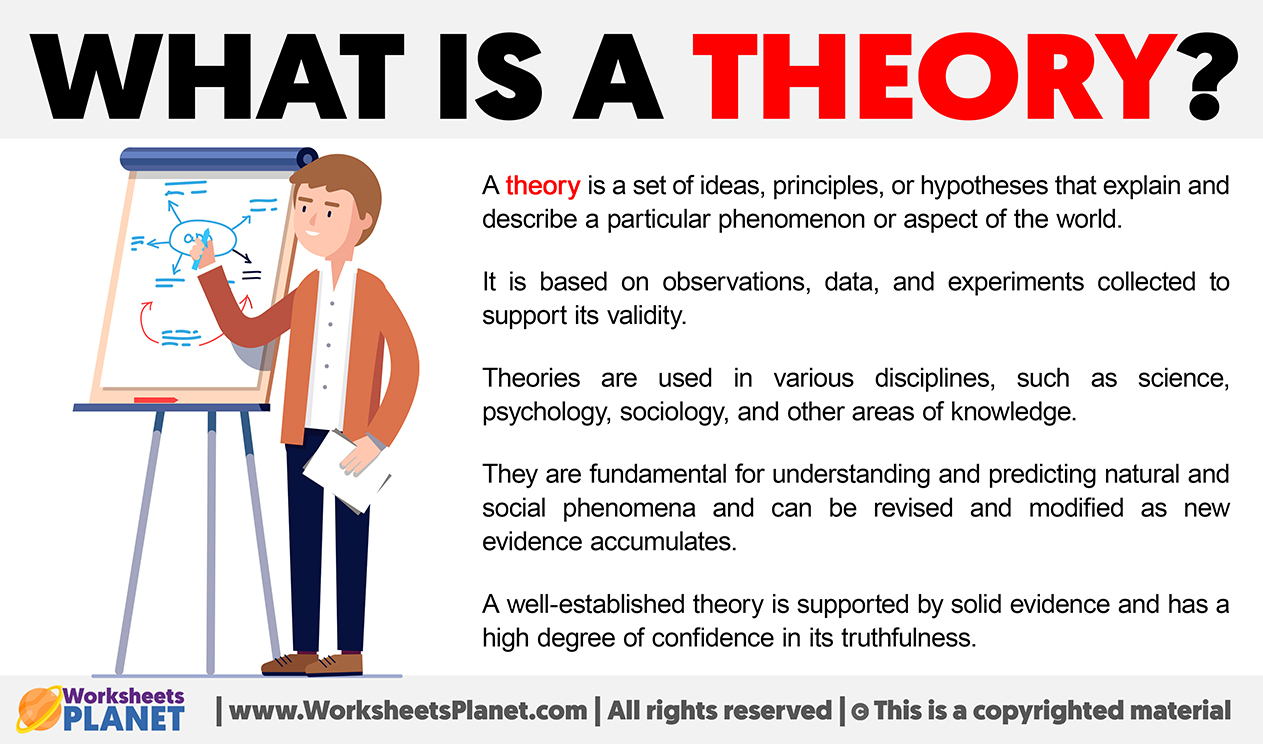
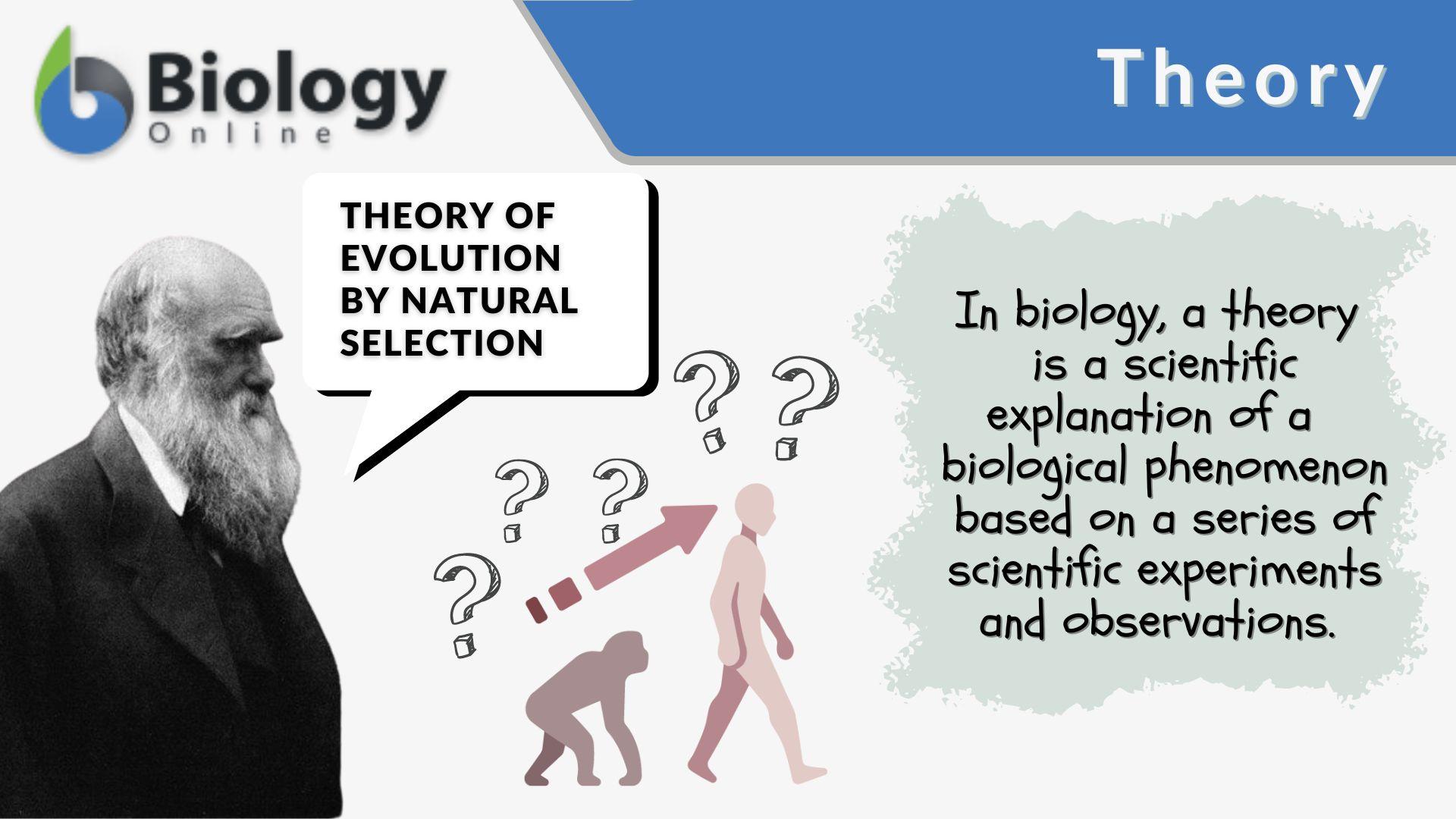
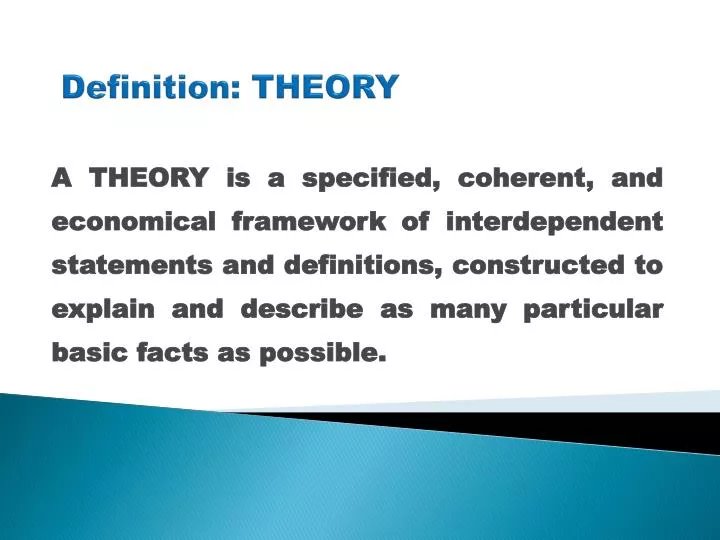
In technology, a theory is a comprehensive explanation of some aspect of the digital or physical world that is acquired through the scientific method and repeatedly tested and confirmed through observation and experimentation. Unlike a hypothesis, which is a tentative starting point, a technical theory is a reliable roadmap.
Bridging the Gap Between Concept and Code
At its core, the definition of theory in technology is about “abstraction.” Software developers use architectural theories to organize complex systems. For example, Object-Oriented Programming (OOP) is a theoretical framework that views software as a collection of interacting “objects” rather than just a list of instructions. By applying this theory, developers can build modular, scalable, and maintainable systems. Without the theoretical foundation of abstraction, modern software would be a tangled mess of “spaghetti code” that would be impossible to update or secure.
Theory vs. Practice in Software Development
The tech industry often highlights the tension between “theory” and “practice.” While practice involves the hands-on application of tools, theory provides the “why” behind the “how.” For instance, “Complexity Theory” allows a programmer to calculate the efficiency of an algorithm using Big O notation. By understanding the theoretical limits of a process, a developer can choose the most efficient path for data processing, saving millions of dollars in server costs and energy consumption. In this sense, theory is the ultimate tool for optimization.
Information Theory: The Backbone of Digital Communication
One cannot discuss the definition of theory in tech without referencing “Information Theory.” Proposed by Claude Shannon in 1948, this theory redefined how we understand communication and remains the fundamental reason you can read this text on your device today.
Claude Shannon’s Legacy in Modern Data Transfer
Information Theory defines “information” as a quantifiable entity that can be measured in bits. Before this theory, there was no unified way to understand how to transmit data across a noisy channel (like a radio wave or a fiber-optic cable). Shannon’s theory provided the mathematical proof for how much data could be compressed and how fast it could be sent without errors. Today, every video call you make on Zoom or every movie you stream on Netflix relies on the theoretical principles of data compression and signal processing derived from this framework.
Compression, Encryption, and Theory-Driven Security
Digital security is another area where theory is paramount. “Cryptographic Theory” is the study of mathematical techniques related to aspects of information security such as confidentiality, data integrity, and entity authentication. This isn’t just about “guessing” a password; it’s about the theoretical impossibility of reversing certain mathematical functions without a specific key. As we move toward a world of heightened cyber threats, the definition of theory in security has shifted from simple firewalls to complex zero-trust architectures rooted in rigorous logic.
Algorithmic Theory and the Evolution of Artificial Intelligence
The current explosion of Artificial Intelligence (AI) is not merely a triumph of hardware; it is a triumph of theory. The definition of theory in AI involves the intersection of statistics, neuroscience, and computational logic.
Computational Complexity: Why Theory Limits Speed
As AI models like Large Language Models (LLMs) grow in size, they run into the boundaries of “Computational Complexity Theory.” This field of study classifies problems according to their inherent difficulty. In tech circles, knowing whether a problem is “P” (easy for a computer) or “NP” (extremely hard) dictates where a company invests its R&D budget. Theory tells us that as we add more parameters to an AI, the energy and time required to train it grow exponentially. Understanding these theoretical walls is what drives researchers to find new, more efficient ways to build neural networks.
Neural Network Theory: Mimicking the Human Mind
Deep Learning, the technology behind tools like ChatGPT and Midjourney, is based on “Neural Network Theory.” This theory posits that artificial systems can learn to recognize patterns by mimicking the structure of the human brain’s neurons and synapses. While we have the computing power to run these models now, the theory was actually developed decades ago. The “AI Winter” occurred because the theory was ahead of the technology; today, the technology has finally caught up to the theory, leading to a revolution in how we interact with machines.
The Practical Application: How Theory Shapes Emerging Tech
The definition of theory is never static; it evolves as our capabilities expand. Today, we are seeing new theoretical frameworks emerge to handle the next generation of tech tools, from decentralized finance to quantum machines.
Blockchain and Distributed Ledger Theory
While often associated with “Money,” the underlying “Distributed Systems Theory” is what makes blockchain a technological marvel. This theory addresses the challenge of getting multiple computers to agree on a single state of truth without a central authority. Concepts like “Byzantine Fault Tolerance” are theoretical solutions to the problem of nodes (computers) failing or acting maliciously within a network. This tech theory ensures that a database remains secure and consistent, even if parts of the system are compromised.
Quantum Computing: From Theoretical Physics to Tech Reality
Perhaps the most extreme example of theory in tech is Quantum Computing. This field is built entirely on “Quantum Theory,” which describes the behavior of matter and energy on an atomic and subatomic level. Unlike classical computers that use bits (0 or 1), quantum computers use qubits, which can exist in multiple states simultaneously due to “superposition.”
The definition of theory here is what allows engineers to build machines that can perform calculations in seconds that would take classical supercomputers thousands of years. We are currently in the “Noisy Intermediate-Scale Quantum” (NISQ) era, where theory is guiding us to reduce errors in these sensitive machines. Without a deep grounding in theoretical physics, the development of quantum hardware would be impossible.
Conclusion: Why Theory Is the Ultimate Tech Trend
In the tech industry, there is a common saying: “There is nothing as practical as a good theory.” As we have explored, the definition of theory in technology is far from an academic abstraction. It is the essential blueprint for everything from the way our smartphones communicate to the way AI processes language.
Whether it is Information Theory ensuring our data stays intact, Algorithmic Theory making our software fast, or Cryptographic Theory keeping our digital identities safe, these frameworks provide the certainty needed to innovate. As we look toward the future—marked by AI, blockchain, and quantum breakthroughs—it is clear that the most successful tech leaders and developers will be those who not only master the tools of today but also understand the deep-seated theories that will build the tools of tomorrow. Theory is not just a definition; it is the engine of the digital age.
aViewFromTheCave is a participant in the Amazon Services LLC Associates Program, an affiliate advertising program designed to provide a means for sites to earn advertising fees by advertising and linking to Amazon.com. Amazon, the Amazon logo, AmazonSupply, and the AmazonSupply logo are trademarks of Amazon.com, Inc. or its affiliates. As an Amazon Associate we earn affiliate commissions from qualifying purchases.