
In the high-stakes world of digital security, terminology often borrows from military history to convey the urgency and severity of threats. Among these terms, “DEFCON” stands as one of the most recognizable, yet frequently misunderstood. While popularized by Cold War-era cinema and the world’s most famous hacking convention, the specific state of DEFCON 3 holds a unique position in the hierarchy of readiness.
In the context of technology and cybersecurity, transitioning to a DEFCON 3 status signifies a pivotal shift from routine monitoring to active, heightened preparation. It is the threshold where theoretical threats become probable risks, necessitating a comprehensive mobilization of digital defenses. This article explores the origins of the DEFCON system, its translation into modern cybersecurity protocols, and how tech organizations utilize these alert levels to safeguard critical infrastructure.
The Origins and Evolution of the DEFCON System
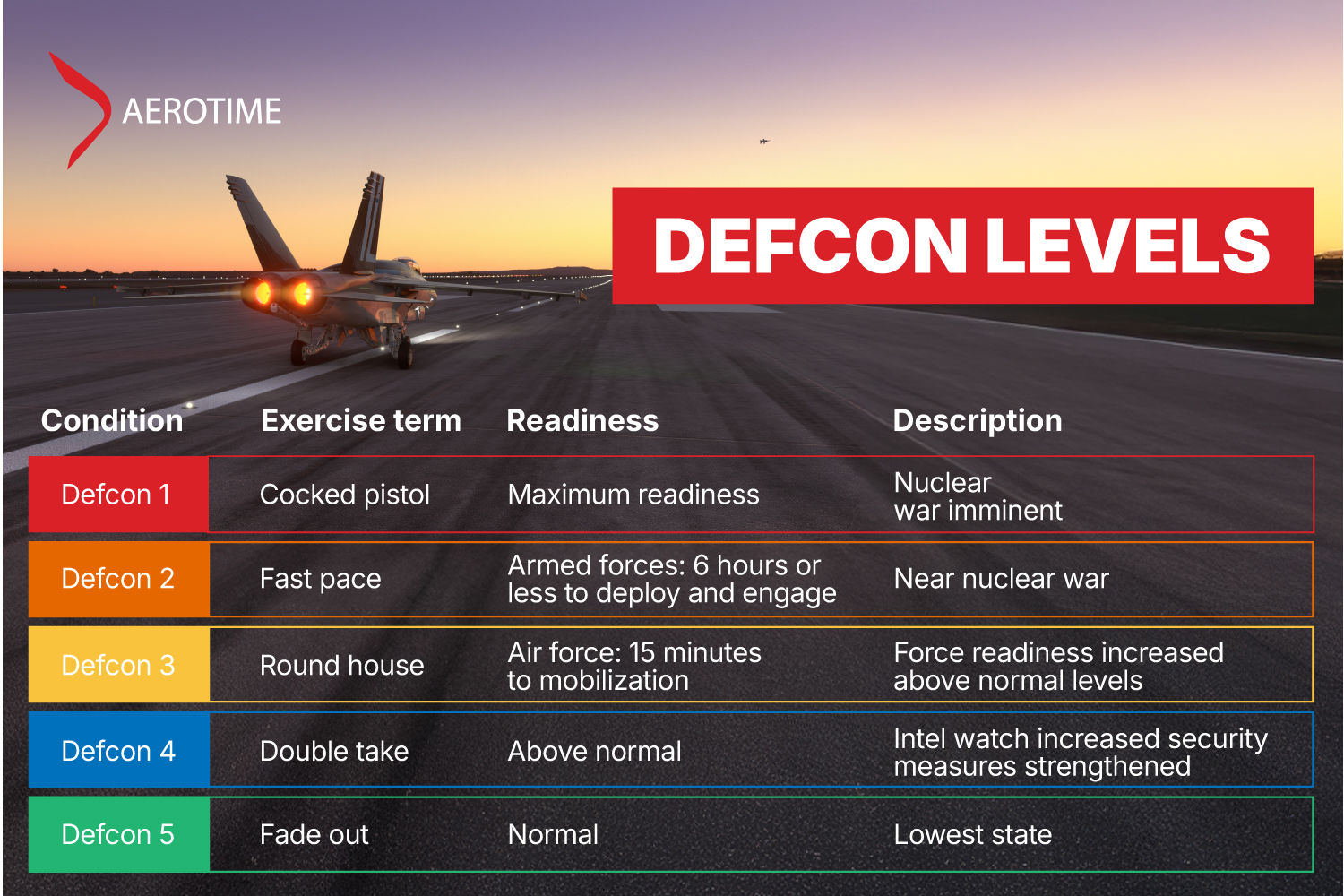
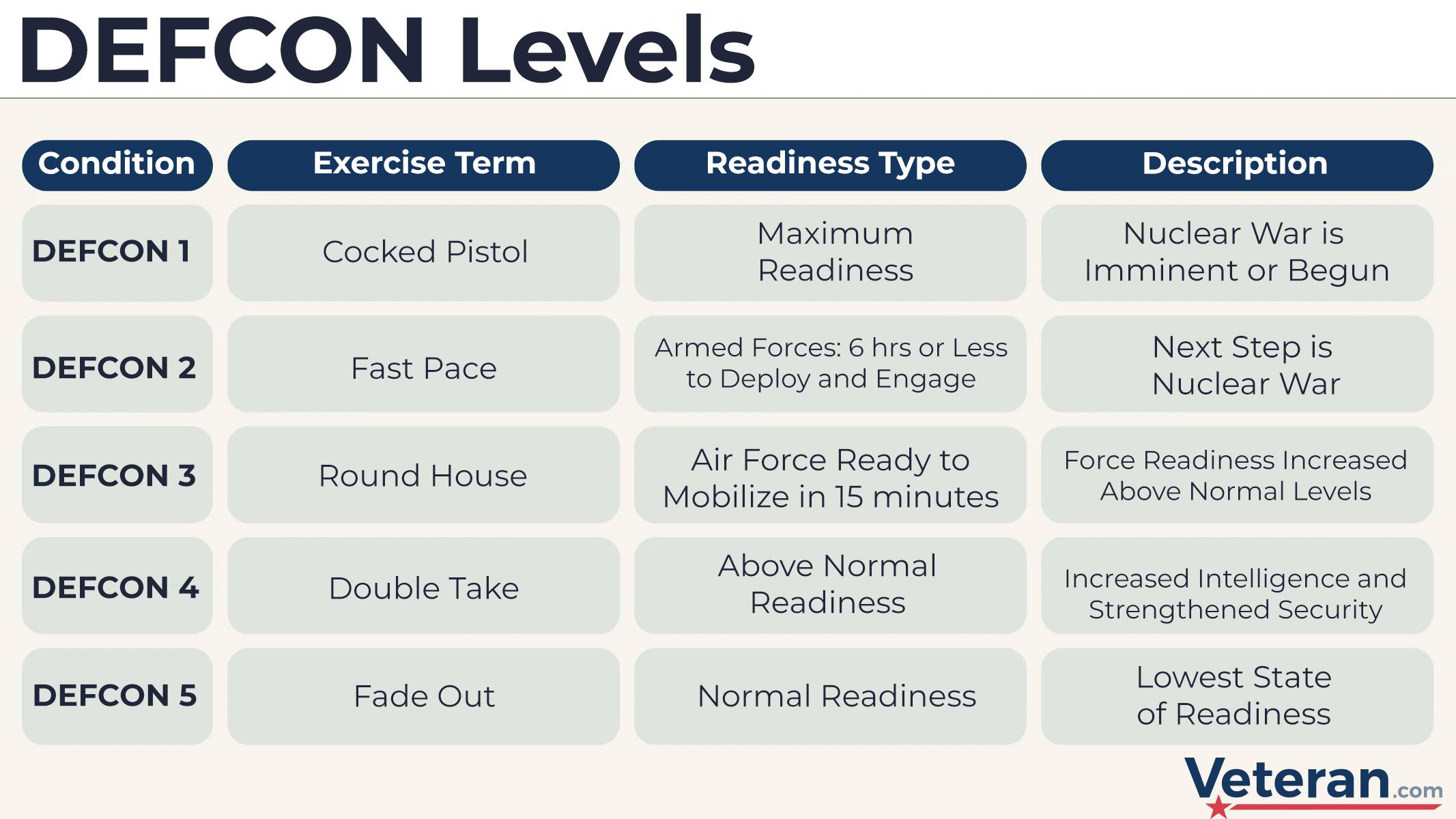
The term DEFCON is an abbreviation for “Defense Readiness Condition.” Developed by the United States Joint Chiefs of Staff, it was designed to provide a uniform system of command and control to indicate the posture of the U.S. military. There are five levels, beginning with DEFCON 5 (the lowest state of readiness) and escalating to DEFCON 1 (maximum readiness, indicating imminent or ongoing nuclear conflict).
From Military Strategy to Digital Infrastructure
The transition of military terminology into the tech sector was a natural evolution. As the internet became the backbone of global commerce and communication, the concept of “digital warfare” emerged. System administrators and cybersecurity experts needed a shorthand to communicate the severity of a cyber threat to stakeholders who might not understand the nuances of a SQL injection or a localized DDoS attack.
DEFCON 3, traditionally known in military circles by the code name “Round House,” represents an increase in force readiness above that required for normal readiness. In technology, this translates to a state where security teams are no longer just “watching” but are actively hardening systems in anticipation of a specific, credible threat.
The Levels Explained: A Comparative Hierarchy
To understand DEFCON 3, one must understand its place in the sequence. In a digital security environment, the levels generally follow this logic:
- DEFCON 5: Normal peacetime posture. Routine updates and standard monitoring.
- DEFCON 4: Increased intelligence watch and strengthened security measures.
- DEFCON 3: A significant increase in readiness. Security teams are on high alert, and defensive protocols are actively deployed.
- DEFCON 2: A further increase in force readiness, just below maximum alertness. Usually involves prepping for immediate incident response.
- DEFCON 1: Maximum readiness. This represents a total system breach or a widespread national cyber-emergency.
DEFCON 3 in the Context of Cybersecurity and Digital Defense
When a Chief Information Security Officer (CISO) declares a state equivalent to DEFCON 3, the organization’s “peacetime” ends. This state is characterized by a “Yellow Alert” mentality—the situation is serious, the threat is identified, and the window for proactive defense is closing.
Defining the “Increase in Readiness” for Tech Teams
At DEFCON 3, the focus shifts from general maintenance to targeted protection. For a tech team, this means mobilizing the Security Operations Center (SOC). Personnel who might typically work on long-term projects are reassigned to active monitoring.
Key actions during this phase include:
- Log Analysis: Increasing the granularity of system logs to catch even the smallest anomalies.
- Access Control: Implementing stricter “least privilege” protocols, potentially revoking temporary or third-party access to sensitive databases.
- Communication Escalation: Establishing a “war room” or a dedicated communication channel for real-time threat updates.
Real-World Scenarios: When Organizations Move to DEFCON 3
What triggers a move to DEFCON 3? It is rarely a single event but rather a combination of intelligence indicators. For instance, if a “Zero-Day” vulnerability is announced in a piece of software that the company relies on (such as the Log4j vulnerability), the organization may move to DEFCON 3.
Another scenario involves geopolitical tensions. If a nation-state known for cyber-offensive capabilities begins mobilizing, global financial institutions and energy providers often shift to a DEFCON 3 posture as a precautionary measure. This level of readiness ensures that if an attack begins, the response time is measured in seconds rather than hours.
Incident Response: Implementing a DEFCON 3 Protocol
A protocol is only as good as its execution. In the tech industry, DEFCON 3 requires a synchronized effort between human intelligence and automated systems. It is the “pre-incident” phase where the outcome of an eventual attack is often decided.
Strengthening Network Perimeters
The first line of defense at DEFCON 3 is the network perimeter. Security engineers will often begin “geofencing”—blocking traffic from regions known to host malicious actors if that traffic isn’t essential for business operations. Firewalls are updated with new signatures, and Intrusion Detection Systems (IDS) are set to their most sensitive thresholds.
Furthermore, this stage often involves “patching under pressure.” While routine patches happen at DEFCON 5 or 4, DEFCON 3 demands an emergency patching cycle. If a specific exploit is being used in the wild, the tech team must apply fixes immediately, sometimes bypassing the standard week-long testing phase in a sandbox environment to prioritize survival over stability.
Threat Intelligence and Monitoring Escalation
At DEFCON 3, an organization becomes an active consumer of threat intelligence. They aren’t just looking at their own servers; they are monitoring dark web forums, federal advisory feeds (like CISA), and industry-specific sharing groups (ISACs).
The goal is to identify “Indicators of Compromise” (IoCs). If a specific IP address or a certain type of malware hash is identified as a threat to the industry, the DEFCON 3 protocol ensures that those IoCs are immediately fed into the company’s security software to automate the “block” command. This level of readiness creates a proactive shield rather than a reactive bandage.
The Role of the DEF CON Convention in Modern Tech Security
One cannot discuss DEFCON in a tech context without acknowledging the DEF CON hacking conference. Held annually in Las Vegas, this event has adopted the name and much of the “readiness” imagery to foster a community of researchers, hackers, and security professionals.
Culture of Hacking and Defensive Research
The DEF CON convention serves as a real-world microcosm of the alert levels. It is a place where “White Hat” hackers (ethical hackers) demonstrate how easily “DEFCON 5” systems can be compromised. By simulating high-stress environments and showcasing new vulnerabilities, the conference forces the tech industry to stay in a perpetual state of readiness.
The name “DEF CON” (written with a space) serves as a reminder that the best way to maintain security is to understand the offensive tactics of the adversary. In this niche, “DEFCON 3” is often used colloquially to describe the atmosphere when a major new exploit is unveiled on the convention stage, sending ripples of “increased readiness” through the global tech community.
Why the Name Matters to the Industry
The branding of “DEFCON” in the tech world signifies the bridge between the underground hacking culture and corporate digital security. It has turned a military term into a badge of expertise. For a security professional, knowing how to manage a “DEFCON 3” situation means having the technical skills to harden a server and the leadership skills to keep a team calm under the pressure of a looming breach.
Future-Proofing Security: Moving Beyond Reactive Alert Levels
As we move further into the decade, the traditional, manual shift between alert levels is being challenged by the speed of modern threats. Ransomware and automated botnets don’t always give tech teams the luxury of “gradually” moving to DEFCON 3.
AI-Driven Threat Detection
The future of the DEFCON 3 state lies in Artificial Intelligence. Modern AI tools can monitor network traffic at a scale impossible for human analysts. These tools can automatically trigger a DEFCON 3 state by detecting patterns of behavior that precede an attack—such as unusual “probing” of ports or a spike in encrypted outbound data.
By using machine learning, the “readiness” level can be adjusted dynamically. If the AI detects a surge in brute-force attempts, it can move the organization to a DEFCON 3 posture for ten minutes, implement blocks, and then return to DEFCON 5 once the threat is mitigated, all without human intervention.
Automation vs. Manual Intervention
While automation is essential, the human element of DEFCON 3 remains critical. A “Yellow Alert” requires judgment calls: Do we shut down the customer-facing portal to protect the database? Do we disconnect the regional office from the main network?
These are high-stakes business decisions that require the insightful oversight of tech leaders. The goal for the future is a “Hybrid Readiness” model, where AI handles the technical “fortification” of the system while humans manage the strategic “mobilization” of the organization.
In conclusion, DEFCON 3 is more than just a military legacy or a catchy name for a conference. In the world of technology and digital security, it represents the vital middle ground between peace and war. It is the state of disciplined preparation that separates resilient organizations from those that fall victim to the ever-evolving landscape of cyber threats. By understanding and implementing clear readiness protocols, tech teams can ensure that when the alert level rises, their defenses are already standing tall.
aViewFromTheCave is a participant in the Amazon Services LLC Associates Program, an affiliate advertising program designed to provide a means for sites to earn advertising fees by advertising and linking to Amazon.com. Amazon, the Amazon logo, AmazonSupply, and the AmazonSupply logo are trademarks of Amazon.com, Inc. or its affiliates. As an Amazon Associate we earn affiliate commissions from qualifying purchases.