
In the rapidly evolving landscape of energy technology, the ability to store and deploy power efficiently is the cornerstone of modern innovation. From off-grid solar arrays to sophisticated marine electronics and electric mobility, the demand for sustained energy has moved beyond the capabilities of standard automotive batteries. This brings us to the “Deep Cycle” battery—a specialized power cell engineered for endurance rather than a sudden burst of speed.
Unlike the battery in your car, which is designed to provide a massive surge of current for just a few seconds to crank an engine, a deep cycle battery is the marathon runner of the electrical world. It is designed to be discharged deeply and recharged repeatedly over hundreds or even thousands of cycles. Understanding this technology is essential for anyone looking to optimize renewable energy systems, enhance mobile living, or secure reliable backup power.
1. The Engineering Principles of Deep Cycle Technology
To understand what a deep cycle battery is, we must first look at its internal architecture. While they may look similar to standard lead-acid batteries on the outside, the internal chemistry and plate design are fundamentally different.
The Anatomy of Thick Plates
The most significant physical difference in a deep cycle battery lies in its lead plates. In a standard “starting” battery, the plates are thin and porous, providing a high surface area to allow for a rapid chemical reaction and a high-amperage burst. However, these thin plates are fragile; if they are discharged too deeply, they warp and shed material, leading to premature failure.
Deep cycle batteries utilize much thicker, solid lead plates. These plates are designed to withstand the chemical stress of being drained to 50% or even 80% of their capacity. The increased thickness allows the battery to maintain structural integrity during the long-term chemical transformation that occurs during discharge and recharge cycles.
Deep Cycle vs. Starting (SLI) Batteries
It is helpful to view batteries through the lens of their specific use cases. Starting, Lighting, and Ignition (SLI) batteries are built for “shallow” discharges. Using an SLI battery for a deep discharge application (like powering a trolling motor or a solar cabin) will destroy it within dozens of cycles. Conversely, while a deep cycle battery can start an engine, it generally lacks the “Cold Cranking Amps” (CCA) to do so effectively in extreme conditions. Modern technology has introduced “Dual Purpose” batteries, but for high-demand tech applications, a dedicated deep cycle unit remains the gold standard.
2. Core Technologies: From Lead-Acid to Lithium-Ion
The term “deep cycle” describes a performance characteristic, not a specific chemical composition. As battery technology has advanced, several distinct chemistries have emerged, each offering different advantages for tech enthusiasts and engineers.
Flooded Lead-Acid (FLA)
Flooded batteries are the most traditional form of deep cycle technology. They contain liquid electrolyte that must be topped up with distilled water periodically. While they require the most maintenance, they are highly cost-effective and have a proven track record of reliability in solar installations. However, because they vent hydrogen gas, they must be stored in ventilated environments and kept upright.
Sealed Lead-Acid: AGM and Gel
To solve the maintenance and safety issues of flooded batteries, the industry developed VRLA (Valve Regulated Lead-Acid) batteries, commonly known as AGM (Absorbent Glass Mat) and Gel batteries.
- AGM: These use a fiberglass mat to soak up the electrolyte. They are spill-proof, resistant to vibration, and can be mounted in various orientations. They are the preferred tech for high-end RVs and marine vessels.
- Gel: These use a silica-based additive to turn the electrolyte into a thick paste. They excel in very high-temperature environments and have excellent deep-discharge recovery, making them ideal for remote telecommunications sites.
The Rise of Lithium Iron Phosphate (LiFePO4)
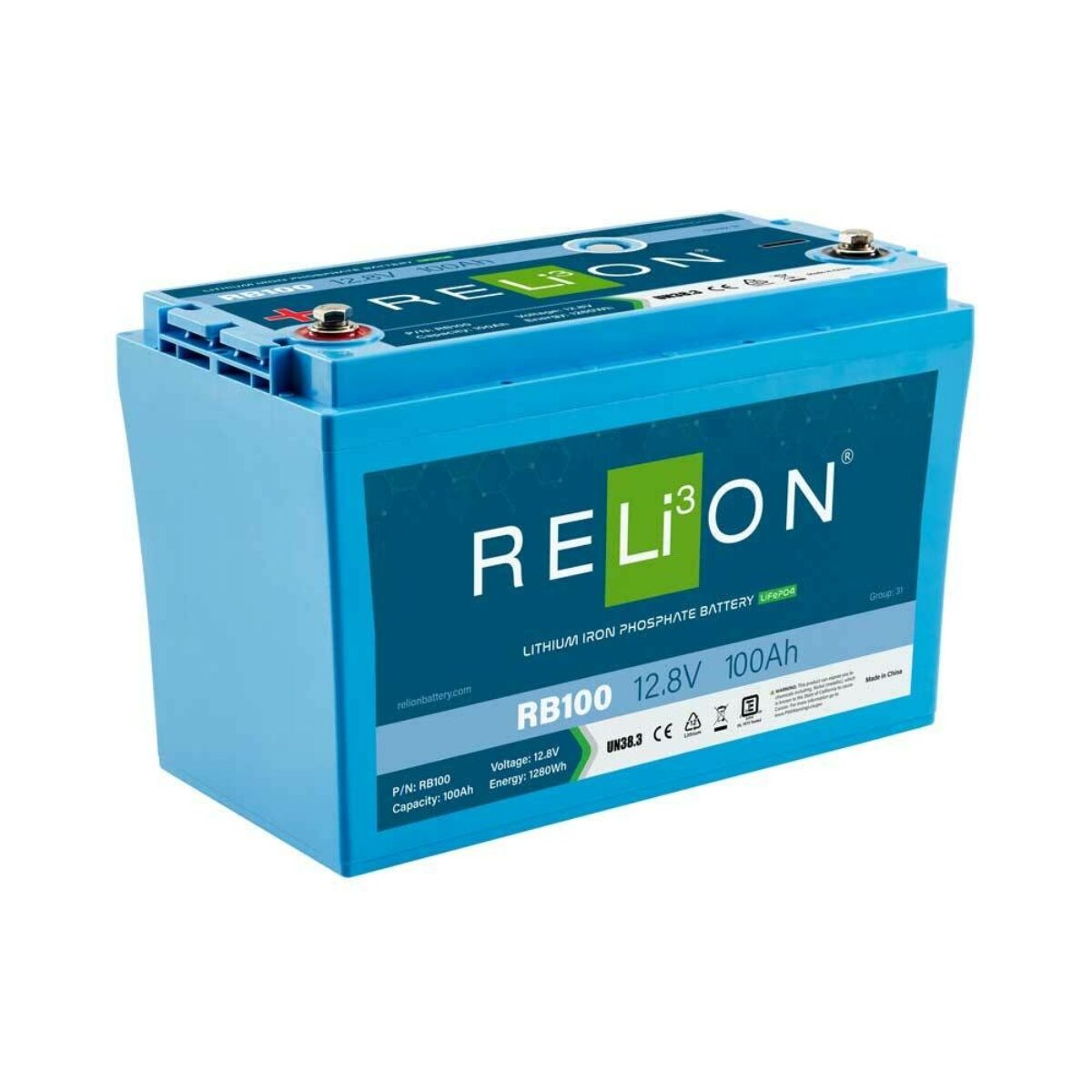
The current frontier of deep cycle technology is Lithium Iron Phosphate. While significantly more expensive upfront, LiFePO4 batteries have revolutionized energy storage. They are 50% lighter than lead-acid counterparts, can be discharged to 100% without damage, and can last for 3,000 to 5,000 cycles—nearly ten times the lifespan of a traditional battery. For tech-heavy applications like electric vehicles or smart-home energy walls, lithium is the undisputed leader.
3. Performance Metrics and Technical Specifications
When evaluating deep cycle technology, professionals look past the voltage and focus on the metrics that define endurance and efficiency.
Understanding Depth of Discharge (DoD)
Depth of Discharge refers to the percentage of the battery that has been emptied relative to its total capacity. For lead-acid deep cycle batteries, the “sweet spot” is typically a 50% DoD. Discharging them further significantly shortens their lifespan. Lithium batteries, however, thrive even at an 80% to 90% DoD. Understanding your system’s DoD is the difference between a battery that lasts two years and one that lasts ten.
Amp-Hours (Ah) and Energy Density
Deep cycle batteries are rated in Amp-Hours. This represents the amount of current the battery can deliver over a specific period (usually 20 hours). For example, a 100Ah battery can theoretically deliver 5 amps of power for 20 hours. For those integrating these into tech systems, calculating the total “Watt-hour” (Wh) capacity (Voltage x Amp-Hours) is vital for determining how long a device—like a high-end laptop or a 5G router—can stay powered during an outage.
The Peukert Effect
A critical technical nuance in lead-acid deep cycle batteries is the Peukert Effect. This principle states that as the rate of discharge increases, the battery’s available capacity decreases. If you draw power very quickly, you actually get less total energy out of the battery than if you draw it slowly. This is a key consideration when designing power systems for high-draw hardware like power tools or microwave ovens in mobile setups.
4. Modern Tech Applications: Where Power Meets Purpose
Deep cycle batteries are the silent engines behind some of the most exciting technological shifts of the 21st century. They provide the “buffer” that makes intermittent energy sources usable.
Off-Grid Solar Storage Systems
Solar panels only produce power when the sun is shining, but our tech needs are constant. Deep cycle batteries act as the reservoir. In a modern off-grid tech stack, the battery bank is connected to a Charge Controller (to manage input) and an Inverter (to convert DC to AC). This setup allows remote research stations, digital nomad vans, and rural homes to run high-performance servers and communication hardware 24/7.
Marine and Electric Propulsion
In the marine world, deep cycle batteries power everything from GPS and radar systems to the electric motors that allow for silent, emission-free fishing. The technology has also bridged the gap into light electric vehicles (LEVs) and golf carts, where sustained torque and long-range endurance are more important than the high-speed bursts required by passenger EVs.
Backup Power for Critical Infrastructure
Data centers and telecommunications hubs rely on massive “banks” of deep cycle batteries. In the event of a grid failure, these batteries provide an Uninterruptible Power Supply (UPS). They bridge the gap between the power going out and the backup generators kicking in, ensuring that the digital world doesn’t go dark during a localized emergency.
5. Maintenance and the Future of Energy Storage
To maximize the ROI on deep cycle technology, one must understand the intersection of hardware maintenance and software management.
Battery Management Systems (BMS)
The “smart” in modern battery tech comes from the Battery Management System. Found primarily in lithium deep cycle batteries, a BMS is an integrated circuit that monitors the health of each individual cell. It protects against over-charging, over-discharging, and short-circuiting. It also balances the cells to ensure they all age at the same rate. This digital oversight is what has made deep cycle technology safe enough for indoor and mobile use.
Charging Algorithms
Charging a deep cycle battery isn’t as simple as plugging it in. It requires a multi-stage charging profile:
- Bulk: Charging at a constant high current to reach about 80% capacity.
- Absorption: Holding a constant voltage while the current tapers off to finish the charge.
- Float: A low-voltage “trickle” to keep the battery full without boiling the electrolyte.
Using a smart charger with the correct algorithm for your specific battery chemistry (AGM vs. Lithium) is essential for preventing “sulfation”—the buildup of lead sulfate crystals that eventually kills lead-acid batteries.

The Horizon: Solid-State and Beyond
As we look toward the future, the technology is moving toward solid-state electrolytes. This promises even higher energy densities, faster charging times, and even greater safety. While deep cycle lead-acid batteries will likely remain a staple for cost-sensitive industrial uses, the tech world is rapidly pivoting toward modular, intelligent, and long-lived energy storage solutions that will eventually make power outages a relic of the past.
In conclusion, the deep cycle battery is far more than a simple plastic box of chemicals. It is a highly engineered component that enables the portability and reliability of our modern tech-driven lives. Whether you are building a DIY solar rig or managing an enterprise-level backup system, choosing the right deep cycle technology is the first step toward true energy independence.
aViewFromTheCave is a participant in the Amazon Services LLC Associates Program, an affiliate advertising program designed to provide a means for sites to earn advertising fees by advertising and linking to Amazon.com. Amazon, the Amazon logo, AmazonSupply, and the AmazonSupply logo are trademarks of Amazon.com, Inc. or its affiliates. As an Amazon Associate we earn affiliate commissions from qualifying purchases.