
A Personal Identification Number (PIN) is a numerical passcode used to verify the legitimate user of a debit card. Far more than just a random sequence of digits, your debit card PIN is a critical security measure, serving as a digital signature that authenticates your identity and authorizes financial transactions. In the realm of personal finance, understanding the function, security implications, and proper management of your PIN is paramount for protecting your funds and ensuring secure access to your bank accounts. It acts as a primary gatekeeper, distinguishing you, the authorized cardholder, from potential fraudsters attempting to gain unauthorized access to your money.
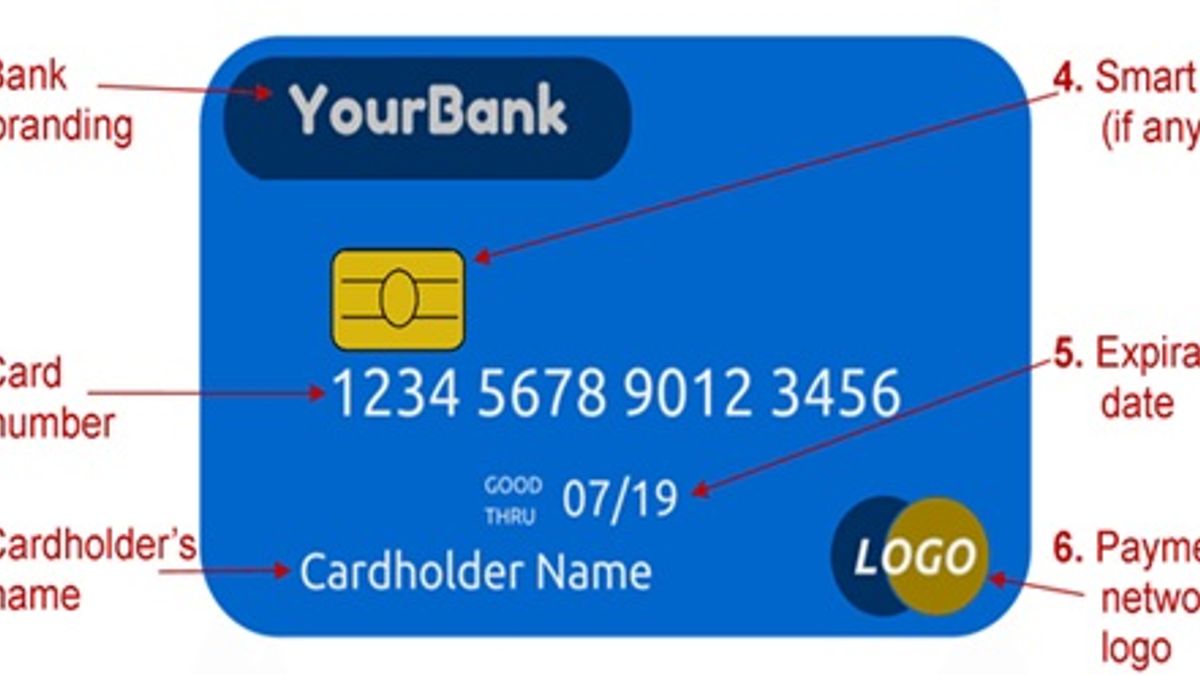
The Fundamental Role of Your Debit Card PIN
The debit card PIN is an indispensable component of modern financial security, particularly in an age where digital transactions are commonplace. Its primary purpose is to establish a secure link between you and your bank account, ensuring that only you can initiate specific transactions.
What a PIN Represents
At its core, a PIN represents a confidential code known only to the cardholder and the issuing bank. When you enter your PIN at an Automated Teller Machine (ATM) or a Point-of-Sale (POS) terminal, the system doesn’t directly access your bank account. Instead, it sends the entered PIN, usually in an encrypted form, to your bank’s server. The server then compares this with the PIN stored in its records for your specific debit card. If the two match, the transaction is authorized; if they don’t, it’s declined. This comparison process is designed to be instantaneous and highly secure, preventing direct exposure of your actual PIN during transmission. The very secrecy of this number is what grants it its immense power as an authentication tool.
How a PIN Protects Your Funds
The most significant way a PIN protects your funds is by adding a layer of authentication beyond merely possessing the physical card. If your debit card is lost or stolen, an unauthorized individual cannot typically withdraw cash or make purchases requiring a PIN, provided they do not know your unique code. This contrasts sharply with credit card transactions that, for a long time, often relied solely on a signature, which is easier to forge or bypass. For debit cards, the PIN requirement significantly deters theft and fraud, as it makes it much harder for someone to access your money even if they have your card in hand. Most debit card transactions, especially ATM withdrawals and certain retail purchases, are contingent upon correct PIN entry, making it an active barrier against unauthorized use. This robust security measure is fundamental to the trust consumers place in their debit cards for everyday financial management.
PIN Generation, Management, and Usage
Effectively managing your debit card PIN involves understanding how it is created, how you can change it, and when you’ll need to use it. Proactive management ensures both convenience and continued security.
Receiving Your First PIN
When you receive a new debit card, your bank will typically send your initial PIN separately, often in a sealed envelope, for security reasons. This separation prevents a single postal error or theft from compromising both your card and your access code simultaneously. In some cases, banks may allow you to select your own PIN during the card activation process, either online or through an automated phone system. If a pre-assigned PIN is provided, it is usually recommended to change it to something memorable yet secure as soon as possible, often at an ATM belonging to your bank or through secure online banking portals. This initial setup is crucial for establishing your unique access credentials.
Changing Your PIN
Changing your PIN is a straightforward yet vital security practice. Most banks allow you to change your PIN at any of their ATMs. The process usually involves inserting your card, selecting the “PIN services” or “change PIN” option, entering your current PIN for verification, and then entering your new desired PIN twice. Some financial institutions also offer the option to change your PIN through their online banking platform or mobile app, though this typically requires additional layers of authentication to ensure you are the legitimate cardholder. It’s advisable to change your PIN periodically or immediately if you suspect it may have been compromised or observed by someone else.
Essential Usage Scenarios
Your debit card PIN is primarily used in two critical scenarios:
- ATM Transactions: Whenever you need to withdraw cash, check your balance, or perform other banking services at an ATM, you will be prompted to enter your PIN. This authenticates your identity and authorizes the transaction.
- Point-of-Sale (POS) Purchases: Many retail merchants require a PIN for debit card transactions, particularly for chip-and-PIN systems. After inserting or tapping your card, you’ll enter your PIN on a keypad. This serves as verification, confirming that you are the legitimate cardholder making the purchase. While some older systems or certain transactions might still allow for “signature” or “credit” options, the PIN remains the gold standard for debit card authentication. It’s important to note the difference; selecting “credit” often processes the transaction through a card network as if it were a credit card, but the funds still come directly from your checking account. However, opting for “debit” and entering your PIN typically incurs lower processing fees for merchants and provides immediate, direct deduction from your bank balance.
Best Practices for PIN Security
Maintaining the security of your debit card PIN is an ongoing responsibility that significantly impacts the safety of your personal finances. Adhering to best practices minimizes the risk of fraud and unauthorized access to your accounts.
Memorization Over Documentation
The cardinal rule of PIN security is to memorize your PIN and never write it down. While it might seem convenient to jot it on a piece of paper, in a notebook, or even on the card itself, this practice exponentially increases the risk if your wallet or card is lost or stolen. A written PIN provides an immediate gateway for a thief to access your funds. If you find it challenging to remember a new PIN, choose a sequence that is meaningful to you but not easily guessable by others. Avoid using sequential numbers (e.g., 1234), repeated numbers (e.g., 1111), your birth date, address, phone number, or any other easily discoverable personal information.

Beware of Phishing and Scams
Legitimate banks and financial institutions will never ask for your PIN via email, text message, or over the phone. Any such request is a red flag indicating a phishing attempt or scam. Scammers often try to trick individuals into revealing sensitive information by impersonating trusted entities. Be highly suspicious of unsolicited communications asking for your PIN or other confidential banking details. If you receive such a request, do not respond; instead, contact your bank directly using a verified phone number from their official website or the back of your card.
Protecting Your PIN During Transactions
When using your debit card at an ATM or POS terminal, always shield the keypad with your hand or body as you enter your PIN. This simple action prevents “shoulder surfing,” where someone stands near you and tries to observe your PIN as you type it. Be vigilant of your surroundings, especially at standalone ATMs or in less familiar environments. If you notice anything suspicious about an ATM (e.g., a loose card reader, a camera attached to the machine, or a wobbly keypad), do not use it, and report your concerns to the bank immediately. These could be signs of a “skimming” device designed to steal your card information and PIN.
The Importance of a Strong, Unique PIN
While a PIN is typically a 4-digit number, some systems now support longer sequences. Regardless of length, the strength of your PIN comes from its unpredictability. Avoid common or easily guessed numbers. Furthermore, if you have multiple debit cards, resist the temptation to use the same PIN for all of them. Should one card’s PIN be compromised, all your other accounts would immediately be at risk. Using unique PINs for different cards adds an extra layer of security, limiting the damage if one account is breached. Regularly review your PINs and consider changing them if you have any doubts about their security or if you’ve used them in a public setting where they might have been observed.
What Happens If You Forget or Compromise Your PIN?
Even with the best practices, situations can arise where you forget your PIN or suspect it has been compromised. Knowing the correct steps to take can mitigate potential financial risks.
Forgetting Your PIN: The Recovery Process
If you forget your debit card PIN, there is no way to “retrieve” it directly. For security reasons, your bank does not store your PIN in a readable format accessible to customer service representatives. Instead, you will typically need to request a new PIN. This usually involves contacting your bank, which will then mail you a new, randomly generated PIN or provide instructions on how to set a new one, often requiring an in-person visit to a branch or a secure online process with additional authentication. This process can take a few business days, during which you will be unable to perform PIN-requiring transactions. It’s a temporary inconvenience that underscores the PIN’s inherent security design.
When Your PIN is Compromised: Immediate Actions
If you suspect your debit card PIN has been compromised (e.g., you accidentally revealed it, someone observed it, or you detect suspicious activity on your account), immediate action is crucial.
- Contact Your Bank: Report the potential compromise to your bank’s fraud department as soon as possible. Most banks have 24/7 fraud hotlines.
- Request a New Card and PIN: Your bank will likely cancel your existing card and issue a new one with a new PIN to prevent any further unauthorized use.
- Review Account Activity: Carefully review your recent transaction history for any unauthorized debits. Report any suspicious transactions to your bank immediately.
Swift reporting is vital because it can limit your liability for fraudulent transactions, especially under consumer protection laws like the Electronic Fund Transfer Act (EFTA) in the United States.
Understanding Liability and Fraud Protection
Consumer protection laws vary by region but generally provide some level of protection against unauthorized debit card transactions. For instance, under the EFTA, if you report the loss or theft of your debit card before any unauthorized use, you may have no liability. However, if you report it after unauthorized use, your liability can range from $50 to an unlimited amount, depending on how quickly you report it. The key takeaway is that prompt action is your best defense. Most banks also have their own zero-liability policies that offer additional protection, but these often require you to act diligently in reporting issues. Understanding these protections empowers you to act decisively if your PIN is compromised, safeguarding your financial well-being.
The Evolving Landscape of Payment Security
While the PIN remains a cornerstone of debit card security, payment technology is continually evolving, introducing new layers of protection and authentication methods.
PIN and Chip Technology
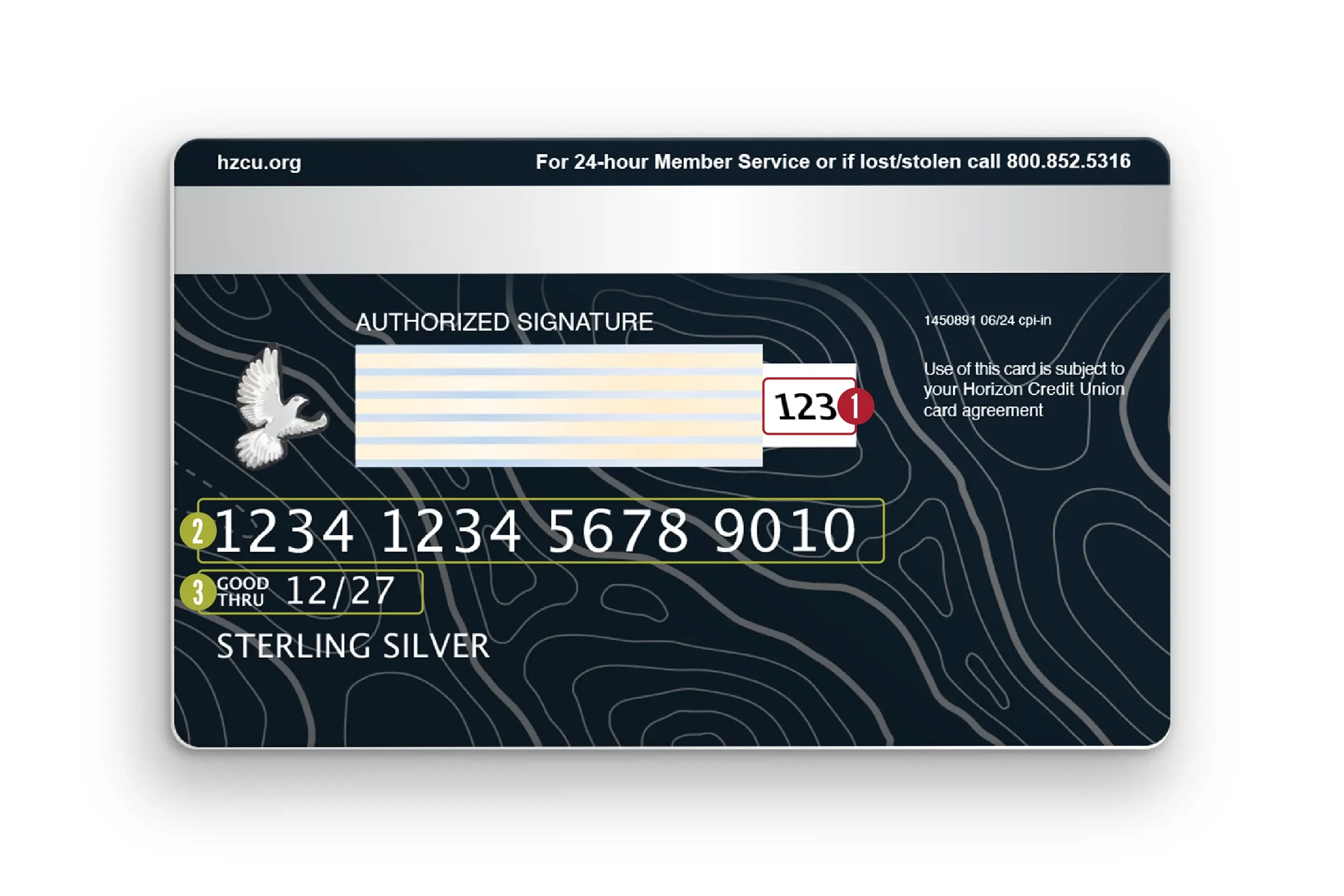
The introduction of EMV (Europay, MasterCard, and Visa) chip cards significantly enhanced debit card security. Unlike older magnetic stripe cards, which carried static data that could be easily copied, chip cards generate a unique, encrypted transaction code for each purchase. This makes it far more difficult for fraudsters to create counterfeit cards from stolen data. When combined with a PIN, known as “chip-and-PIN,” this technology provides a powerful two-factor authentication method: something you have (the card) and something you know (the PIN). This combination is a global standard for secure in-person transactions and has dramatically reduced card-present fraud where it has been widely adopted.
The Future Beyond PINs: Biometrics and Tokenization
The financial industry is constantly exploring and implementing advanced security measures beyond the traditional PIN.
- Biometrics: This involves using unique biological characteristics for authentication, such as fingerprints, facial recognition, or iris scans. Many smartphones and payment apps already incorporate biometric authentication for added security, often as an alternative or additional layer to a PIN. While not yet universally integrated into physical POS terminals for debit card transactions, biometric authentication holds promise for future enhancements, offering both convenience and heightened security.
- Tokenization: This technology replaces sensitive card data (like your 16-digit card number) with a unique, randomly generated “token” during transactions. If a merchant’s system is breached, only the token is compromised, not your actual card details, rendering the stolen data useless. Tokenization is already widely used in mobile payment systems (like Apple Pay or Google Pay) and online transactions, abstracting your real card information away from merchants and further enhancing data security, even if a PIN is still used to authorize the payment on your device.
These advancements signify a future where payment security becomes even more robust and integrated, continually adapting to new threats while striving to maintain user convenience. The debit card PIN, while still critical, is part of a broader, multi-layered security ecosystem designed to protect your hard-earned money.
aViewFromTheCave is a participant in the Amazon Services LLC Associates Program, an affiliate advertising program designed to provide a means for sites to earn advertising fees by advertising and linking to Amazon.com. Amazon, the Amazon logo, AmazonSupply, and the AmazonSupply logo are trademarks of Amazon.com, Inc. or its affiliates. As an Amazon Associate we earn affiliate commissions from qualifying purchases.