
The discourse surrounding a film’s rating, particularly for a high-profile blockbuster like Deadpool 3, extends far beyond a simple age restriction. From a branding perspective, the rating is a foundational strategic decision that shapes brand identity, marketing direction, target audience engagement, and ultimately, the long-term equity of the franchise. For Deadpool 3, officially titled Deadpool & Wolverine, the rating is a reaffirmation of its established brand identity, signaling a clear commitment to its core appeal and audience.
The Strategic Imperative of Film Ratings for Brand Identity
A film rating is not merely a label; it is a declaration of intent, a core component of a brand’s promise to its audience. For a franchise built on specific stylistic and thematic elements, the rating acts as a critical filter for consumer expectations and brand positioning within a competitive entertainment landscape.

Decoding the Rating System: More Than Just an Age Gate
Film rating systems, such as the MPAA’s G, PG, PG-13, R, and NC-17 in the United States, provide a standardized framework for communicating content suitability. However, for brand strategists, these letters represent much more than just an age recommendation. They encapsulate a spectrum of creative freedom, narrative boundaries, and the potential for market penetration. An R-rating, for instance, immediately signals content that may include strong violence, pervasive language, sexual content, or drug use. For a brand like Deadpool, this isn’t a limitation; it’s a defining characteristic. The expectation for Deadpool & Wolverine to maintain its R-rating is a testament to the power of consistent brand identity, especially given its integration into the typically more family-friendly Marvel Cinematic Universe (MCU) under Disney’s ownership. The decision to retain the R-rating underscores a strategic commitment to preserving the unique brand DNA that made Deadpool a breakout success.
Deadpool’s Brand Legacy and the R-Rating
The Deadpool character burst onto the cinematic scene as a subversive anti-hero, distinguished by his meta-commentary, gratuitous violence, and irreverent humor—elements inherently tied to an R-rating. The initial Deadpool and Deadpool 2 films leveraged this rating not as a constraint, but as a marketing cornerstone. It allowed the brand to differentiate itself sharply from other superhero properties, cultivating a niche, yet highly engaged, adult audience. The R-rating became synonymous with the “Deadpool experience”—unapologetic, boundary-pushing, and uniquely entertaining. Therefore, for Deadpool & Wolverine, the confirmed R-rating is not a surprise but an essential strategic move. It reinforces continuity, assures long-time fans that the brand’s core ethos remains intact, and prevents potential backlash from a fanbase fiercely loyal to the character’s original portrayal. This decision is a masterclass in understanding and respecting established brand equity, even when integrating into a broader, more conservative corporate identity like Disney’s.
Marketing Implications: Crafting the Message for the Target Audience
The rating of a film dictates not only its content but also the entire marketing and promotional strategy. For a brand like Deadpool, an R-rating fundamentally shapes how the product is presented to the public, from trailers to merchandise.
Advertising and Promotional Strategies
An R-rating significantly influences where and how a film can be advertised. While it limits exposure on platforms catering to broader family audiences, it liberates the marketing team to employ bold, edgy, and often controversial promotional campaigns that resonate directly with the target demographic. For Deadpool & Wolverine, the R-rating permits trailers and commercials to showcase the characteristic violence, adult humor, and language that fans expect, without needing to dilute the brand’s essence for a PG-13 audience. This allows for authentic communication of the film’s tone and content, building anticipation based on genuine representation. The marketing strategy can lean into the irreverence and self-awareness inherent in the Deadpool brand, using these elements to create viral campaigns and memorable promotions that reinforce the film’s distinct positioning within the superhero genre. This focused approach ensures marketing spend is optimized, targeting the most receptive audience segments who appreciate and actively seek out R-rated content.
Merchandise and Ancillary Brand Extensions
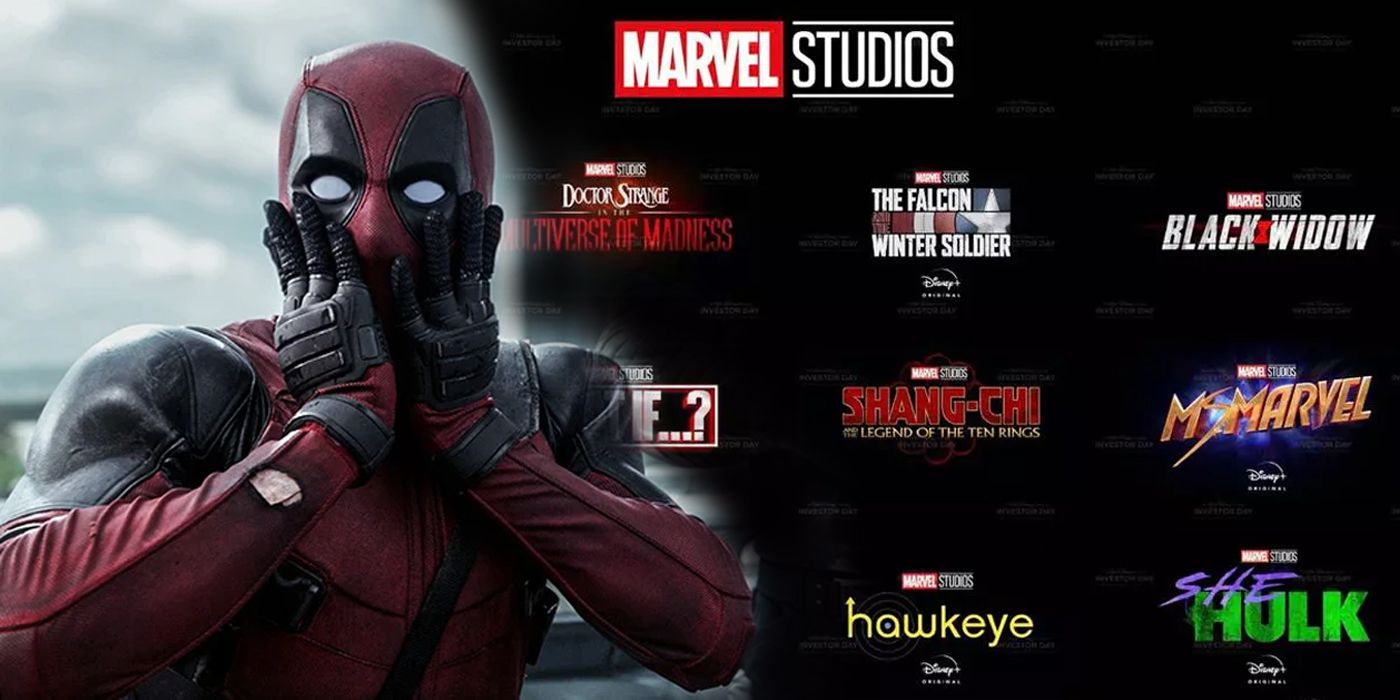
Beyond the film itself, a consistent brand identity stemming from its rating impacts the entire ecosystem of ancillary products. For Deadpool & Wolverine, the R-rating informs the design and marketing of merchandise, video games, comics, and other branded extensions. Apparel can feature more adult themes, collectibles can lean into darker aesthetics, and tie-in media can maintain the same level of humor and violence as the film. This consistency across all brand touchpoints is crucial for building a cohesive brand experience. Imagine a PG-rated Deadpool toy line; it would create a dissonance with the film’s brand, potentially alienating core fans and confusing new consumers. By maintaining the R-rating, the brand ensures that all extensions faithfully represent the character, fostering deeper fan engagement and maximizing revenue opportunities from a dedicated adult fanbase willing to invest in premium, authentic merchandise. This strategic alignment across all product lines strengthens the overall brand identity and value.
Creative Freedom vs. Commercial Viability: A Balancing Act
The decision to pursue or maintain an R-rating for a major studio film, particularly one within a large cinematic universe, involves a delicate balancing act between artistic integrity and commercial viability. This strategic choice directly impacts brand perception and potential market reach.
The Artistic Integrity Argument
For a character like Deadpool, the R-rating is intrinsically linked to its creative integrity. Stripping away the explicit language, graphic violence, and adult humor to achieve a lower rating would fundamentally alter the character’s essence and compromise the brand’s authenticity. From a creative branding perspective, allowing filmmakers and writers the freedom to tell the story without sanitization is paramount for maintaining the brand’s unique voice. The success of the previous Deadpool films proved that there is a significant audience segment that values this uncompromised creative vision. Sacrificing the R-rating for broader appeal risks diluting the brand, alienating its most ardent supporters, and ultimately creating a generic product that fails to stand out. For Deadpool & Wolverine, upholding the R-rating is a strong statement from Marvel Studios and Disney, indicating a respect for the character’s established brand identity and the creative team’s vision, even within the constraints of a massive corporate entity.
Box Office Impact and Brand Reach
Historically, R-rated films have a smaller potential audience pool compared to their PG-13 counterparts. However, Deadpool demonstrated that an R-rating, when paired with a strong, distinctive brand and clever marketing, can lead to substantial box office success. The films proved that the target audience for such content is willing to show up en masse, particularly for a brand that delivers on its promise. While a PG-13 rating might open doors to a wider demographic, it could simultaneously dilute the brand’s core appeal, potentially leading to a less enthusiastic reception from its primary audience. The strategic choice for Deadpool & Wolverine to remain R-rated indicates a calculated decision that the dedicated adult fanbase provides a more reliable and profitable path than attempting to appeal to a broader, potentially disengaged, family audience. It reinforces the idea that sometimes, catering deeply to a niche audience can be more commercially viable than superficially appealing to everyone. This strategy strengthens the brand’s position as a unique, adult-oriented entry within the superhero genre.
Long-Term Brand Equity and Audience Loyalty
The consistent application of a film rating directly contributes to building long-term brand equity and fostering deep audience loyalty. For Deadpool & Wolverine, the R-rating is a cornerstone in this enduring relationship.
Cultivating a Niche, Dedicated Fanbase
An R-rating, by its very nature, creates a more exclusive appeal. For the Deadpool brand, this exclusivity has fostered an incredibly dedicated and passionate fanbase. These fans appreciate the brand’s audacity, its willingness to break norms, and its commitment to an adult-oriented perspective within a genre often perceived as family-friendly. By consistently delivering R-rated content, the brand reinforces its unique value proposition, encouraging repeat viewership, merchandise purchases, and vocal advocacy. This dedicated fanbase becomes a powerful brand ambassador, generating word-of-mouth marketing and creating a strong community around the brand. The R-rating for Deadpool & Wolverine signals to this fanbase that their loyalty is valued and that the brand will continue to deliver the specific experience they’ve come to expect and love, further solidifying their emotional investment in the franchise.

Expanding the Cinematic Universe while Maintaining Core Identity
One of the most significant strategic implications of Deadpool & Wolverine‘s R-rating is how it navigates the character’s integration into the wider MCU. The MCU is a behemoth brand, largely built on a PG-13 foundation. Introducing an R-rated character poses a significant challenge and opportunity. By allowing Deadpool to retain his R-rating within the MCU, Marvel Studios demonstrates a sophisticated understanding of brand integration. It suggests that while the character is now part of a larger universe, his individual brand identity—and the expectations associated with it—will be preserved. This strategy allows the MCU to expand its thematic and tonal range without compromising the core identity of its new acquisition or alienating its existing audience. It creates a precedent for future R-rated Marvel properties, showing that the overarching brand is flexible enough to accommodate diverse content while maintaining a clear understanding of each sub-brand’s unique appeal. The R-rating of Deadpool & Wolverine is thus a strategic declaration: the brand is strong enough to stand on its own terms, even within the most expansive cinematic universe.
aViewFromTheCave is a participant in the Amazon Services LLC Associates Program, an affiliate advertising program designed to provide a means for sites to earn advertising fees by advertising and linking to Amazon.com. Amazon, the Amazon logo, AmazonSupply, and the AmazonSupply logo are trademarks of Amazon.com, Inc. or its affiliates. As an Amazon Associate we earn affiliate commissions from qualifying purchases.